Atlantic · Bermuda
Bermuda
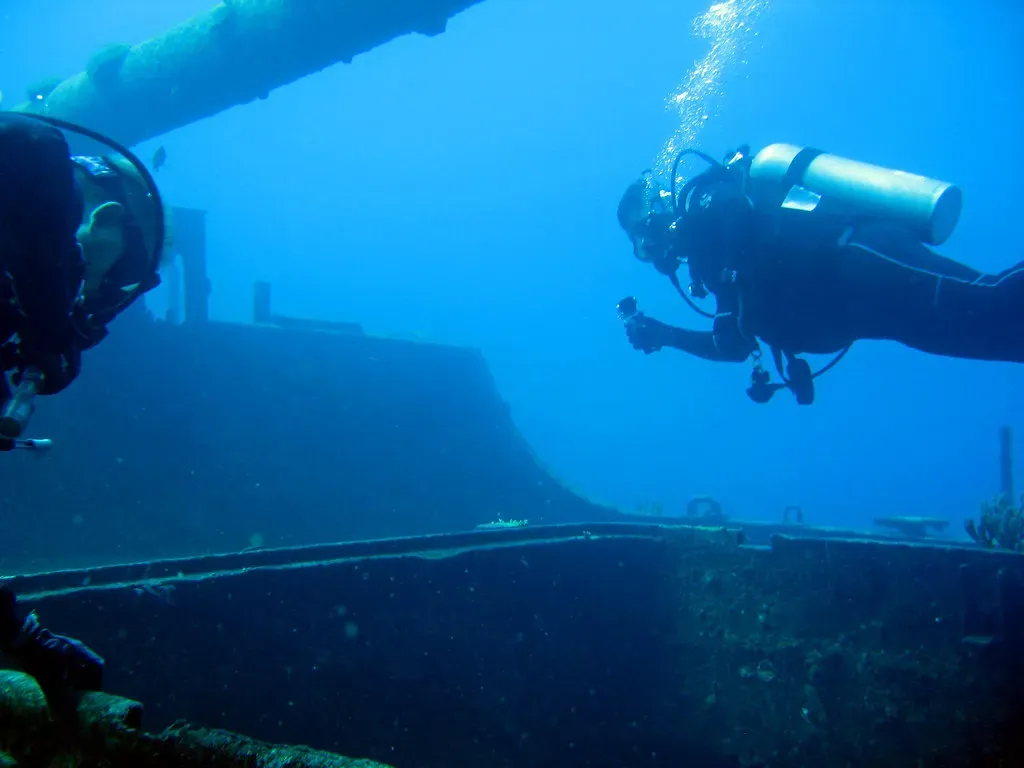
Around three hundred charted wrecks, most of them shallower than 20 m
Photo: c&rdunn · CC BY-SA 2.0
Bermuda sits alone in the North Atlantic on a shallow reef platform that has wrecked ships for four centuries — around three hundred are charted, most of them in under 20 m of water. That combination of density and depth is unusual: the Cristóbal Colón, a 150 m Spanish liner lost in 1936, lies scattered between 9 and 16 m, and the Hermes sits upright and intact at 24 m. The island also holds the northernmost coral reef system in the world, sustained by the Gulf Stream.
About diving in Bermuda
Wreck diving here is boat diving. Shops work from the West End around the Royal Naval Dockyard and from the East End near St George's and Hamilton Parish, and each tends to run to the sites on its own side of the platform rather than steaming across the island. Morning two-tank trips are the standard product, and with little depth to burn through, surface intervals stay short and bottom times run long. A few inshore bays take a walk-in entry, but the wrecks that define the place all need a boat. It is a summer business: boats largely stand down from late autumn and go back to work in spring.
The island is the eroded cap of an extinct volcano, and the platform around it is broad, flat and shallow — coral heads, sand channels and the boilers, rims of reef that break the surface along the south shore. Sites sort into three kinds: boilers and swim-throughs close inshore, the wreck grounds out on the platform, and the outer edge where the shelf tips into deep water. Navigation matters more than depth, since one coral head looks much like the next once you leave the mooring line.
Shallow water changes how a wreck dives. Sunlight reaches the whole structure, so a hull reads as reef: plates carpeted in growth, holds standing open, fish holding in the shade under a boiler. Some sites are flattened debris fields crossed on a compass bearing, others are ships you can circle in one dive, and how much survives usually comes down to how exposed the position is. Historic wrecks are protected under Bermudian law, so operators dive them look-but-don't-touch and artefacts stay where they lie.
It suits divers who like structure and history and are content without big animals: recent qualifiers, families splitting a week between beaches and boats, photographers after wide-angle wreck shots in bright water. Reef swim-throughs and caverns add variety, and the island also holds flooded cave systems, dived only by cave-trained divers with permission rather than as part of any day-boat schedule. What Bermuda is not is cheap — diving is one attraction among several here, not the reason most visitors come.
When to dive Bermuda
| Jan | Feb | Mar | Apr | May | Jun | Jul | Aug | Sep | Oct | Nov | Dec |
|---|---|---|---|---|---|---|---|---|---|---|---|
| Off-season | Off-season | Fair | Good | Prime | Prime | Prime | Prime | Prime | Good | Fair | Off-season |
May–Oct is the season, with water at 26–29°C; winter drops to 18°C and North Atlantic swell shuts most charter operations.
Getting there
Everyone arrives by air into L.F. Wade International or by cruise ship, most of which berth at the Dockyard. Divers usually base at one end of the island and dive that end's wrecks: St George's for the East End, the Dockyard side for the West, Hamilton and the south shore for a bit of both. Visitors cannot hire an ordinary car, so getting about means bus, ferry, taxi or scooter.
Wildlife calendar
Wreck fish are the constant: grouper under plating, barracuda hanging above it, small reef fish massed over the coral heads all season. Juvenile green turtles graze the inshore grass flats and stingrays work the sand channels, while octopus and nudibranchs reward slow looking, especially on night dives through the warm May-to-October run.
Dive types & marine life
- Wreck
- Reef
- Cave & cavern
- Wall
- Night
- Sea turtles
- Groupers
- Barracuda
- Reef fish swarms
- Octopus & cuttlefish
- Nudibranchs
- Stingrays
Notable dive sites in Bermuda
Cristóbal Colón
150 m Spanish liner lost in 1936, scattered across 9–16 m of reef.
Hermes
Freighter scuttled in 1985, upright and intact at 24 m.
Mary Celestia
Civil War blockade runner sunk in 1864, lying at 17 m.
North Carolina
1880 barque with bow and stern still standing in 12 m.
Constellation
1943 schooner in 9 m, whose cargo inspired The Deep.
Photos from Bermuda
c&rdunn · CC BY-SA 2.0
c&rdunn · CC BY-SA 2.0
c&rdunn · CC BY-SA 2.0
c&rdunn · CC BY-SA 2.0
Dive videos
Diving the Hermes Wreck Bermuda (The Bermuda Triangle!) · BlueWorldTV on YouTube
Discover Bermuda's MYSTERIOUS Cruise Ship Wreck The Cristobal Colon · Blue Horizon Diving on YouTube
Photo credits
- Two scuba divers hover beside the steel hull of a shipwreck in clear, sunlit Bermuda water. by c&rdunn, CC BY-SA 2.0, via Openverse
- A diver with bright yellow fins swims past a sunlit wreck hull crowded with small reef fish in Bermuda. by c&rdunn, CC BY-SA 2.0, via Openverse
- A barracuda hangs over mounds of coral thick with sponge and small reef fish off Bermuda. by c&rdunn, CC BY-SA 2.0, via Openverse
- A diver hovers beside a cluster of orange soft coral sea rods on a Bermuda reef. by c&rdunn, CC BY-SA 2.0, via Openverse
- A diver with green fins swims through a narrow coral canyon lit by sunlight from above. by c&rdunn, CC BY-SA 2.0, via Openverse
Similar destinations
Atlantic
Tenerife
Spain
Black sand and lava arches metres from shore, with resident pilot whales
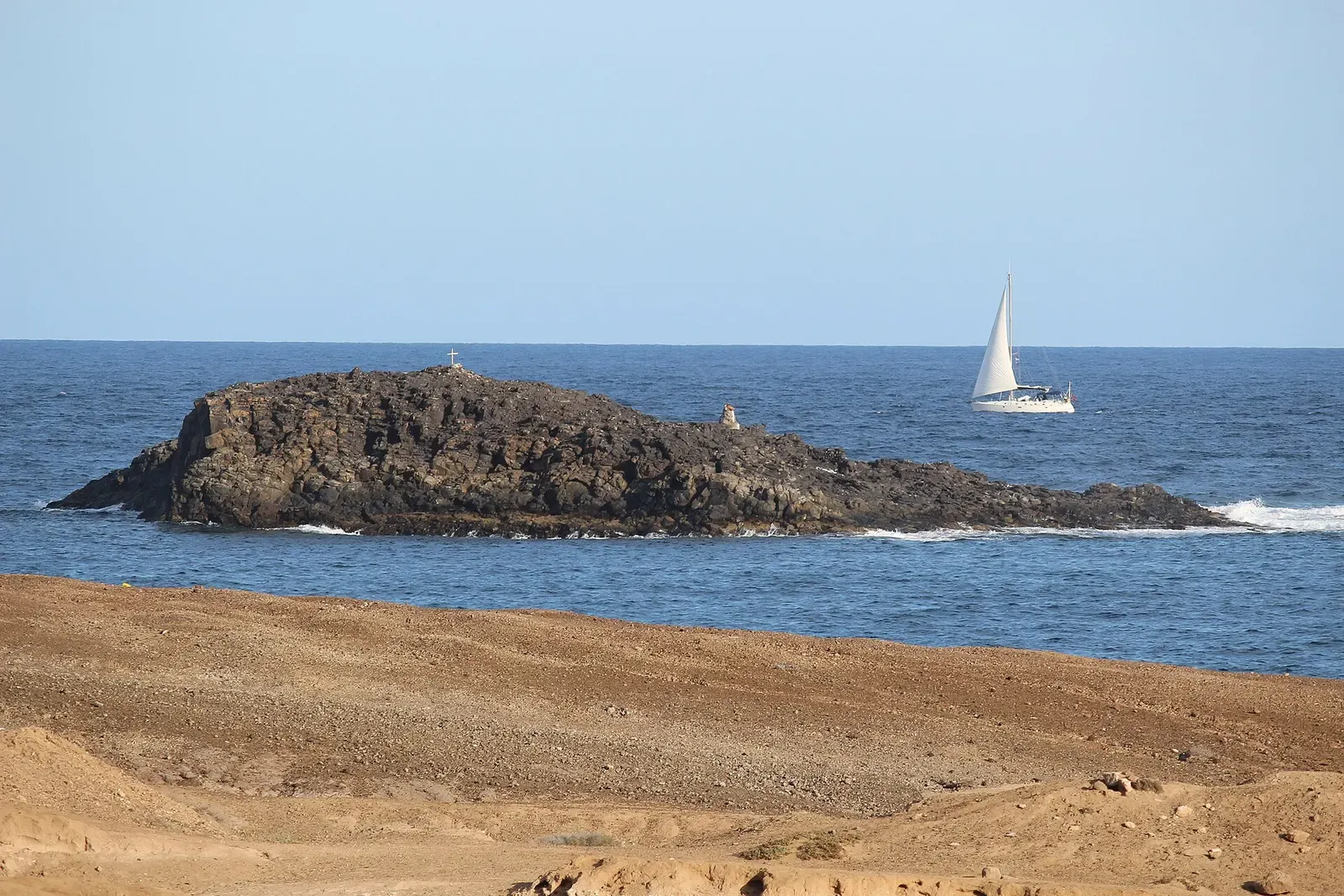
Lava arches, canyons and tunnels reachable from a rocky beach entry
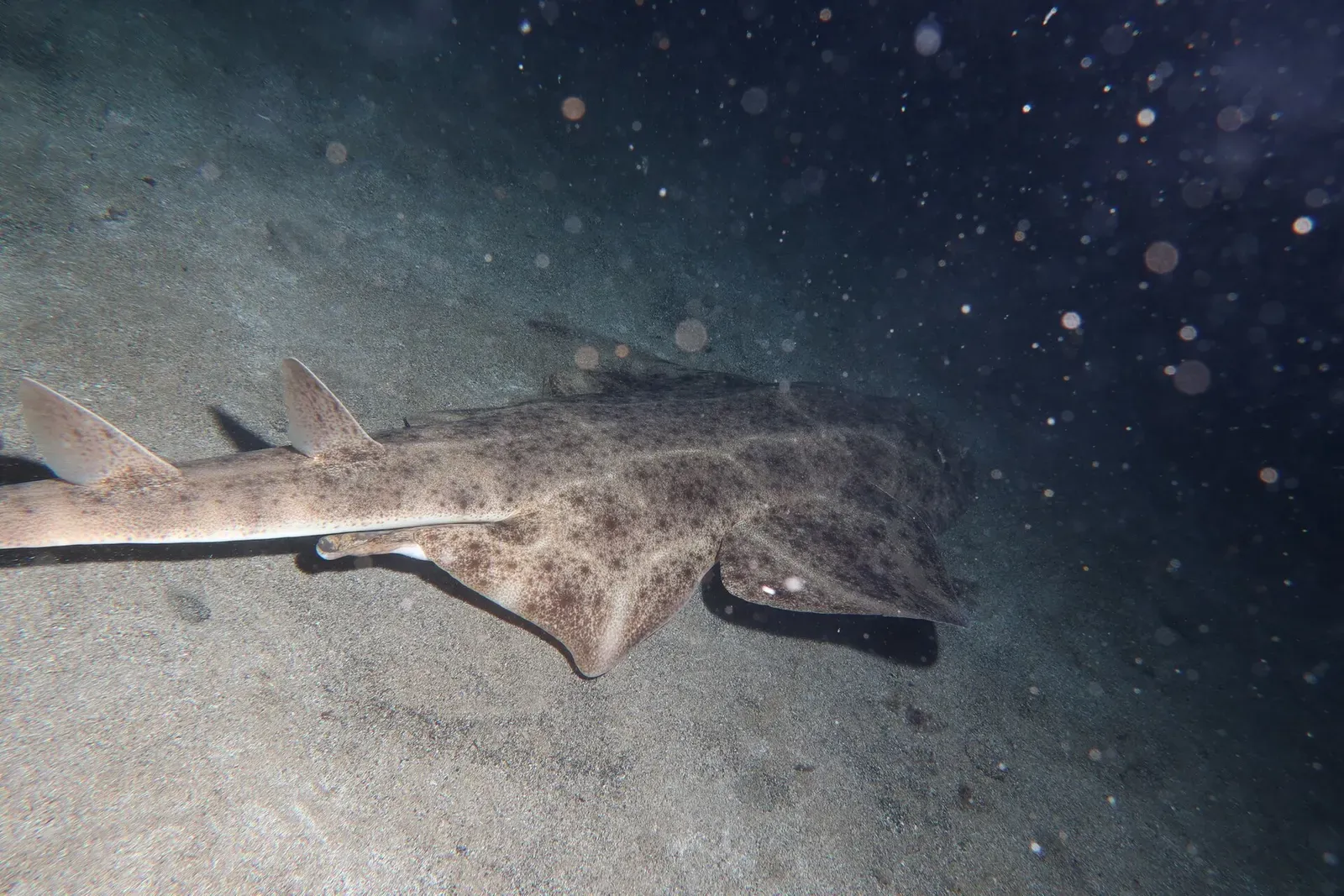
Three hundred concrete figures stand at 14 m in Europe's underwater museum
Atlantic
Algarve — Ocean Revival
Portugal
Four Portuguese Navy ships scuttled together on one sand plain