East Asia · Japan
Kushimoto
The world's northernmost table coral reef, growing at 33° north
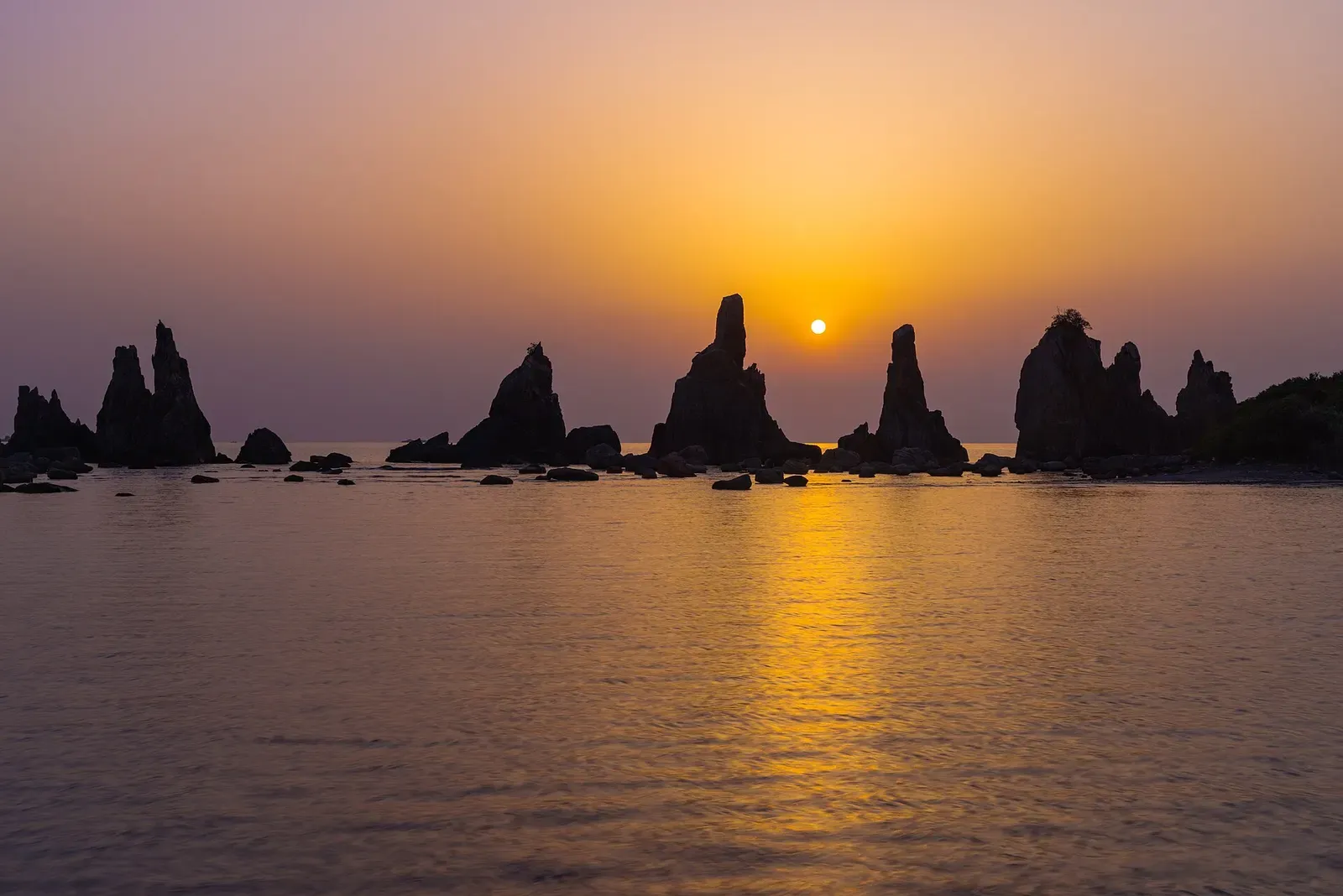
Photo: Yudai_photography · CC BY 4.0
Kushimoto sits at the southern tip of the Kii Peninsula, where the Kuroshio brushes the coast and supports the northernmost table coral community on earth — a Ramsar-listed reef growing at 33° north, further from the equator than any other. Divers come partly for the oddity of hard coral in temperate Japan and partly for the macro, which is exceptional: the same current that carries the coral larvae delivers a steady supply of tropical strays that cannot survive the winter.
About diving in Kushimoto
A day here is built around short boat runs. Shops in Kushimoto and the fishing harbours either side put small local boats on the water and reach most points in minutes, so groups come back in between dives rather than sitting out a long surface interval offshore. Two tanks before lunch is the normal rhythm, and a third dive or a night dive is easy to add because nothing is far away. When the sea is flat a few of the shallower points can be walked in off the rocks. Guiding is led-group and Japanese-language first; shops set up for overseas divers tend to say so up front.
The ground underwater is rock rather than reef flat: boulder aprons, low ridges and pinnacle tops, with sand and rubble collecting between them. Hard coral holds in the bright shallows on the sheltered side, growing in overlapping plates that thin out as the bottom steps away. On the headlands the Kuroshio makes itself felt, so the morning's site choice is often a question of which point is workable rather than what anyone would like to see. Depths stay modest throughout, which is part of why three dives in a day stays comfortable.
The diving is slow and close-focus. Guides work a small patch of ground rather than covering distance, and much of a dive goes on hovering over one coral head or one rubble patch while something a fingernail across is pointed out. Photography habits follow from that: macro rigs outnumber wide-angle, and dives are often planned around a subject someone found the day before. The cold months are quieter and the water longer-sighted, so shops keep working through winter on a thinner slate of resident critters.
It suits divers who would rather look than cover ground, and it takes mixed groups well: a newer diver and a photographer can work the same point, with the guide doing the finding. Anyone after big animals, depth or long drifts should look elsewhere. It also folds into a wider Kii Peninsula trip, since the Kumano Kodo pilgrimage trails, Nachi Falls and the coastal onsen towns are all within driving distance of the same base, which helps when non-divers come along.
When to dive Kushimoto
| Jan | Feb | Mar | Apr | May | Jun | Jul | Aug | Sep | Oct | Nov | Dec |
|---|---|---|---|---|---|---|---|---|---|---|---|
| Fair | Fair | Fair | Good | Good | Good | Prime | Prime | Prime | Prime | Good | Fair |
Jul–Oct is warmest with the widest range of tropical strays; winter drops to 16°C but gives the clearest water on the reef.
Getting there
Most divers ride the limited express down the JR Kisei line from Shin-Osaka, or drive the peninsula; coming from Nagoya usually means a change on the way round. Nanki-Shirahama, up the coast to the north, is the nearest airport. Base in Kushimoto town itself and dive from short day-boats or shore entries; a car helps but is not essential.
Wildlife calendar
Tropical strays arrive on the current through the prime July-to-October stretch, mostly juvenile butterflyfish, damsels and angelfish parked on the coral heads, and that is also when the reef fish schools are thickest. Turtles turn up over the coral through much of the year, cuttlefish and octopus around spring, and nudibranchs and frogfish stay findable in the cool, clear months at either end.
Dive types & marine life
- Reef
- Coral garden
- Muck & macro
- Night
- Wall
- Pristine corals
- Nudibranchs
- Macro critters
- Frogfish
- Reef fish swarms
- Octopus & cuttlefish
- Sea turtles
Notable dive sites in Kushimoto
Kushimoto Marine Park
Ramsar-listed table coral community in 8–18 m, the area's signature.
Sumisaki
Rock and coral point at 10–25 m, the most-dived site for macro.
Bizen
Boulder field with soft coral and a long list of seasonal critters.
Andonohana
Exposed point with current, table coral and schooling fish at 20 m.
Dive videos
ファンダイビング@串本(和歌山:串本町) ダイブNo.350、351 4K · モグリChannel on YouTube
Photo credits
- Sunrise silhouettes the jagged sea-stack line of Hashigui-iwa off Kushimoto's coast. by Yudai_photography, CC BY 4.0, via Wikimedia Commons
Similar destinations
East Asia
Amami Ōshima
Japan
Pufferfish sculpt two-metre geometric nests into the sand at 25 m
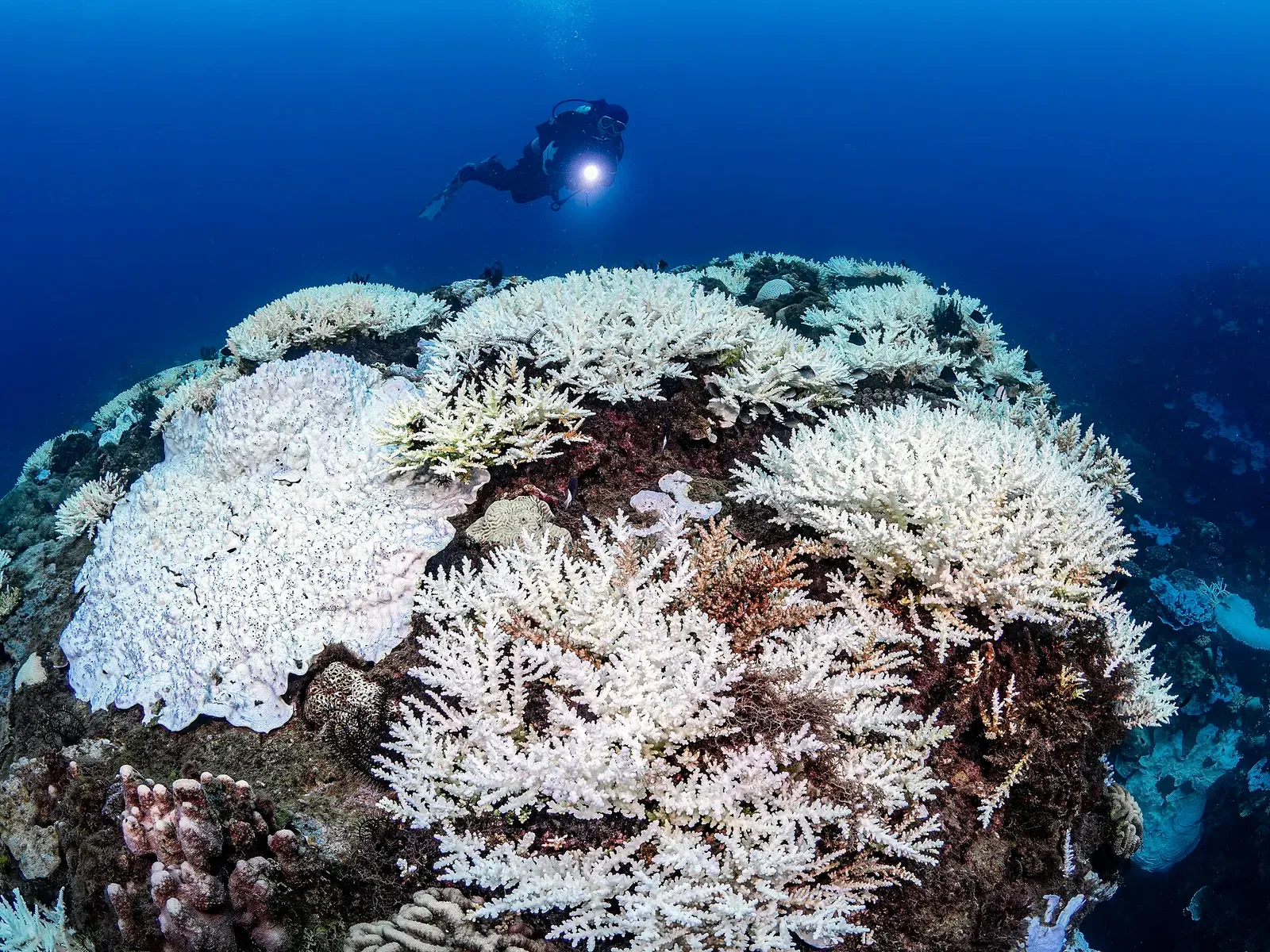
Shore-entry coral slopes at the warm southern tip of Taiwan
East Asia
Japan's most-dived site, a limestone cavern lit blue from below
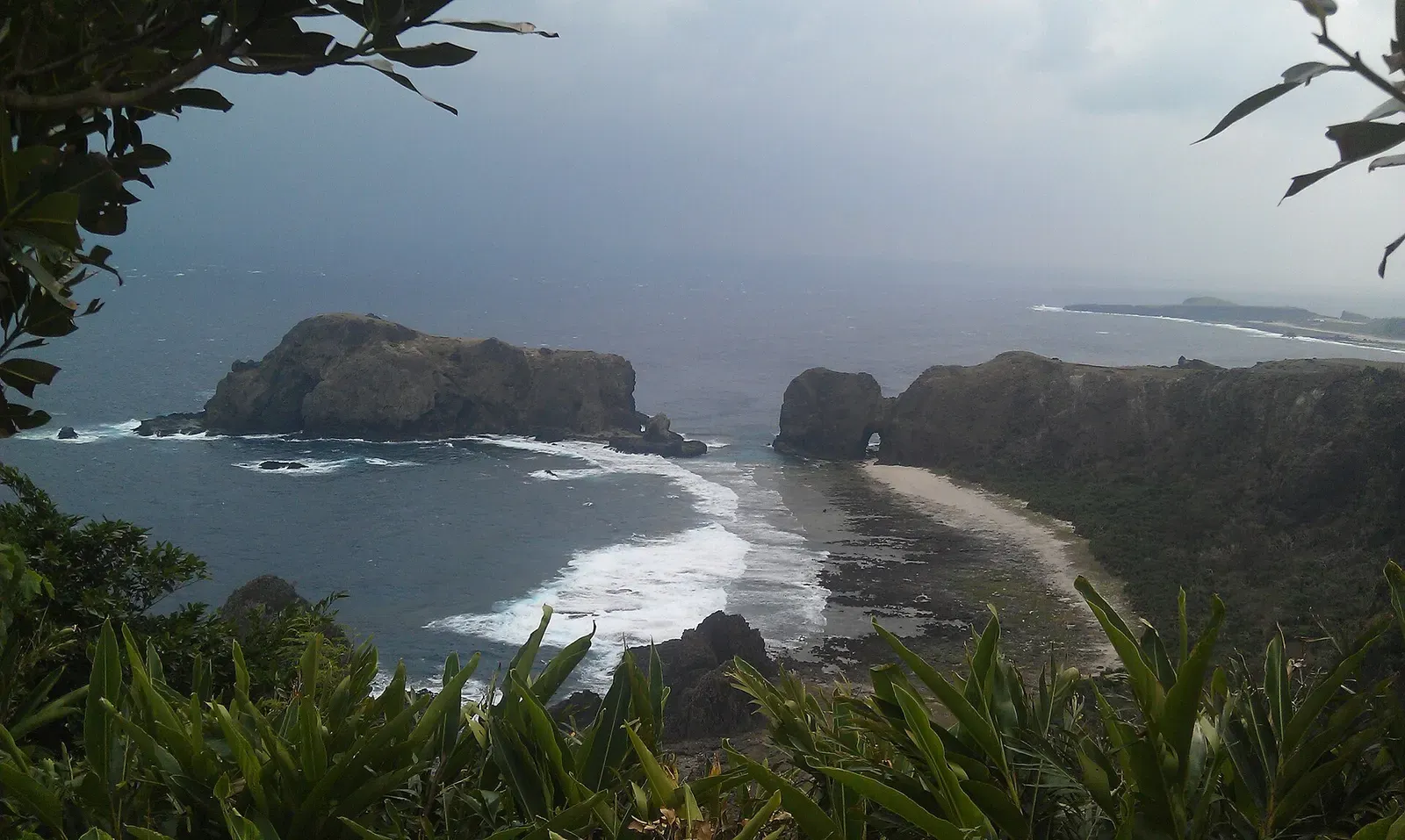

Kuroshio-fed reefs with resident green turtles off Taiwan's volcanic isle