Australia & New Zealand · Australia
Neptune Islands
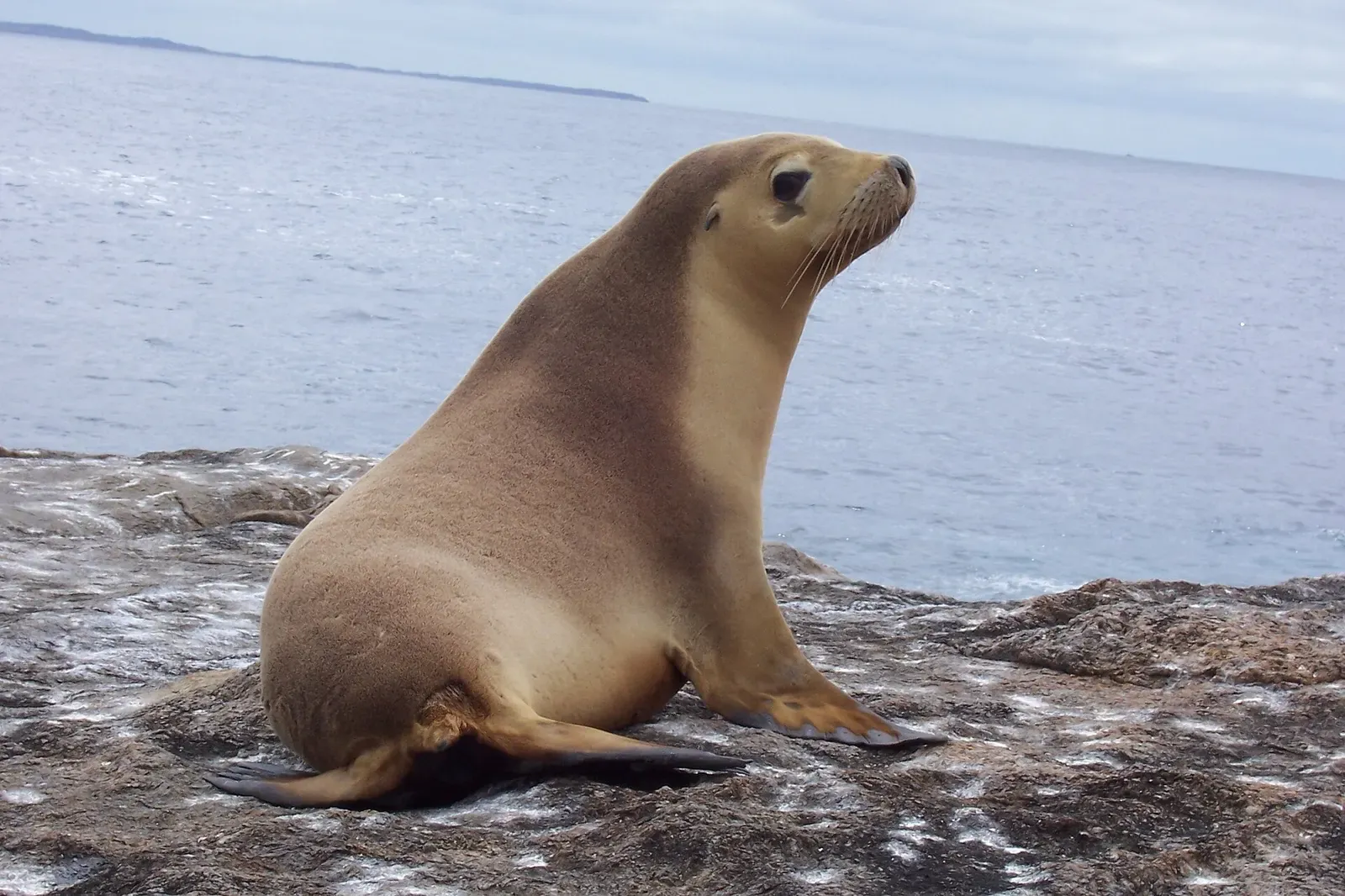
Cage dive with great white sharks over a resident Australian sea lion colony.
Photo: Bmh ca · CC BY-SA 3.0
The Neptune Islands, a pair of granite island groups off the tip of South Australia's Eyre Peninsula, host one of the world's largest Australian sea lion breeding colonies and sit on a great white shark aggregation ground. Multi-day charters from Port Lincoln run surface and bottom cage dives among the sharks, while calmer days allow uncaged snorkeling with the resident sea lion colony at nearby sheltered bays.
About diving in Neptune Islands
The day is mostly deck time. Boats leave Port Lincoln early and cross roughly 70 km of open Southern Ocean, so the run out takes a couple of hours and is often lumpy enough to matter. Once the boat is holding in the lee, the crew set a berley trail and work a bait line off the stern, and then everyone waits. Cage rotations are short, and the crew move people in and out around whatever the sharks are doing rather than to a fixed timetable, so the day is long stretches watching the water broken by sudden turns in the cage.
There are two quite different ways to do it. The surface cage hangs off the transom with your head at the waterline and runs on hookah air piped down from the boat rather than tanks; the swell works the cage the whole time you are in it, and sharks come up the bait line from behind and pass close along the bars. The bottom cage is winched down to the seabed instead, roughly 20 m under, which puts you level with the animals against sand and reef rather than squinting down through surface glare. Not every operator runs one.
It is worth being clear that this is not conventional diving. You do not leave the cage while sharks are working the boat, there is no buoyancy to manage and no site to explore, and the water is cold enough that hoods and thick suits are standard even in the warm months. Visibility swings with wind and plankton. Cage work here is a licensed activity run by a small number of permitted operators, the island group sits inside a marine park, and nobody goes ashore, so the whole trip is boat, bars and water.
That makes it a strange fit for some divers and a good one for others. Anyone who came for reef, structure or a long relaxed bottom time will be frustrated; it works for people chasing one animal, and for photographers willing to shoot wide through bars and wait out the light. A day trip gets you there and back in one go, while multi-day charters buy more attempts at the same waiting game, which is the sensible choice if you have travelled a long way for it. Some trips also add an uncaged sea lion snorkel at a sheltered bay when conditions allow.
When to dive Neptune Islands
| Jan | Feb | Mar | Apr | May | Jun | Jul | Aug | Sep | Oct | Nov | Dec |
|---|---|---|---|---|---|---|---|---|---|---|---|
| Good | Good | Good | Good | Fair | Fair | Fair | Fair | Good | Good | Good | Good |
Great white sharks are sighted around the islands year-round with no sharply defined peak; winter swell in the Southern Ocean crossing makes trips rougher Jun–Aug.
Getting there
Port Lincoln is the base for all of it, reached on a short flight from Adelaide or a long drive around Spencer Gulf. Boats leave the marina early and the crossing takes a couple of hours each way, so a day trip is a full day; multi-day charters sleep aboard and get more hours at the islands. Landings on the islands themselves are not part of any trip.
Wildlife calendar
Great whites are the reason to come, and they are around year-round with no sharply defined peak, so it comes down to the day you draw. Fur seals and Australian sea lions hold at the island colonies, and tuna and dolphins turn up around the boat. The mid-year ratings drop for swell on the crossing rather than for fewer sharks; operators work a berley trail, not a season, and nothing is guaranteed.
Dive types & marine life
- Pelagic & blue water
- Reef
- Great whites
- Seals & sea lions
- Tuna
- Dolphins
Notable dive sites in Neptune Islands
North Neptune Islands
Primary cage-diving ground and the main great white aggregation site.
South Neptune Islands
Southern island group with the Australian sea lion breeding colony.
Thorny Passage
Tidal channel toward the mainland known for strong currents and sharks.
Dive videos
Great White Shark cage dive // Australia · Jselfe on YouTube
Great White Shark Cage Diving - Neptune Islands, Australia · Nathan Busscher on YouTube
Photo credits
- Australian sea lion resting on a granite rock outcrop at North Neptune Island, South Australia by Bmh ca, CC BY-SA 3.0, via Wikimedia Commons
Similar destinations
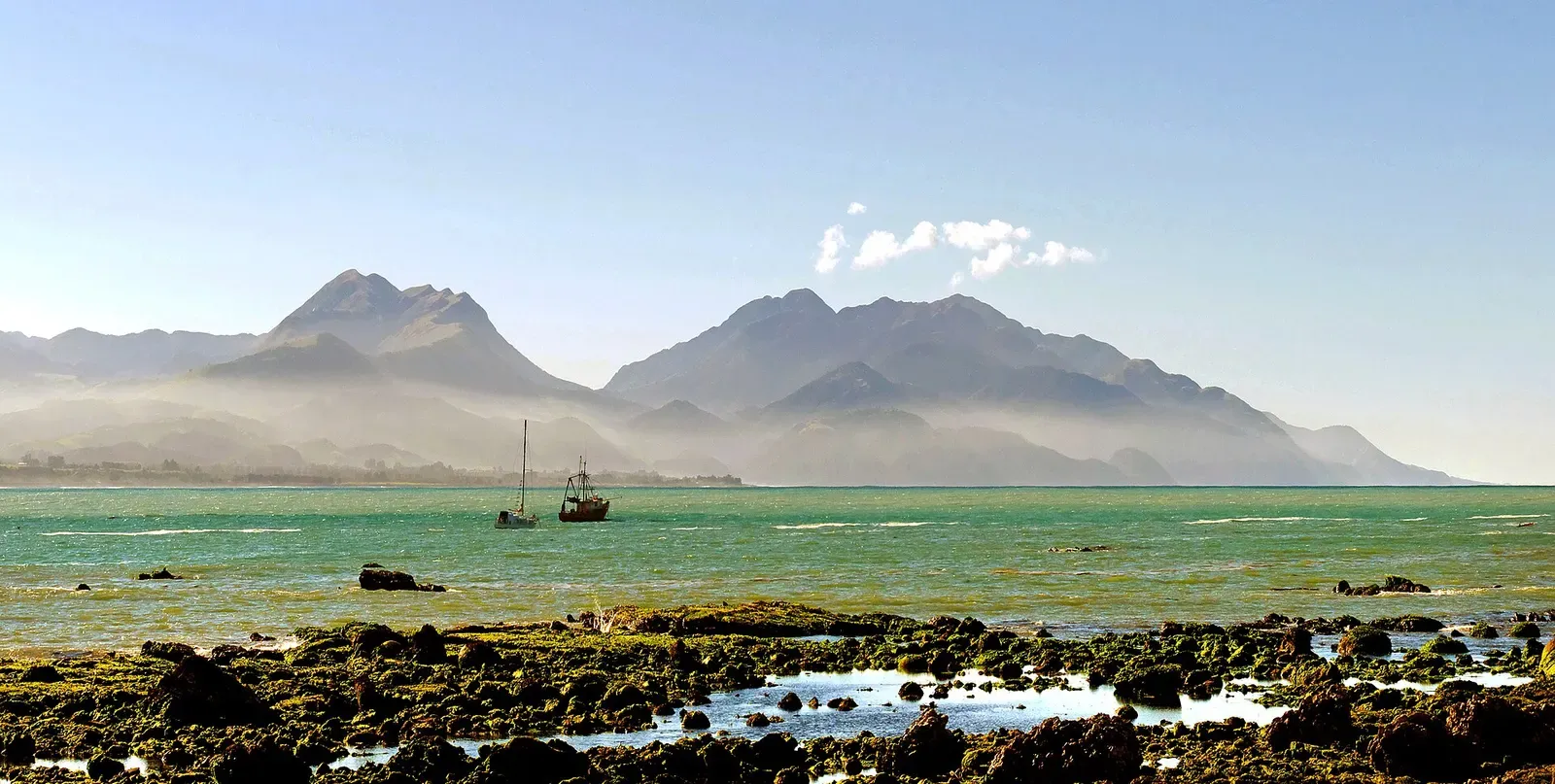
A thousand-metre canyon reaches to within metres of the shore
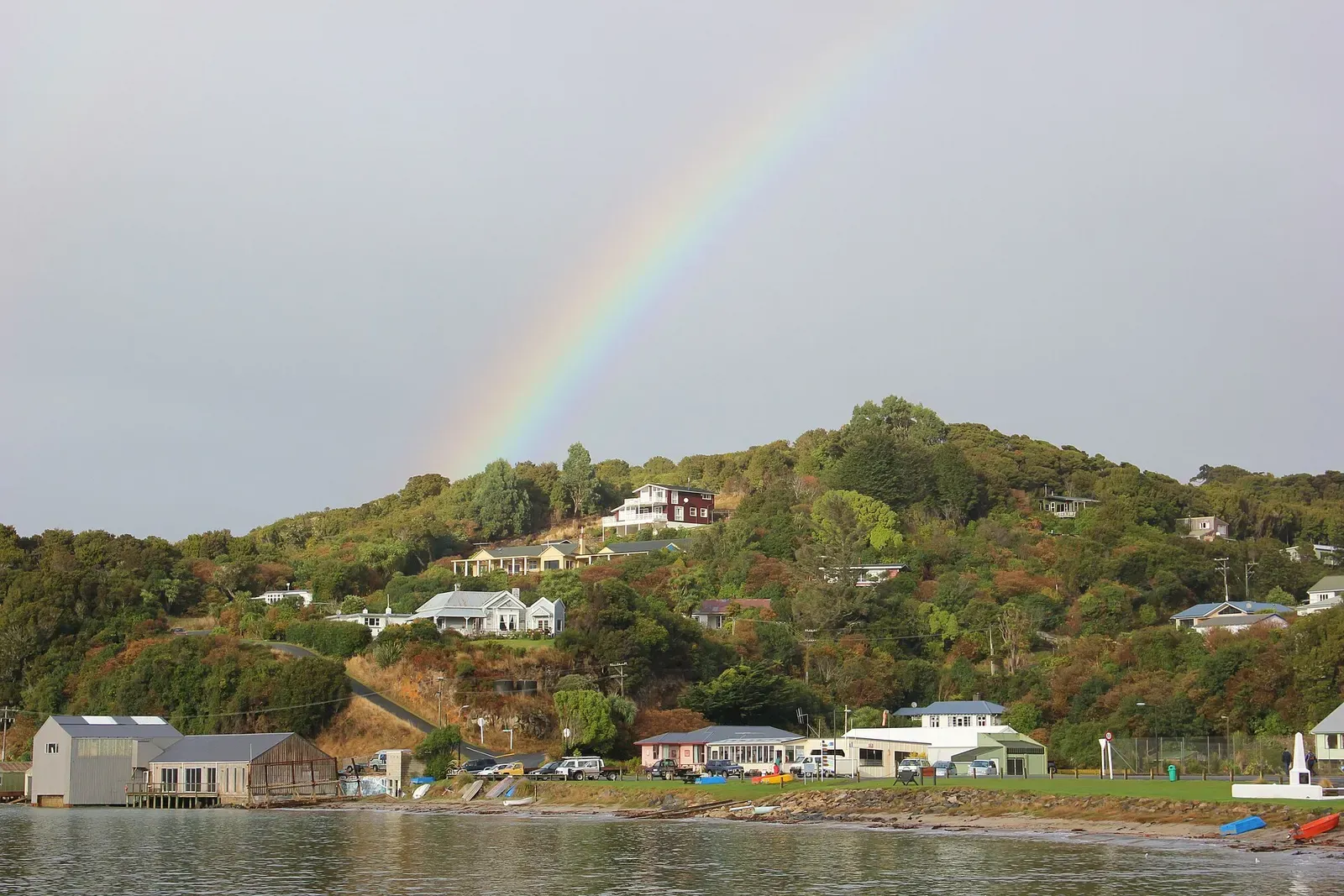
Great whites in the Foveaux Strait, cage-dived under permit at 47° south
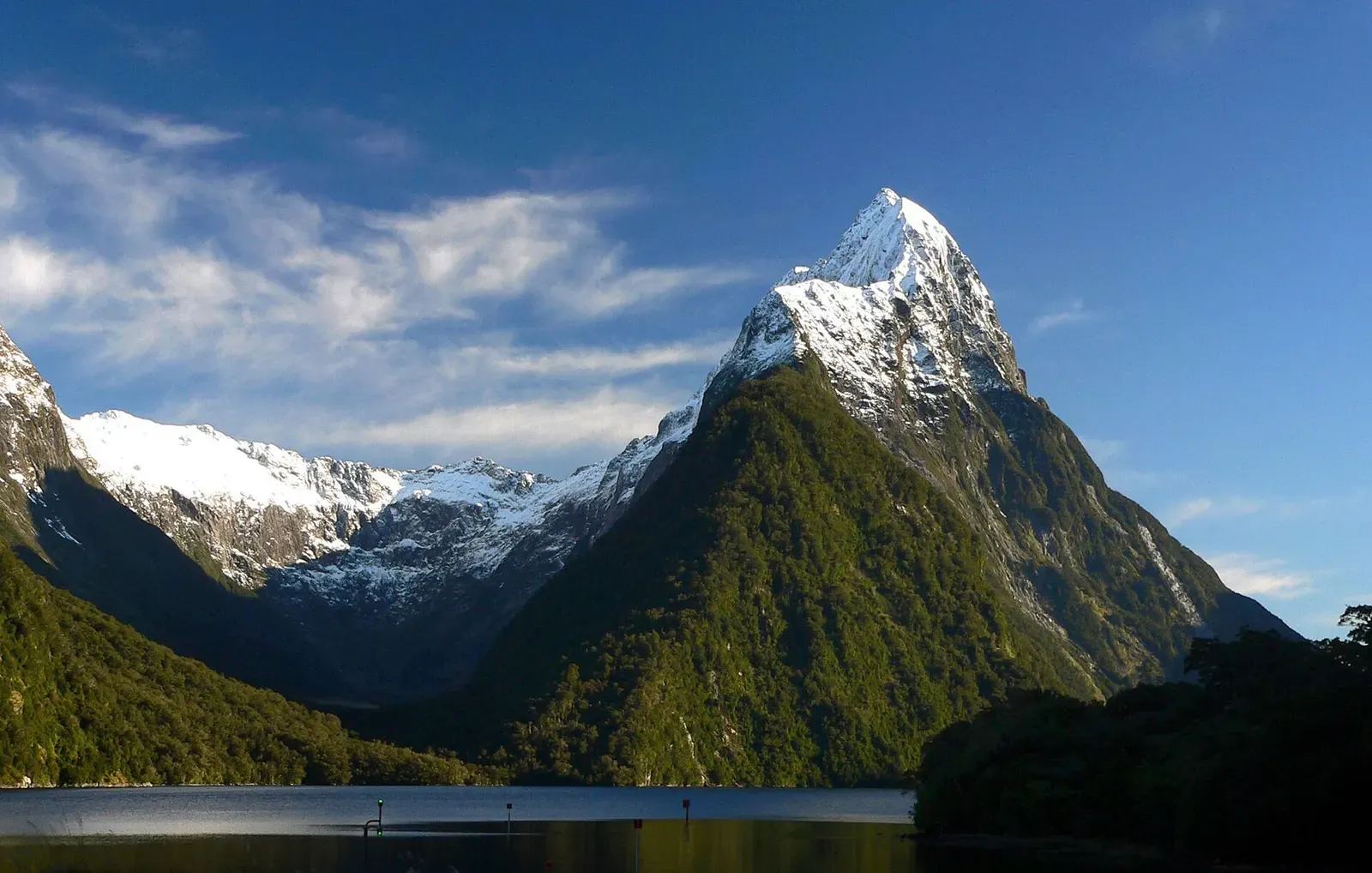
Tannin-darkened water tricks deep-water black coral into growing at diveable depths.
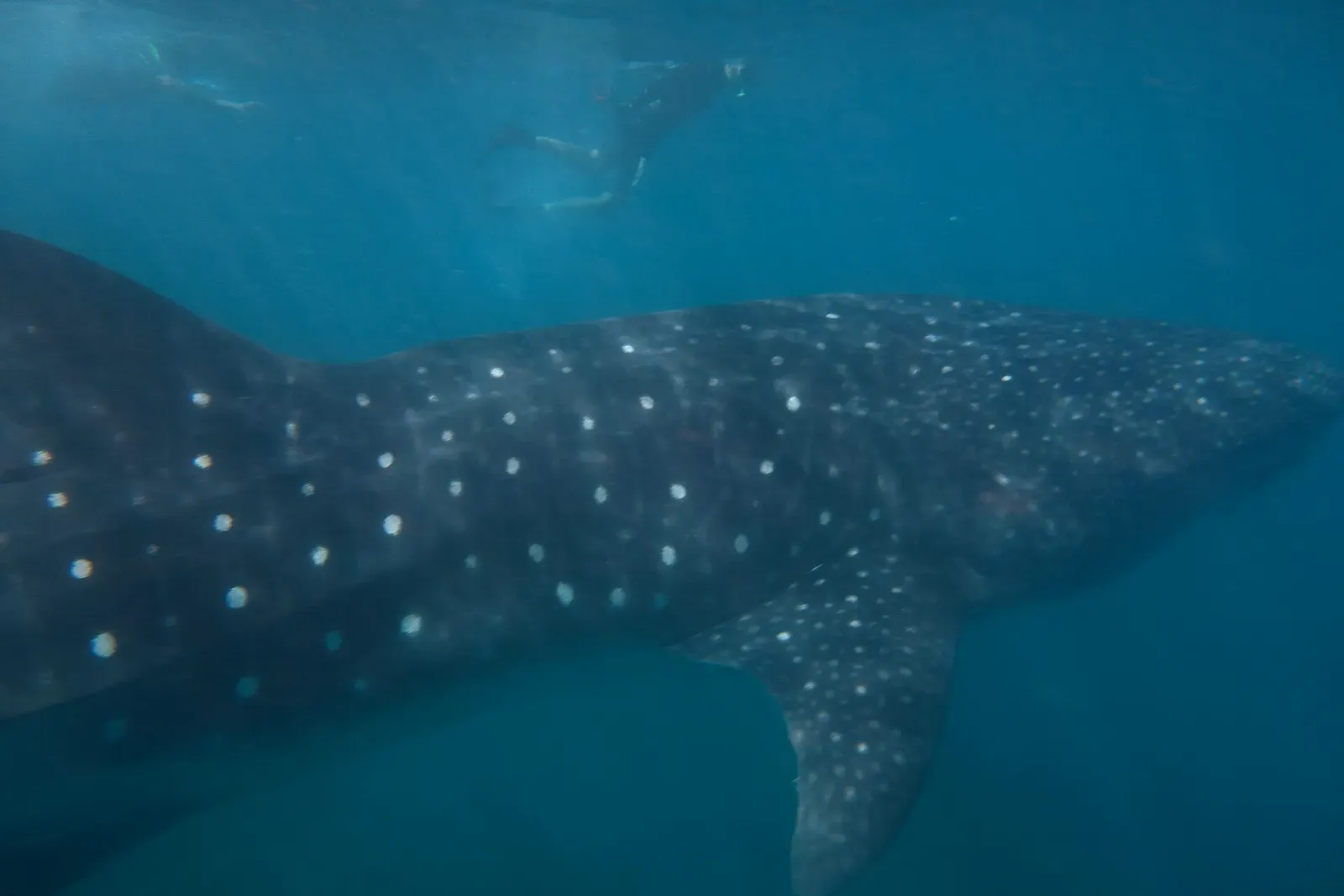

Whale sharks gather along the reef edge every autumn after coral spawning.