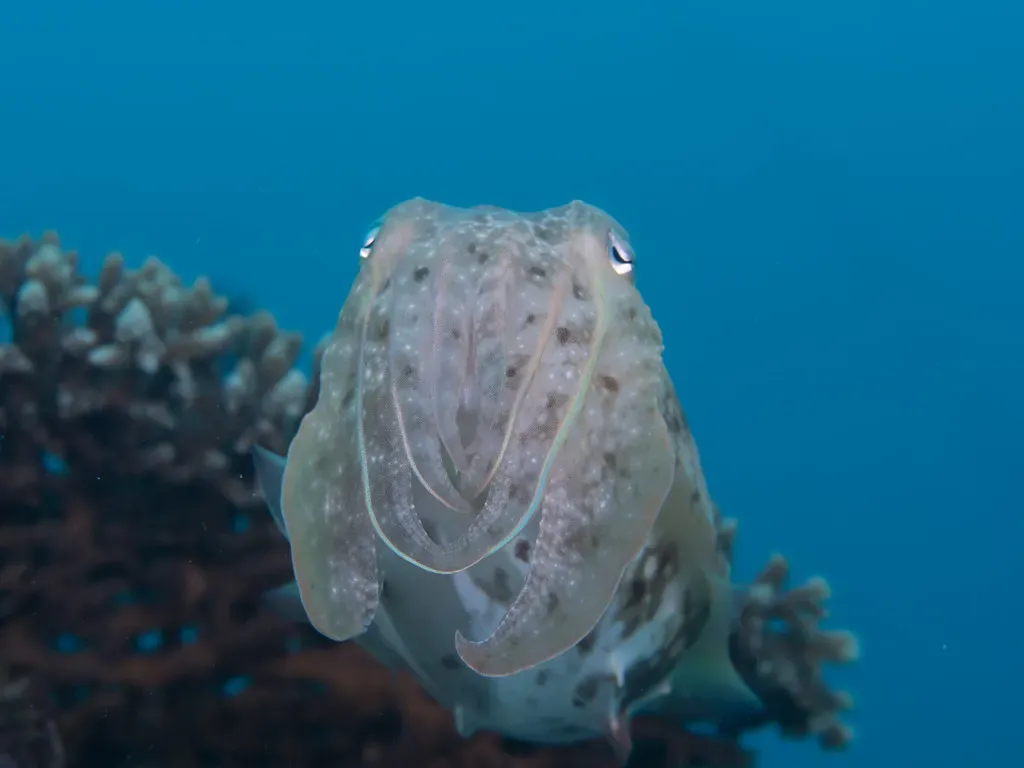
Coral Triangle · Philippines
Romblon
New species are described from these slopes with unusual regularity
Photo: krokodiver · CC BY 2.0
Romblon is a small marble-quarrying island in the middle of the Philippines that has quietly become one of the most productive critter destinations anywhere. Species new to science are described from its slopes with unusual regularity, and the local list reads like a photographer's want-list: hairy frogfish, blue-ringed octopus, Melibe, several rhinopias and a string of undescribed nudibranchs. Visibility is often mediocre and nobody minds, because nothing here is more than a metre away.
About diving in Romblon
A day here is short on travel and long on water time. Centres run three or four dives, most of them a short outrigger hop to the neighbouring islets or a walk in from the beach, and the dives are slow: guides work a narrow band of slope back and forth with a pointer, and groups stay shallow enough that gas or bottom time, rather than depth, ends the dive. Cameras set the pace, and it is normal for a group to spread across ten metres of sand for the whole hour.
The ground itself varies more than the reputation suggests. Sheltered channels between the islands hold firm dark sand with sponge, whip coral and rubble patches; other slopes are soft silt where one careless fin stroke ends the sighting for everyone behind you; and a few sites break into short coral walls with fans. Current is mild enough that sites are dived on any tide and repeated whenever a guide thinks something has moved in, which is a large part of why the odd animals keep surfacing.
It suits photographers, and divers who have already worked out that finding things is a skill rather than luck, and anyone happy to stay put for a week instead of touring. Guides here dive the same slopes daily and track individual animals between dives, which is the actual product being sold. Divers who want big animals, blue water or a lot to do above the surface will find the week thin; the island is quiet, and the diving is the whole reason to be on it.
When to dive Romblon
| Jan | Feb | Mar | Apr | May | Jun | Jul | Aug | Sep | Oct | Nov | Dec |
|---|---|---|---|---|---|---|---|---|---|---|---|
| Prime | Prime | Prime | Prime | Good | Good | Fair | Fair | Fair | Good | Prime | Prime |
Nov–Jun is the settled season; typhoons and the south-west monsoon make Jul–Oct unreliable for the boat crossing.
Getting there
Romblon town is the base, with dive operations on the beaches either side of it. Access is by sea: overnight ferries from Batangas, or a flight to Tablas Island then a road transfer and a short inter-island crossing. Schedules thin out in rough weather, so leave a spare day at each end rather than connecting tightly to a long-haul flight.
Wildlife calendar
Frogfish, nudibranchs, octopus, cuttlefish and squid hold on the slopes year-round, mandarinfish come up out of shallow rubble at dusk, and pygmy seahorses sit on gorgonians further down. Nov to Jun is the settled stretch and the most dependable for the boat sites; Jul to Oct is patchier, though the shore slopes stay divable through it.
Dive types & marine life
- Muck & macro
- Reef
- Night
- Wall
- Macro critters
- Nudibranchs
- Frogfish
- Octopus & cuttlefish
- Pygmy seahorses
- Mandarinfish
- Squid
- Reef fish swarms
Notable dive sites in Romblon
Blue Hole
Sand and rubble slope beside a small hole, the island's signature muck site.
Lugbung Island
Islet with a coral slope and sand patches holding rhinopias.
Alad Island
Sheltered channel site, reliable for frogfish and blue-ringed octopus.
Talipasak
Shore-entry black-sand slope, the usual night dive for mandarinfish.
Photos from Romblon
Rickard Zerpe · CC BY 2.0
Rickard Zerpe · CC BY-SA 2.0
Rickard Zerpe · CC BY-SA 2.0
krokodiver · CC BY 2.0
Dive videos
Rolling in the Deep - #24 - Romblon · OceanShutter on YouTube
Macro diving in Romblon - Philippines, July 2024. Hidden gem on the planet. · kay blue on YouTube
Photo credits
- A broadclub cuttlefish hovers face-on beside a coral head off Romblon. by krokodiver, CC BY 2.0, via Openverse
- A tiny sashimi shrimp perches on white sand on Romblon's muck slopes. by Rickard Zerpe, CC BY 2.0, via Wikimedia Commons
- A Pontoh's pygmy seahorse clings to a sea whip off Romblon. by Rickard Zerpe, CC BY-SA 2.0, via Wikimedia Commons
- A pair of blue-and-black Chromodoris lochi nudibranchs on the reef. by Rickard Zerpe, CC BY-SA 2.0, via Wikimedia Commons
- A day octopus peers out from a crevice in the reef off Romblon. by krokodiver, CC BY 2.0, via Openverse
Similar destinations
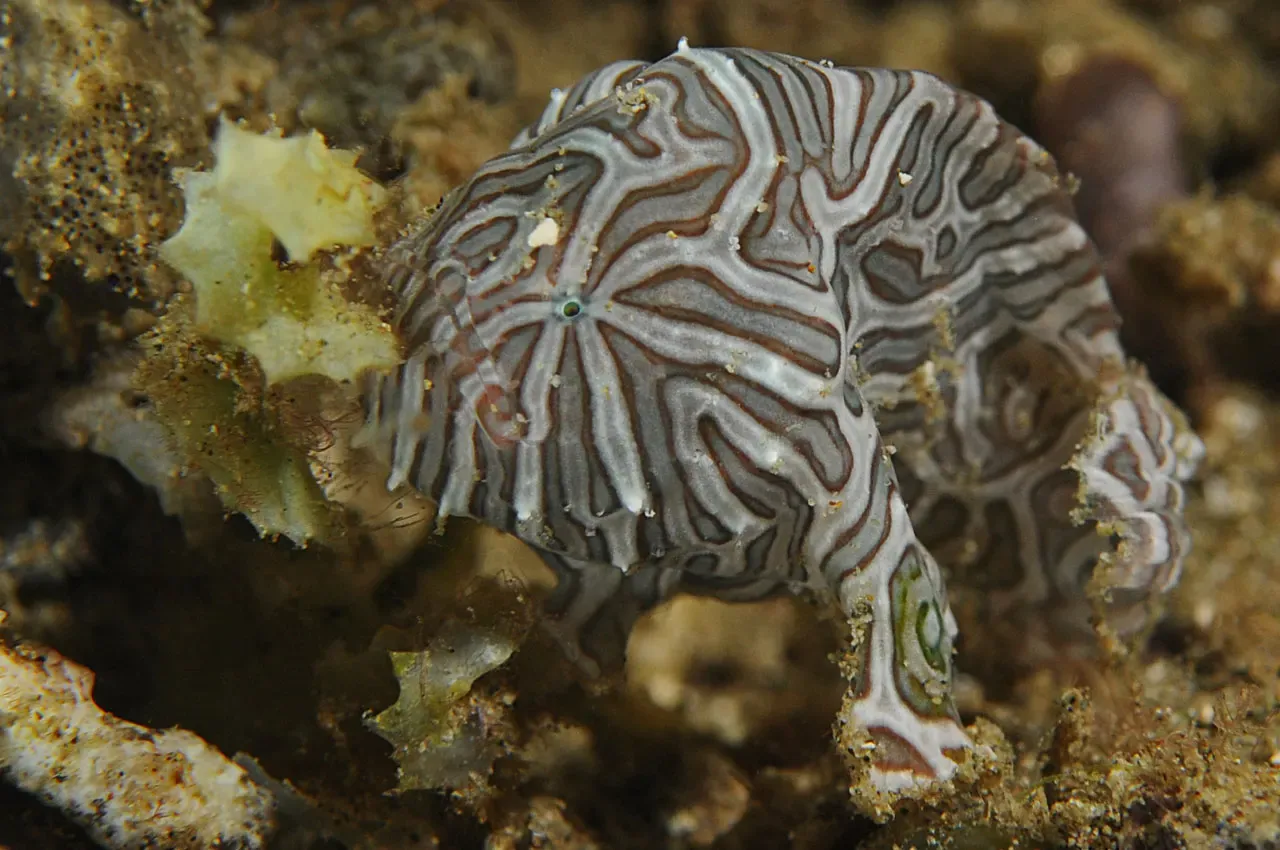
The endemic psychedelic frogfish lives on Ambon's harbour slopes
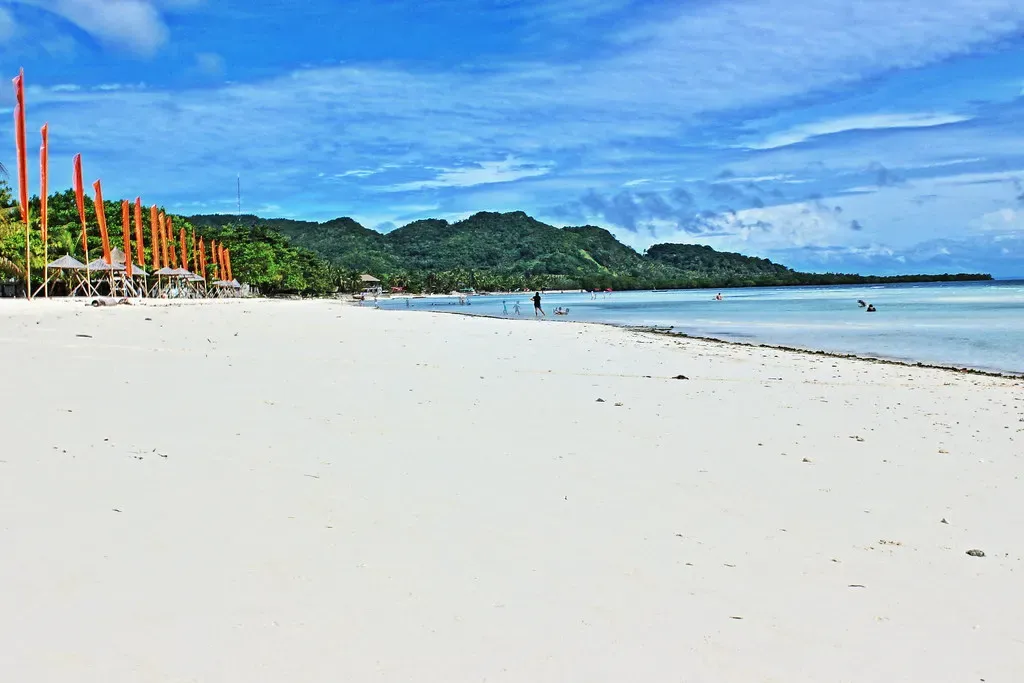
A limestone wall the length of the coast, dived by almost nobody
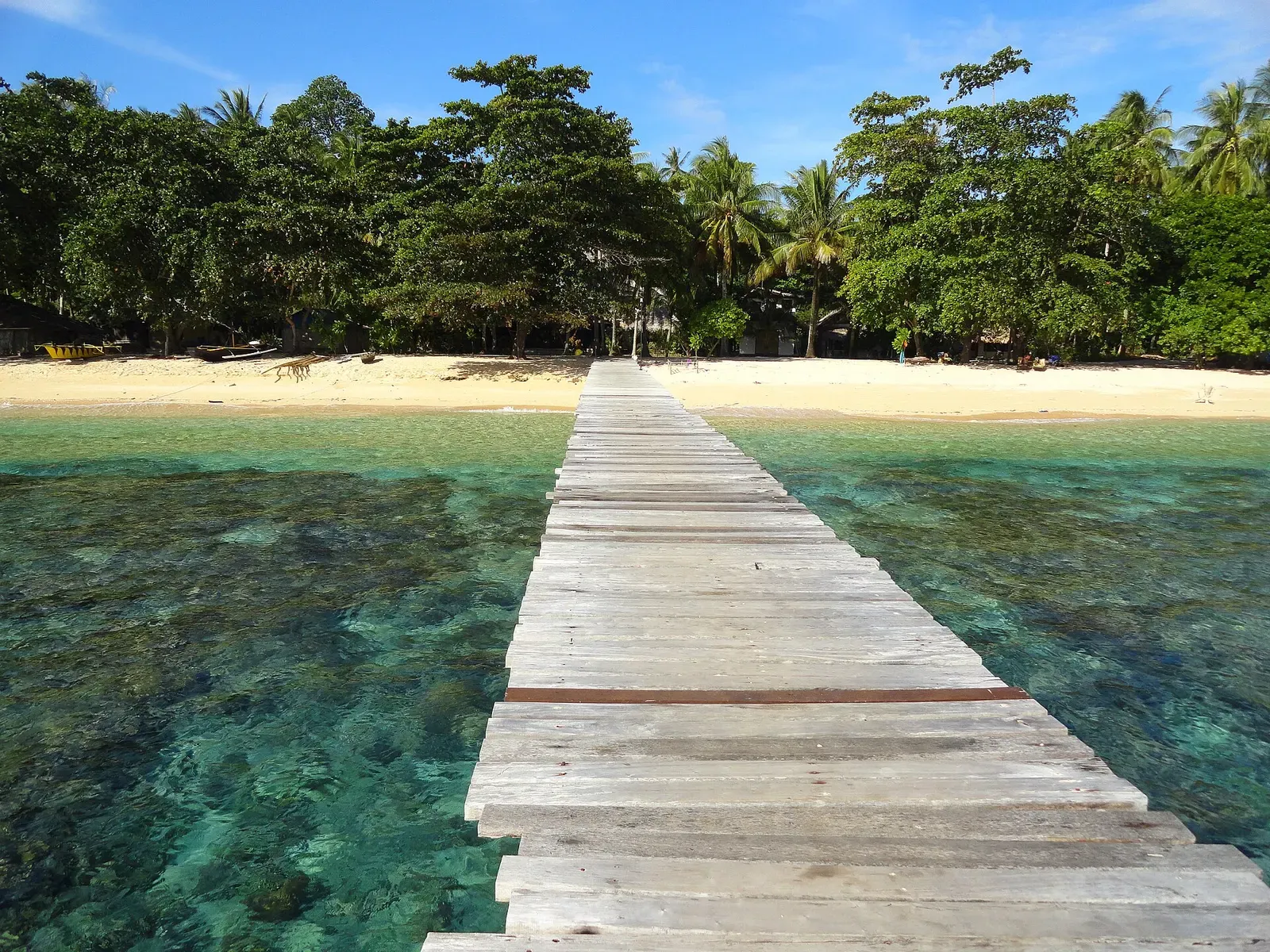
Soft coral grows so thick on Sahaung's pinnacles the rock disappears
.jpg)
_(27867690151).jpg)
.jpg)
Shore-accessible walls from 5 m into blue, dived one boat at a time