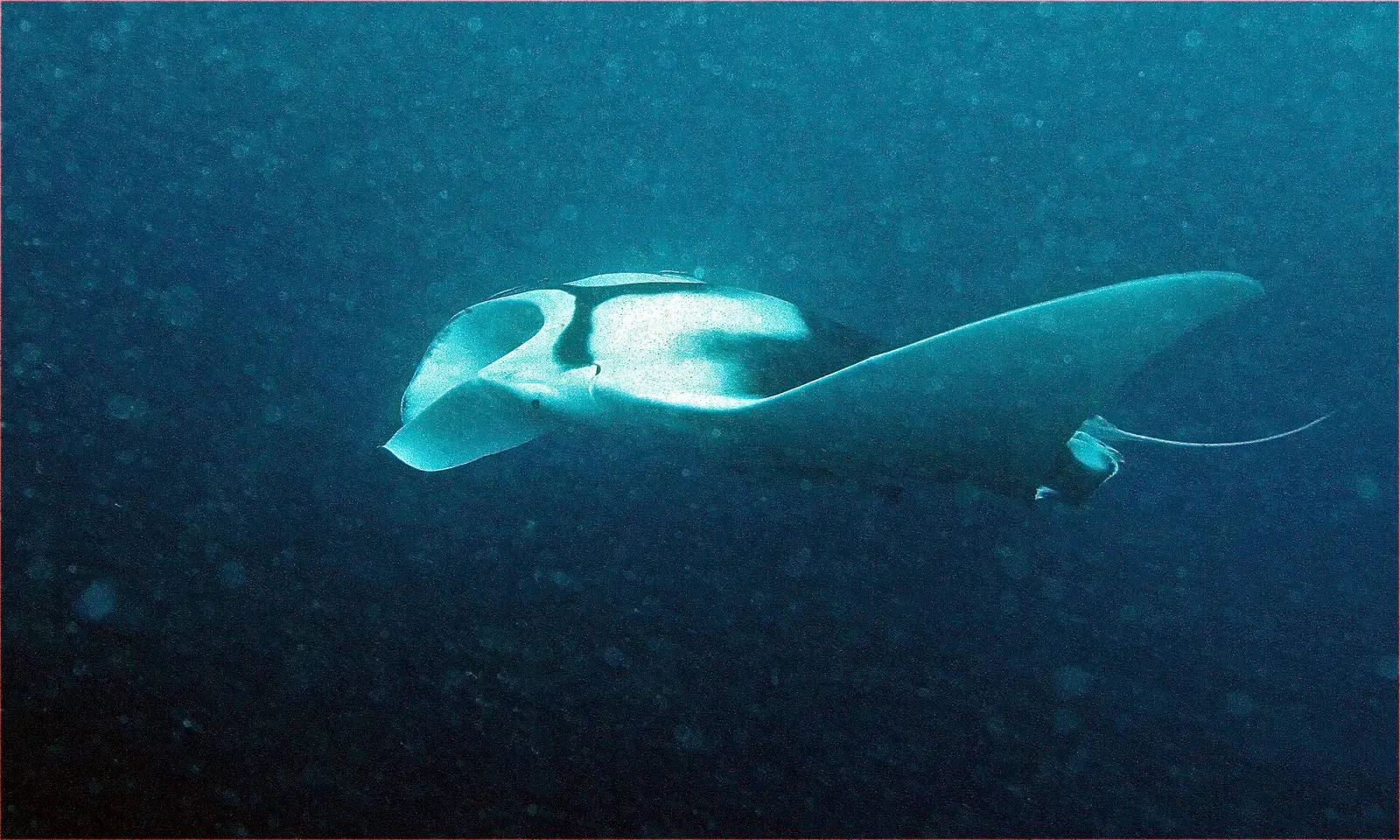
Coral Triangle · Malaysia
Sipadan
A tornado of barracuda spirals over a wall dropping straight from the beach.
Photo: Bernard DUPONT from FRANCE · CC BY-SA 2.0
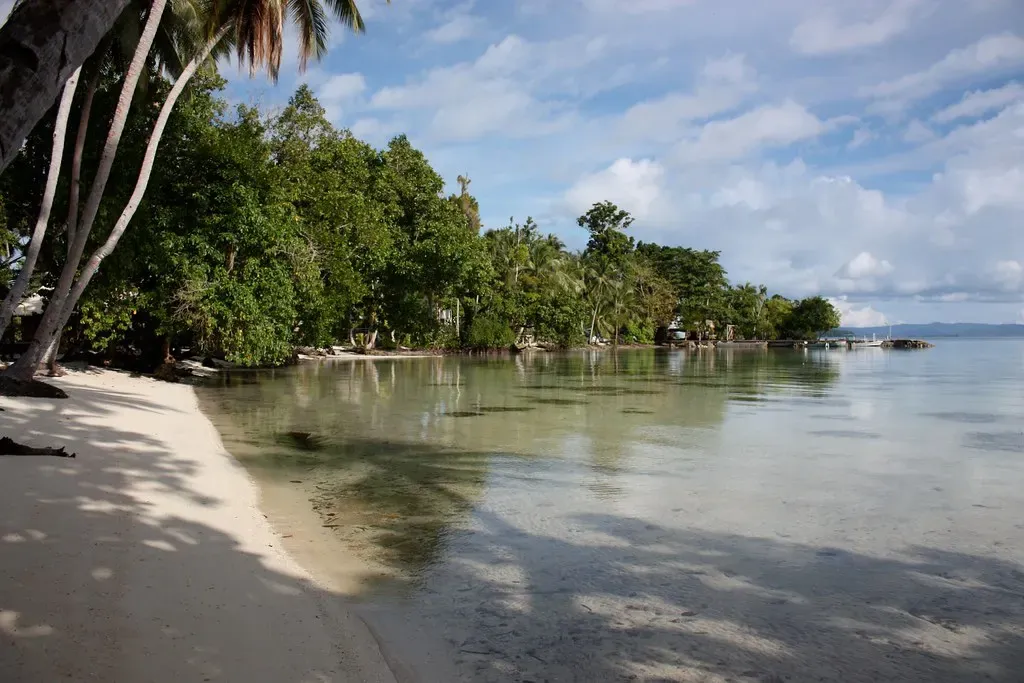
Sipadan, Malaysia's only oceanic island, rises from a 600-meter coral pinnacle off the coast of Borneo, its walls dropping straight into open water within meters of the beach. Barracuda Point is famous for a spiraling tornado of chevron barracuda, while Turtle Tomb is an underwater cavern where green and hawksbill turtles have become disoriented and died over centuries, leaving skeletal remains. A daily permit system caps visitor numbers to protect the reef.
About diving in Sipadan
Nobody sleeps on Sipadan. The resorts were cleared off the island in the mid-2000s and it now holds a jetty, a ranger station and a security post, so everyone dives it as a day trip from Mabul, Kapalai or Semporna. That shapes the whole week: boats leave early, each operator works to a fixed daily allocation of permits, and most divers get one or two island days out of a longer trip. Three dives, surface intervals on the beach or aboard, then the run back, with the remaining days spent on the reef and muck sites closer to the mainland.
Everything at Sipadan happens at an edge. The reef flat around the island ends abruptly and the wall goes, so there is no slope to ease down and depth becomes a decision rather than something the topography hands you, which puts more weight on buoyancy and gas planning than a sloping reef would. Sites differ mainly by what the water is doing. Corners and points accelerate the current and concentrate schooling fish, while the sheltered stretches are slow swims past sea fans and coral heads with turtles resting under overhangs.
The set pieces are what people book for. On the exposed corners you tuck in against the wall while barracuda wheel overhead in a slow column and jacks pack in tight below them, with sharks working the outside of it. The cavern in the drop-off is a different kind of dive and a sober one; the skeletal remains inside are usually explained as animals that swam in and could not find the way out, though that account is repeated far more often than it is tested. Most divers look in from the mouth, and anything past the entrance is guided and restricted rather than casual.
It rewards divers who are comfortable being moved around. Nothing here is technical, but moving water is normal and ease in it decides whether you watch a school or chase it. Turtles are so constant that people stop pointing them out by the second dive, which makes the island oddly restful between the set-piece corners. Diving runs all year, and March to September is the strongest run of months, which is also when island days need arranging furthest ahead.
When to dive Sipadan
| Jan | Feb | Mar | Apr | May | Jun | Jul | Aug | Sep | Oct | Nov | Dec |
|---|---|---|---|---|---|---|---|---|---|---|---|
| Good | Good | Prime | Prime | Prime | Prime | Prime | Prime | Prime | Good | Fair | Fair |
Diveable year-round; a slight dip in visibility can occur during the November–February monsoon.
Getting there
Fly to Tawau on Sabah's east coast via Kuala Lumpur or Kota Kinabalu, then transfer by road to Semporna and on by boat. Beds are on Mabul, Kapalai or in Semporna, and Sipadan permits are allocated through those bookings rather than sold separately, so accommodation and island days have to be arranged together and well ahead.
Wildlife calendar
Green and hawksbill turtles show on essentially every dive, year-round, alongside napoleon wrasse and grouper holding station on the wall. Chevron barracuda and bigeye trevally school through the year, and the March-to-September window is about sea state and visibility rather than the fish. Whitetip reef sharks patrol the corners and sandy shallows, with greys further down the wall.
Dive types & marine life
- Wall
- Drift
- Reef
- Cave & cavern
- Sea turtles
- Barracuda
- Trevally & jacks
- Reef sharks
- Napoleon wrasse
- Groupers
Notable dive sites in Sipadan
Barracuda Point
Wall dive famous for a spiraling tornado of chevron barracuda.
Turtle Tomb
Underwater cavern holding the remains of long-trapped turtles.
South Point
Current-exposed wall known for schooling jacks and sharks.
Hanging Gardens
Wall draped in soft coral and gorgonian fans.
Photos from Sipadan
Bernard DUPONT from FRANCE · CC BY-SA 2.0
Bernard DUPONT from FRANCE · CC BY-SA 2.0
Bernard DUPONT from FRANCE · CC BY-SA 2.0
Bernard DUPONT from FRANCE · CC BY-SA 2.0
Dive videos
Sipadan: The Best Day's Diving on Earth | Borneo from Below (S01E03) · SZtv on YouTube
Diving in Sipadan, Malaysia in 4K. A true diver's paradise in Borneo, with Scuba Junkie · Tim Wouters on YouTube
Photo credits
- A giant manta ray glides through open blue water at South Point off Sipadan island. by Bernard DUPONT from FRANCE, CC BY-SA 2.0, via Wikimedia Commons
- A sabre squirrelfish shelters in a coral crevice at Hanging Gardens, Sipadan. by Bernard DUPONT from FRANCE, CC BY-SA 2.0, via Wikimedia Commons
- A harlequin sweetlips rests among sponges and coral at South Point, Sipadan. by Bernard DUPONT from FRANCE, CC BY-SA 2.0, via Wikimedia Commons
- A yellow-face angelfish swims over the coral reef at South Point, Sipadan. by Bernard DUPONT from FRANCE, CC BY-SA 2.0, via Wikimedia Commons
- A titan triggerfish patrols the reef edge at South Point on Sipadan island. by Bernard DUPONT from FRANCE, CC BY-SA 2.0, via Wikimedia Commons
Similar destinations
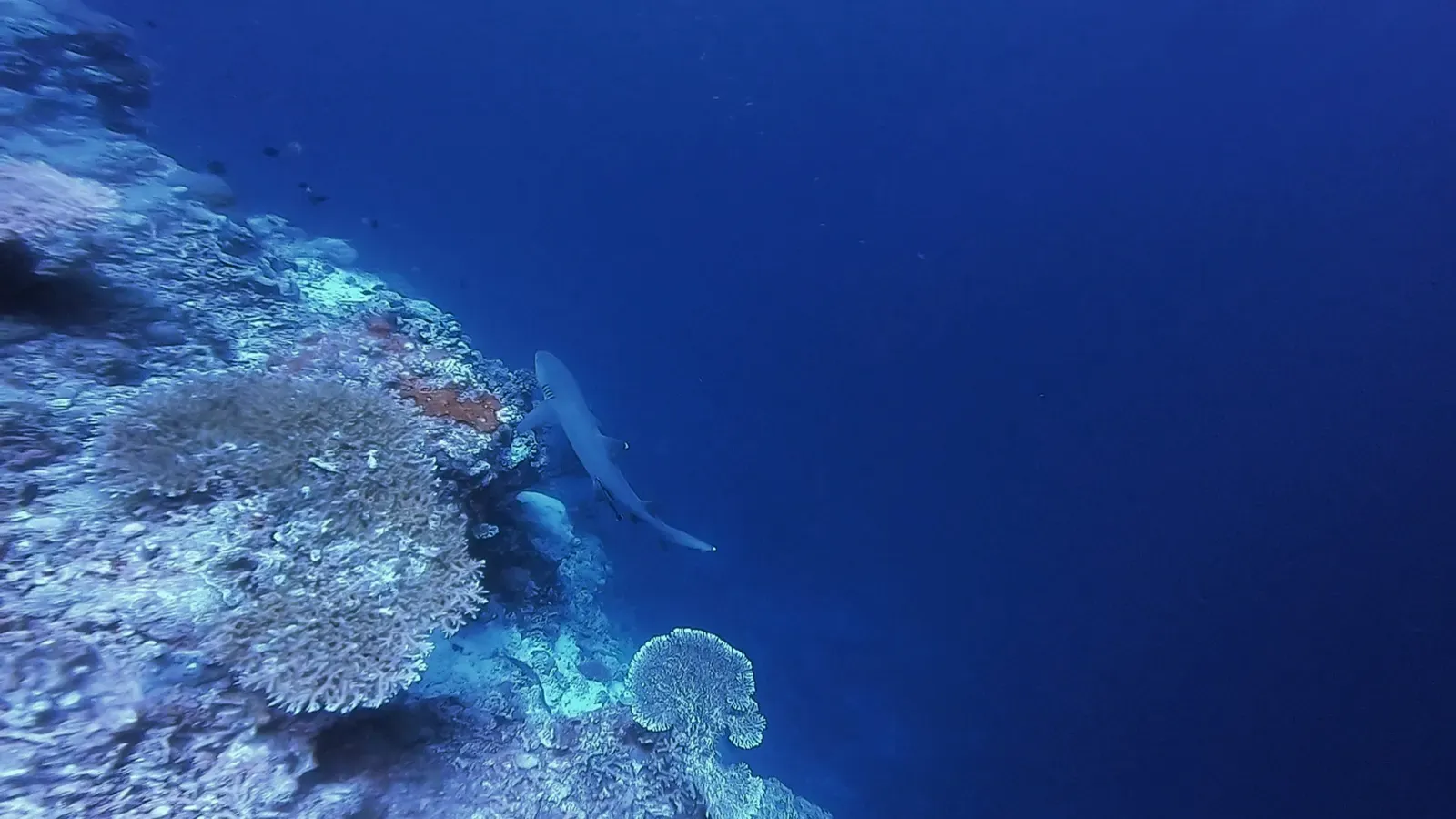
The world's second-largest contiguous coral reef, closed to fishing
Sheer walls drop from the surface, patrolled by turtles and napoleon wrasse.
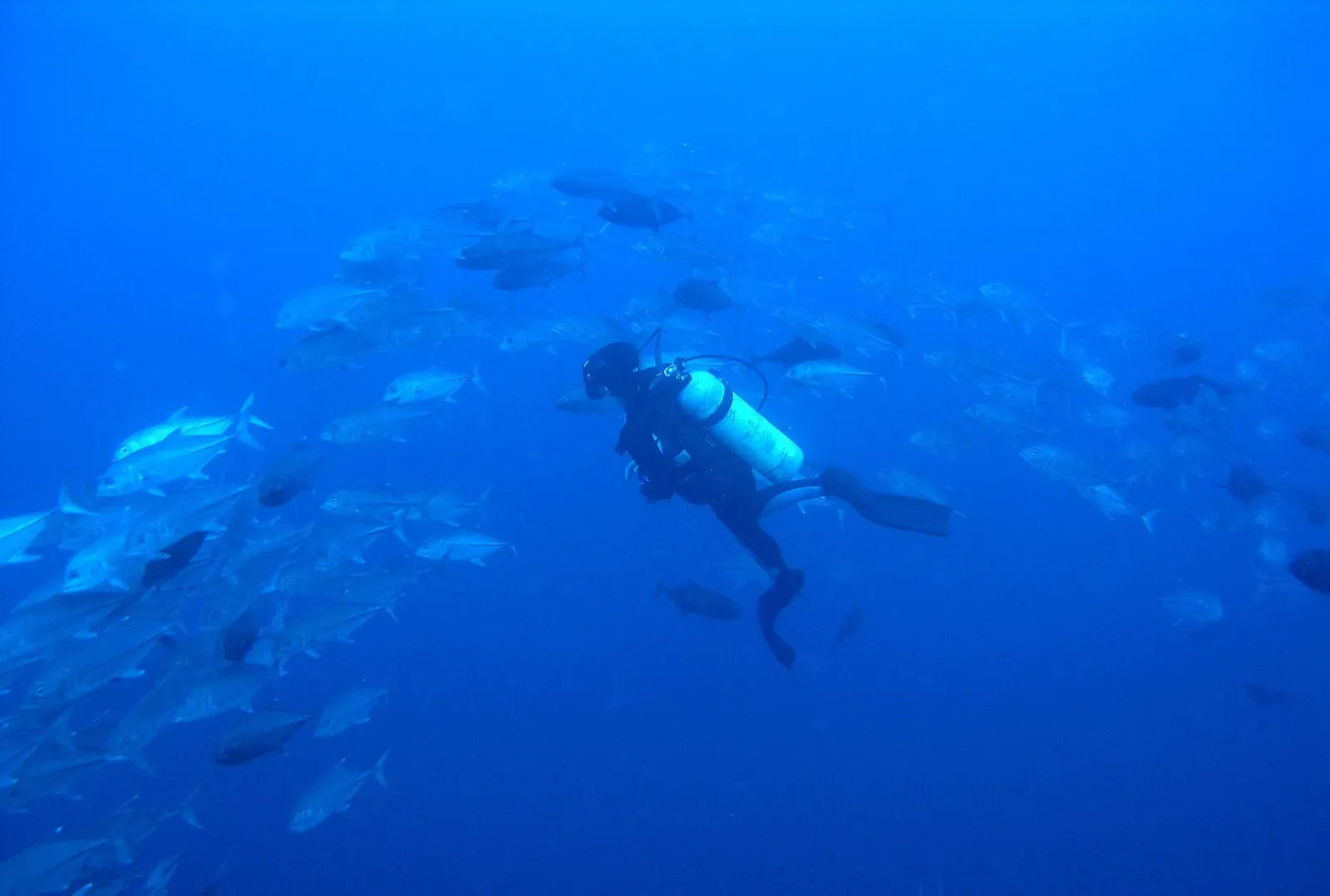
Scalloped hammerheads school along a wall that drops 2,000 m
_(8503849820).jpg)
_(8506996397).jpg)
_(8499764567).jpg)
_(8502718643).jpg)
_(6129782959).jpg)
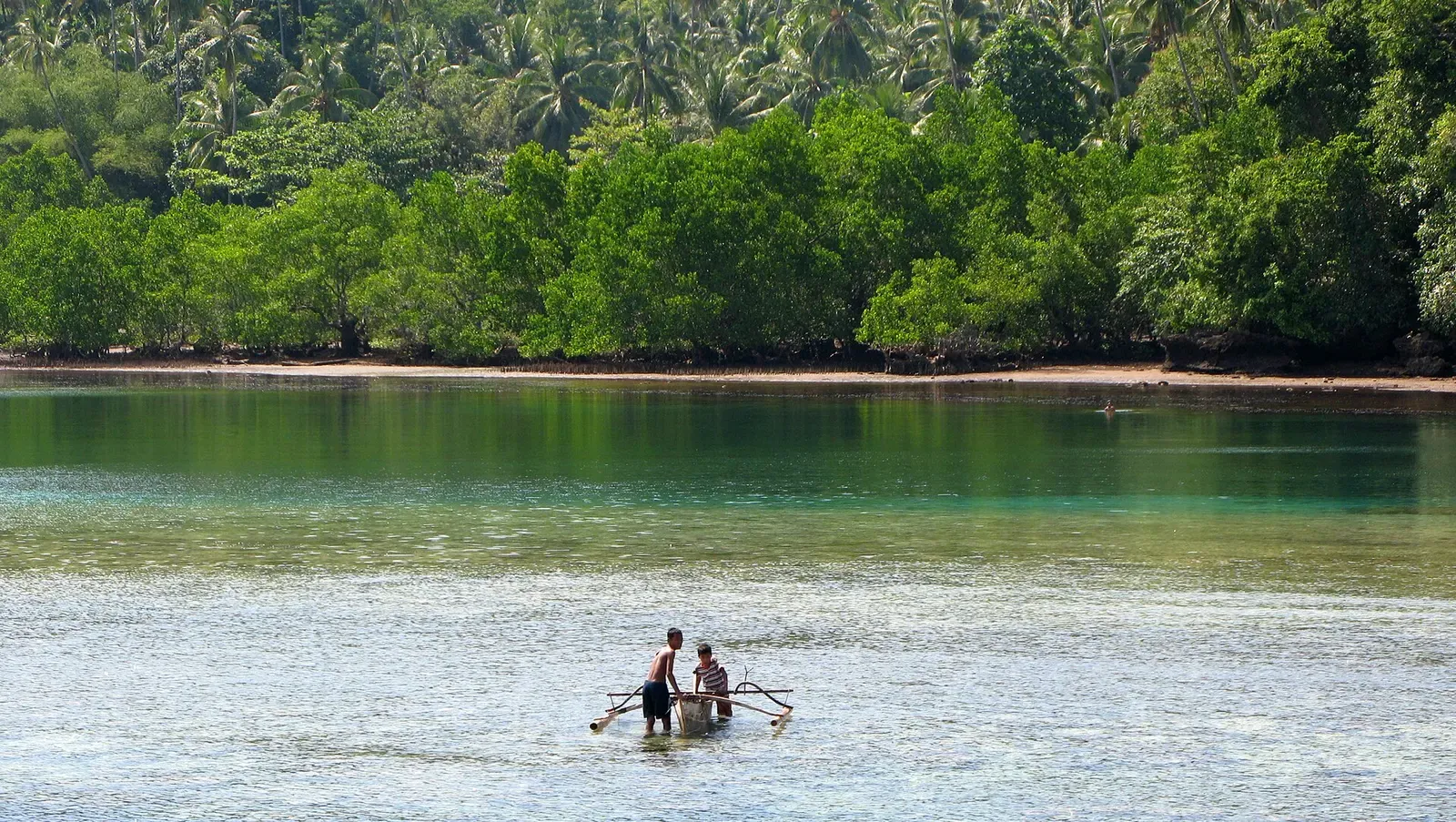
Step off a jetty into the world's largest lagoon, or cross to open ocean