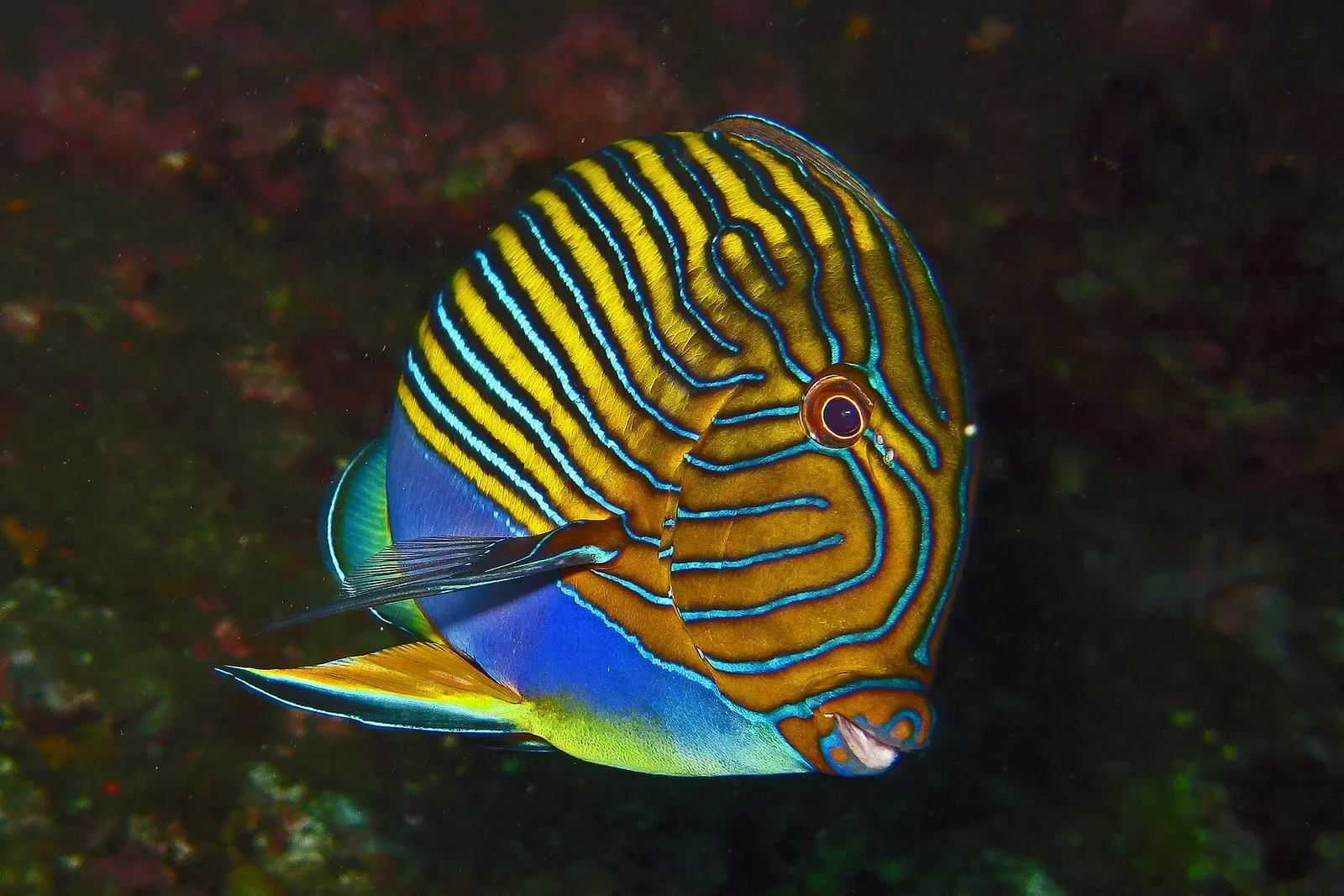
Tulamben is a black-sand shore-diving village on Bali's northeast coast built around the wreck of the USAT Liberty, an American cargo ship torpedoed in 1942 and pushed onto the reef by a 1963 volcanic eruption. The wreck now sits in 5–30 meters of water, encrusted in coral and patrolled by jacks and bumphead parrotfish, while nearby muck sites hold frogfish, mandarinfish, and pygmy seahorses. Entries are simple beach walks over cobblestones with minimal current.
About diving in Tulamben
There is no boat schedule to work around, which changes the shape of the day entirely. Divers set their own times, and the pattern that develops is a first-light dive to have the wreck to yourself before the fish scatter, a mid-morning macro dive, then something shallow and slow in the afternoon. Porters, traditionally local women carrying tanks on their heads, bring gear down to the water, dive centres line the one coast road, and other sites are minutes away by pickup, so four or five dives in a day is unremarkable.
The coastline drops away fast. Volcanic sand and cobble run steeply from the beach into deep water within a short swim, which is why so much of the diving sits within shore range: bommies on the slope, and long stretches of dark sand either side of the village that hold the small stuff. Those slopes continue southeast towards Seraya and Amed, and most operators treat the whole stretch as one dive area. Visibility is best in settled weather; rain and surge stir the sand and cut it back.
It suits photographers, anyone working on macro, and divers who want volume without logistics, since the same site at a different hour reads as a different dive. Training runs here easily, and the top of the reef is shallow enough that snorkellers and freedivers share the water. Conditions hold up all year, with the calmest surface and easiest entries from about May through October; the wetter months bring more run-off and a livelier shorebreak on the stones, which is the main thing to plan around.
When to dive Tulamben
| Jan | Feb | Mar | Apr | May | Jun | Jul | Aug | Sep | Oct | Nov | Dec |
|---|---|---|---|---|---|---|---|---|---|---|---|
| Good | Good | Good | Good | Prime | Prime | Prime | Prime | Prime | Prime | Good | Good |
Diveable year-round with modest seasonal shift; April–October dry season typically gives calmer surface conditions.
Getting there
Tulamben is a road trip rather than a flight: roughly three hours by car from Denpasar airport or Bali's southern resorts, up the east coast to the northeast. Most divers stay in the village or at nearby Amed to get early starts. Diving is shore-based, so there is no boat timetable and no crossing to book.
Wildlife calendar
Bumphead parrotfish move through at first light, before divers spread along the coast, and schools of jacks and other reef fish circle the shallows all year. The dark slopes hold frogfish, nudibranchs, octopus and cuttlefish in every season, with mandarinfish emerging at dusk to spawn and pygmy seahorses out on the sea fans.
Dive types & marine life
- Wreck
- Muck & macro
- Reef
- Reef fish swarms
- Nudibranchs
- Frogfish
- Pygmy seahorses
- Macro critters
- Octopus & cuttlefish
- Mandarinfish
Notable dive sites in Tulamben
USAT Liberty Wreck
WWII cargo wreck encrusted in coral, entered straight from the beach.
Coral Garden
Shallow reef of staghorn coral ideal for long, easy dives.
Seraya Secrets
Muck site known for mandarinfish and pygmy seahorses.
Drop-Off (Tulamben)
Steep wall a short swim from shore with passing pelagics.
Photos from Tulamben
portioid · CC BY-SA 4.0
portioid · CC BY-SA 4.0
Dive videos
Scuba Diving USAT Liberty Shipwreck, Tulamben, Bali · ScubaDad on YouTube
Scuba Diving USAT Liberty Shipwreck In BALI! 🇮🇩 · Blue Horizon Diving on YouTube
Photo credits
- Vividly striped reef fish photographed near the USAT Liberty wreck in Tulamben, Bali by Bernd, CC BY 2.0, via Wikimedia Commons
- Peacock mantis shrimp peers out from a rocky crevice with a cluster of orange eggs nearby by portioid, CC BY-SA 4.0, via Wikimedia Commons
- Peacock mantis shrimp with iridescent eyes emerges from a coral rubble burrow by portioid, CC BY-SA 4.0, via Wikimedia Commons
Similar destinations
Coral Triangle
Tufi
Papua New Guinea
Muck diving in drowned volcanic valleys with rainforest on the walls
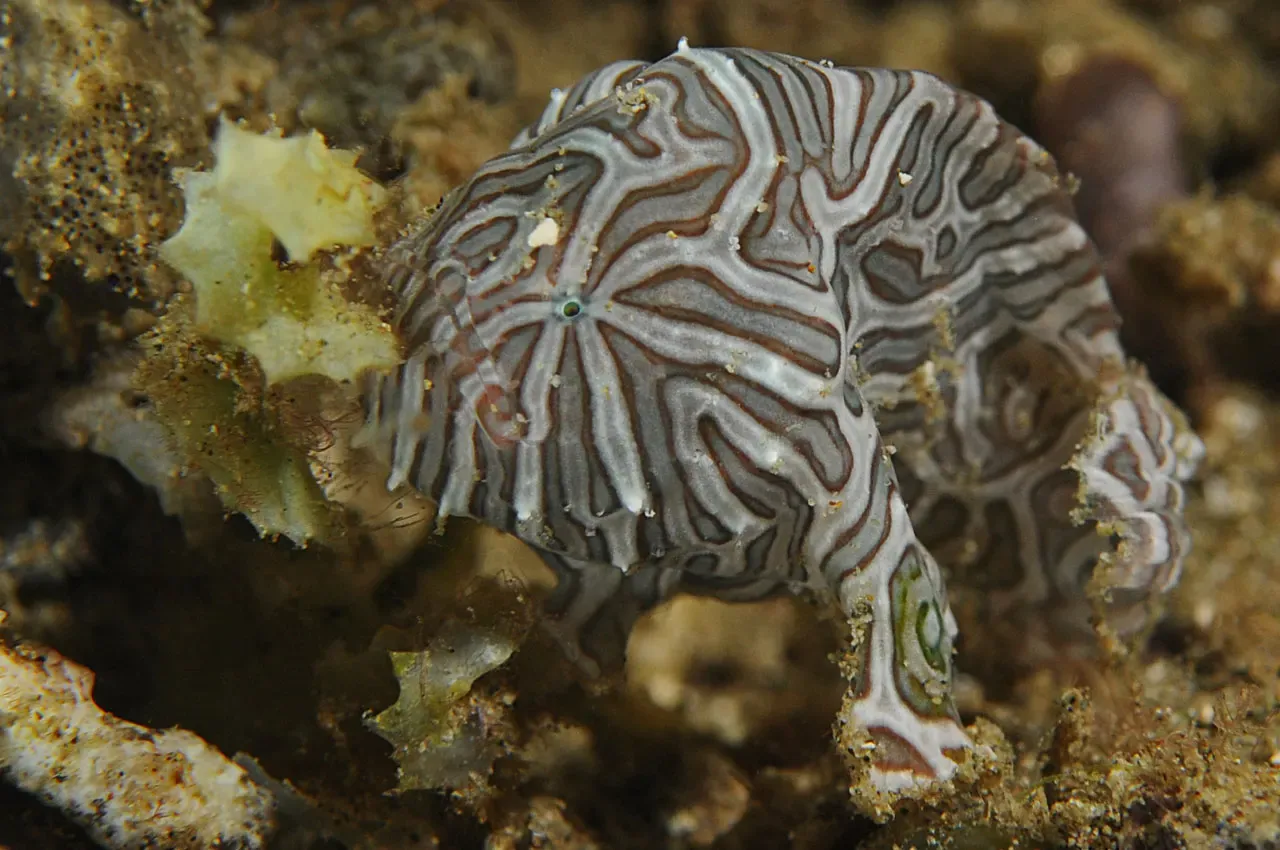
The endemic psychedelic frogfish lives on Ambon's harbour slopes
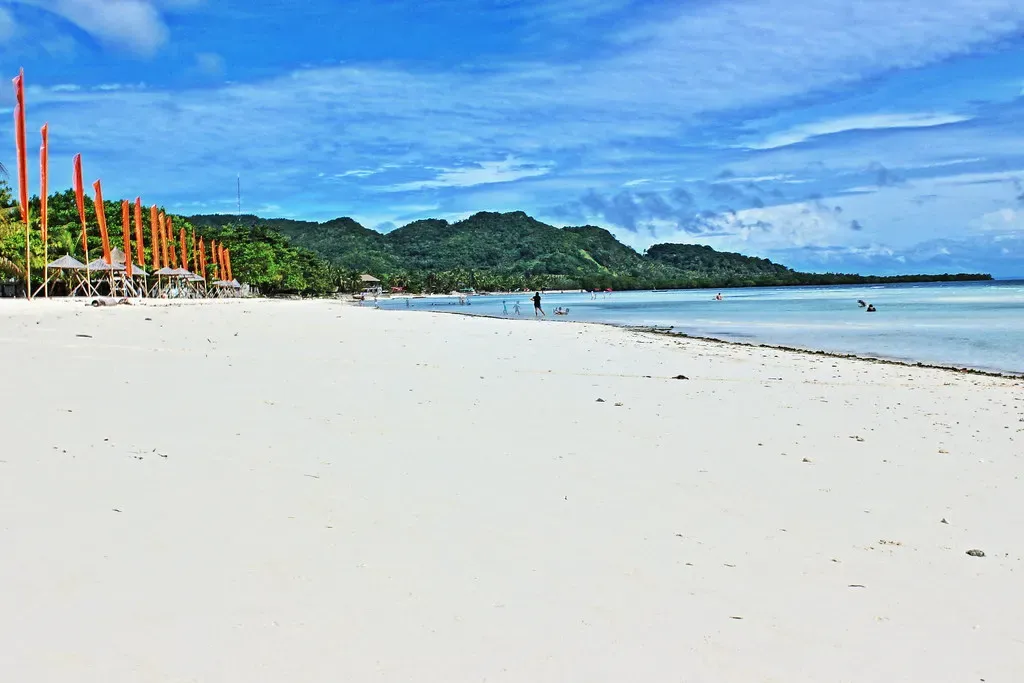
A limestone wall the length of the coast, dived by almost nobody
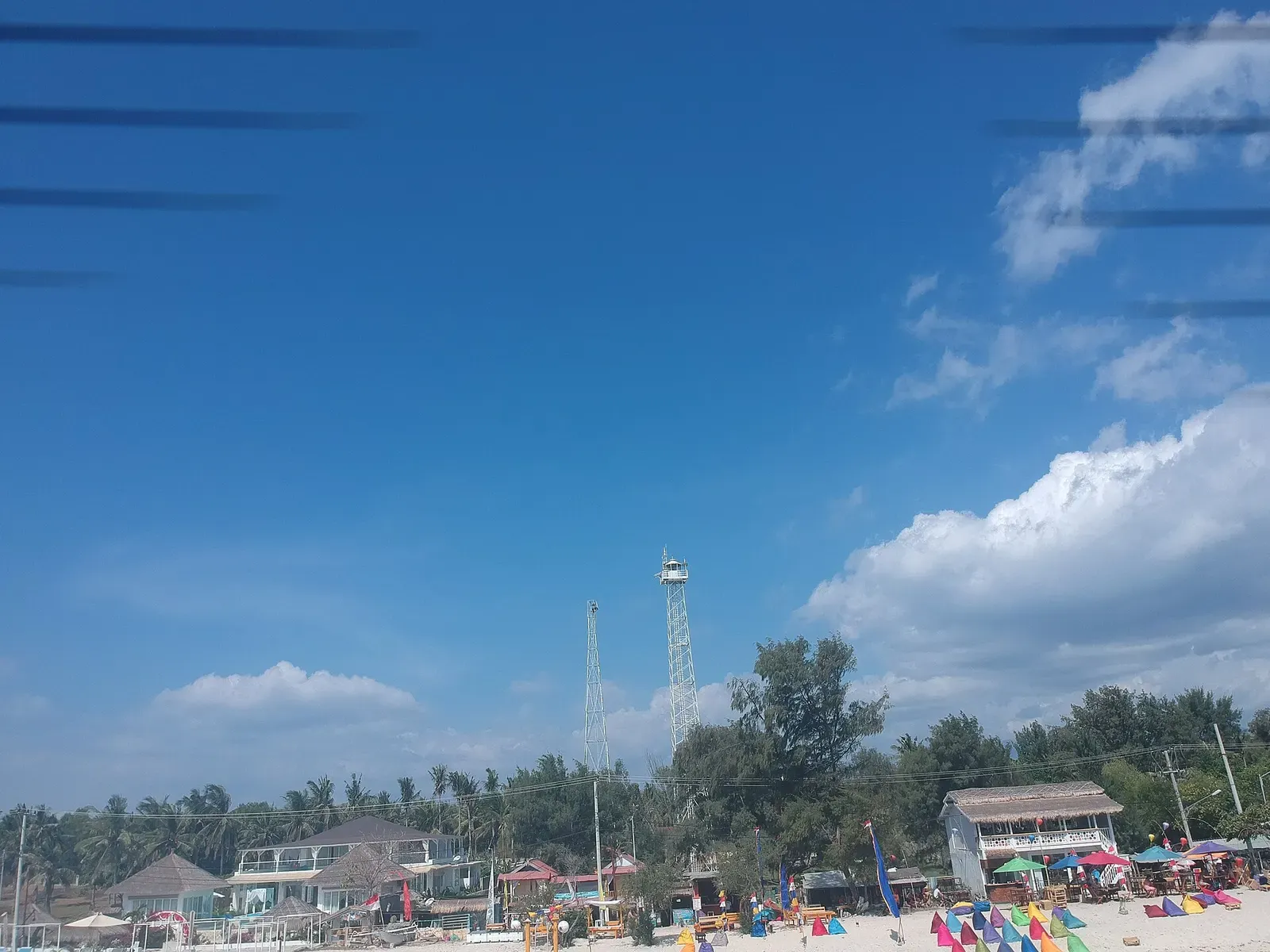


Eighty human figures stand in a ring on the sand off Gili Meno