Coral Triangle · Indonesia
Banda Islands
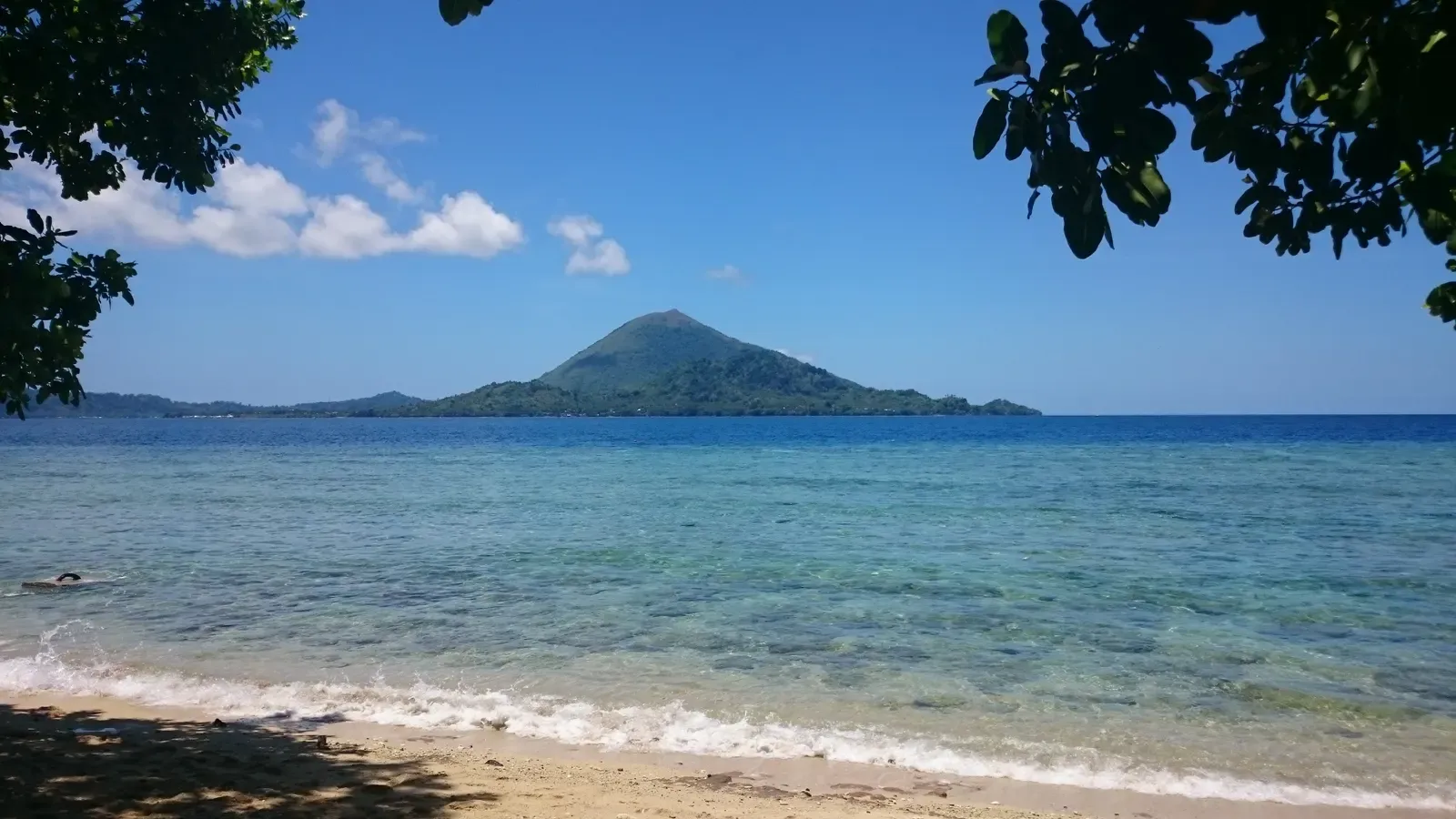
Seamounts off a still-active volcano occasionally draw hammerheads into open water.
Photo: WiDi · CC BY-SA 4.0
The Banda Islands, a remote volcanic archipelago in Indonesia's Banda Sea, were once the world's only source of nutmeg and remain reachable mainly by liveaboard on transit routes between Raja Ampat and Komodo. Steep walls plunge into deep water around Gunung Api, an active volcano, and nearby seamounts occasionally draw hammerhead sharks and mobula rays into open water. Coral cover is exceptionally intact due to low visitor numbers and the area's remoteness.
About diving in Banda Islands
Getting there shapes everything about the trip. Itineraries cross open water to reach the group, so dive days sit between long overnight steams and the schedule carries no slack. Once the boat is anchored off Bandaneira the pace loosens considerably: sites are minutes apart, several drop straight off the islands, and there is time ashore between dives. The Dutch-era forts above the harbour and the old town below them are part of why divers pick this route over a straighter crossing.
The diving falls into three shapes. Island and channel walls drop into deep water with no shelf below to catch a diver, and the flow accelerates where the islands narrow the gap between them. Offshore, isolated pinnacles rise out of open ocean, and those dives are spent as much in blue water as on structure. The slopes under the volcano are a third case again, where coral has grown over bare lava left by its last major eruption rather than over old layered reef, which tends to show in the even age and spacing of the colonies.
The pinnacle dives set the tone of the week. Boats often schedule them early in the day, brief them as a drift with a regrouping plan, and expect the group to be spread over a lot of water by the end. The routine is a negative entry, a quick descent to get under the current, then time held on the up-current side watching open water while the reef itself carries the dive when nothing passes. Surface markers and a crew that tracks bubbles matter more here than on sheltered sites.
It suits experienced divers who are self-sufficient in current, comfortable with the lack of reference in blue water, and willing to trade long transits for reefs that see very few boats in a season. Evacuation and chamber facilities are a long way off, so conservative profiles, valid dive insurance and honest self-assessment count for more than they would closer to home. October and November rate highest, September and the March-to-May shoulder are workable, and mid-year crossings still run in less settled seas.
When to dive Banda Islands
| Jan | Feb | Mar | Apr | May | Jun | Jul | Aug | Sep | Oct | Nov | Dec |
|---|---|---|---|---|---|---|---|---|---|---|---|
| Fair | Fair | Good | Good | Good | Fair | Fair | Fair | Good | Prime | Prime | Fair |
October–April is the main liveaboard transit season; hammerhead and mobula sightings at seamounts are seasonal, not guaranteed.
Getting there
Nearly all divers arrive by liveaboard on Banda Sea routes that start or finish in Ambon and link onward to Raja Ampat at one end or Komodo and the Flores ports at the other. Bandaneira has a small airstrip and a ferry link to Ambon, but flights and sailings are intermittent and land-based diving is limited, so in practice the boat sets the itinerary.
Wildlife calendar
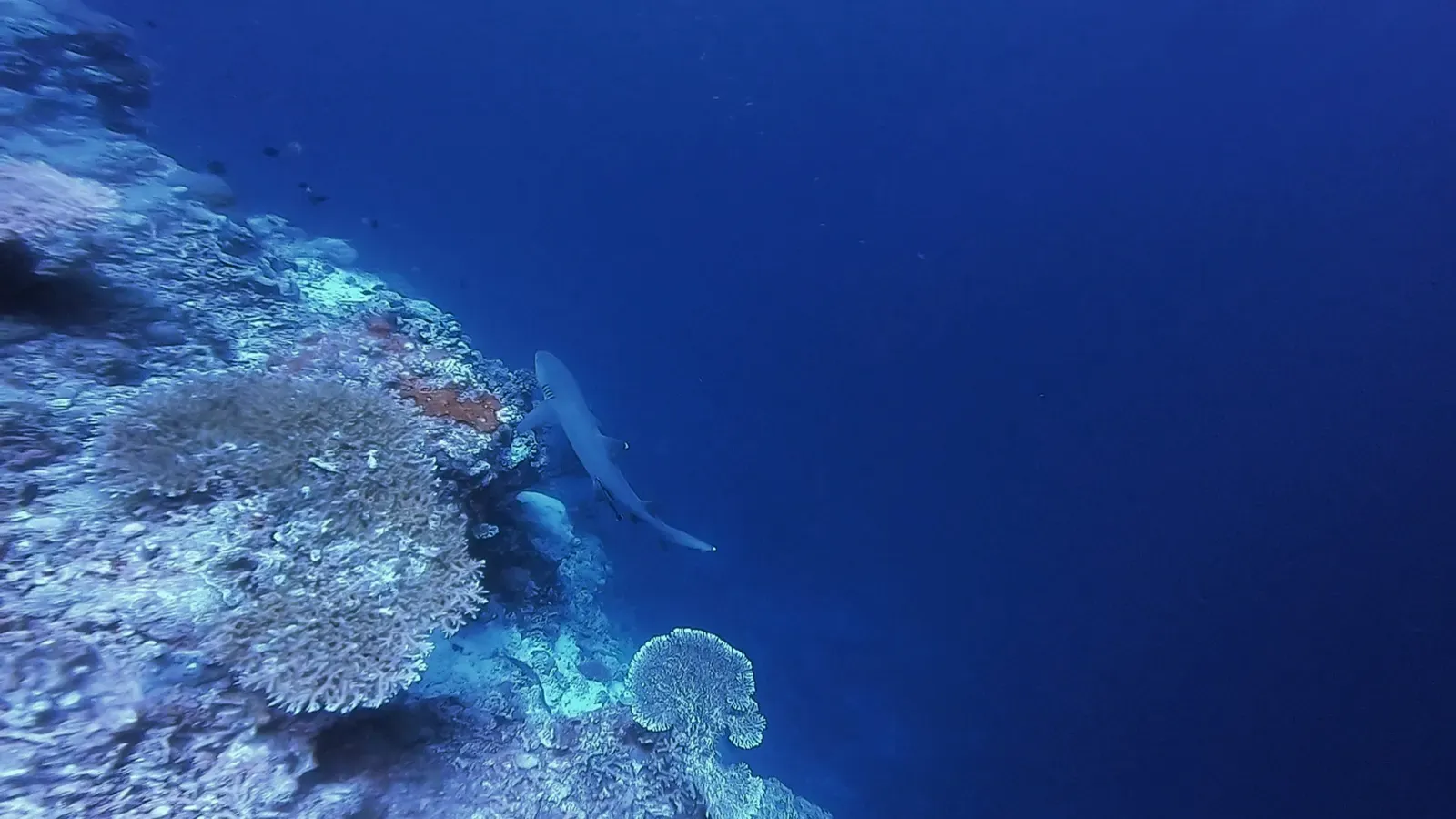
Walls hold dense hard coral, reef sharks, napoleon wrasse and eagle rays. The offshore pinnacles are dived for hammerheads and mobula rays, though neither is dependable on a given trip; October and November and the March-to-May shoulder are when boats work them most, and mid-year itineraries still run in rougher seas.
Dive types & marine life
- Wall
- Seamount
- Pelagic & blue water
- Reef
- Hammerheads
- Reef sharks
- Napoleon wrasse
- Pristine corals
- Mobula rays
- Eagle rays
Notable dive sites in Banda Islands
Sonegat
Narrow channel wall dive with strong current and reef sharks.
Batu Kapal
Ship-shaped rock pinnacle with dense fish life.
Lava Flow (Gunung Api)
Recent lava field entering the sea, colonized by young coral.
Karang Hatta
Seamount known for occasional hammerhead sightings.
Photos from Banda Islands
WiDi · CC BY-SA 4.0
Dive videos
Banda Sea Dive Sites | Indonesia | What To Expect To See | 4K HDR | Sony | DJI Mavic 3 | 2022 · Diver's Lens on YouTube
Diving the Banda Sea on the Samambaia in 2022 (4K) · Dive Hard on YouTube
Photo credits
- The cone of Gunung Api volcano rising from the sea, seen across calm water from a nearby beach by WiDi, CC BY-SA 4.0, via Wikimedia Commons
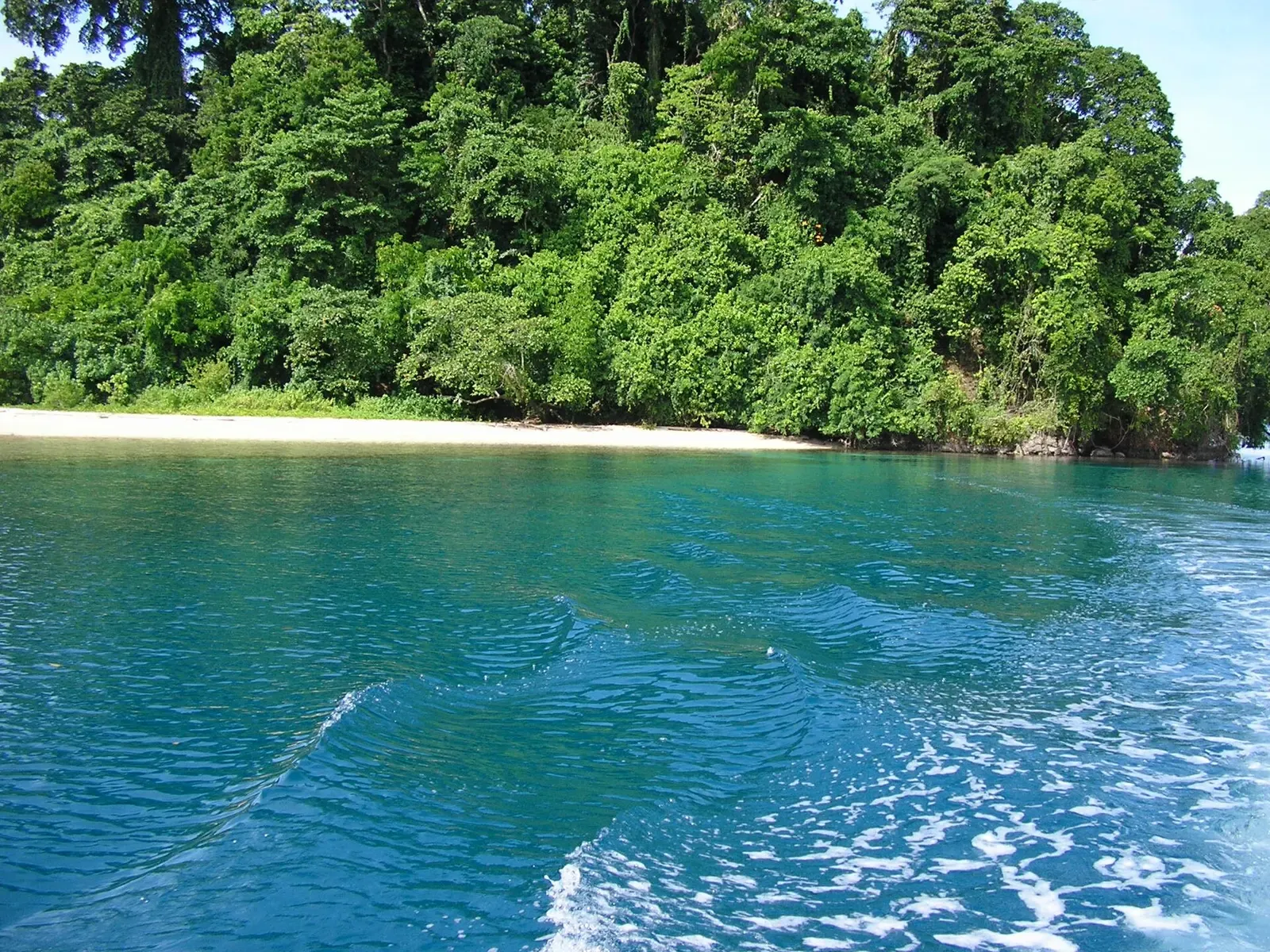
- A sheltered bay of clear turquoise water framed by jungle-covered cliffs at Pulau Pisang by WiDi, CC BY-SA 4.0, via Wikimedia Commons
Similar destinations
The world's second-largest contiguous coral reef, closed to fishing
Scalloped hammerheads school along a wall that drops 2,000 m
Coral Triangle
Cenderawasih Bay
Indonesia
Whale sharks feed under fishing platforms for one of diving's most reliable encounters.


A single bay holds roughly half the world's recorded coral species.