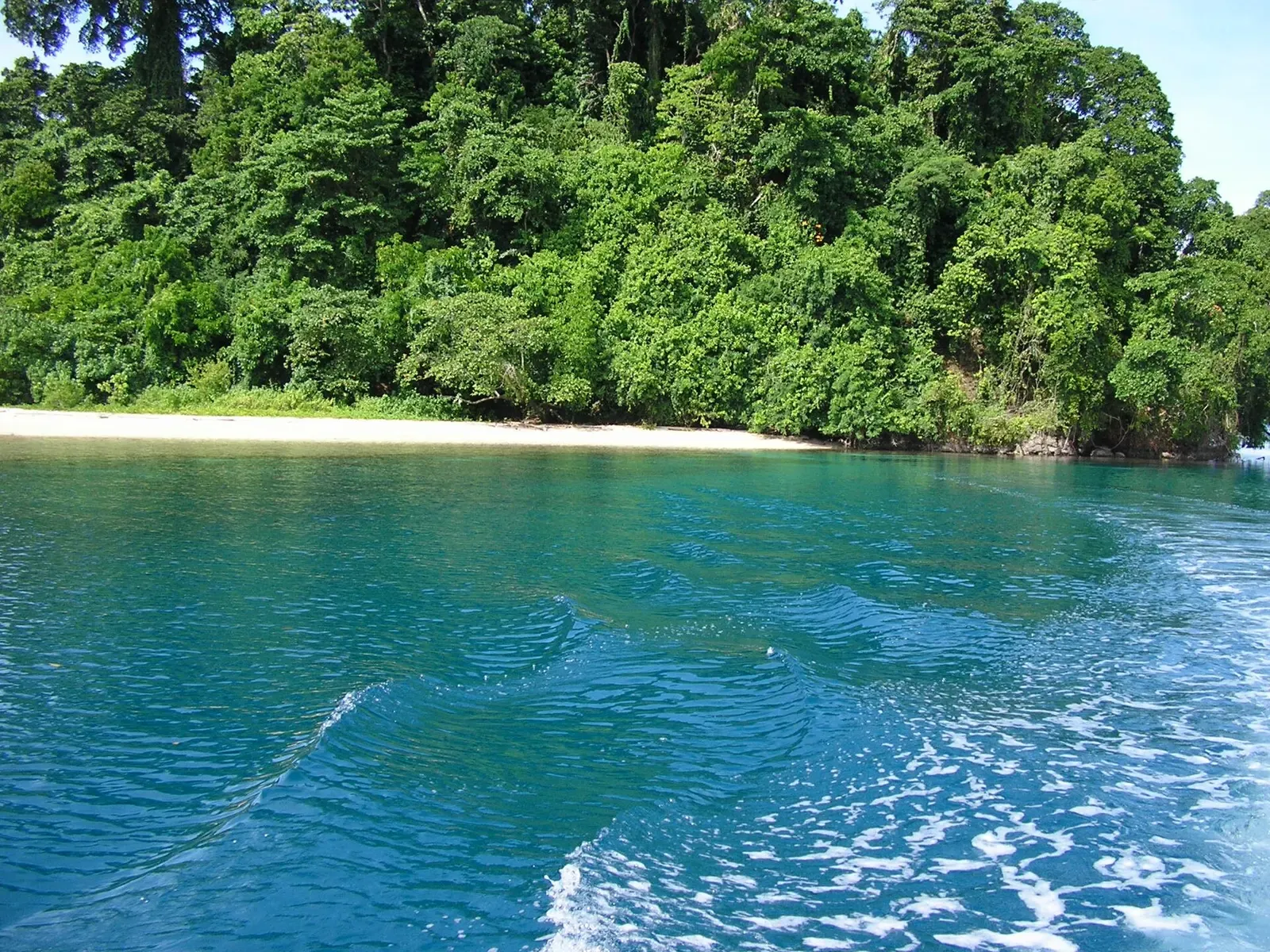
Coral Triangle · Papua New Guinea
Kimbe Bay
A single bay holds roughly half the world's recorded coral species.
Photo: Kimbe at en.wikipedia · CC BY-SA 3.0
Kimbe Bay, on the north coast of New Britain in Papua New Guinea, holds roughly half the coral species recorded anywhere in the world within a single bay, largely protected by its remoteness and low visitor numbers. Fringing reefs and offshore seamounts such as Bradford Shoal combine dense coral cover with schooling barracuda and jacks, and Walindi Plantation Resort has run dive operations here since the 1980s. Sites range from sheltered coral gardens to current-exposed pinnacles.
About diving in Kimbe Bay
Diving here is shore-based and short-range: boats run from jetties on the bay's southern shore, and a normal day is two or three dives with the surface interval taken on board or back at the resort. Inshore reefs are a quick run out; the offshore shoals take longer and usually get the first slot of the morning. Crews pick the running order on the day, by wind and sea state rather than by a fixed rotation. Liveaboards provision in the same bay before working further along the New Britain coast, so many visitors combine the two.
The bay is deep and volcanic, backed by cone-shaped hills, and that shape sets up two different kinds of dive. Along the shoreline, fringing slopes and shallow bommies sit in calm water on easy profiles. Offshore, isolated seamounts rise out of blue water and crest well within recreational depth; those are the sites that catch current and hold the fish schools. Heavy rain on the hinterland can push runoff into the inshore water and soften visibility for a day or two.
The draw is coral density at close range. Bommie tops carry soft coral and anemone carpets with their resident clownfish, sea fans and whip corals stand out into the flow on the pinnacle walls, and the water above them stays busy with anthias and fusiliers. It is wide-angle diving first, though guides also work the sand and rubble between coral heads for nudibranchs and smaller subjects when the light goes flat or the sea is up.
Conditions are forgiving — warm water, gentle current on most sites — so mixed-ability groups do well, helped by reefs that offer a shallow top and a deeper slope off the same descent line. Remoteness is the real constraint: bring spares for anything you cannot dive without, since resupply means a flight, and treat evacuation as a multi-leg journey when you plan profiles and insurance. Divers whose priority is wrecks or big-animal encounters should set expectations before booking.
When to dive Kimbe Bay
| Jan | Feb | Mar | Apr | May | Jun | Jul | Aug | Sep | Oct | Nov | Dec |
|---|---|---|---|---|---|---|---|---|---|---|---|
| Good | Good | Good | Good | Prime | Prime | Prime | Prime | Prime | Prime | Good | Good |
Diveable year-round; May–October dry season typically gives clearer water and calmer seas.
Getting there
Flights route through Port Moresby to Hoskins airport, roughly an hour's drive from the bayside resorts, which meet guests and run the transfer. Diving is day-boat from those bases, and liveaboards load in the bay for longer New Britain routes, so trips are often built as a week ashore plus a week afloat.
Wildlife calendar
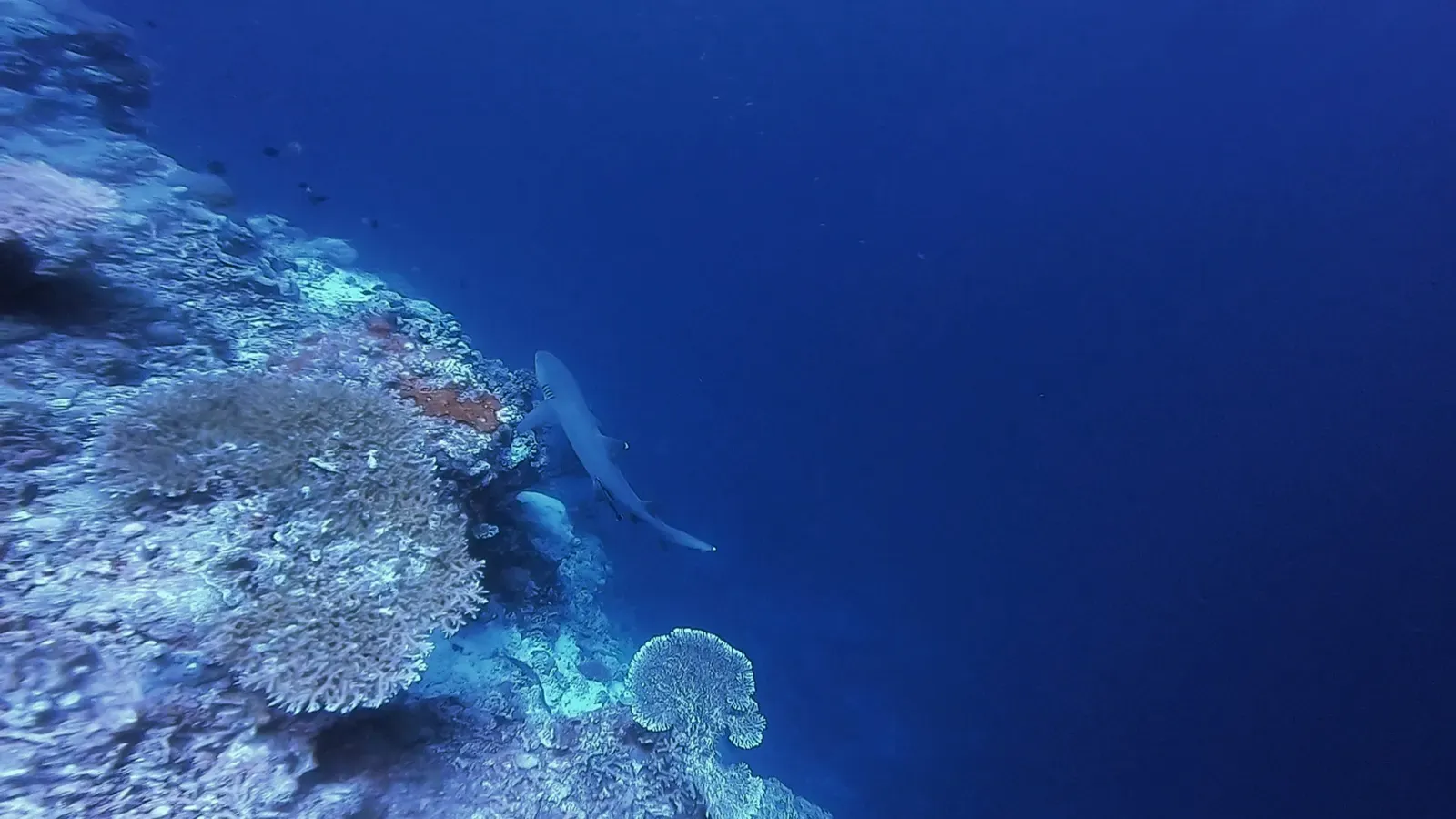
Coral cover and reef fish are the constant, with anthias and fusiliers on every dive, Napoleon wrasse on the larger reefs and reef sharks along the shoal edges. Barracuda gather over the outer shoals through the clearer May-to-October stretch. Mantas visit cleaning stations occasionally rather than predictably; nudibranchs are easiest on the sheltered inshore reefs.
Dive types & marine life
- Reef
- Wall
- Seamount
- Pristine corals
- Reef sharks
- Napoleon wrasse
- Barracuda
- Nudibranchs
- Manta rays
Notable dive sites in Kimbe Bay
Susan's Reef
Coral garden reef known for dense fish life.
Vanessa's Reef
Sloping reef with exceptional coral diversity.
Bradford Shoal
Offshore seamount known for barracuda and pelagics.
Joelle's Reef
Sheltered reef suited to relaxed, current-free diving.
Photos from Kimbe Bay
Eliot Ferguson · CC BY-SA 3.0
Eliot Ferguson · CC BY-SA 3.0
Eliot Ferguson · CC BY-SA 3.0
Dive videos
Superb Liveaboard Diving on Kimbe Bay Coral Reefs, NE Papua New Guinea · Tony Ayling on YouTube
2017 Diving Kimbe Bay aboard MV FeBrina, Papua New Guinea. · DivingTheo on YouTube
Photo credits
- Turquoise water and jungle-lined shoreline of Restorf Island in Kimbe Bay, Papua New Guinea by Kimbe at en.wikipedia, CC BY-SA 3.0, via Openverse
- Boxer crab holding stinging anemones in its claws on a coral head in Kimbe Bay by Eliot Ferguson, CC BY-SA 3.0, via Openverse
- White nudibranch with a yellow-rimmed mantle crawling across the reef in Kimbe Bay by Eliot Ferguson, CC BY-SA 3.0, via Openverse
- Orange squat lobster nestled among the black arms of a feather star crinoid by Eliot Ferguson, CC BY-SA 3.0, via Openverse
Similar destinations
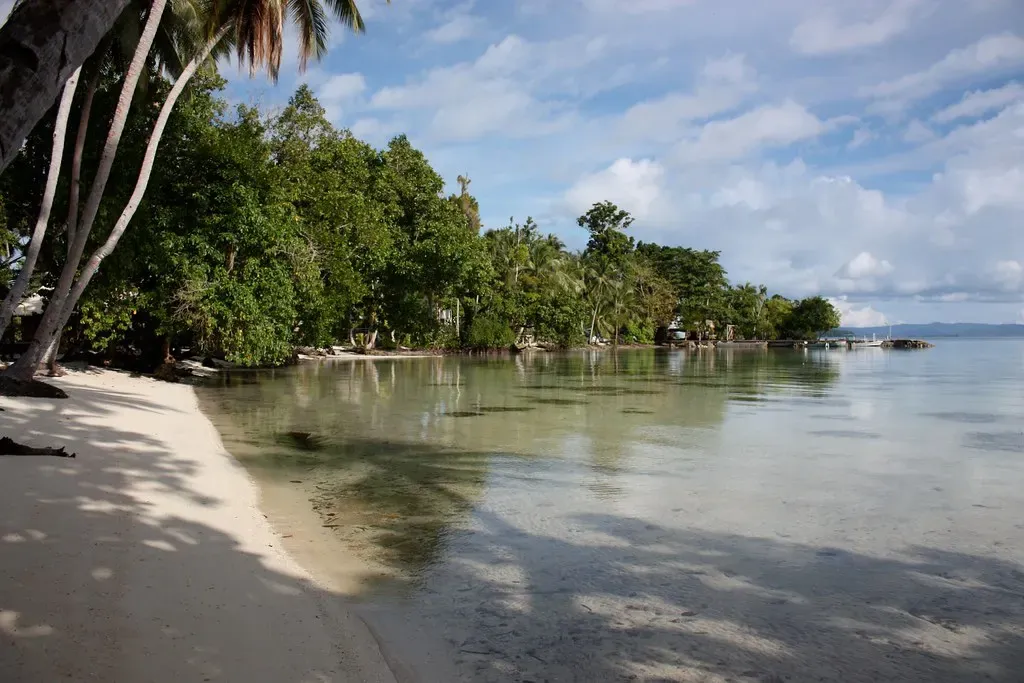
Step off a jetty into the world's largest lagoon, or cross to open ocean
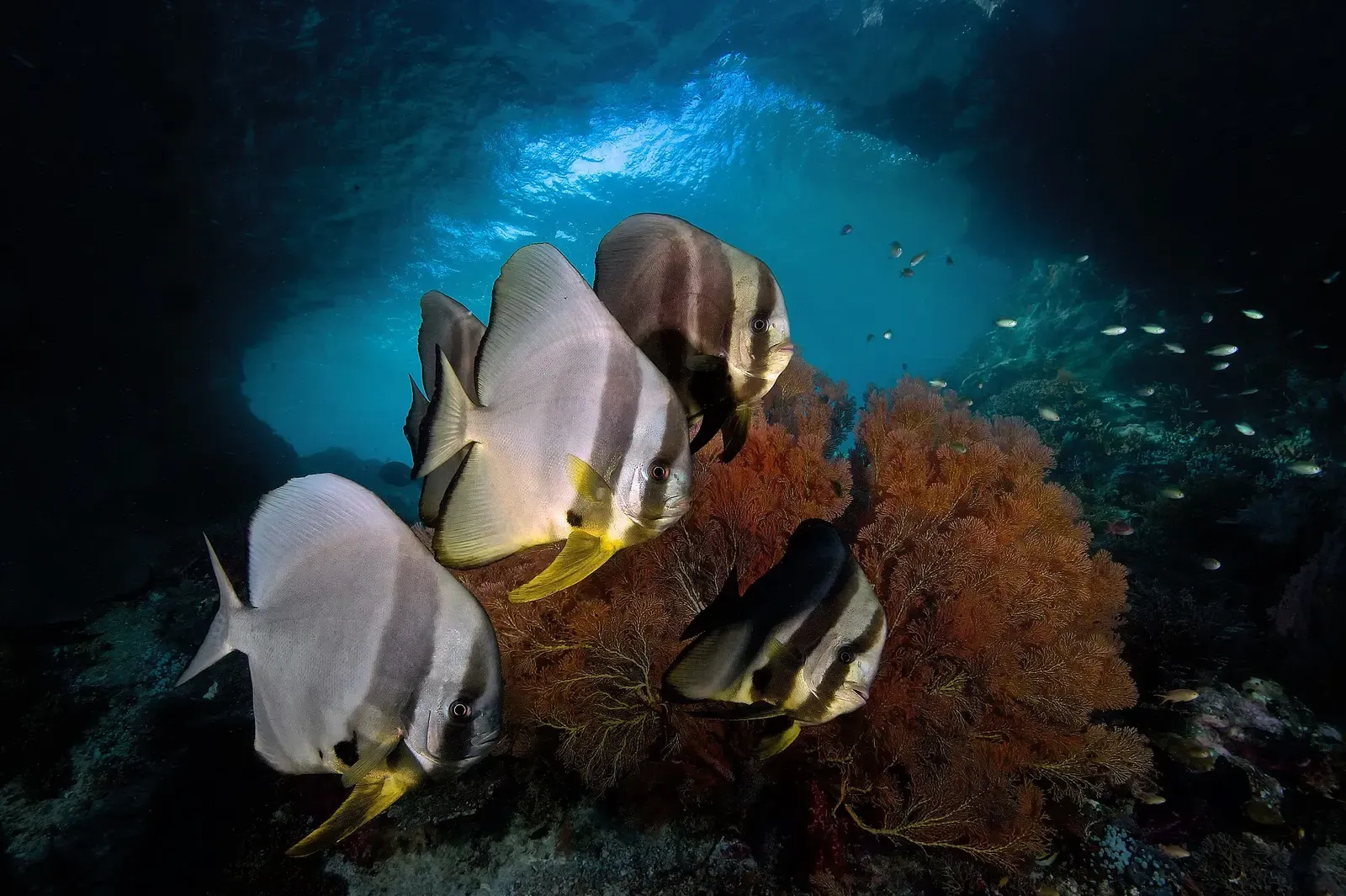
Manta rays hold at cleaning stations in the world's most biodiverse reef system.
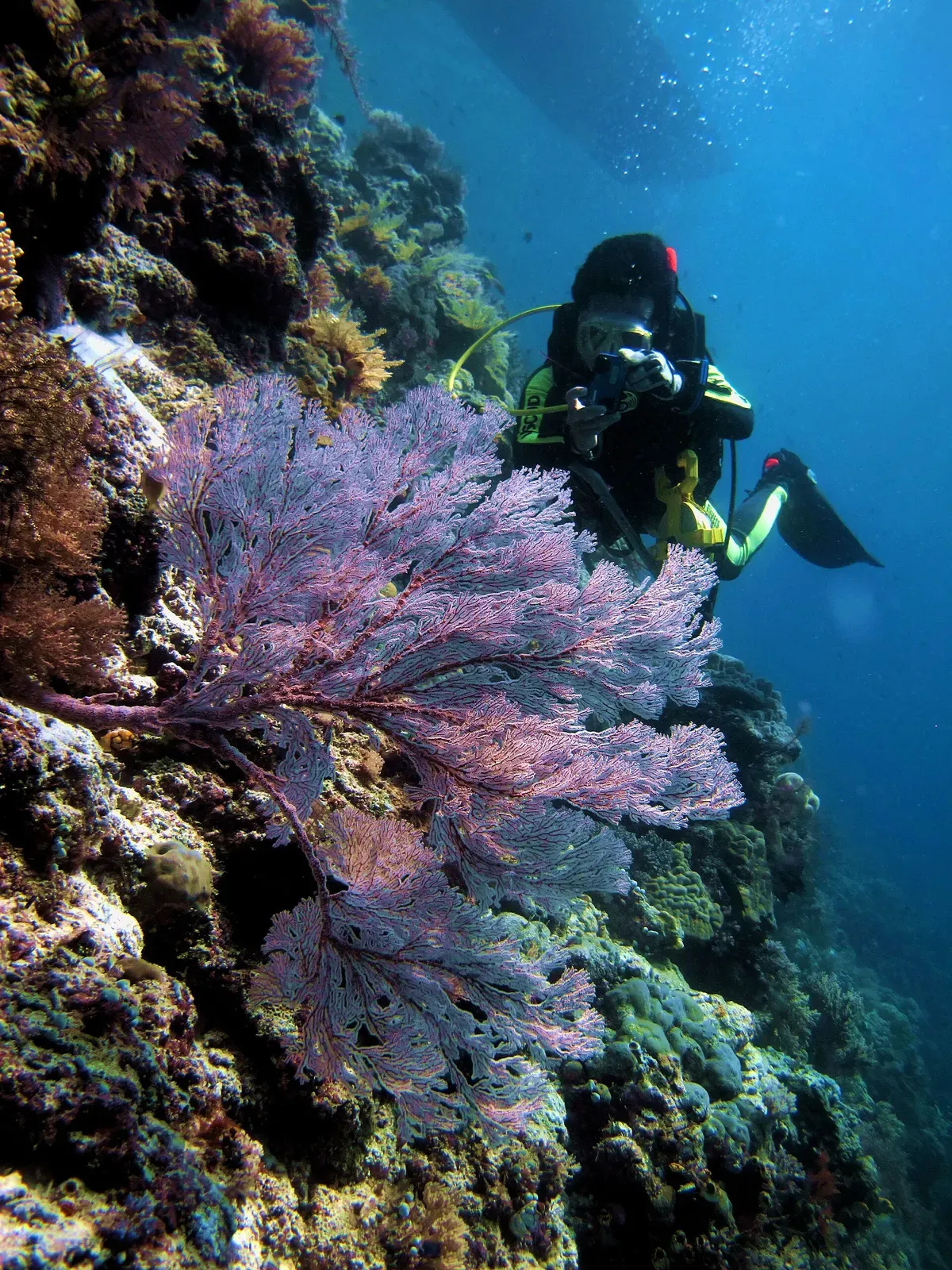
The world's third-largest atoll, and a wall running the length of Selayar
The world's second-largest contiguous coral reef, closed to fishing