Caribbean · Caribbean Netherlands
Bonaire
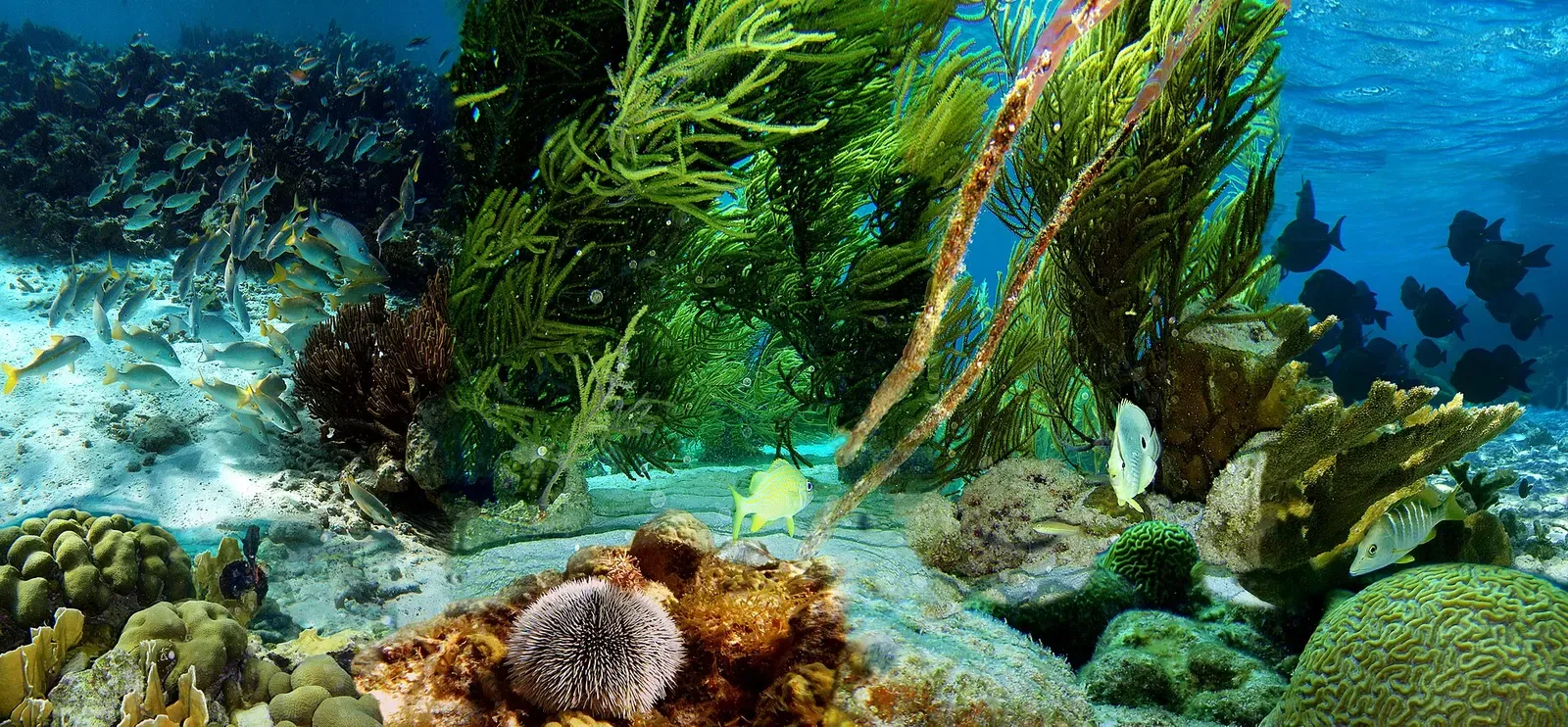
Drive-up shore diving on a coral slope, unlimited air fills, no boat required
Photo: Michal Strzelecki, Wojtek Strzelecki & Jerzy Strzelecki · CC BY 3.0
Bonaire's entire leeward coast is a protected marine park with over 60 shore-accessible sites marked by yellow-painted rocks, so divers simply park, walk in, and drop onto a fringing reef. Being outside the hurricane belt keeps the water calm and current-free almost every day of the year, and the reef slope runs from the surface to sandy terraces past 30 meters, thick with sponges and hard coral.
About diving in Bonaire
Diving here is self-organised rather than scheduled. Most visitors collect a pickup truck with a tank rack on arrival, swap cylinders at their shop's rack, and then run their own timetable along the leeward road, stopping wherever the day suggests. Three or four dives is an ordinary total, and a dusk entry followed by a night dive costs nothing more than a second drive. Guides are available and boats run to the sites the road cannot reach, but the default here is a buddy pair planning its own profile.
What changes along the leeward coast is the entry and the pitch of the slope rather than the basic shape. Sites north of town tip over steeply almost at once, the stretch along Kralendijk is gentler and easier to walk into, and several southern sites sit behind long shallow flats with a second, deeper reef further out. Entries range from sand to sharp ironshore, so footwear and a plan for climbing back out matter more than current does. The windward east coast is rarely diveable at all.
A few things are particular to the island. The freighter Hilma Hooker lies on her side in the sand between two reef slopes and is reached from the roadside like any other site; she went down in 1984 after being impounded in a drug case, and accounts differ on how deliberate the sinking was. Klein Bonaire, the uninhabited islet across the channel, has no road access, so its sites stay off the self-drive circuit. Salt Pier is closed to divers whenever a ship is alongside, which is worth checking before driving south.
It rewards divers who want to be responsible for their own dive. Photographers get unhurried bottom time and a slope full of small subjects, instructors get calm water for training, and mixed-ability groups can share an entry then split by depth. Anyone hoping for big-animal encounters or wall drama will find it understated. A vehicle is close to mandatory, and every diver pays a marine park nature fee before getting in the water, so budget for both alongside the accommodation.
When to dive Bonaire
| Jan | Feb | Mar | Apr | May | Jun | Jul | Aug | Sep | Oct | Nov | Dec |
|---|---|---|---|---|---|---|---|---|---|---|---|
| Prime | Prime | Prime | Prime | Good | Good | Good | Good | Good | Good | Good | Prime |
Bonaire sits south of the hurricane belt, so conditions stay calm and diveable all year; trade winds pick up slightly June–November.
Getting there
Flights land at Flamingo International just outside Kralendijk, where most of the lodging, dive shops and restaurants sit. The shore sites are strung north and south along the leeward road, so a vehicle with a tank rack is the standard rental; boats only matter for Klein Bonaire and a few northern sites.
Wildlife calendar
Turtles, octopus and schooling jacks work the slope in every month, and the macro subjects the island is known for, frogfish and nudibranchs among them, keep no season either. Tarpon shadow torch beams on night dives and stingrays cross the sand flats. The December-to-April prime months mainly flatten the surface at the entries.
Dive types & marine life
- Reef
- Coral garden
- Wreck
- Muck & macro
- Night
- Sea turtles
- Frogfish
- Octopus & cuttlefish
- Nudibranchs
- Macro critters
- Stingrays
- Trevally & jacks
Notable dive sites in Bonaire
Salt Pier
Pilings encrusted with orange tube sponges under an active loading pier
1000 Steps
Steep shore entry rewarded with turtles and a pristine coral slope
Something Special
Sandy patch reef known for resident seahorses at night
Karpata
Dramatic drop-off north of Kralendijk with big barrel sponges
Forest (Klein Bonaire)
Dense stand of elkhorn and staghorn coral off the uninhabited islet
Photos from Bonaire
Paul Asman and Jill Lenoble · CC BY 2.0
Andra Waagmeester · CC0
Kris Mikael Krister · CC BY 3.0
Paul and Jill · CC BY 2.0
Dive videos
Diving Bonaire 2023 - Best Moments: Episode #1 | TropicLens - 4K · TropicLens on YouTube
THE SALT PIER - scubadiving BONAIRE´s premium divesite (4K) · Marcel Steuermann on YouTube
Photo credits
- Wide panorama of a shallow coral reef off Klein Bonaire with schooling snappers, sea fans and brain coral by Michal Strzelecki, Wojtek Strzelecki & Jerzy Strzelecki, CC BY 3.0, via Wikimedia Commons
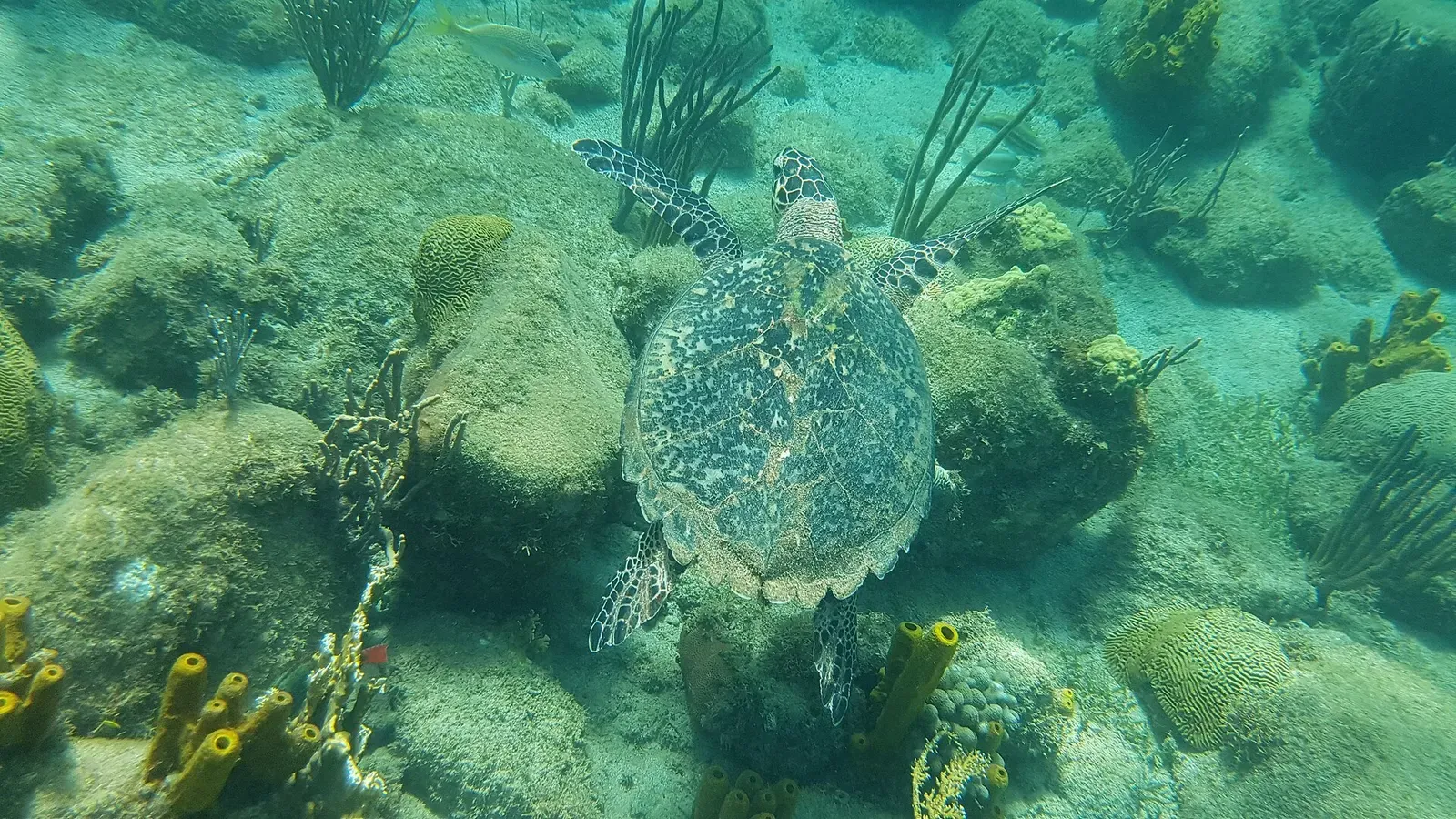
- Green turtle swimming past a sea fan and brain coral on a Bonaire reef by Paul Asman and Jill Lenoble, CC BY 2.0, via Wikimedia Commons
- Peacock flounder resting on the seabed near Kralendijk, Bonaire by Andra Waagmeester, CC0, via Wikimedia Commons
- Two divers with torches exploring the sunken freighter Hilma Hooker in black and white by Kris Mikael Krister, CC BY 3.0, via Wikimedia Commons
- Juvenile damselfish and christmas tree worms on a symmetrical brain coral head by Paul and Jill, CC BY 2.0, via Openverse
Similar destinations
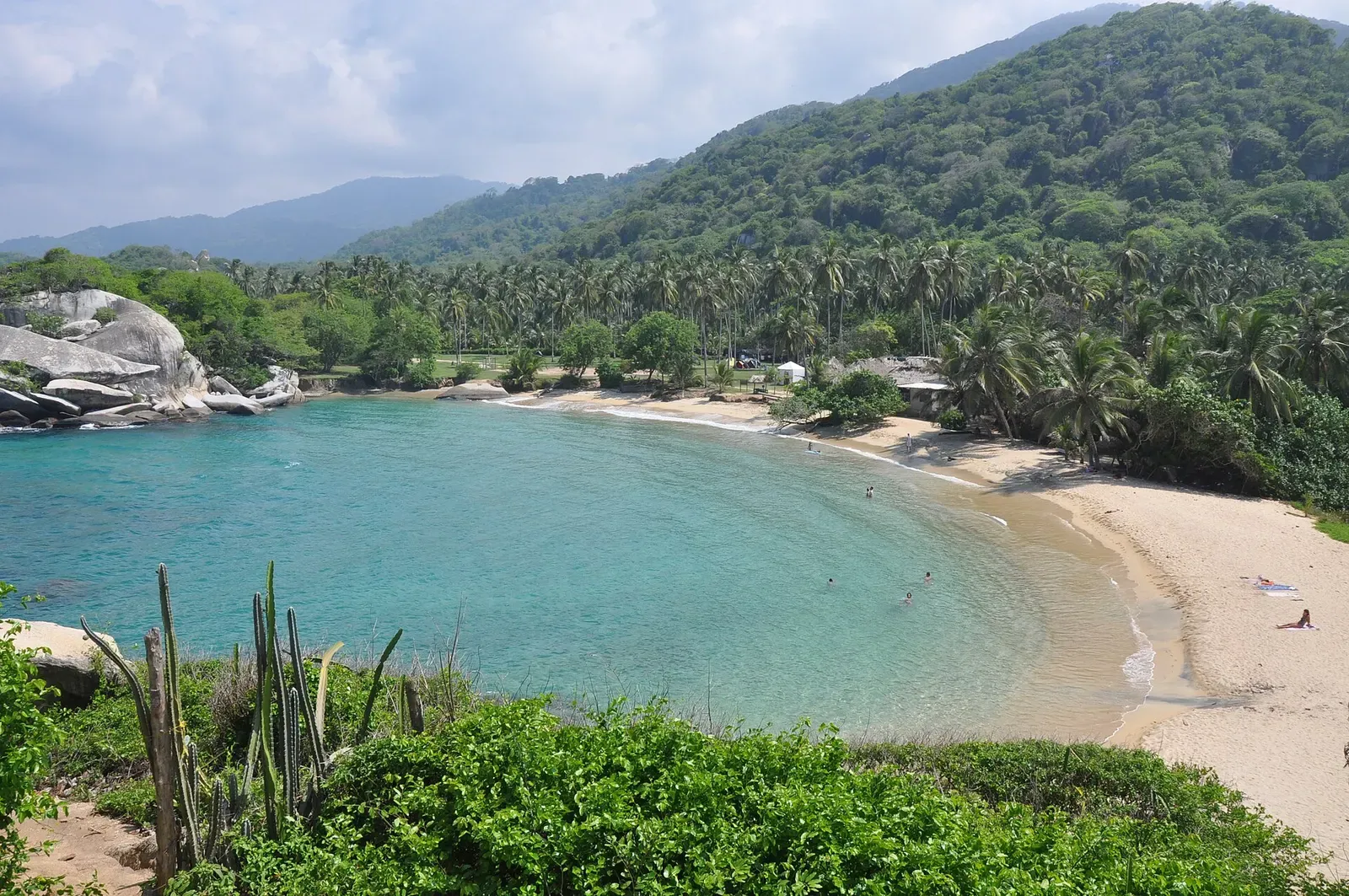
Cold upwelling makes Colombia's Caribbean coast unexpectedly productive
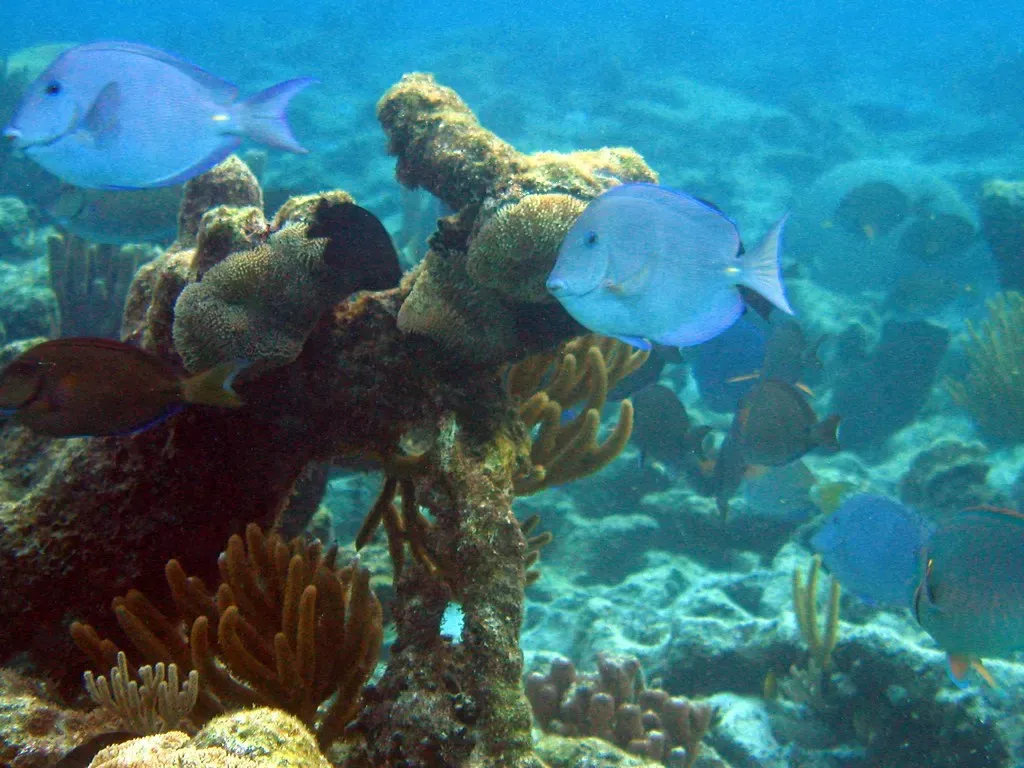
Swim off a beach onto a wall that drops past three thousand metres
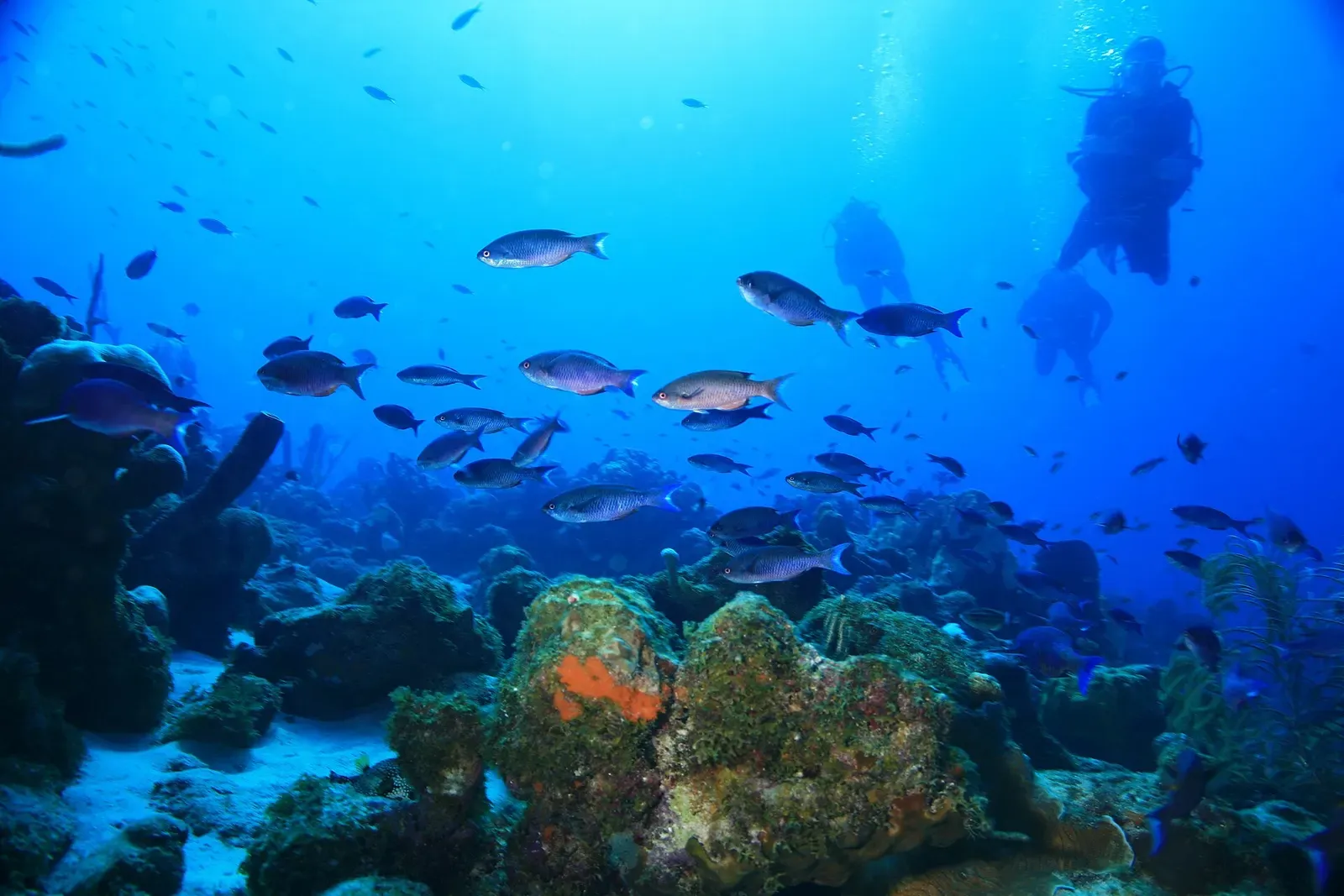
Shore-dive a mushroom-shaped coral garden, then a harbor-mouth cargo wreck
.jpg)
.jpg)

.jpeg)
A bronze Cousteau sits at 12 m in the reserve he made famous