Atlantic · Cabo Verde
Cabo Verde — Sal
Nurse sharks rest in Regona's volcanic cavern maze off Santa Maria
Photo: Charlotte Kirchner · CC BY 4.0
Sal's dive sites are built around volcanic tunnels and caverns rather than coral reef: Regona is a labyrinth of caves and horseshoe tunnels where nurse sharks rest on the sandy floor, Buracona is a sunlit cave open to the sky at 23 meters, and juvenile lemon sharks gather in the shallows of Shark Bay north of Santa Maria. Further out, Palmeira and Cavala add current-swept terrain, rays sheltering in an underwater cave, and barracuda schools, plus the wreck Kwarcit at 28 meters. Humpback whales pass offshore January to May, and the water stays warm year-round.
About diving in Cabo Verde — Sal
Diving is run out of Santa Maria at the island's southern tip, and the wind decides the shape of the day. There is no harbour here, only a beach and the old pier, so the routine is an early briefing, a wade out and a roll-in entry, and a scrubbed morning when the surf is up. Runs are short and the standard pattern is two dives before lunch. When the north-easterly blows hard, centres drive north instead and dive the sheltered west coast, which keeps a week's diving going through most conditions.
The rock is the attraction and it behaves nothing like a coral reef: hard black lava with tunnels, arches and collapsed roofs, sand-floored chambers, and gaps where light comes through a broken ceiling. Growth on the stone is sparse, scattered hard coral and encrusting life rather than a reef community, so the interest is topography and fish. Sites split between shallow, sheltered ground that is diveable on almost any day and more exposed terrain further out, where current runs and fish gather in bigger numbers. Visibility swings with the swell, so the same site can be sharp one morning and milky the next.
Sal is flat, dry and resort-driven, and diving here is usually one thread of a beach week rather than the whole trip. It is easy to arrange through the hotels, and it works for divers who want water in the low-to-mid twenties well outside the European summer and are not expecting coral or unbroken clarity. The single wreck is a small one, deep enough to make a short and carefully planned dive. The season has two peaks rather than one: April to June and again in October and November are the calmest and clearest, July and August are the least settled with swell closing exposed sites, and the January-February trades bring choppier days and the coolest water of the year.
When to dive Cabo Verde — Sal
| Jan | Feb | Mar | Apr | May | Jun | Jul | Aug | Sep | Oct | Nov | Dec |
|---|---|---|---|---|---|---|---|---|---|---|---|
| Fair | Fair | Good | Prime | Prime | Prime | Fair | Fair | Good | Prime | Prime | Good |
Apr–Jun and Oct–Nov bring the calmest seas and best visibility; Jul–Sep swell affects exposed sites, and Jan–Feb trade winds cool the water.
Getting there
Direct flights from several European cities land at the island's international airport near Espargos, a short transfer from Santa Maria, where the centres, hotels and beach sit within walking distance of each other. Diving is short boat runs off the beach and pier, a few shore entries, and a drive north to the leeward coast when the wind turns.
Wildlife calendar
Nurse sharks and rays sit out the day in the caverns and under ledges year-round, with steady small stuff for slow divers. Barracuda and jack schools are best on the exposed sites in the calm windows of April to June and October to November. Loggerheads nest on the island's beaches in late summer, and humpbacks pass in the first half of the year, seen from the boat rather than on a dive.
Dive types & marine life
- Cave & cavern
- Reef
- Wreck
- Drift
- Reef sharks
- Whales
- Sea turtles
- Stingrays
- Barracuda
- Reef fish swarms
- Macro critters
Notable dive sites in Cabo Verde — Sal
Regona
Cavern and tunnel labyrinth where nurse sharks rest on the sandy floor
Buracona
Sunlit cave open to the sky at 23 m, known for shifting blue light
Shark Bay
Shallow bay north of Santa Maria where juvenile lemon sharks gather
Kwarcit
Russian fishing boat scuttled in 2006, now an artificial reef at 28 m
Photos from Cabo Verde — Sal
Adrião · CC BY 3.0
Dive videos
Scuba Diving Sal Island in Cape Verde (Santa Maria): Kwarcit Shipwreck, Turtles & Marine Life to See · Splashpacker on YouTube
Photo credits
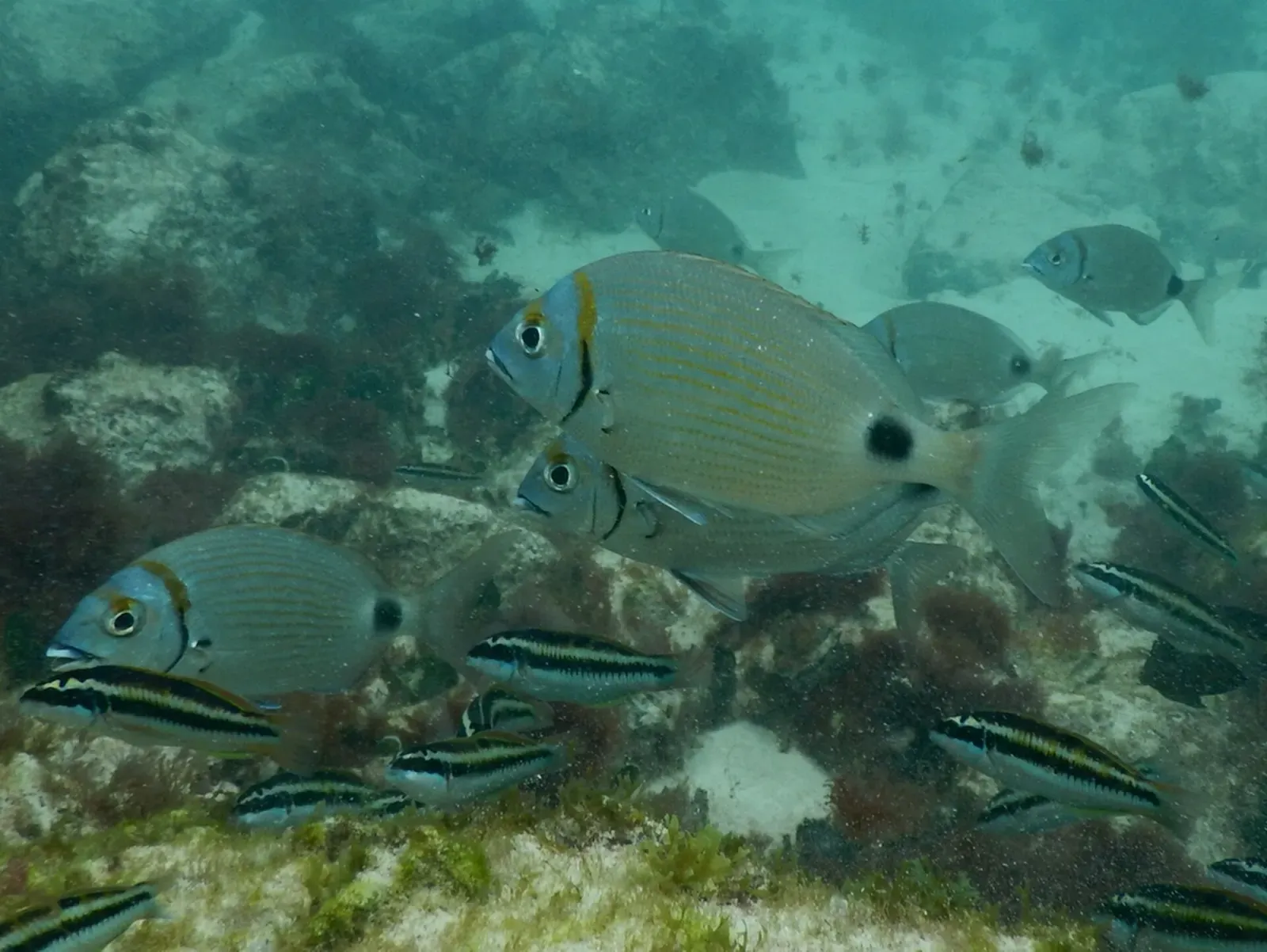
- A school of two-banded seabream hovers over volcanic rock and sand off Santa Maria, Sal by Charlotte Kirchner, CC BY 4.0, via Wikimedia Commons
- A natural pool cut into black volcanic rock connects to the ocean at Buracona on Sal island by Adrião, CC BY 3.0, via Wikimedia Commons
Similar destinations
Atlantic
Tenerife
Spain
Black sand and lava arches metres from shore, with resident pilot whales
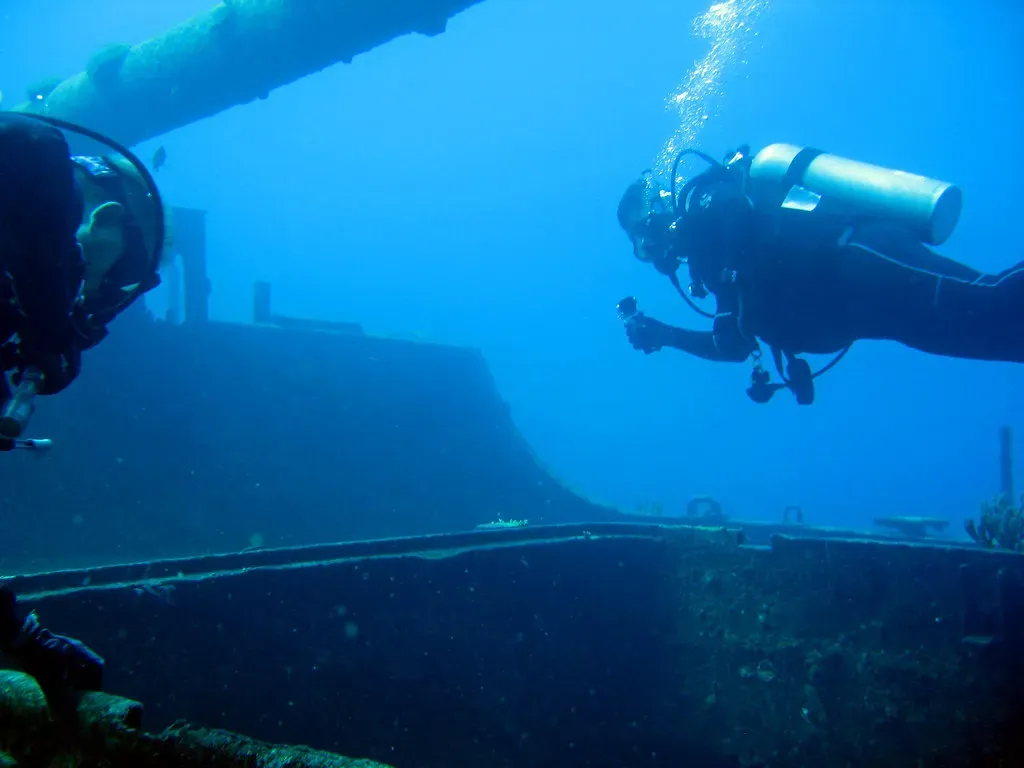
Around three hundred charted wrecks, most of them shallower than 20 m
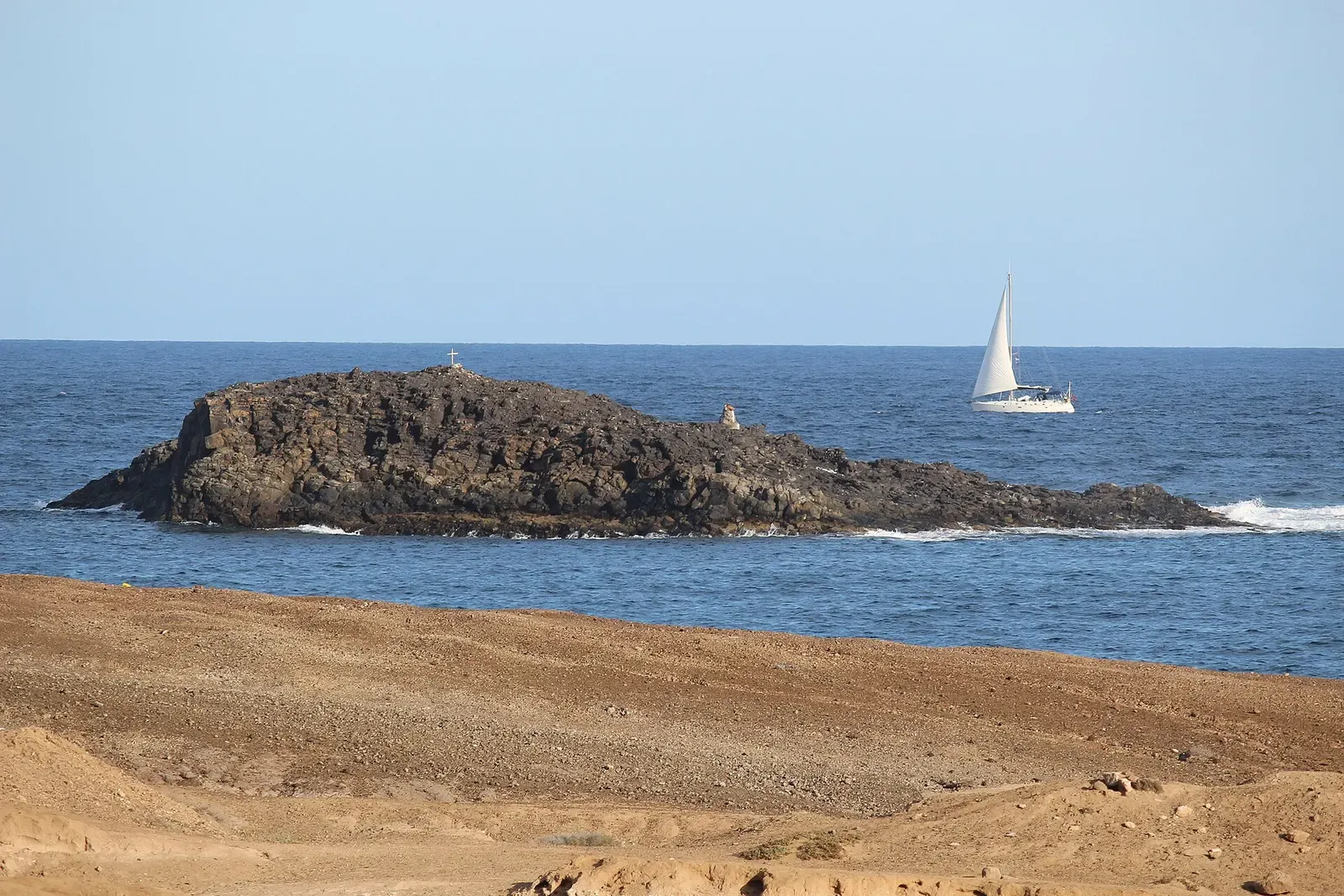
Lava arches, canyons and tunnels reachable from a rocky beach entry
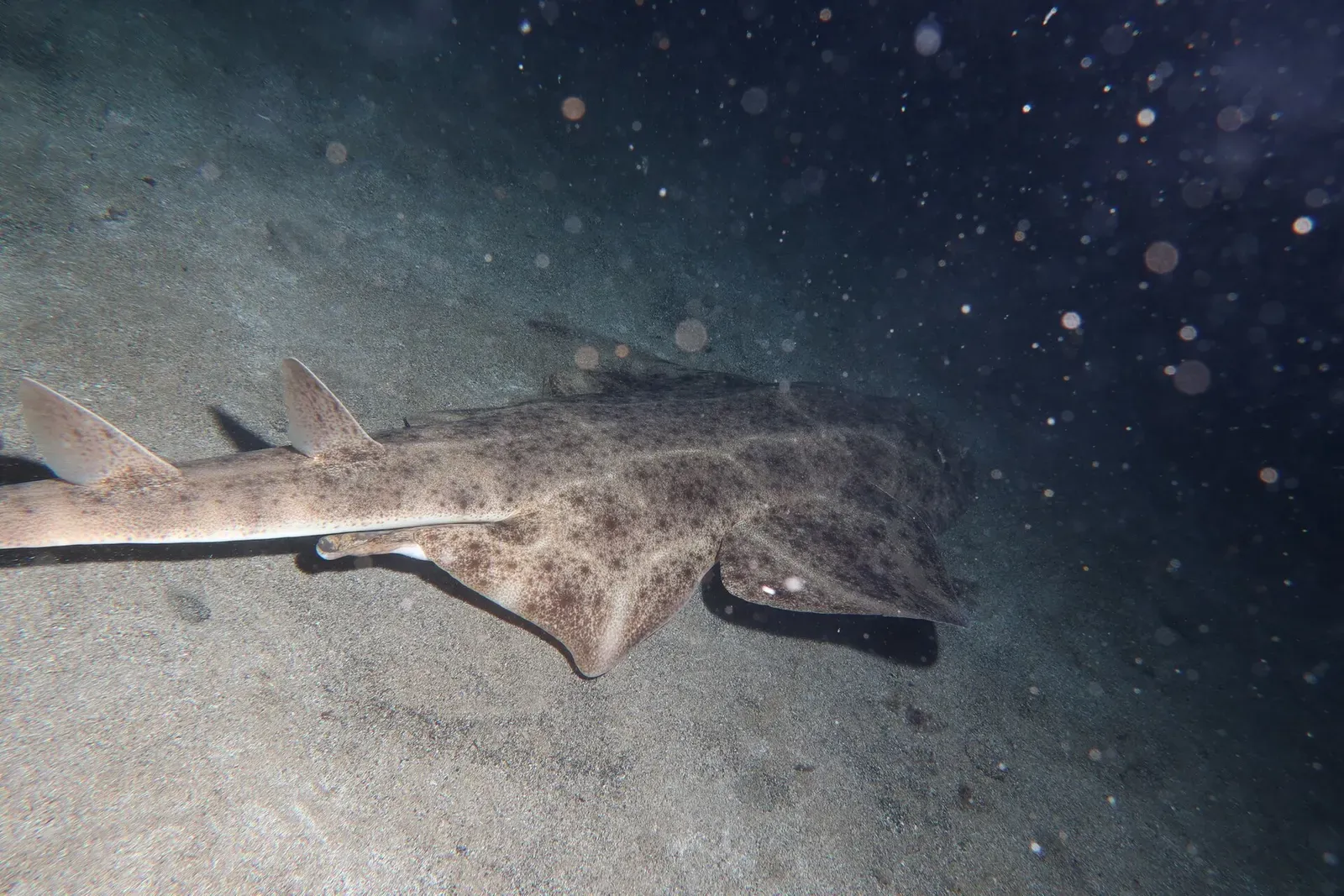

Three hundred concrete figures stand at 14 m in Europe's underwater museum