Africa · Comoros
Comoros — Mohéli
Thousands of green turtles nest on one protected stretch of coast
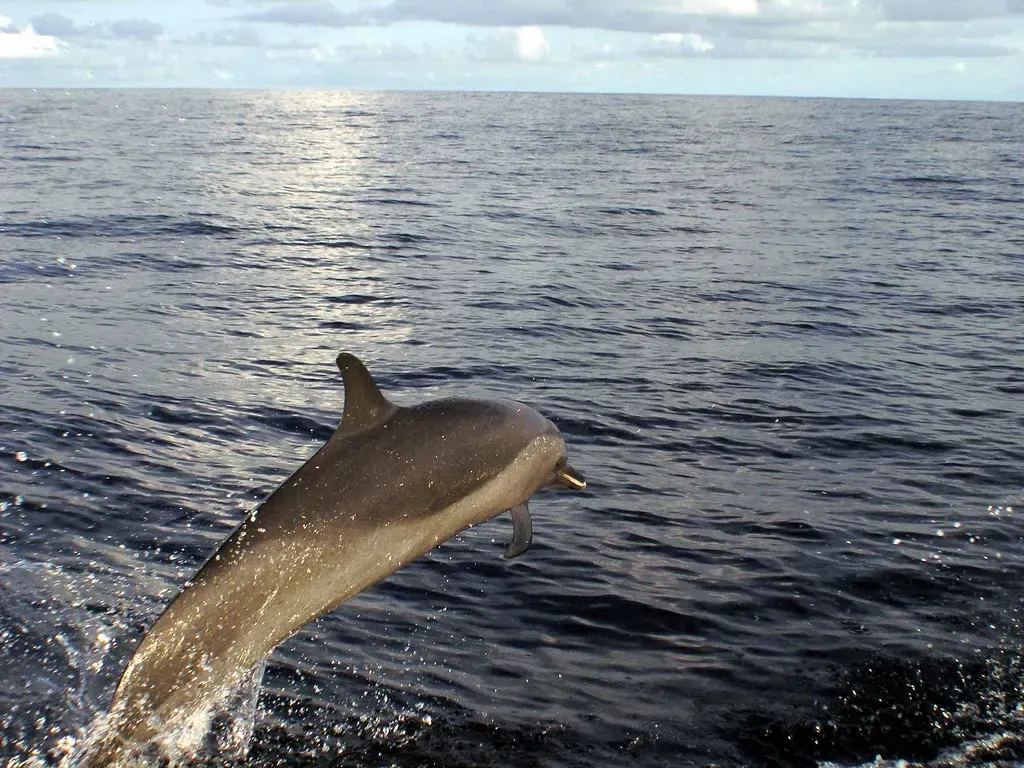
Photo: Daryl Wallace · CC BY-SA 2.0
Mohéli Marine Park, the Comoros' first protected area, covers the southern coast of the archipelago's smallest island and one of the largest green turtle rookeries in the Indian Ocean — several thousand females a year haul out at Itsamia. Underwater the reef is largely untouched, with hard coral in good condition, and humpbacks pass through between July and October. The archipelago is also where the coelacanth was rediscovered, though it lives far below diving depth.
About diving in Comoros — Mohéli
Diving Mohéli is closer to an expedition than a booking. Operators are very few, capacity is small, and everything has to be fixed before you arrive rather than walked into on the day. Boats are open skiffs running out of the south-coast villages, and a day is typically two dives among the offshore islets with the surface interval spent on a beach. The park is co-managed with those villages, so fees and a local guide come as part of the arrangement rather than as an option.
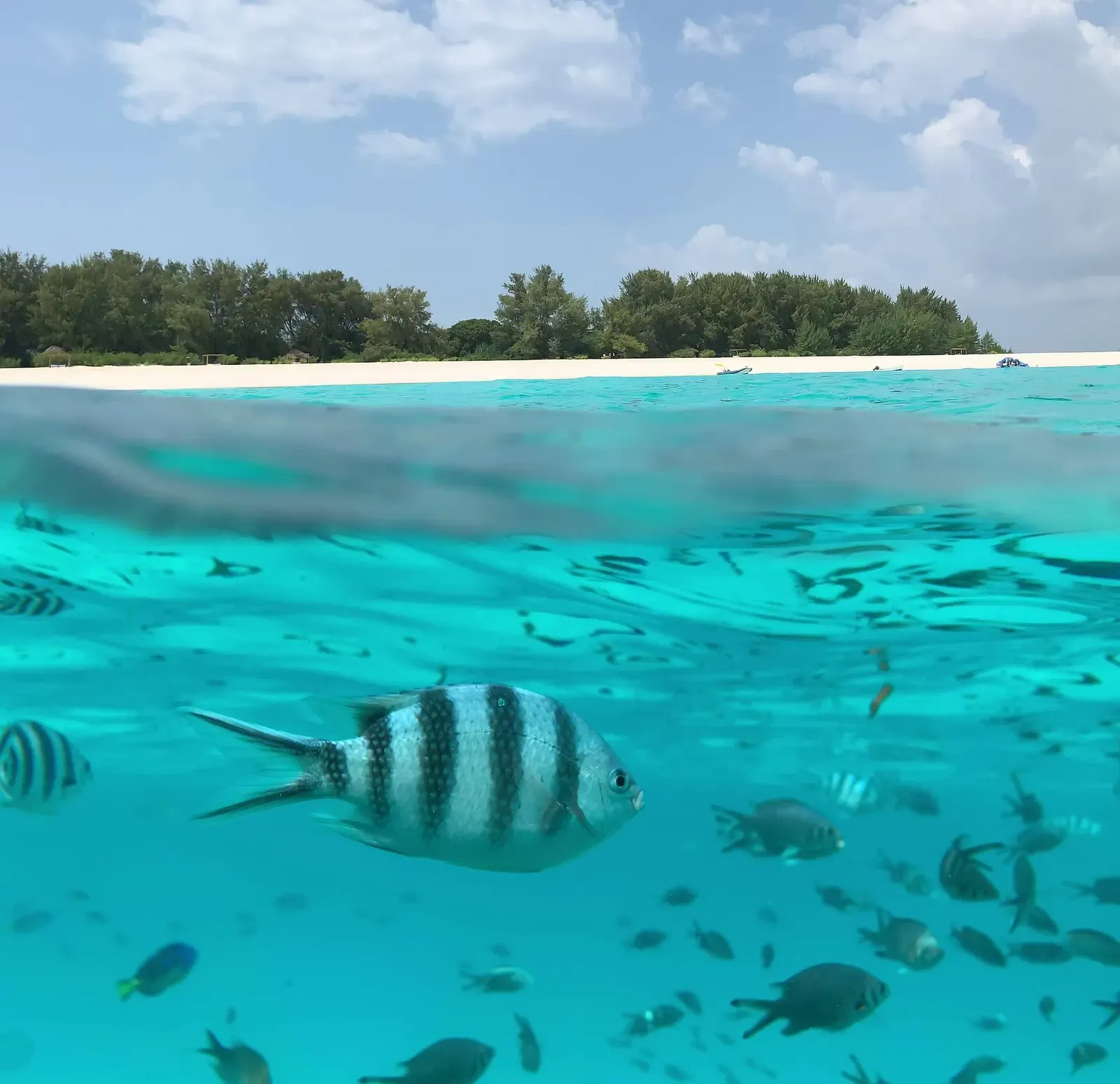
Underwater the park is fringing reef wrapped around the islets. The sheltered inner faces are shallow coral garden, gentle enough for a first dive, while the outer edges tip into blue and pick up enough moving water to be worked as a drift, with most of it inside 30 m. Coral holds up well on the sheltered ground, though the western Indian Ocean's bleaching years have left marks here as elsewhere and condition varies from islet to islet.
Turtles are what you spend most of a dive alongside: grazing on shallow reef, parked under ledges, rising past you on the ascent. The nesting beaches along this coast are patrolled by village associations, and poaching is the pressure they exist to hold off, so what you see in the water is the visible end of a long local effort. Beyond the turtles the appeal is emptiness, with few other boats and a reef nobody has arranged for visitors. It suits experienced, self-reliant divers who are relaxed about basic rooms and unreliable connections; anyone needing guaranteed daily diving should look elsewhere in the Indian Ocean.
When to dive Comoros — Mohéli
| Jan | Feb | Mar | Apr | May | Jun | Jul | Aug | Sep | Oct | Nov | Dec |
|---|---|---|---|---|---|---|---|---|---|---|---|
| Fair | Fair | Good | Good | Good | Prime | Prime | Prime | Prime | Prime | Good | Fair |
Apr–Nov is the dry season with the best conditions and humpbacks Jul–Oct; Dec–Mar brings rain and cyclone risk.
Getting there
Moroni on Grande Comore is the international gateway; Mohéli is then a short domestic flight or an inter-island boat, neither reliably scheduled, so allow buffer days at both ends. Nioumachoua on the south coast is the base for the park, with simple community-run lodging and all diving by small boat.
Wildlife calendar
Turtles are the everyday sighting and there is no season to plan around them. Humpbacks pass through roughly July to October, inside the June-to-October stretch the calendar rates highest. Reef sharks, napoleon wrasse and dense reef fish work the outer drop-offs, while dugongs are still reported in the seagrass but count as luck rather than itinerary.
Dive types & marine life
- Reef
- Wall
- Coral garden
- Drift
- Pelagic & blue water
- Sea turtles
- Whales
- Dolphins
- Reef fish swarms
- Reef sharks
- Napoleon wrasse
- Pristine corals
- Dugongs & manatees
Notable dive sites in Comoros — Mohéli
Nioumachoua Islets
Chain of eight islets inside the park with coral gardens and drop-offs.
Itsamia
Turtle nesting coast, with shallow reef and constant green turtle traffic.
Chissioua Ouenefou
Park islet with a wall dropping past 30 m and passing pelagics.
Mbouzi
Sheltered reef used when the southern coast is exposed to swell.
Dive videos
Comores Mohéli Plongée bouteilles et fonds marins coraux, tortues, raies, requins Dive Full / Dive · Hors Frontières on YouTube
Photo credits
- A long-beaked dolphin leaping from the sea near Mohéli, Comoros by Daryl Wallace, CC BY-SA 2.0, via Openverse
Similar destinations
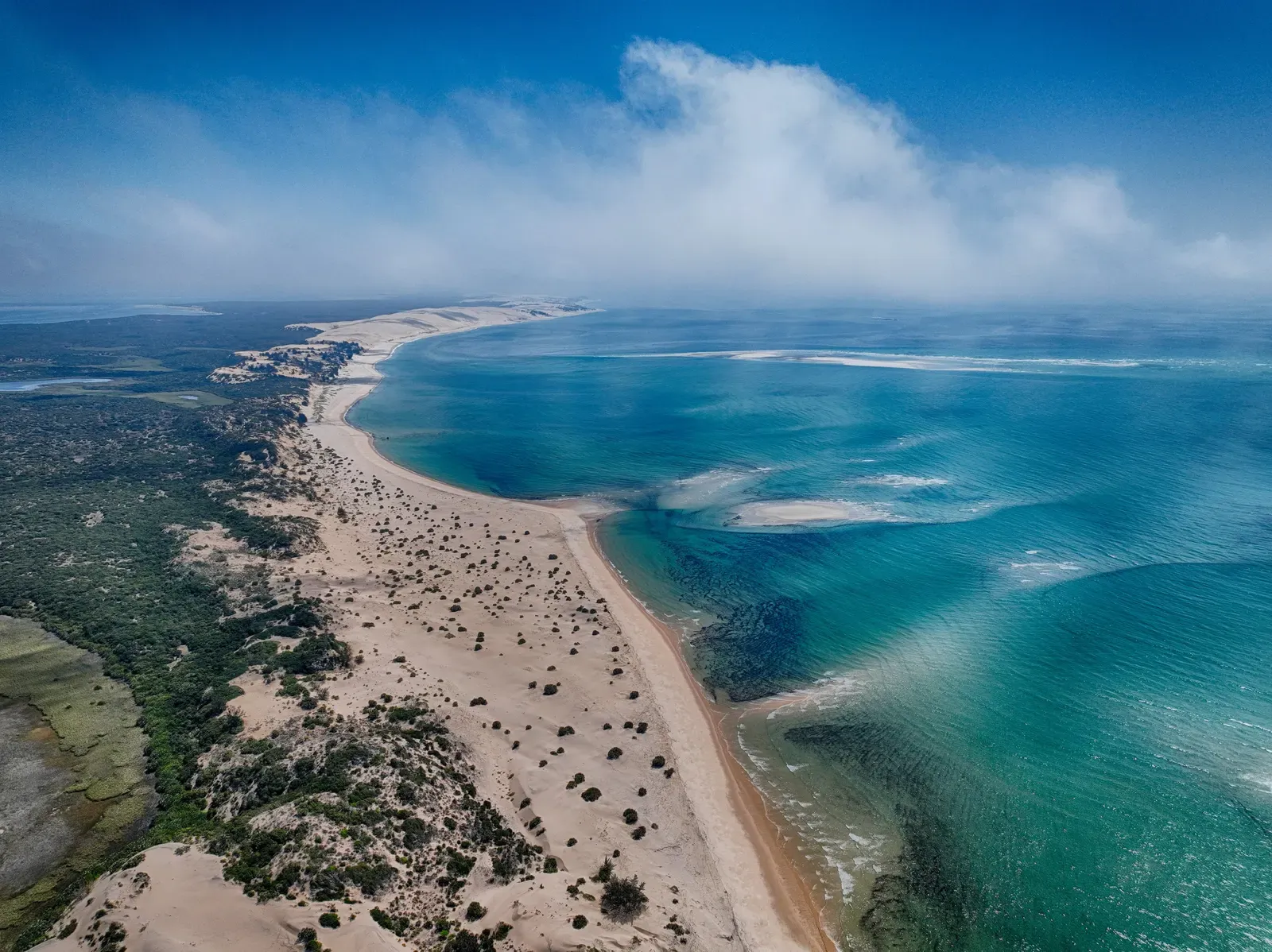
East Africa's last viable dugong population, in a 1971 national park
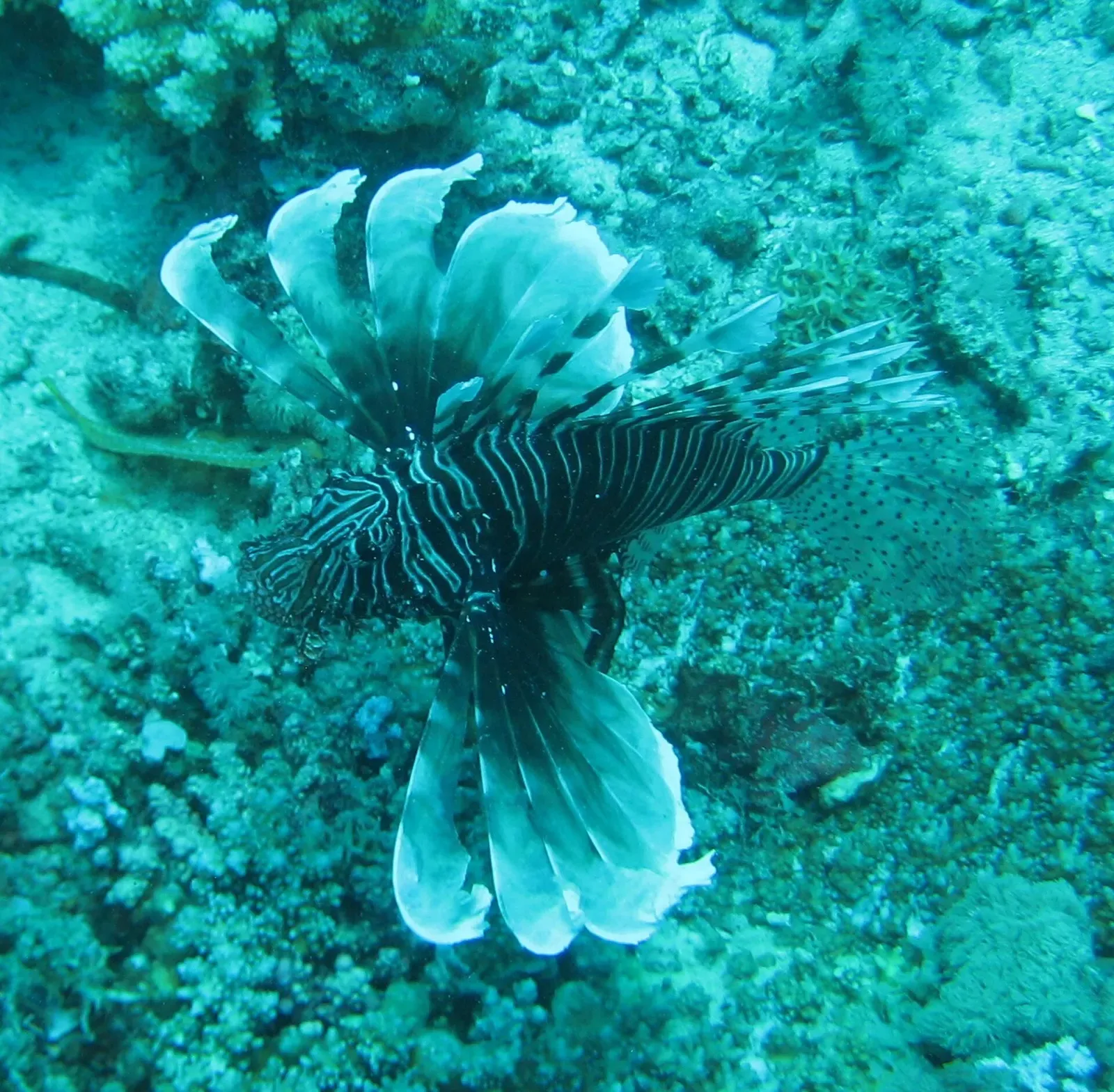
Tidal gaps flush an 800 m channel past sheer coral walls
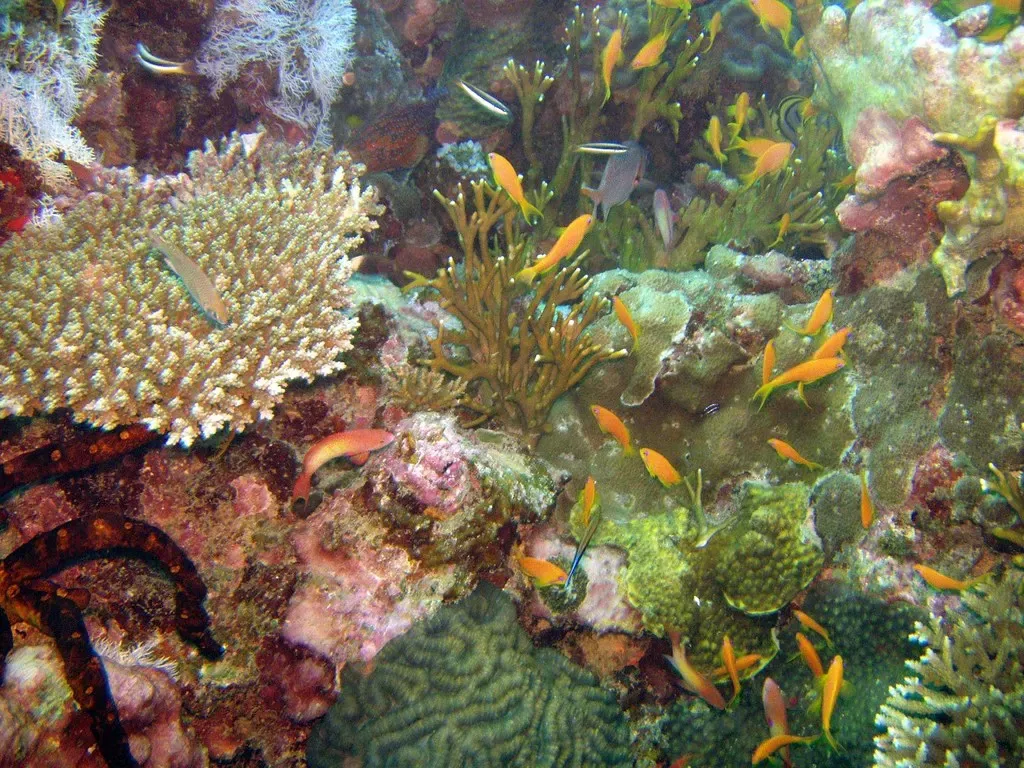
Juvenile whale sharks feed in shallow water off Mafia most of the year.
An atoll wall and easy coral slopes off Zanzibar's north-east corner