Caribbean · Mexico
Isla Mujeres
Hundreds of whale sharks feed shoulder to shoulder in open blue water
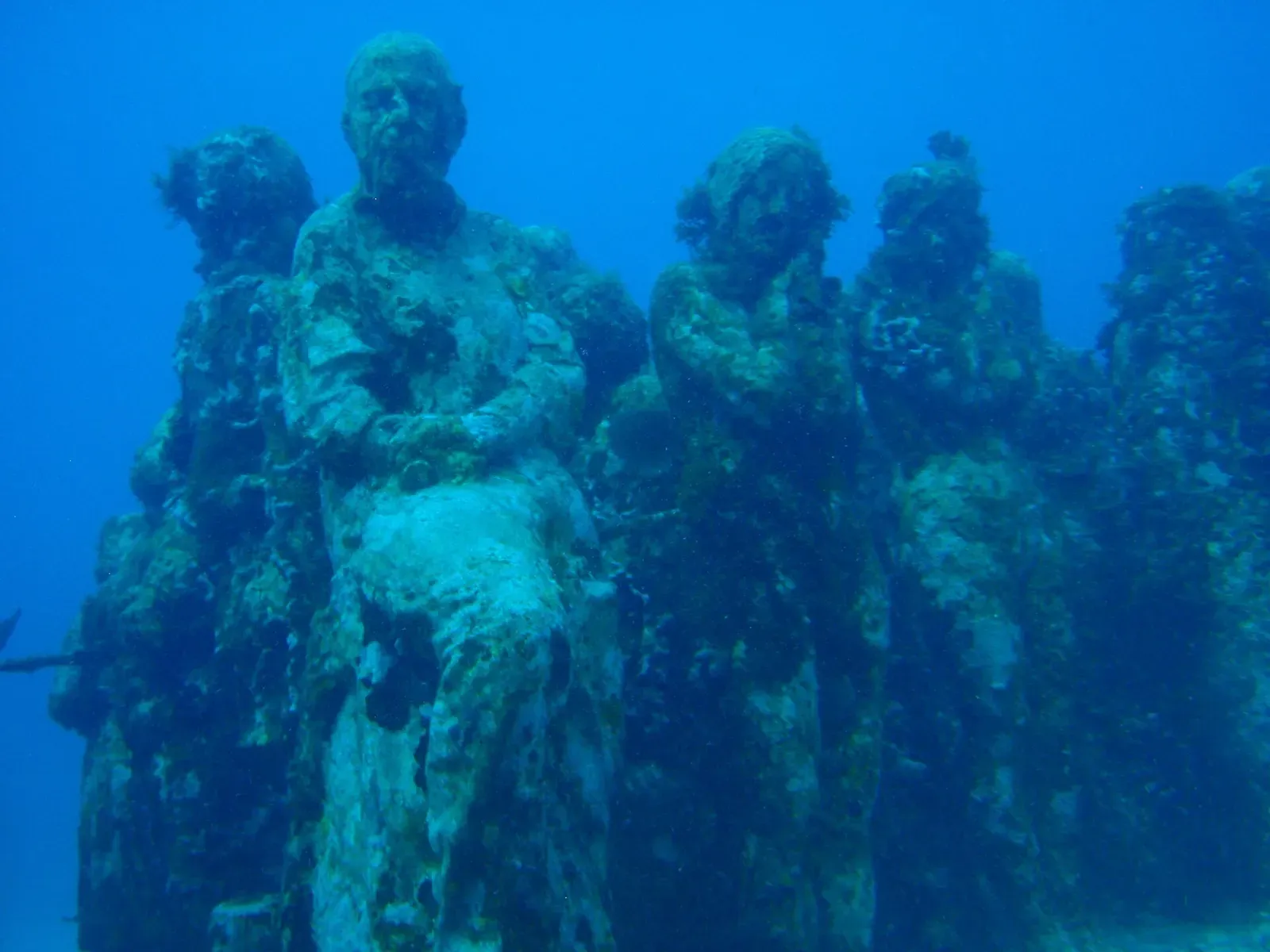
The water off Isla Mujeres hosts two of the Caribbean's great surface spectacles. From June to September several hundred whale sharks gather at a plankton bloom known as the afuera, feeding shoulder to shoulder in open blue water, and from January to March sailfish herd sardine baitballs against the surface off Isla Contoy. Both are snorkel-only by law. Below, scuba runs on Manchones Reef and through MUSA, an underwater museum of more than 500 concrete sculptures colonising into artificial reef.
About diving in Isla Mujeres
Two very different days run out of the same small harbour. The big-animal trips leave at dawn and head well offshore, then spend hours reading the surface, birds first and fins after; the permits that govern them put only two swimmers and a guide in the water at a time, in short rotations, wearing flotation and keeping hands off. The reef days are the opposite: a hop of minutes from the harbour, two tanks, back by early afternoon, usually on small open boats with a ladder over the stern. Most people mix the two rather than choosing.
Underwater this is the northern end of the Mesoamerican reef, and it is flat country. Expect low coral heads and spur-and-groove ridges on white sand in modest depths, not walls, with the sand channels between them acting as the crossing points for rays. A mild current normally runs along the reef line, so dives are worked as gentle drifts with the boat following bubbles. Visibility swings with the weather, glassy after a settled spell and milky green once wind has been stirring the shallows for a day or two.
The sculptures were sunk deliberately, to pull diver pressure off the natural reef near Cancún, and that is still how they dive: shallow, bright and busy, with snorkel boats working overhead and figures set out in clusters you swim between. It is a photographer's site above all, wide angle and hard overhead light on a subject that holds still, and it rewards the first slot of the day before the sand is churned. A second, shallower gallery on the Cancún side is worked mainly by snorkellers. The offshore wrecks are the counterweight, deeper and darker, with more current and more structure to read.
The mix suits beginners and mixed groups where not everyone dives, since depths are modest, conditions are forgiving and there is enough shallow reef and snorkelling to keep non-divers occupied. More experienced divers tend to use the island as a base and add cenote days on the mainland or a crossing to Cozumel. Timing matters more than usual, because the two headline seasons sit at opposite ends of the calendar: April falls in the gap between them, and October and November are the wettest and windiest months of the year.
When to dive Isla Mujeres
| Jan | Feb | Mar | Apr | May | Jun | Jul | Aug | Sep | Oct | Nov | Dec |
|---|---|---|---|---|---|---|---|---|---|---|---|
| Good | Prime | Prime | Fair | Good | Prime | Prime | Prime | Good | Fair | Fair | Good |
Whale sharks aggregate Jun–Sep, peaking in July and August; sailfish work baitballs Jan–Mar. Both are snorkel-only. Reef diving runs all year.
Getting there
Fly into Cancún and take the passenger ferry across from Puerto Juárez or the hotel zone, about twenty minutes. Most divers stay at the island's north end within walking distance of the shops, and all diving is by boat from the harbour. Whale shark trips are separate full-day charters run under national park permits; sailfish trips are full-day offshore runs too, leaving at first light.
Wildlife calendar
Whale sharks gather offshore from June into September, thickest in July and August, while sailfish work sardine baitballs in the first quarter of the year, most reliably in February and March. On the reef the cast holds all year: green and hawksbill turtles, eagle rays crossing the sand channels, barracuda on the wrecks and dense schools of small fish drifting over the sculptures.
Dive types & marine life
- Reef
- Pelagic & blue water
- Wreck
- Drift
- Whale sharks
- Marlin & sailfish
- Sea turtles
- Eagle rays
- Barracuda
- Reef fish swarms
- Sardine baitballs
Notable dive sites in Isla Mujeres
MUSA — Salón Manchones
Concrete sculpture gallery at 8 m, now grown over with coral.
Manchones Reef
Shallow, easy reef running parallel to the island in 10 m.
C-58 Minesweeper
Former US navy minesweeper sunk as an artificial reef at 24 m.
Ultrafreeze
Cargo wreck at 30 m, broken open and patrolled by big barracuda.
La Bandera
Reef and sand channel dive with eagle rays and nurse sharks.
Photos from Isla Mujeres
Andy Blackledge from Scottsdale, AZ, USA · CC BY 2.0
Andy Blackledge from Scottsdale, AZ, USA · CC BY 2.0
oscarajo · CC BY 3.0
Kirt Edblom from Albany, Oregon, United States · CC BY-SA 2.0
Dive videos
Scuba Diving The Biggest Museum In The World | MUSA · Adam Radcliffe on YouTube
Photo credits
- Coral-encrusted human statues stand in a row on the seabed at the MUSA sculpture museum by Andy Blackledge from Scottsdale, AZ, USA, CC BY 2.0, via Wikimedia Commons
- A coral-covered Volkswagen Beetle sculpture rests on the seabed at the MUSA underwater museum by Andy Blackledge from Scottsdale, AZ, USA, CC BY 2.0, via Wikimedia Commons
- A concrete house sculpture encrusted with coral sits on the seabed at the MUSA underwater museum by Andy Blackledge from Scottsdale, AZ, USA, CC BY 2.0, via Wikimedia Commons
- Sunlight filters through turquoise water onto a coral reef formation off Isla Mujeres by oscarajo, CC BY 3.0, via Wikimedia Commons
- A turquoise lagoon and shallow reef flat seen from the cliffs of Parque Nacional Garrafon by Kirt Edblom from Albany, Oregon, United States, CC BY-SA 2.0, via Wikimedia Commons
Similar destinations
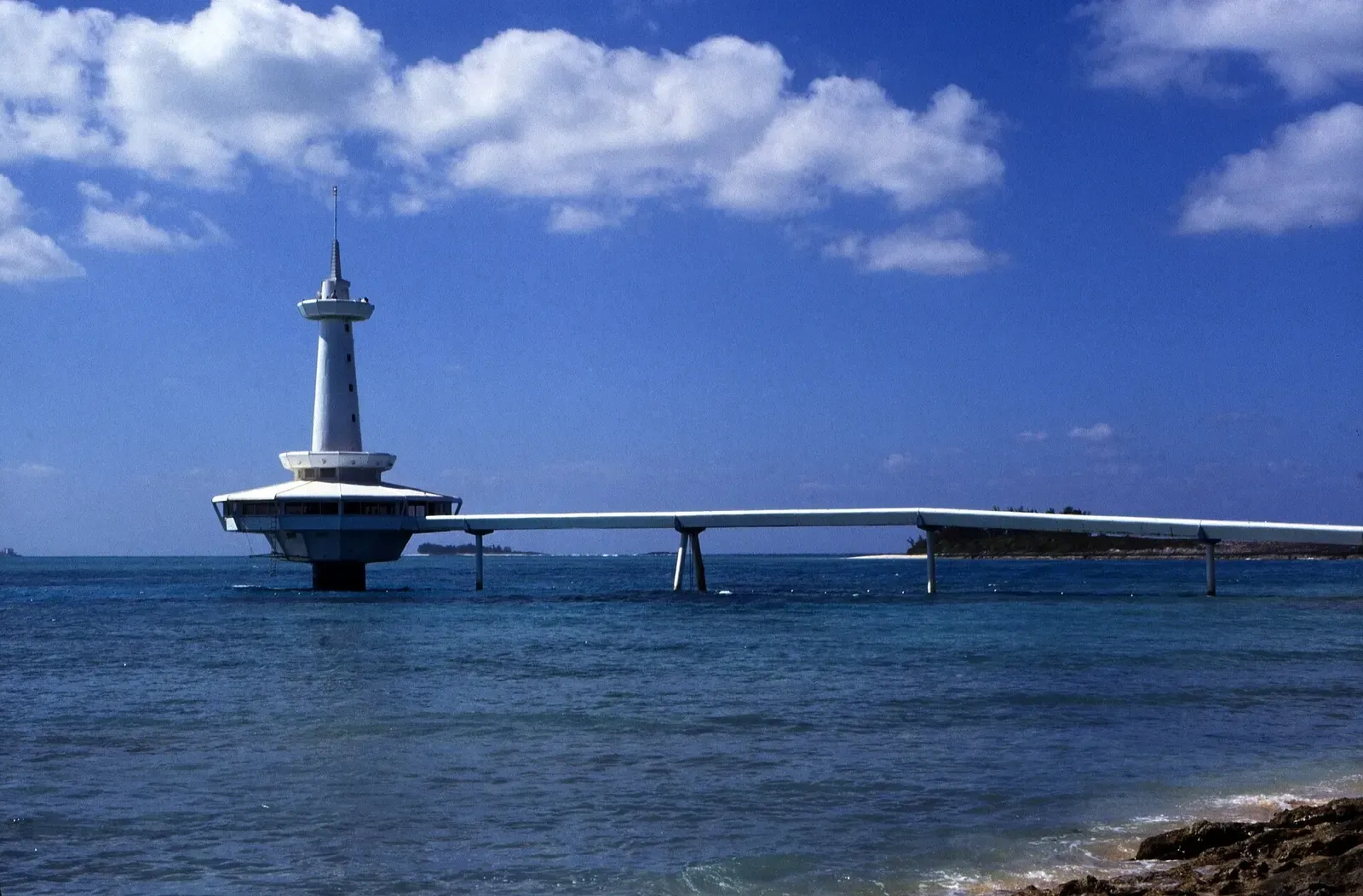
Two dozen reef sharks circle a baited arena in 12 m of water
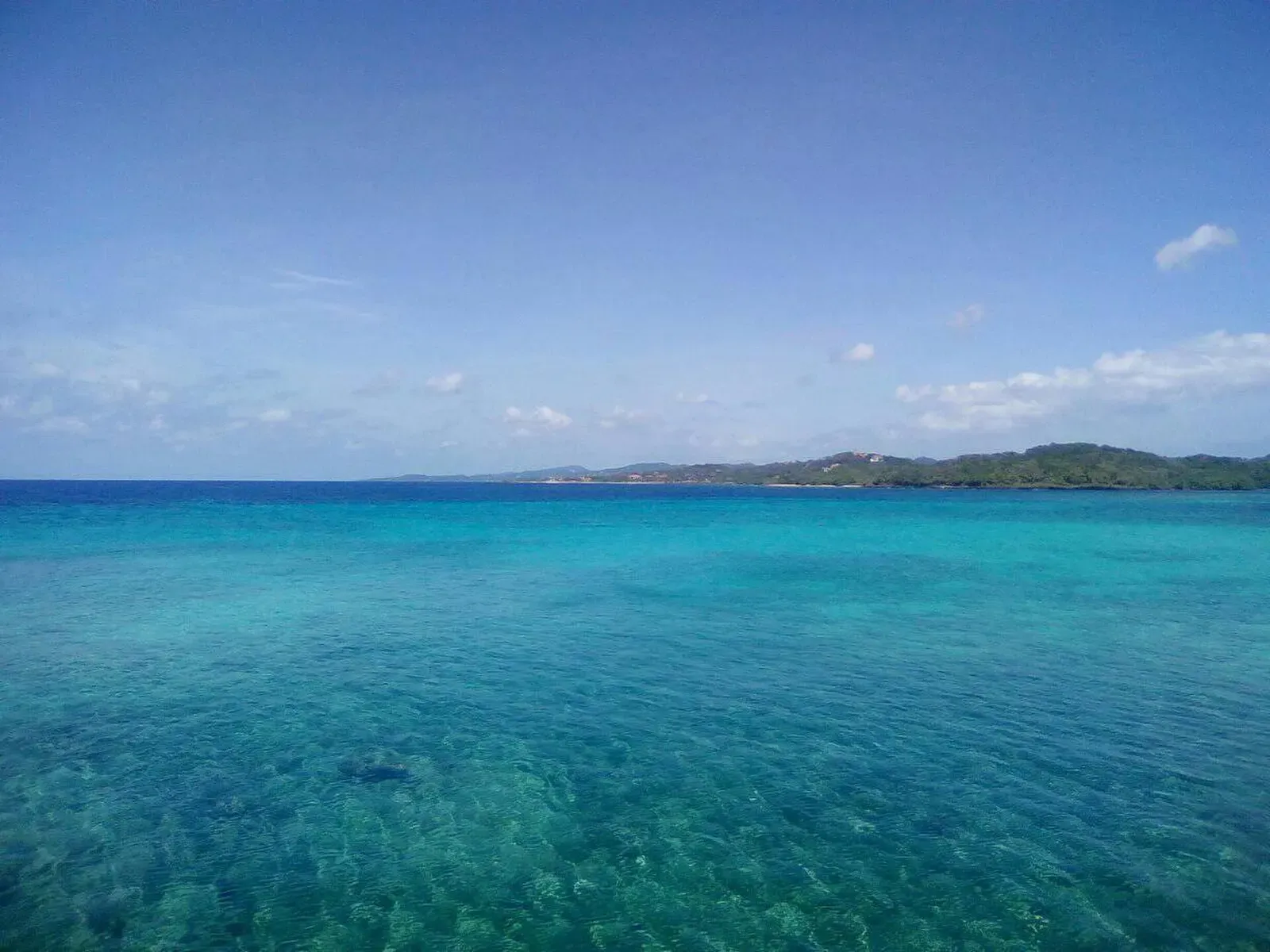
Walk in from a beach resort and be on a coral wall within a five-minute swim
.jpg)
.jpg)
.jpg)

.jpg)
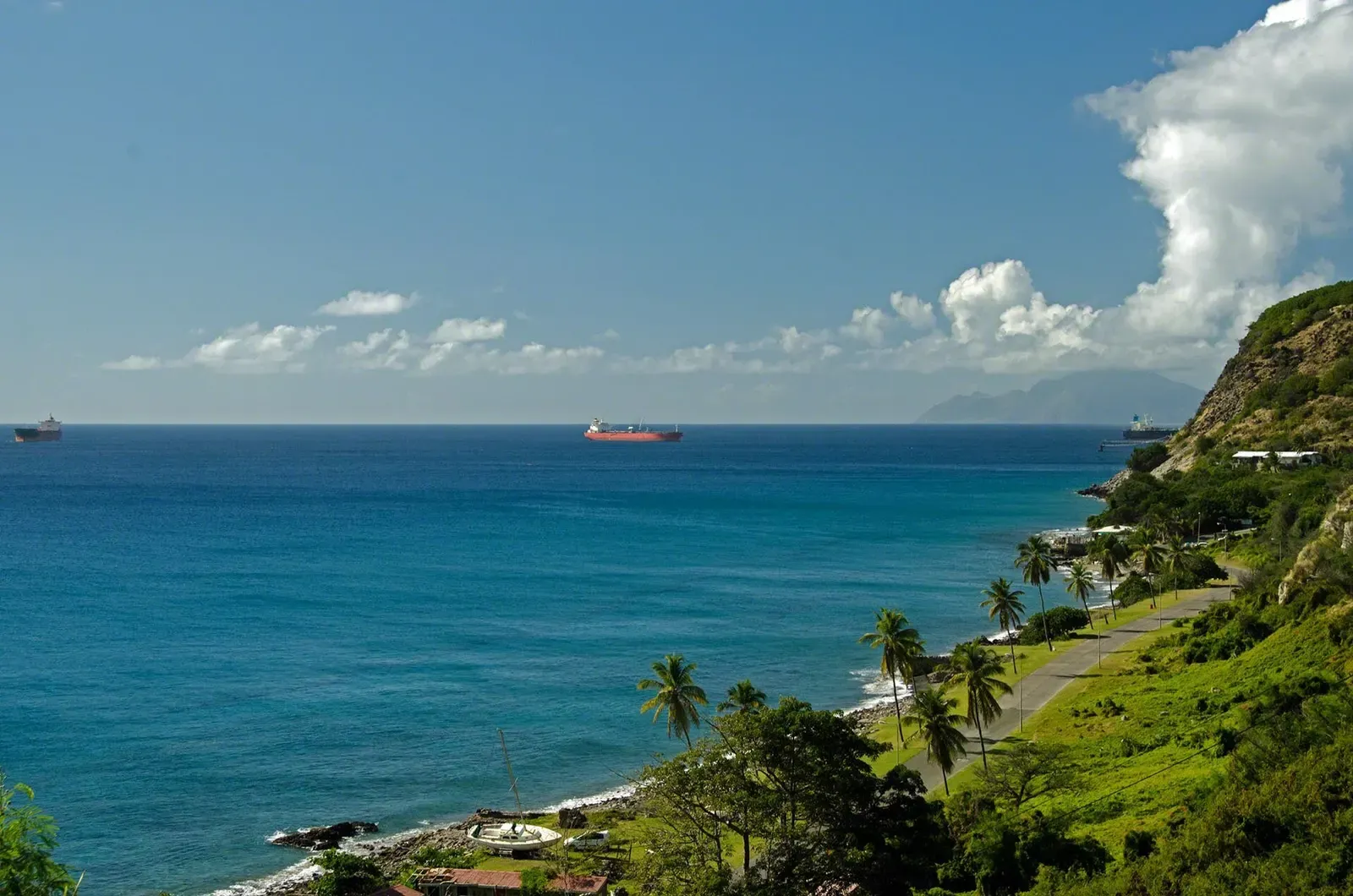
Swim over the ballast blocks of a drowned eighteenth-century port
Caribbean
Cat Island
Bahamas
One of the few reliable places on earth to dive with oceanic whitetips