East Asia · Japan
Izu Peninsula — Osezaki & IOP
Japan's macro heartland on a sand slope three hours from Tokyo
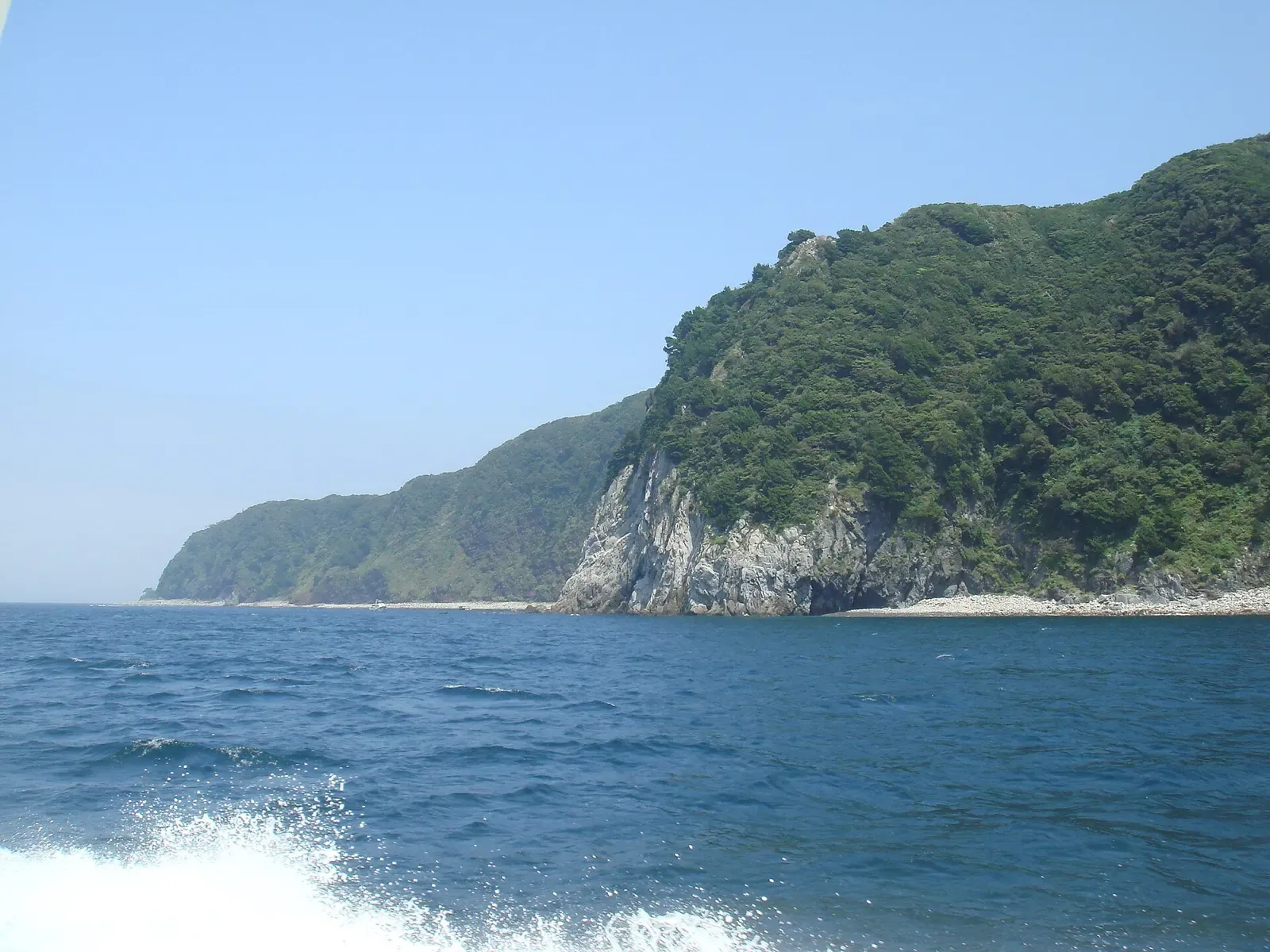
Photo: PHGCOM · CC BY-SA 3.0
Osezaki is a shingle spit reaching into Suruga Bay, and the sand slope on its sheltered side falls to 40 m in water that Tokyo divers reach in three hours. It is Japan's macro heartland: frogfish, seahorses, ghost pipefish and a seasonal cast that turns over completely through the year, all reliably findable by guides who dive the same slope every day. Round the point, Izu Ocean Park is rocky and kelp-covered, colder and clearer, with a very different set of animals.
About diving in Izu Peninsula — Osezaki & IOP
A day here looks nothing like a boat trip. Divers park behind the beach, pay the facility fee at the local diving association hut and trolley their gear down to the water, then repeat that two or three times with surface intervals spent in the shop. Guides brief off laminated sheets of what is currently on the slope, because the cast turns over week to week and the finds are marked rather than stumbled upon. Weekends draw a crowd out of Tokyo, so weekday diving is noticeably calmer.
Osezaki's sheltered side faces the inner bay: dark sand and silt, gently graded, with sunken ropes, markers and debris that critters colonise and guides revisit dive after dive. Round the tip of the spit the ground turns steeper and colder as it falls away toward Suruga Bay proper, the deepest bay in Japan, and clarity improves with it. Izu Ocean Park sits on the peninsula's other coast, facing Sagami Bay: volcanic rock, seasonal kelp, arches and pinnacles off a stepped shore entry.
What people come for is turnover. The Kuroshio pushes tropical larvae up the coast through late summer, and the juveniles that settle on the slope in autumn - Japanese divers call them shimetsu-kaiyugyo, roughly 'doomed migrants' - mostly will not last the winter, which is exactly why photographers time trips for them. The cold months swing the other way: the water clears, the shallow rock fills with nudibranchs, and dives get slower and more deliberate. Plankton can turn the water milky from spring into early summer and cut visibility to a few metres.
It rewards patience above all else. Divers happy to spend fifty minutes covering a few metres of sand with a guide who knows where a subject sat yesterday get more from this slope than most coastlines offer, and Tokyo shops run certification and refresher weekends on the same sheltered ground. Anyone hoping for coral gardens or big animals should look south instead; this coast trades them for detail.
When to dive Izu Peninsula — Osezaki & IOP
| Jan | Feb | Mar | Apr | May | Jun | Jul | Aug | Sep | Oct | Nov | Dec |
|---|---|---|---|---|---|---|---|---|---|---|---|
| Good | Prime | Prime | Good | Good | Fair | Good | Good | Prime | Prime | Prime | Good |
Autumn brings the widest range of critters as tropical strays arrive on the Kuroshio; winter is coldest at 14°C but clearest.
Getting there
This is car country more than boat country. Tokyo divers drive down; by train it is the Shinkansen to Mishima, a local train on to Numazu and a bus or shop pickup out to Osezaki, or the east-coast line down past Ito for Izu Ocean Park. Shops sit within walking distance of the entries and handle tanks, tickets and rinse space.
Wildlife calendar
Autumn casts the widest net, when juvenile tropical fish arrive on the Kuroshio and hold on the slope until the cold clears them out. Nudibranchs run the other way, densest through the clear February and March window. Late spring brings bigfin reef squid in to lay eggs on sunken brush, and octopus and cuttlefish show best after dark.
Dive types & marine life
- Muck & macro
- Reef
- Kelp forest
- Night
- Wall
- Frogfish
- Macro critters
- Nudibranchs
- Octopus & cuttlefish
- Squid
- Reef fish swarms
Notable dive sites in Izu Peninsula — Osezaki & IOP
Osezaki Bay
Sheltered sand slope to 30 m, the main macro ground and training site.
Osezaki Outer Slope
Exposed side dropping past 40 m, colder and clearer than the bay.
Izu Ocean Park
Rocky shore entry with kelp, a purpose-built pool and deeper pinnacles.
Futo
East-coast rock and sand site known for seasonal juveniles and squid.
Photos from Izu Peninsula — Osezaki & IOP
690 Noda · CC BY 3.0
Tanya Korshunova · CC BY-SA 4.0
Tanya Korshunova · CC BY-SA 4.0
Dive videos
SCUBA Diving at Osezaki, in Numazu, Shizuoka, Japan - What is it like? · Pinnacle Diving Company on YouTube
Diving at Izu Ocean Park (IOP), Japan · Pinnacle Diving Company on YouTube
Photo credits
- Wooded cliffs of the Izu Peninsula's west coast seen from a boat, with waves breaking below by PHGCOM, CC BY-SA 3.0, via Wikimedia Commons
- Wooded spit of Cape Ose reaching into Suruga Bay with Mount Fuji rising beyond by 690 Noda, CC BY 3.0, via Wikimedia Commons
- Translucent nudibranch with slender orange-tipped cerata on a branching hydroid by Tanya Korshunova, CC BY-SA 4.0, via Wikimedia Commons
- Pale nudibranch with long tapering horns crawling across a dark seafloor by Tanya Korshunova, CC BY-SA 4.0, via Wikimedia Commons
Similar destinations
East Asia
Amami Ōshima
Japan
Pufferfish sculpt two-metre geometric nests into the sand at 25 m
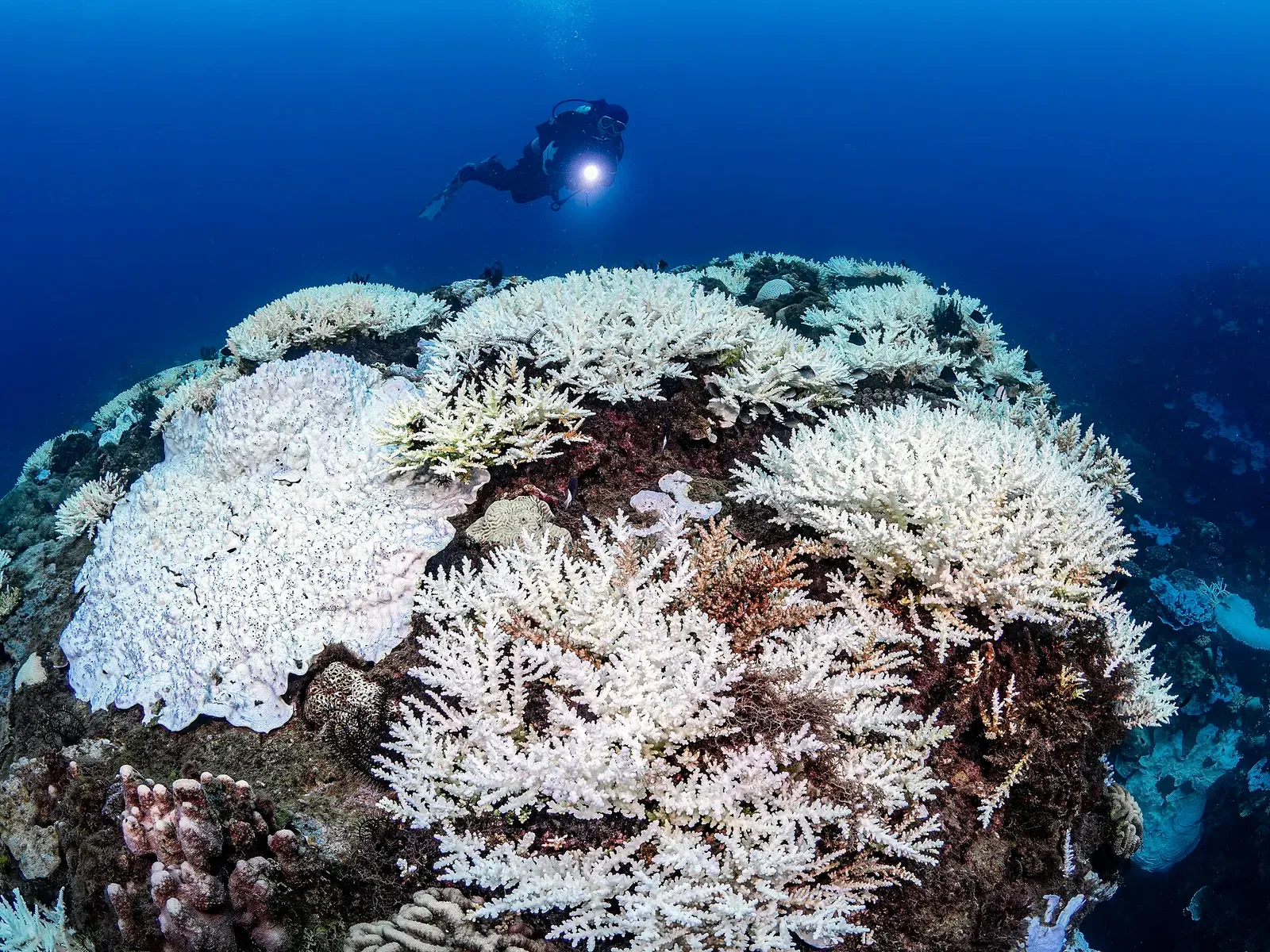
Shore-entry coral slopes at the warm southern tip of Taiwan
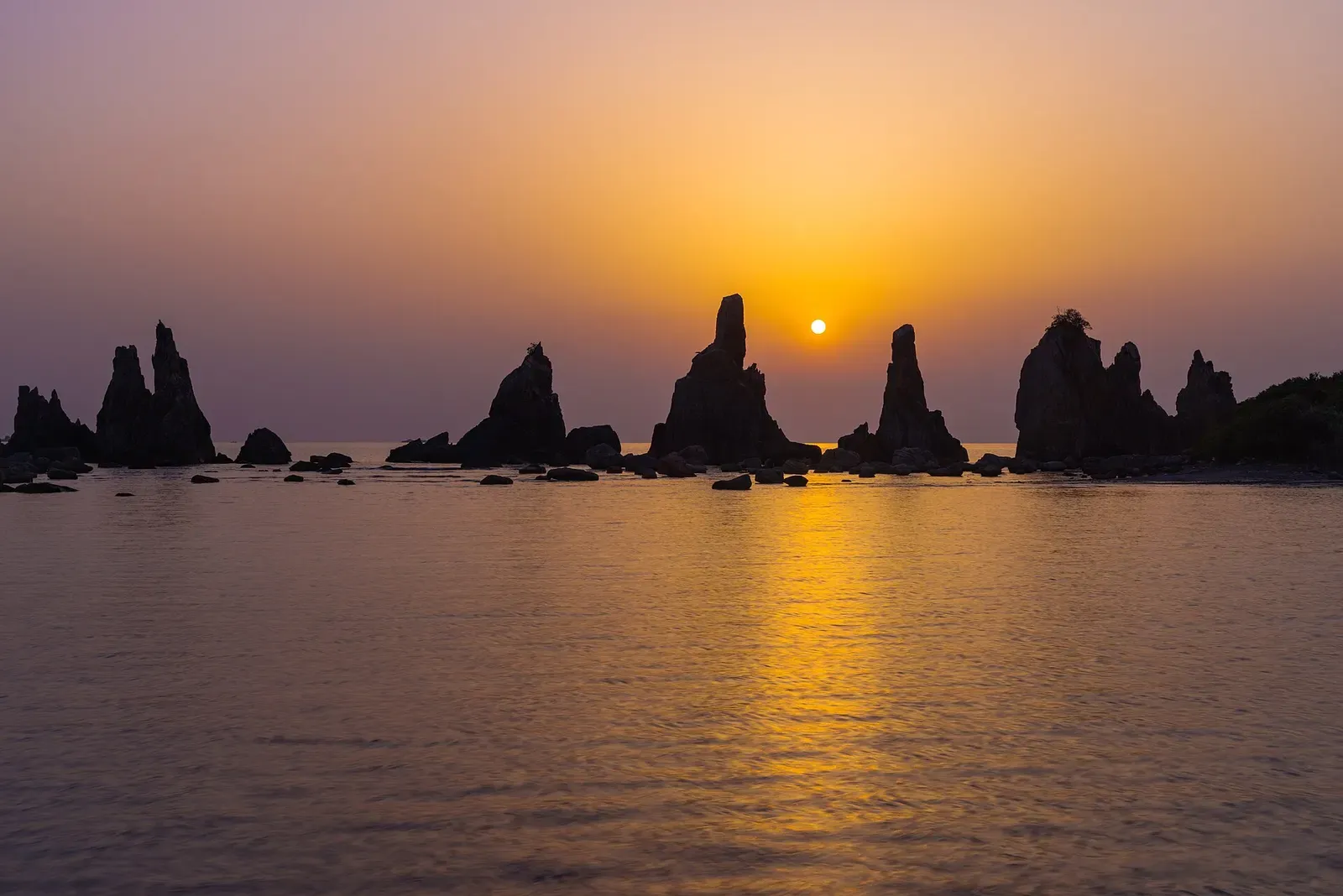


The world's northernmost table coral reef, growing at 33° north
East Asia
Japan's most-dived site, a limestone cavern lit blue from below