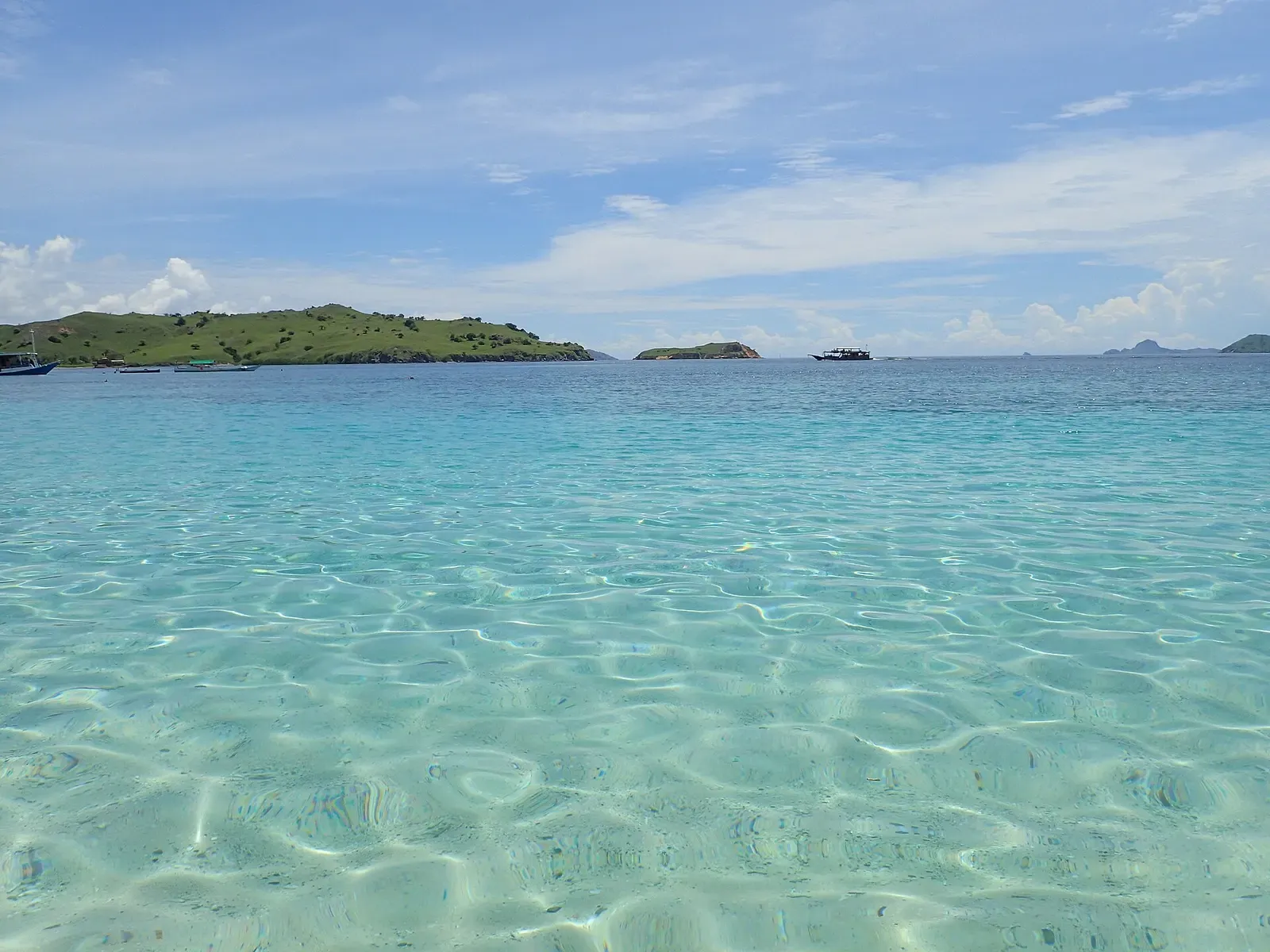
Coral Triangle · Indonesia
Komodo
Cold upwellings feed current-swept pinnacles thick with sharks and schooling trevally.
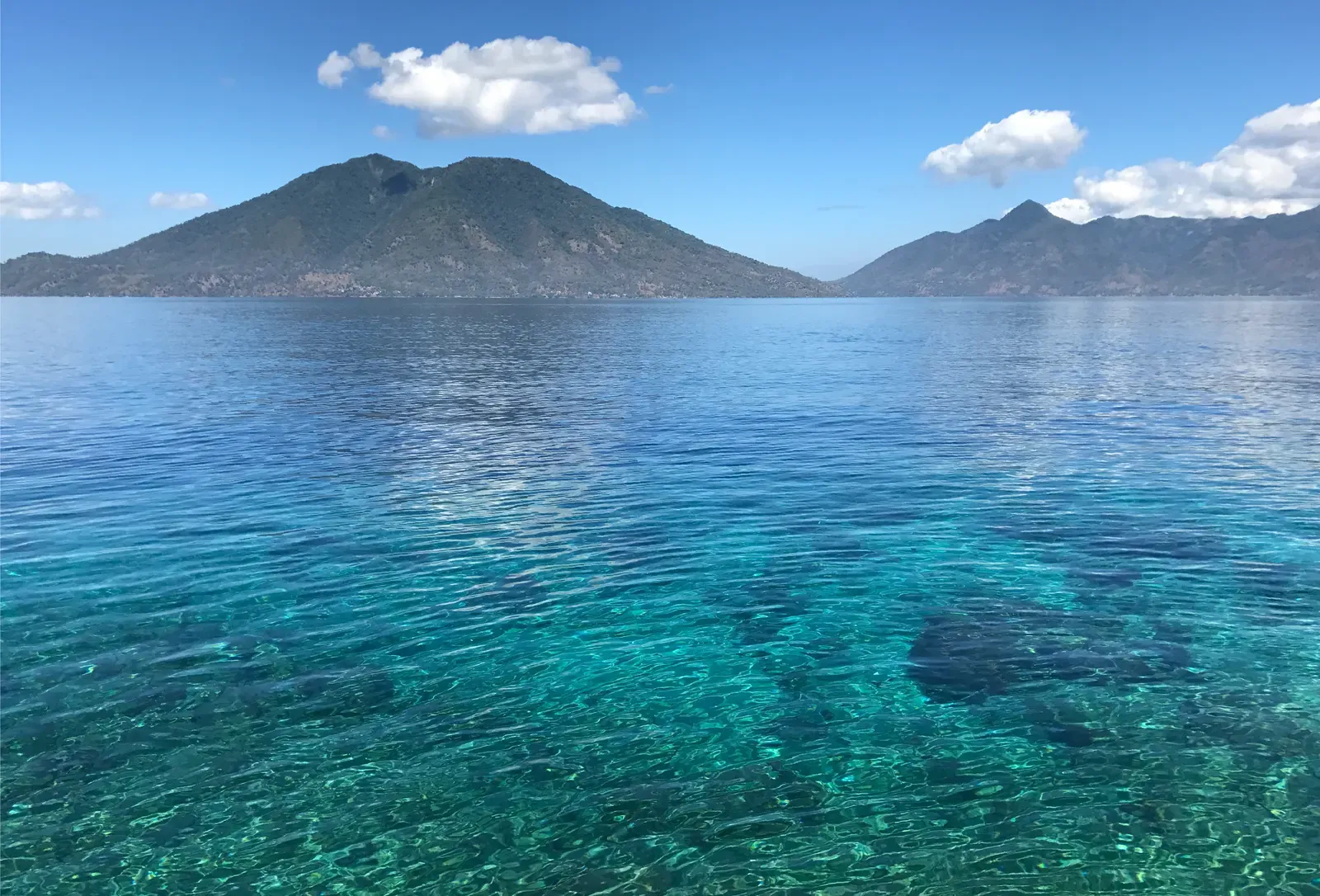
Photo: Hotel Kaesong · CC BY-SA 2.0
Komodo National Park sits in the strait between Flores and Sumbawa, where warm water flowing from the Flores Sea meets cold upwelling from the Indian Ocean, producing nutrient-rich currents that feed dense reef life. Dive sites like Batu Bolong and Castle Rock are current-swept pinnacles crowded with fusiliers, trevally, and reef sharks, while muck sites such as Cannibal Rock hold frogfish and pygmy seahorses on black volcanic sand. Southern sites can drop into cold, plankton-green water within a single dive.
About diving in Komodo
The park is dived two ways. Day boats leave Labuan Bajo in the morning, steam an hour or two to the central island group, fit in three dives and are back at dusk; the far south is beyond comfortable reach that way, so it belongs to liveaboards and the occasional long charter. Either way the day is set by the tide table rather than the clock. Guides pick sites for a particular slack or a particular direction of flow, and a plan can be rewritten on the water when the current arrives early.
North and south feel like separate destinations. The northern sites are warmer and generally clearer, built around seamounts and pinnacles standing in open water, where the fish stack up on the current-facing side. The south is where the cold arrives: green with plankton, cool enough that regulars dive hooded and in thicker suits, and lined with soft-coral slopes and dark-sand bays. Between them run the channels, and it is the channels that make the reputation.
Diving those channels is what people come back for. Entries are negative and immediate, the boat follows bubbles instead of sitting on a mooring, and a dive can cover a lot of ground while you hold still. The current does not only run along the reef; it can push down as well, so briefings cover what to do if the bottom starts dropping away beneath you. Topside gives the trip an unusual second half, with ranger-guided walks to see the dragons and the ridges above the anchorages.
This suits divers with drift experience and a settled sense of where the reef is, and it rewards good buoyancy and a willingness to be moved. Courses do run from Labuan Bajo on sheltered reefs near town, but the pinnacles are not where you learn, and most operators want an SMB on you for blue-water pickups. Every month is diveable: June through October rate highest, on the hardest upwelling, while the wetter turn of the year is warmer and greener and southern crossings depend more on the weather.
When to dive Komodo
| Jan | Feb | Mar | Apr | May | Jun | Jul | Aug | Sep | Oct | Nov | Dec |
|---|---|---|---|---|---|---|---|---|---|---|---|
| Good | Good | Good | Good | Good | Prime | Prime | Prime | Prime | Prime | Good | Good |
June–October brings the strongest upwelling and best visibility; the wetter December–March period is manta season at the southern sites.
Getting there
Flights go to Labuan Bajo on Flores, usually connecting through Bali, and the town is the base for everything, with dive shops, day boats and liveaboard departures along the harbour front. National park entry fees are charged on top of the dive price. Diving is boat-based, and the south of the park realistically needs a liveaboard.
Wildlife calendar
Reef sharks, trevally, tuna, eagle rays and napoleon wrasse hold on the pinnacles year-round, thickest during the June-to-October upwelling. Mantas are most reliable at the southern cleaning stations in the wetter December-to-March stretch. Frogfish, pygmy seahorses and nudibranchs stay on the southern sand slopes all year, though the plankton feeding them cuts visibility.
Dive types & marine life
- Drift
- Wall
- Muck & macro
- Pelagic & blue water
- Reef
- Manta rays
- Reef sharks
- Sea turtles
- Napoleon wrasse
- Trevally & jacks
- Tuna
- Pygmy seahorses
- Frogfish
- Nudibranchs
- Eagle rays
Notable dive sites in Komodo
Batu Bolong
Current-swept pinnacle covered in soft coral and reef fish.
Castle Rock
Strong-current seamount known for grey reef sharks and trevally.
Crystal Rock
Shallow bommie with dense fish life and frequent current.
Manta Point
Cleaning station where mantas glide close over cleaner wrasse.
Cannibal Rock
Muck site on volcanic sand thick with frogfish and seahorses.
Photos from Komodo
Thomas Fuhrmann · CC BY-SA 4.0
Hotel Kaesong · CC BY-SA 2.0
Hotel Kaesong · CC BY-SA 2.0
Hotel Kaesong · CC BY-SA 2.0
Dive videos
[4K] KOMODO ISLAND DIVING-The Ultimate diving adventure 코모도다이빙#bluemarlindive #labuanbajo #indonesia · Mr. Oh on YouTube
Diving Komodo 4K MY Adelaar · surgeonfish1 on YouTube
Photo credits
- Turquoise water fades to deep blue off Pink Beach with green hills and anchored boats in Komodo National Park. by Hotel Kaesong, CC BY-SA 2.0, via Wikimedia Commons
- A blacktip reef shark glides over a shallow coral reef off Komodo Island. by Thomas Fuhrmann, CC BY-SA 4.0, via Wikimedia Commons
- A pink anemonefish shelters in a pale sea anemone on a shallow reef at Pink Beach. by Hotel Kaesong, CC BY-SA 2.0, via Wikimedia Commons
- Butterflyfish weave through a dense mound of hard and soft corals on a shallow reef. by Hotel Kaesong, CC BY-SA 2.0, via Wikimedia Commons
- Fan-shaped and branching corals in muted reds and greens cover a shallow reef slope. by Hotel Kaesong, CC BY-SA 2.0, via Wikimedia Commons
Similar destinations
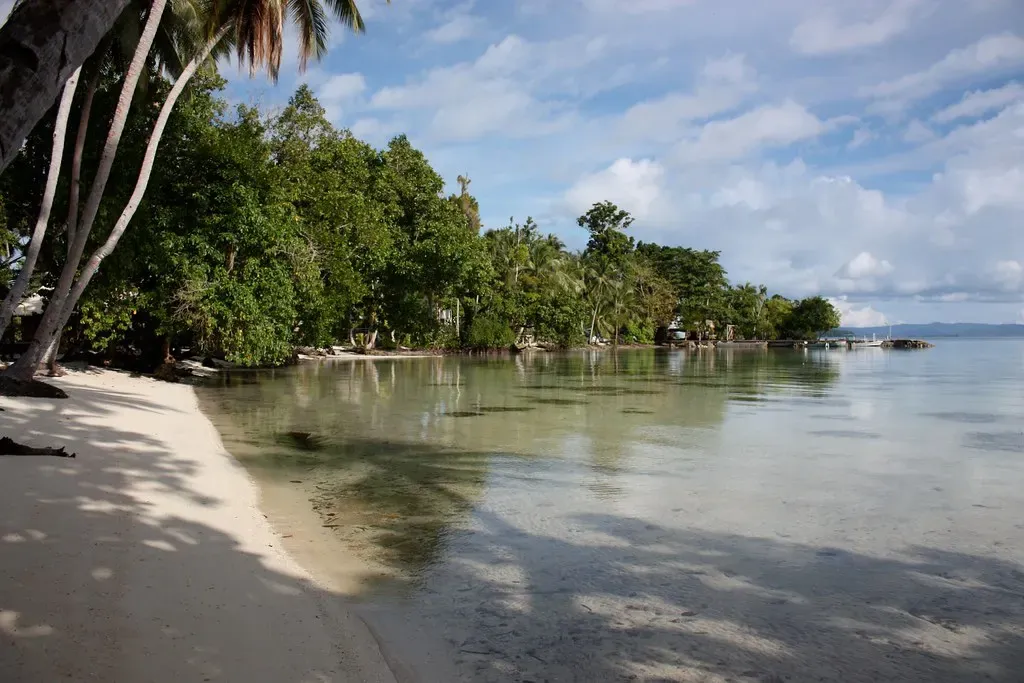
Step off a jetty into the world's largest lagoon, or cross to open ocean
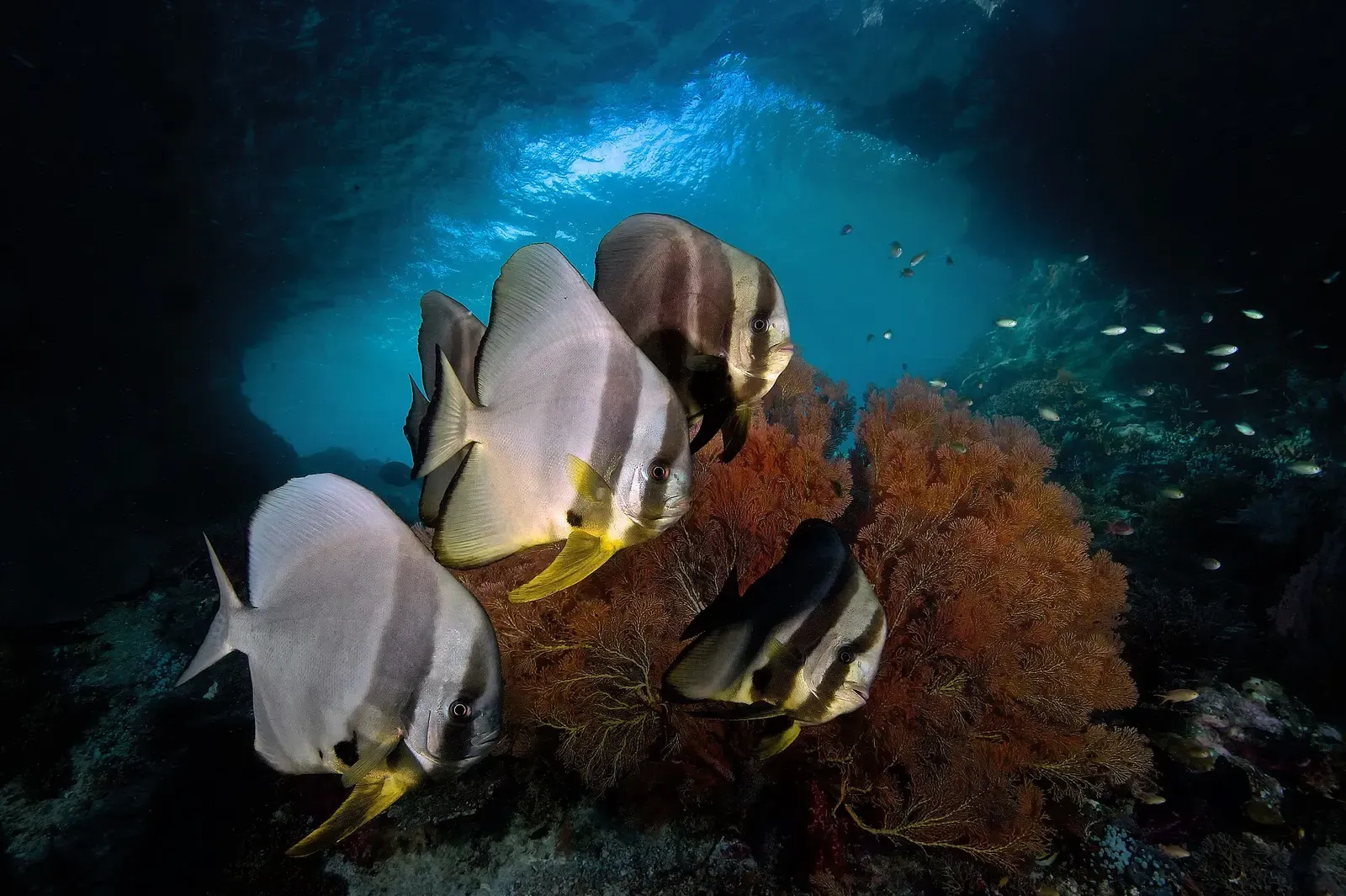
Manta rays hold at cleaning stations in the world's most biodiverse reef system.
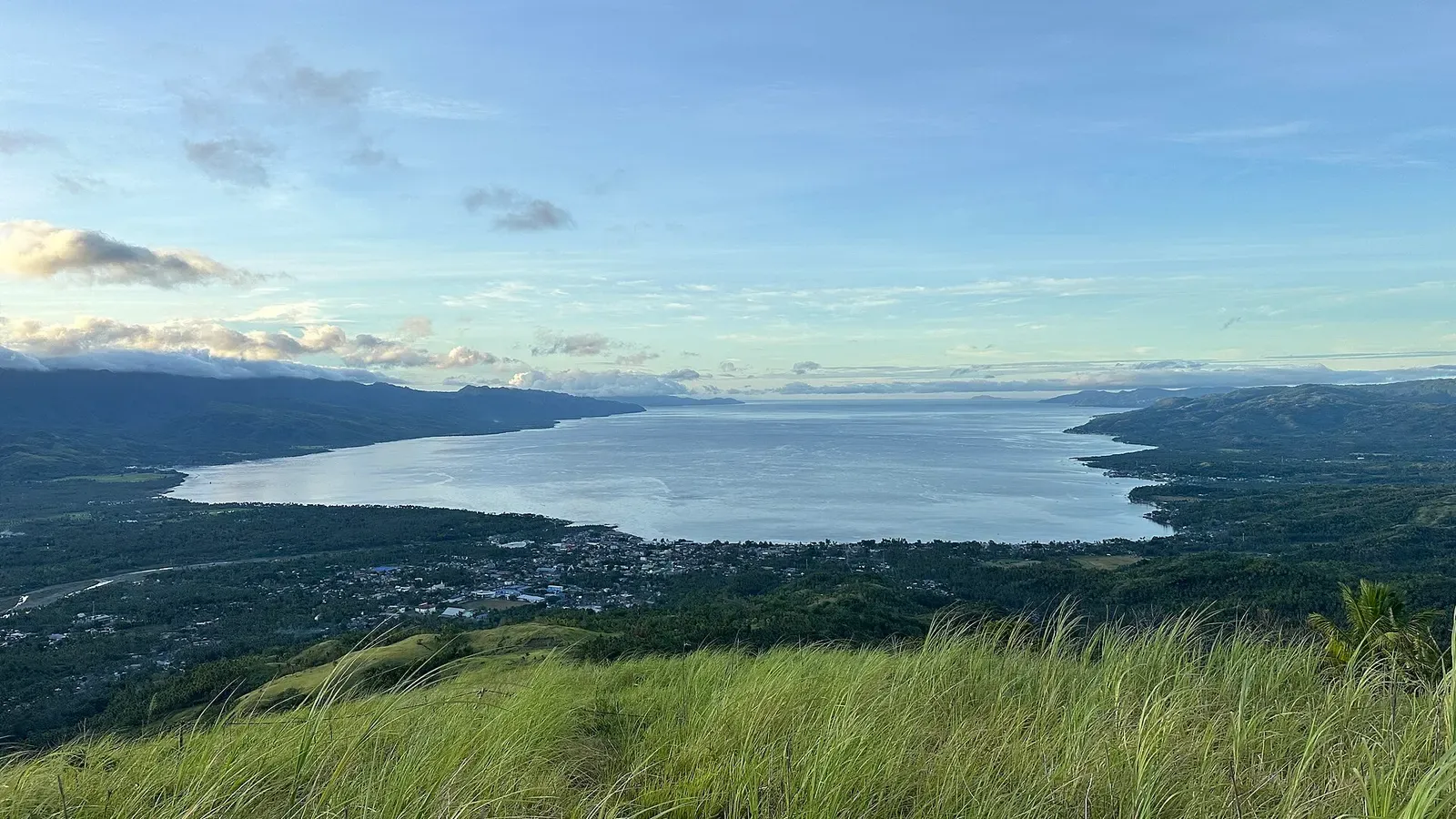
Whale sharks in the shallows and a sanctuary wall almost nobody dives

_-_Pulau_Komodo_-_Indonesia_24.jpg)


Strong straits sweep past pristine coral cover between remote volcanic islands.