Coral Triangle · Papua New Guinea
Milne Bay
Sheltered volcanic-sand bays where modern muck diving first took hold.
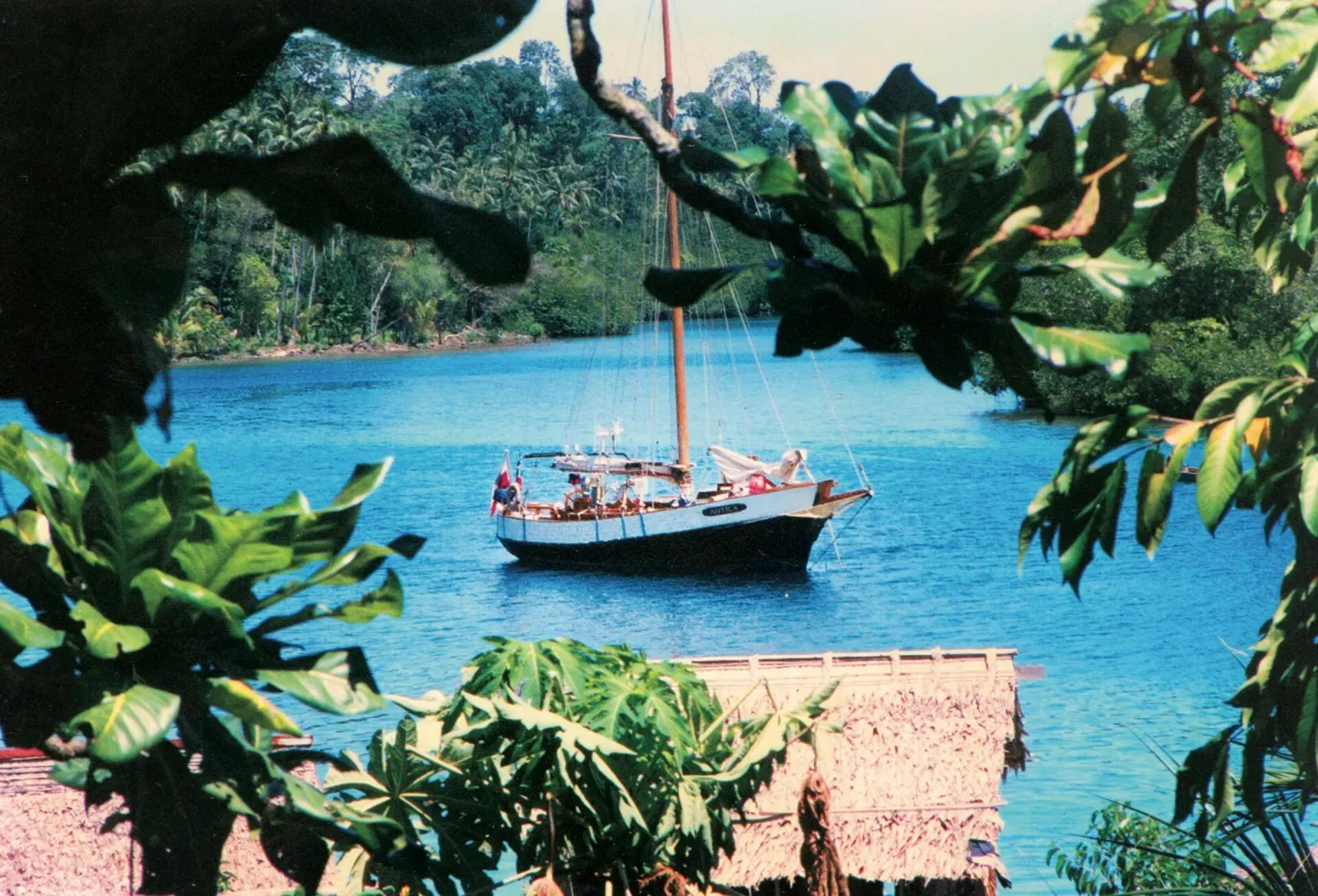
Photo: Maurycy13 · CC BY-SA 4.0
Milne Bay, at the southeastern tip of Papua New Guinea, is where the term muck diving was popularized in the 1980s by divers exploring its sheltered, silty bays instead of open reef. Sites like Dinah's Beach and Deacon's Reef turn up rare frogfish, pipefish, and nudibranchs on slopes of volcanic sand, and the area remains accessible almost exclusively by liveaboard given the lack of shore-based dive infrastructure. Its remoteness has kept visitor numbers and reef pressure low.
About diving in Milne Bay
The trip is the boat. Divers join at Alotau and the day settles into three or four dives, with a dusk or night dive added most evenings. Skippers work the sheltered bays when the weather closes in and move out to reef and wall sites when it opens, so the running order is rarely fixed before departure. Longer crossings between anchorages are normally done overnight, which keeps diving time close to wherever the boat woke up.
Underwater the ground is mostly black sand and fine silt, running down from the beaches in gentle slopes broken by seagrass, rubble, sunken timber and the occasional isolated coral head. Visibility on those slopes is modest by tropical standards and the bottom lifts easily, so trim and fin control matter more than depth or air consumption. There is proper reef here too — walls, drop-offs and current-touched points — which is what the boats use to break up a week of sand.
The core experience is slow and guide-led: a whole dive spent covering a few square metres of slope while a spotter works ahead of you, turning up ornate ghost pipefish, frogfish parked against sponges, tiny shrimp on whip corals and juvenile fish doing convincing impressions of leaves. Dusk dives over rubble are timed for mandarinfish rising off the bottom in the last of the light, and on the reef sections gorgonians hold pygmy seahorses, keeping the photography macro at a slightly larger scale.
It rewards patience over technique, and suits divers content to spend a whole dive inside one small patch of slope, ideally with a camera. The intermediate rating reflects buoyancy over silt and the rhythm of long days at sea rather than hard conditions, since current is usually gentle. Anyone set on blue water and big schools all week will be better served elsewhere in Papua New Guinea, and anyone prone to seasickness should weigh up the overnight passages first.
When to dive Milne Bay
| Jan | Feb | Mar | Apr | May | Jun | Jul | Aug | Sep | Oct | Nov | Dec |
|---|---|---|---|---|---|---|---|---|---|---|---|
| Fair | Fair | Fair | Good | Prime | Prime | Prime | Prime | Prime | Good | Good | Fair |
May–November dry season gives calmer seas for liveaboard crossings; wetter December–April.
Getting there
Fly Port Moresby to Gurney airport at Alotau, where the boats load and provision and where the charter usually handles the airport transfer. Itineraries typically run seven nights or longer, mixing sand slopes with outer reefs, and departures cluster in the calmer May-to-November stretch.
Wildlife calendar
Frogfish, ghost pipefish, nudibranchs, octopus and cuttlefish are the year-round staples, with pygmy seahorses on the sea fans of the reef sections and mandarinfish at dusk over rubble. The May-to-September peak brings calmer water and more reliable access to the outer sites rather than a different cast of animals; the wetter months from December narrow the options.
Dive types & marine life
- Muck & macro
- Reef
- Wall
- Frogfish
- Mandarinfish
- Octopus & cuttlefish
- Nudibranchs
- Pygmy seahorses
- Macro critters
Notable dive sites in Milne Bay
Deacon's Reef
Sloping muck reef known for rare frogfish species.
Dinah's Beach
Sheltered bay long credited with popularizing muck diving.
Observation Point
Reef slope with macro life and passing pelagics.
Photos from Milne Bay
Clément Piment · CC BY-SA 2.0
Dive videos
Nudibranchs in Motion | Wonderful Diving at Tawali Resort Milne Bay | Papua New Guinea 2024 | 4K · Bird & Wildlife Adventures on YouTube
Milne Bay scuba diving, Papua New Guinea, with Tawali Dive Resort and aboard the MV Oceania. 2-2025 · Gerry Soifer on YouTube
Photo credits
- A wooden sailing yacht anchored in a jungle-fringed bay in Milne Bay, Papua New Guinea by Maurycy13, CC BY-SA 4.0, via Wikimedia Commons
- View from a forested hillside over a palm-lined beach and open ocean in Milne Bay by Clément Piment, CC BY-SA 2.0, via Openverse
Similar destinations
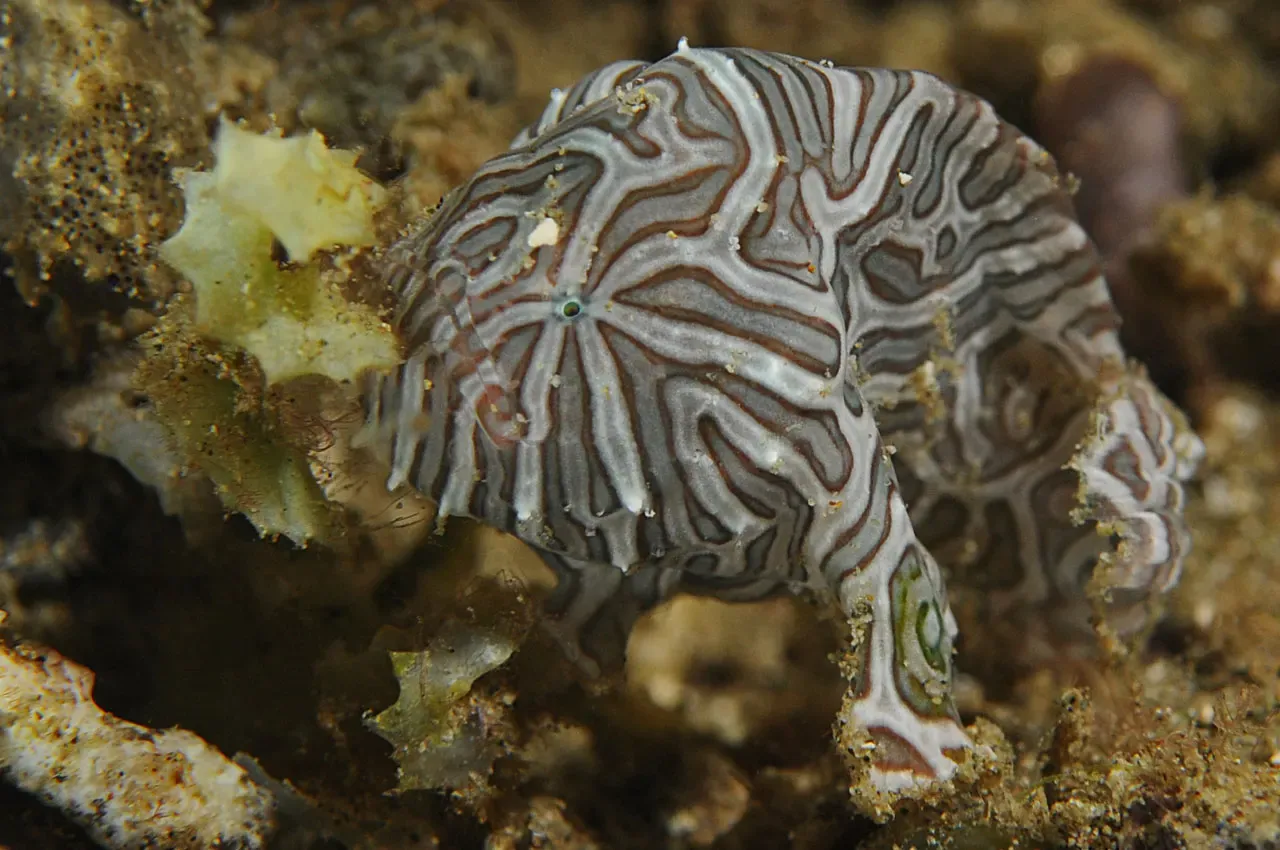
The endemic psychedelic frogfish lives on Ambon's harbour slopes
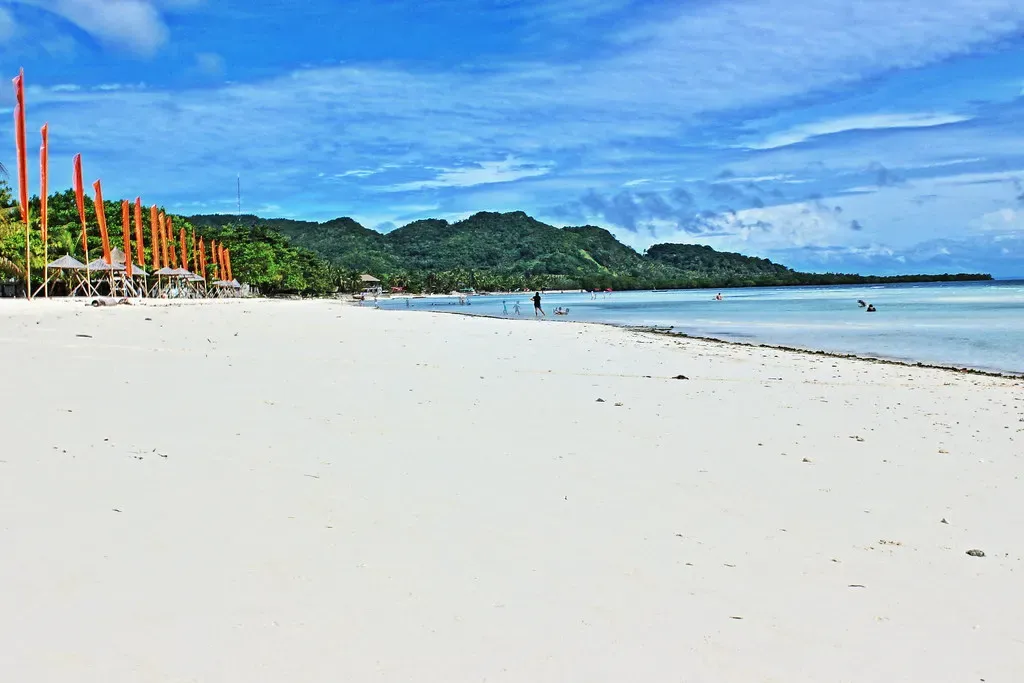
A limestone wall the length of the coast, dived by almost nobody
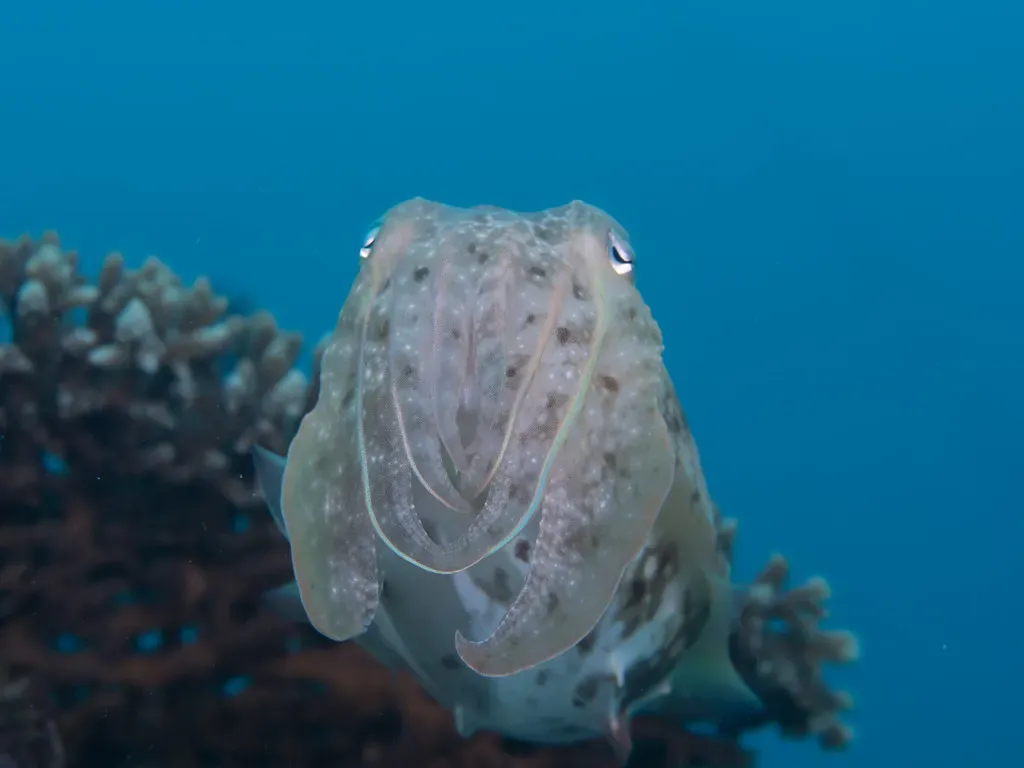
New species are described from these slopes with unusual regularity

Soft coral grows so thick on Sahaung's pinnacles the rock disappears