North America · United States
Monterey Bay
Exceptional nudibranch diversity in cold-water kelp forests off Monastery Beach.
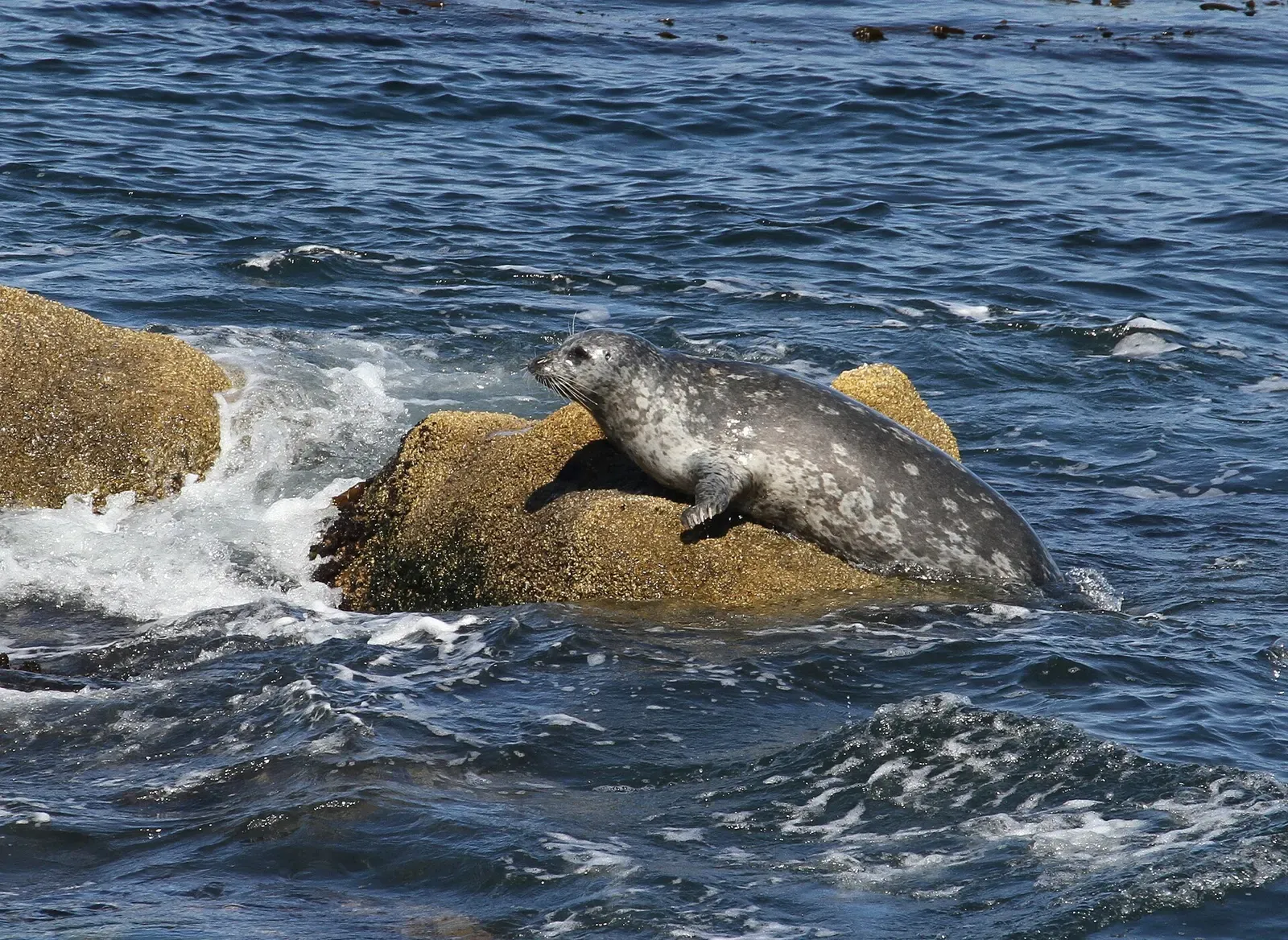
Photo: Tony Hisgett · CC BY 2.0
Monterey Bay's shore-accessible kelp forests, reached from sites like Monastery Beach, Point Lobos, and the Breakwater, sit at the edge of a deep submarine canyon that keeps the water cold and nutrient-rich year-round. Divers find an unusually high diversity of nudibranchs, harbor seals, and giant Pacific octopus among the kelp holdfasts and rocky reef, while gray whales migrate offshore in winter and orcas occasionally hunt near the bay mouth each spring. Surge and cold limit comfort for the unprepared, and visibility swings with plankton and swell.
About diving in Monterey Bay
The day is built around a car park and a swell forecast. Divers check the morning surf, pick an entry, and kit up on the sand or the ramp before walking in, and most days run to two dives from the car with a fill in town between them. Boats leave Monterey harbour for Carmel Bay and the offshore pinnacles when the ocean allows, but shore is the default. Point Lobos breaks that casual rhythm: dive entry has to be booked in advance, and the number of teams allowed in on a given day is capped.
The ground underneath is granite and sand rather than coral. Rock ridges run out from the headlands into sand channels, and kelp grows off that rock in three layers: canopy overhead, stipes to swim between, and a tangle at the base where most of the small life sits. Sites differ mainly in exposure and in how fast the bottom falls away, from gently shelving ground inside the harbour to steep profiles where a canyon head runs close inshore, and shallow broken reef along the Pacific Grove shoreline.
The diving itself is slow and close-focus: invertebrate-crusted rock, sponge and hydroid growth, and animals found by looking rather than by covering ground. How far you can see depends on upwelling as much as on the calendar, since the cold, nutrient-rich water that makes the bay productive also feeds the plankton that shortens sightlines through spring and summer. When that eases off, September and October are the months regulars plan around. The water is cold in all of them, so most locals dive dry, with hood and gloves to match, rather than changing kit by season.
It suits divers who want cold-water and shore-entry practice within reach of a town full of shops, fill stations and rental drysuits, and photographers happy to work close-up on green days. Because entries get picked on the day rather than weeks out, it pays to build spare days into a trip and stay flexible about where you get in. Divers expecting warm water, long sightlines or dependable big-animal encounters will find it a poor fit; this is a place for texture and small subjects.
When to dive Monterey Bay
| Jan | Feb | Mar | Apr | May | Jun | Jul | Aug | Sep | Oct | Nov | Dec |
|---|---|---|---|---|---|---|---|---|---|---|---|
| Fair | Fair | Fair | Fair | Good | Good | Good | Good | Prime | Prime | Good | Fair |
Fall (September-November) brings the calmest surf and clearest water after summer upwelling; winter swell makes shore entries hazardous.
Getting there
Most divers fly into San Jose or San Francisco and drive down, then base in Monterey, Pacific Grove or Carmel, with the entries a short drive apart. Town shops cover fills, gear and drysuit rental, while Point Lobos dives are booked separately through the state park reservation system. Day boats leave Monterey harbour when swell allows.
Wildlife calendar
Rockfish and lingcod hold on the reef year-round with clouds of smaller fish through the kelp, and the close-in interest is nudibranchs, crabs and sea stars around the holdfasts. Harbour seals and sea lions come and go on their own terms, giant Pacific octopus reward a slow search and a night dive, and the calmer September-October water gives the range to watch any of it from further off.
Dive types & marine life
- Kelp forest
- Reef
- Wall
- Muck & macro
- Night
- Seals & sea lions
- Octopus & cuttlefish
- Nudibranchs
- Whales
- Reef fish swarms
- Macro critters
Notable dive sites in Monterey Bay
Monastery Beach
Steep sand drop-off onto a submarine canyon wall; surge-prone entry.
Breakwater
Sheltered, easy shore dive popular for training and night diving.
Point Lobos — Whalers Cove
Reserve dive with kelp forest and abundant invertebrate life.
Metridium Fields
Wall carpeted in white plumose anemones off Monastery Beach.
Lovers Point
Shore site with shallow reef good for macro and nudibranch spotting.
Photos from Monterey Bay
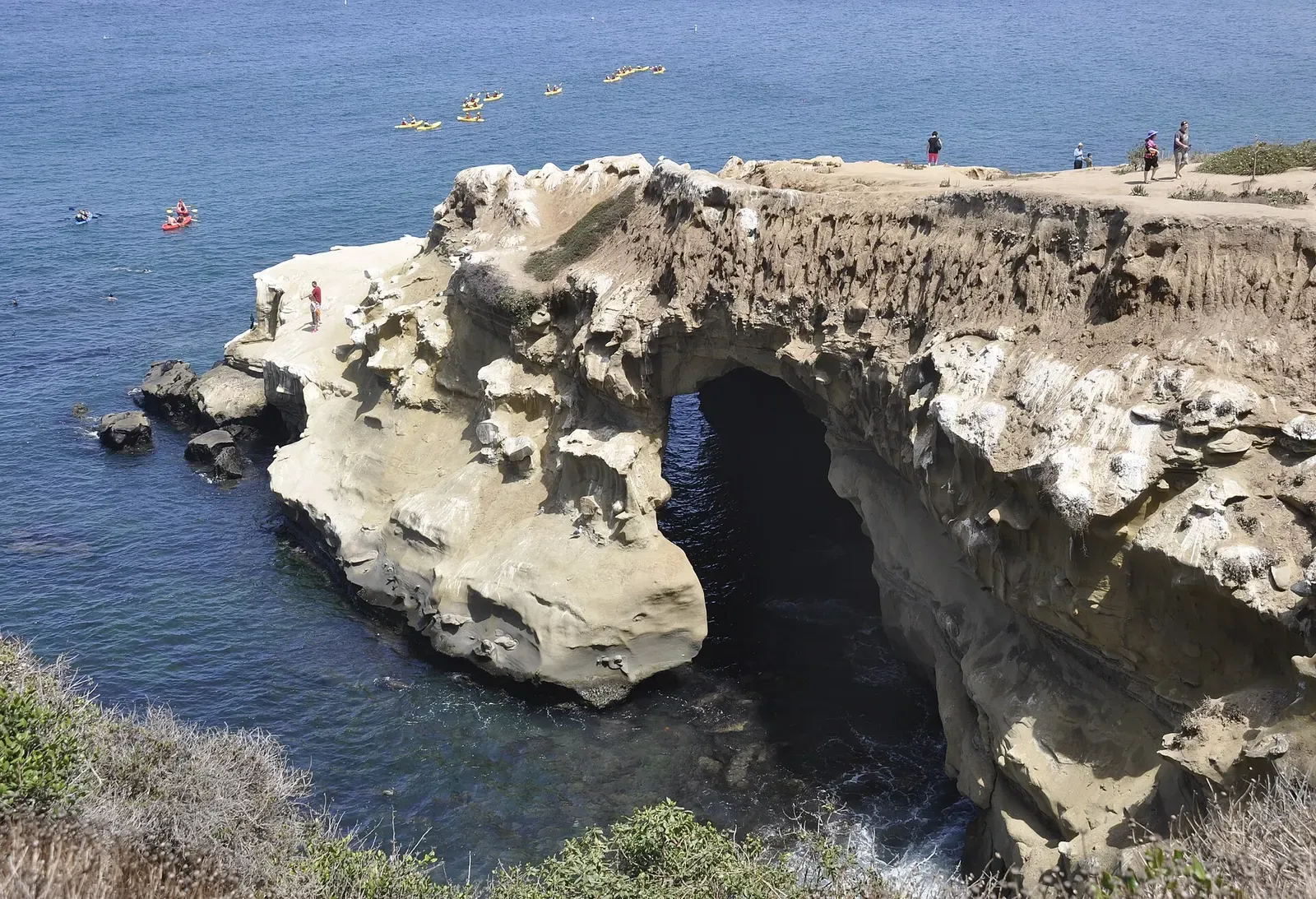
Rhododendrites · CC BY-SA 4.0
Dive videos
Diving with the HARBOR SEALS of Monterey Bay! · BlueWorldTV on YouTube
Kelp Forest Scuba Diving at McAbee Beach & McAbee Pinnacle, Monterey, California, 09/17/22 · Calvin Wen on YouTube
Photo credits
- Harbor seal resting on a surf-washed rock in Monterey Bay by Tony Hisgett, CC BY 2.0, via Wikimedia Commons
- Rocky shoreline near Cannery Row overlooking Monterey Bay's waters by Rhododendrites, CC BY-SA 4.0, via Wikimedia Commons
Similar destinations
Market squid spawn in their millions over the sand on winter nights
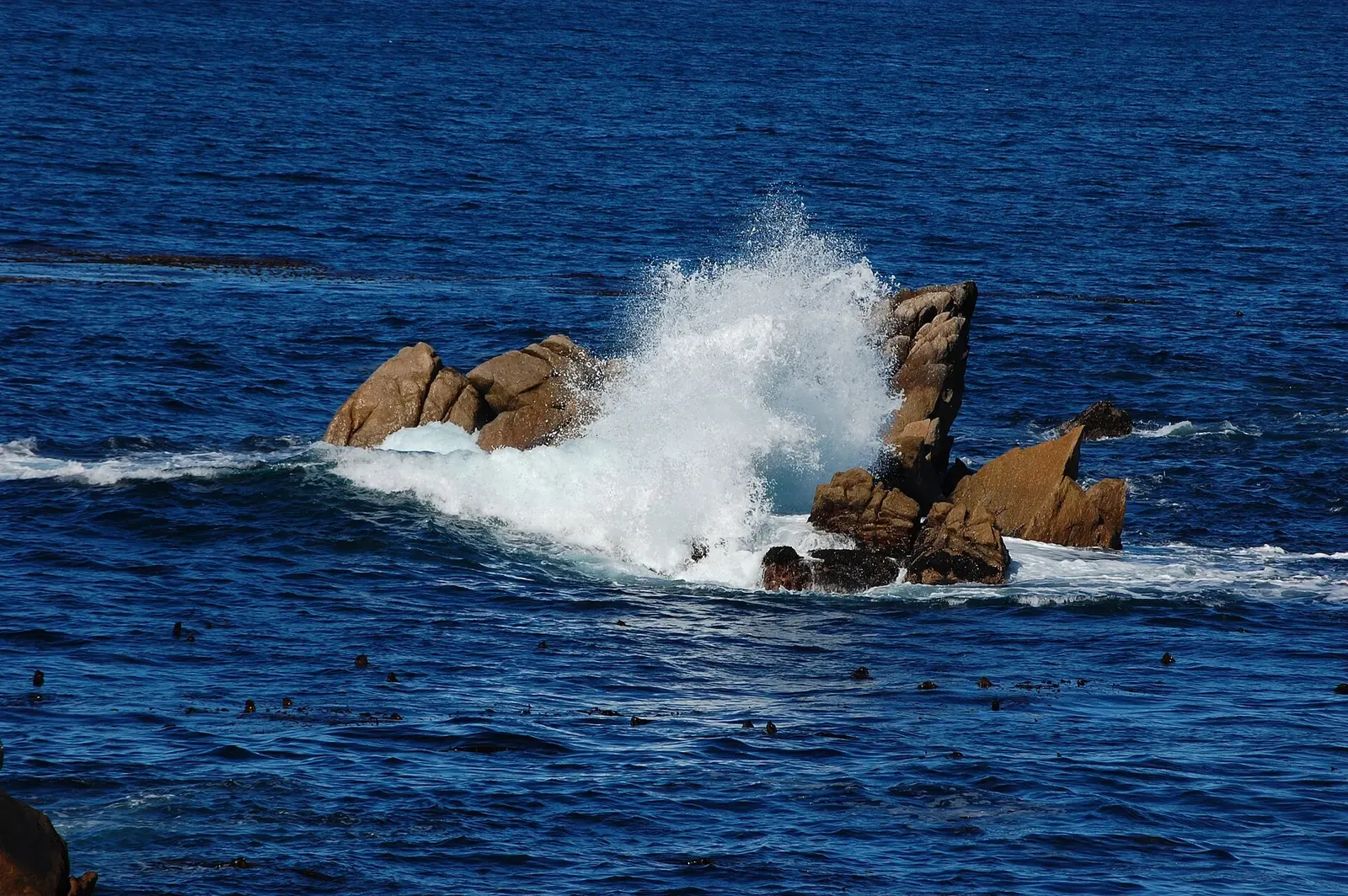
Permit-limited giant kelp forest with sea otters working the shallows
Walk down the stairs at Casino Point straight into a giant kelp forest
.jpg)
.jpg)
Playful sea lions and towering kelp forests around rocky island pinnacles.