North America · United States
Point Lobos
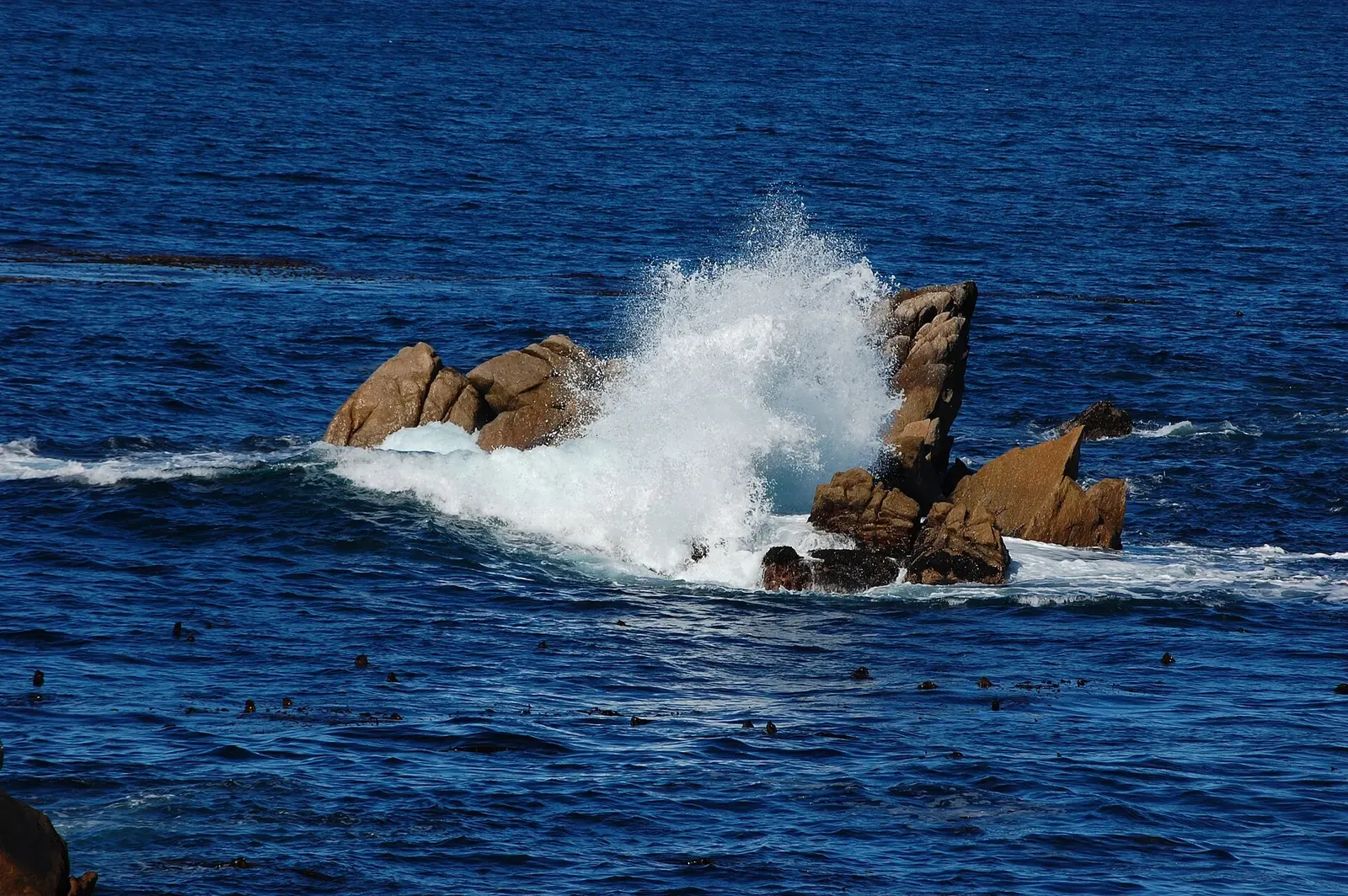
Permit-limited giant kelp forest with sea otters working the shallows
Photo: Eugene Zelenko · CC BY-SA 4.0
Point Lobos State Natural Reserve limits diving to a handful of buddy teams a day, booked months ahead, and the restriction is why the kelp forest inside Whalers Cove looks the way it does. Giant kelp grows in a canopy divers swim beneath in cathedral light, harbour seals and sea otters work the shallows, and the granite walls off Granite Point drop into the Carmel submarine canyon. Everything is a shore entry, and most of it is a long surface swim.
About diving in Point Lobos
Diving here starts with paperwork and a gate. Teams book a slot months out, sign in with the rangers on the way through, then drive down to the lot at Whalers Cove and carry gear to the ramp, and that is the whole of the day's logistics, because the daily cap means nobody is queuing behind you. Most buddy pairs get two long dives and spend the interval sitting on the cove beach with their kit. There is no boat to catch and no schedule but your own, which changes how the diving feels.
Underwater the reserve is granite and sand in alternating strips. Ridges run seaward from the shore with clean sand channels between them, and those channels are how divers navigate: you follow one out, work a rock edge, and follow it back in. Kelp holds to the rock and thins over the sand, so cover comes and goes as you cross. The ground keeps tilting seaward towards the head of the Carmel canyon, which is part of why cold water sits so close in, though the canyon proper is far past both recreational depth and a swimmable distance.
The pay-off is the forest itself. Under a full canopy the light drops to shafts and the water goes quiet, and because the underwater reserve has been protected since 1960 and is now closed to taking anything, the animals hold their ground rather than leaving: fish sit still long enough to be looked at properly, and the invertebrate cover on the shallow rock will absorb an entire dive. Canopy is thickest in late summer and autumn, and winter swell tears much of it out again.
It suits patient divers more than busy ones. Every dive is entered and exited on foot with a swim at each end, so fitness and honest surface navigation count for as much as certification level. Teams sign out when they finish, and diving is called off outright when swell gets into the cove. Anyone who plans two careful dives on one corner of the reserve and comes back another day gets far more from it than a team ticking coves off a list. It is a poor first cold-water dive and a very good one for a diver who already knows what a kelp forest asks.
When to dive Point Lobos
| Jan | Feb | Mar | Apr | May | Jun | Jul | Aug | Sep | Oct | Nov | Dec |
|---|---|---|---|---|---|---|---|---|---|---|---|
| Fair | Fair | Fair | Fair | Good | Good | Good | Good | Prime | Prime | Prime | Fair |
Sep–Nov gives the clearest water after the summer plankton fades; winter storms close the reserve to diving for days at a time.
Getting there
The reserve sits on Highway 1 just south of Carmel-by-the-Sea, about twenty minutes from Monterey. Most divers fly into Monterey or San Jose and stay in Monterey, Pacific Grove or Carmel, where the shops and fill stations are. Gear can be driven down to the Whalers Cove lot, and the reserve's opening hours, not a boat schedule, set the start of the day.
Wildlife calendar
Rockfish, lingcod and cabezon hold on the rock all year, with octopus in the rubble and nudibranchs and other macro life easiest to pick out once the water clears through the September-to-November stretch. Harbour seals pup in spring and work the entry all season; market squid sometimes move onto the sand to spawn, though the timing varies year to year.
Dive types & marine life
- Kelp forest
- Wall
- Reef
- Night
- Muck & macro
- Seals & sea lions
- Octopus & cuttlefish
- Nudibranchs
- Macro critters
- Reef fish swarms
- Squid
Notable dive sites in Point Lobos
Whalers Cove
The reserve's entry point, with kelp, sand channels and resident otters.
Bluefish Cove
Deeper cove reached by surface swim, with walls and dense kelp.
Granite Point Wall
Granite face dropping past 30 m towards the Carmel canyon.
Middle Reef
Rock ridge splitting Whalers Cove, thick with invertebrates at 10 m.
Coal Chute Cove
Sheltered corner with pinnacles, dived when swell closes the outer sites.
Photos from Point Lobos
Eugene Zelenko · CC BY-SA 4.0
Eugene Zelenko · CC BY-SA 4.0
Eugene Zelenko · CC BY-SA 4.0
Eugene Zelenko · CC BY-SA 4.0
Dive videos
Kelp Forest Scuba Diving at Point Lobos, Monterey, California · Calvin Wen on YouTube
Exploring Point Lobos: Diving California’s finest kelp forests (Whaler’s Cove + Coal Chute Caves) · Fintastic Beasts on YouTube
Photo credits
- A wave crashes over granite rocks at Point Lobos State Natural Reserve on California's coast. by Eugene Zelenko, CC BY-SA 4.0, via Wikimedia Commons
- Sunlit granite boulders rise from blue water at Whalers Cove, Point Lobos. by Eugene Zelenko, CC BY-SA 4.0, via Wikimedia Commons
- Seabirds perch on a granite sea stack rising from the water near Whalers Cove. by Eugene Zelenko, CC BY-SA 4.0, via Wikimedia Commons
- Kelp canopy floats on the surface beside a rocky reef in Point Lobos State Natural Reserve. by Eugene Zelenko, CC BY-SA 4.0, via Wikimedia Commons
- Weathered granite rock formations meet breaking surf at Point Lobos State Natural Reserve. by Eugene Zelenko, CC BY-SA 4.0, via Wikimedia Commons
Similar destinations
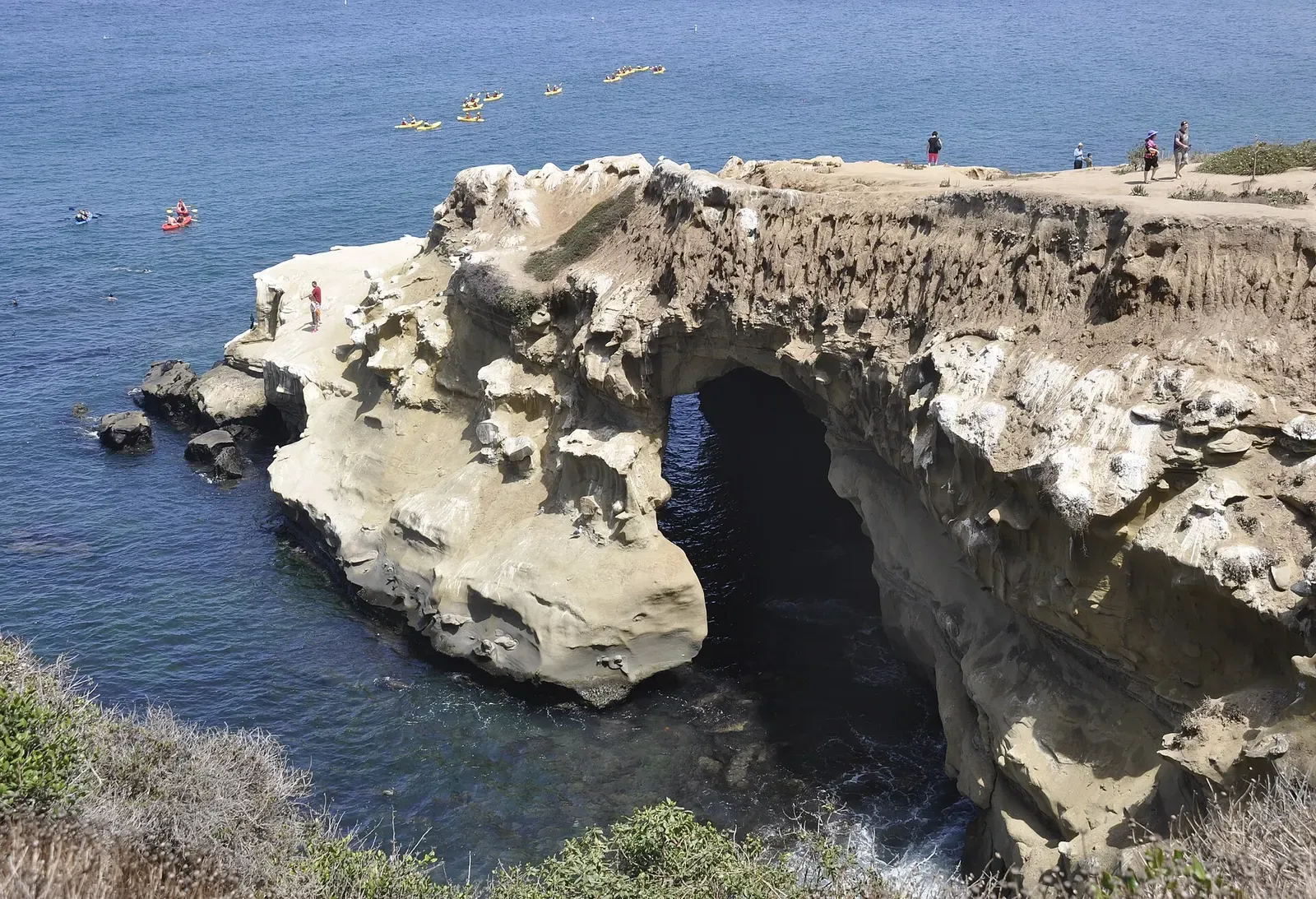
Market squid spawn in their millions over the sand on winter nights
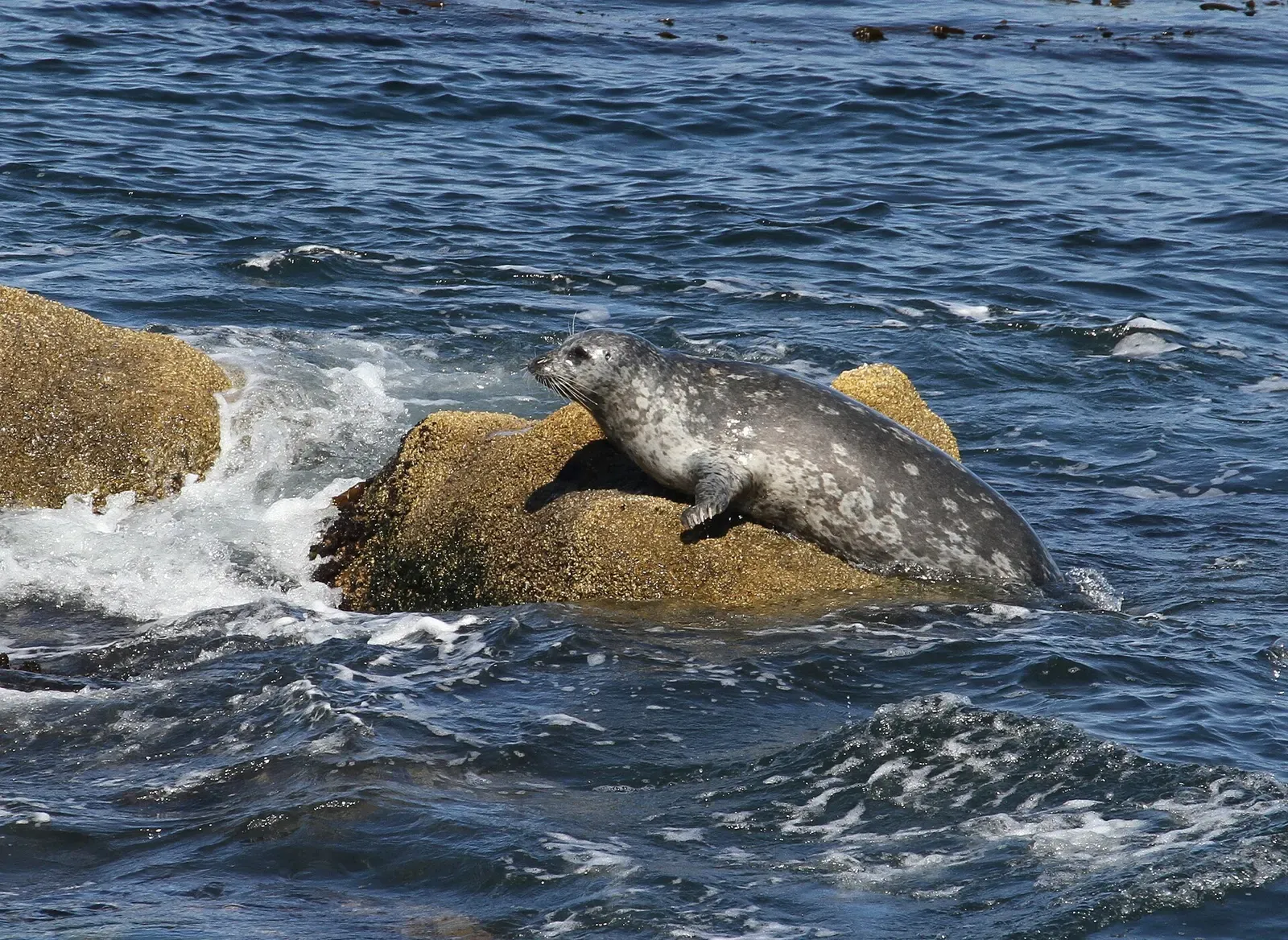
Exceptional nudibranch diversity in cold-water kelp forests off Monastery Beach.
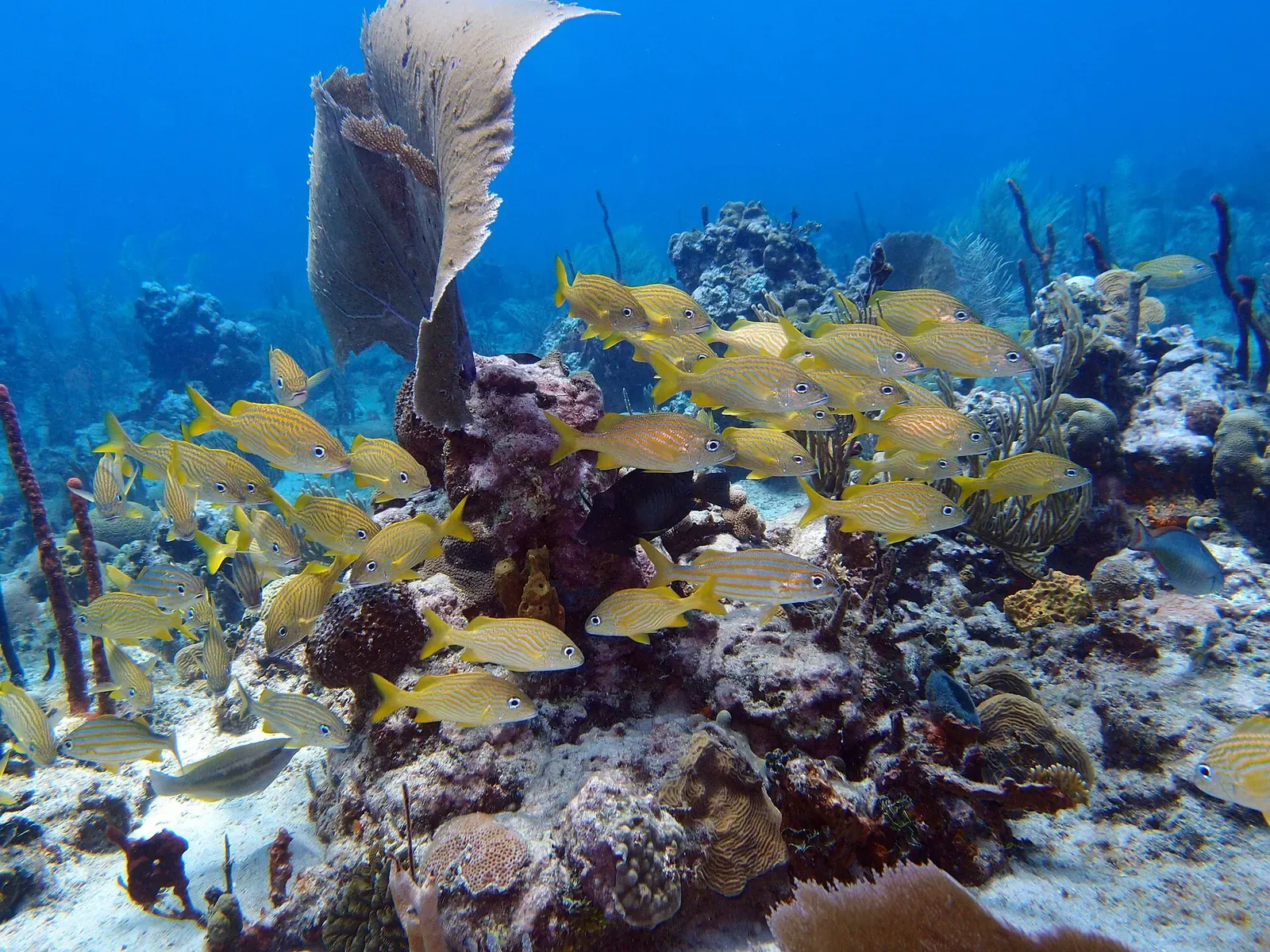
Walk down the stairs at Casino Point straight into a giant kelp forest


Playful sea lions and towering kelp forests around rocky island pinnacles.