North America · Mexico
Sea of Cortez — La Paz
Sea lion pups play with divers at Los Islotes while hammerheads school at El Bajo.
Photo: ProtoplasmaKid · CC BY-SA 4.0
La Paz sits on the Sea of Cortez, where a resident California sea lion colony at Los Islotes lets divers swim beside playful pups over a shallow rocky reef. Offshore, the El Bajo seamount pulls scalloped hammerhead schools and, in warmer months, mobula rays and juvenile whale sharks through a nutrient-rich channel near Isla Espíritu Santo. Plankton blooms that feed this food chain also tint the water greener than the clear reefs further south, so visibility shifts with the season.
About diving in Sea of Cortez — La Paz
Most La Paz diving is a day-boat routine: an early load-out at one of the marinas north of town, an hour or more running out through the San Lorenzo Channel, then two tanks with a surface interval anchored in the lee of Isla Espíritu Santo. Boats range from open pangas to small cabin cruisers, and crews build the day around conditions rather than a fixed plan, swapping the offshore seamount for a sheltered island wall when the wind gets up. The ferry wreck lying in the channel is a common fallback on those days, and shore entries near town make up a small part of the picture.
The terrain is desert rock rather than coral reef. The islands drop away in volcanic boulder fields and slabs seamed with sand channels, dressed in gorgonians and encrusting invertebrates instead of hard-coral gardens. Sites fall into three broad types: shallow broken rock around the islets, where the diving is easy and the animals come to you; steeper walls and swim-throughs along the exposed side of the island chain; and offshore pinnacles that top out well below the surface and ask for a descent straight into blue water.
The seamount dives work differently from reef diving. You drop on a line or go negative, hold position near the top of the structure and watch the blue, accepting that the schooling fish either show or they do not; hammerhead numbers there are widely reported to have thinned over recent decades. The sea lion dives are the opposite, shallow and social, with juveniles mouthing fins and spiralling through the group while adults patrol the edges. The rookery sits inside a national park, so operators work to permits and group limits, and in-water access can be restricted.
It suits intermediate divers comfortable with some current, an open boat ride, and water that swings from around 19°C late in winter to near 30°C at the end of summer, so exposure kit changes a lot across the year. Photographers who would rather shoot animal behaviour than coral get more out of it than anyone after wide, clear reef scenery. Many divers pair the diving with a drive down to the East Cape, or with island kayaking and the permit-controlled, snorkel-only whale shark trips run out of the same town.
When to dive Sea of Cortez — La Paz
| Jan | Feb | Mar | Apr | May | Jun | Jul | Aug | Sep | Oct | Nov | Dec |
|---|---|---|---|---|---|---|---|---|---|---|---|
| Fair | Fair | Fair | Good | Good | Prime | Prime | Prime | Prime | Prime | Good | Fair |
Water warms June-November for the best hammerhead and pelagic action at El Bajo; winter is cooler with rougher boat crossings.
Getting there
La Paz has its own airport, mostly served by domestic flights, and many divers instead fly into Los Cabos and drive roughly two hours up the peninsula. Operators work from town and the marinas just north of it. Nearly all diving is by day boat toward Espíritu Santo; the offshore seamount is a longer run and the first thing dropped when the wind is up.
Wildlife calendar
The sea lion colony is resident year-round. The pelagic side follows the warm water: schooling jacks, mobula rays and hammerhead activity concentrate over the June-to-October stretch rated prime here, easing off through November. December to March is cooler and leans on reef fish, turtles and eagle rays over the island rock.
Dive types & marine life
- Seamount
- Reef
- Wall
- Drift
- Pelagic & blue water
- Seals & sea lions
- Hammerheads
- Whale sharks
- Mobula rays
- Manta rays
- Eagle rays
- Sea turtles
- Trevally & jacks
Notable dive sites in Sea of Cortez — La Paz
Los Islotes
Rocky islets with a year-round sea lion colony that dives with visitors.
El Bajo Seamount
Submerged pinnacle famed for schooling scalloped hammerheads.
La Reina
Sunken rock formation with swim-throughs and resident reef fish.
Salvatierra Wreck
1976 ferry wreck now encrusted with coral and sheltering marine life.
Isla Espíritu Santo
Steep volcanic walls and sea caves ringing a UNESCO island reserve.
Photos from Sea of Cortez — La Paz
ProtoplasmaKid · CC BY-SA 4.0
Dive videos
Diving the INCREDIBLE Sea of Cortez! · BlueWorldTV on YouTube
Diving and playing with Sea Lion Pups In La Paz Mexico · Brian Siegel Photography on YouTube
Photo credits
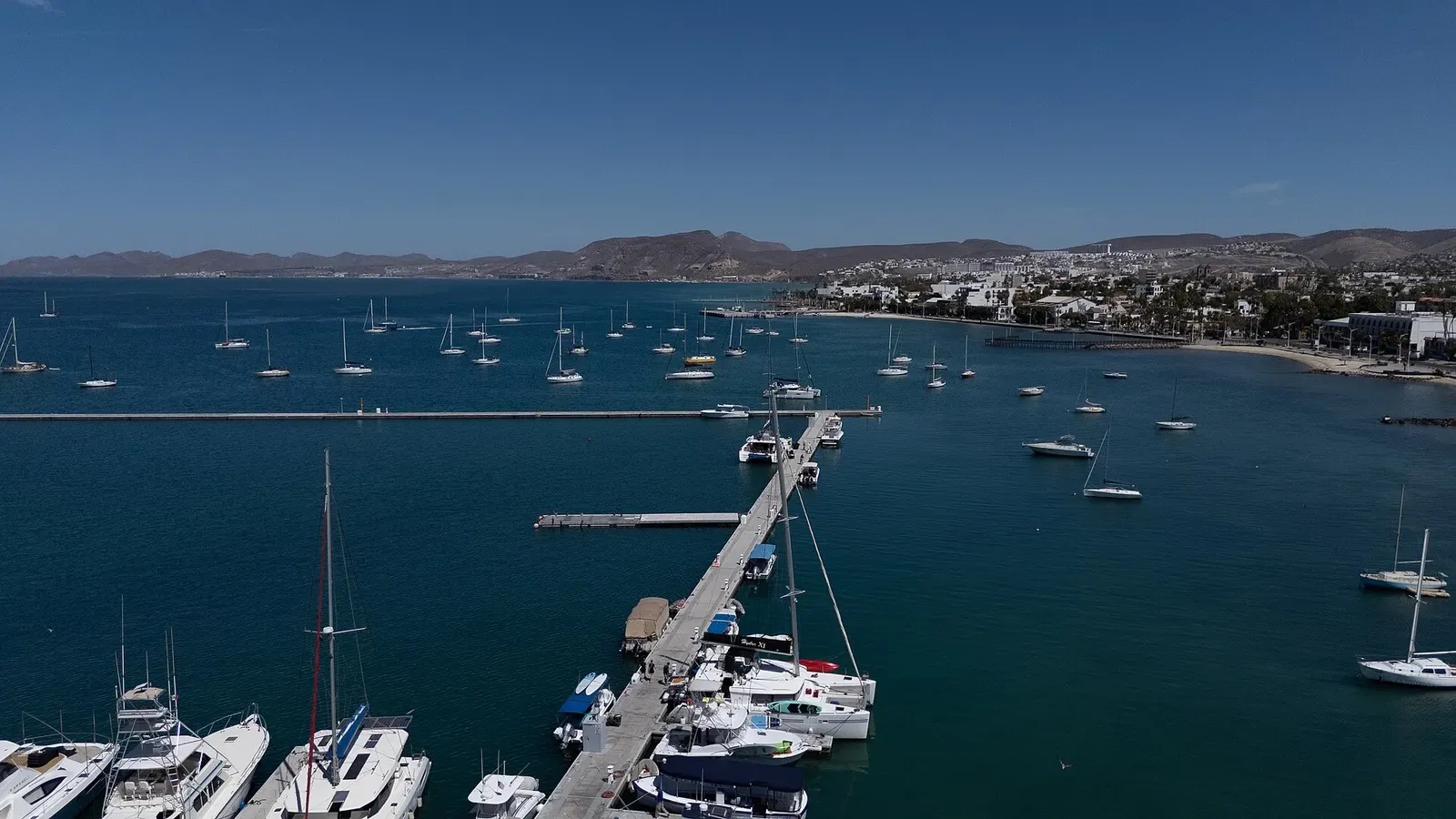
- Boats anchored in the bay off La Paz's malecón, with the Sierra de la Laguna mountains rising behind the Baja California Sur coastline. by ProtoplasmaKid, CC BY-SA 4.0, via Wikimedia Commons
- Aerial view of La Paz's marina and waterfront resort on the turquoise Sea of Cortez, Baja California Sur, Mexico. by ProtoplasmaKid, CC BY-SA 4.0, via Wikimedia Commons
Similar destinations
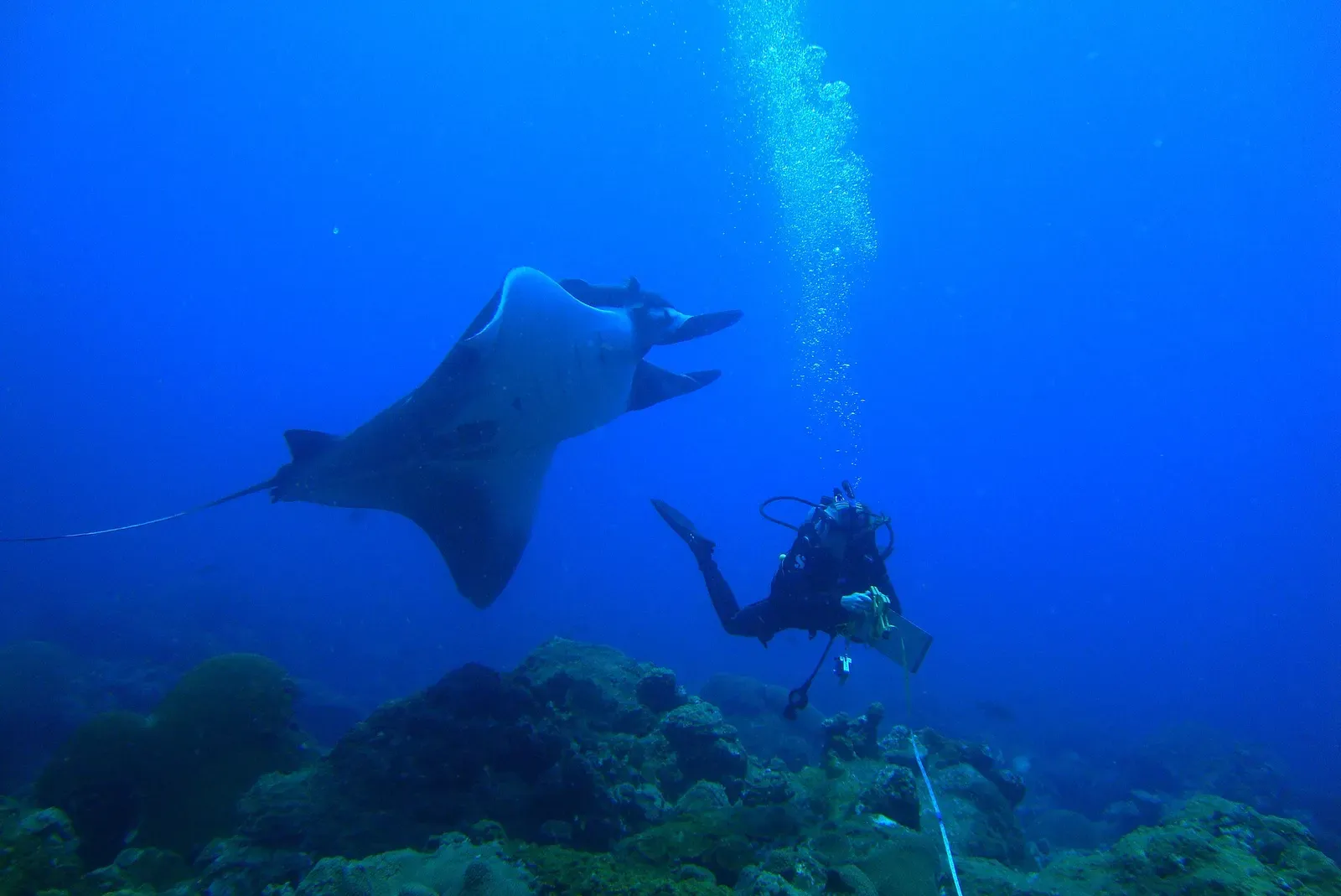
Healthy coral reef caps 100 miles offshore, famous for August coral spawning.
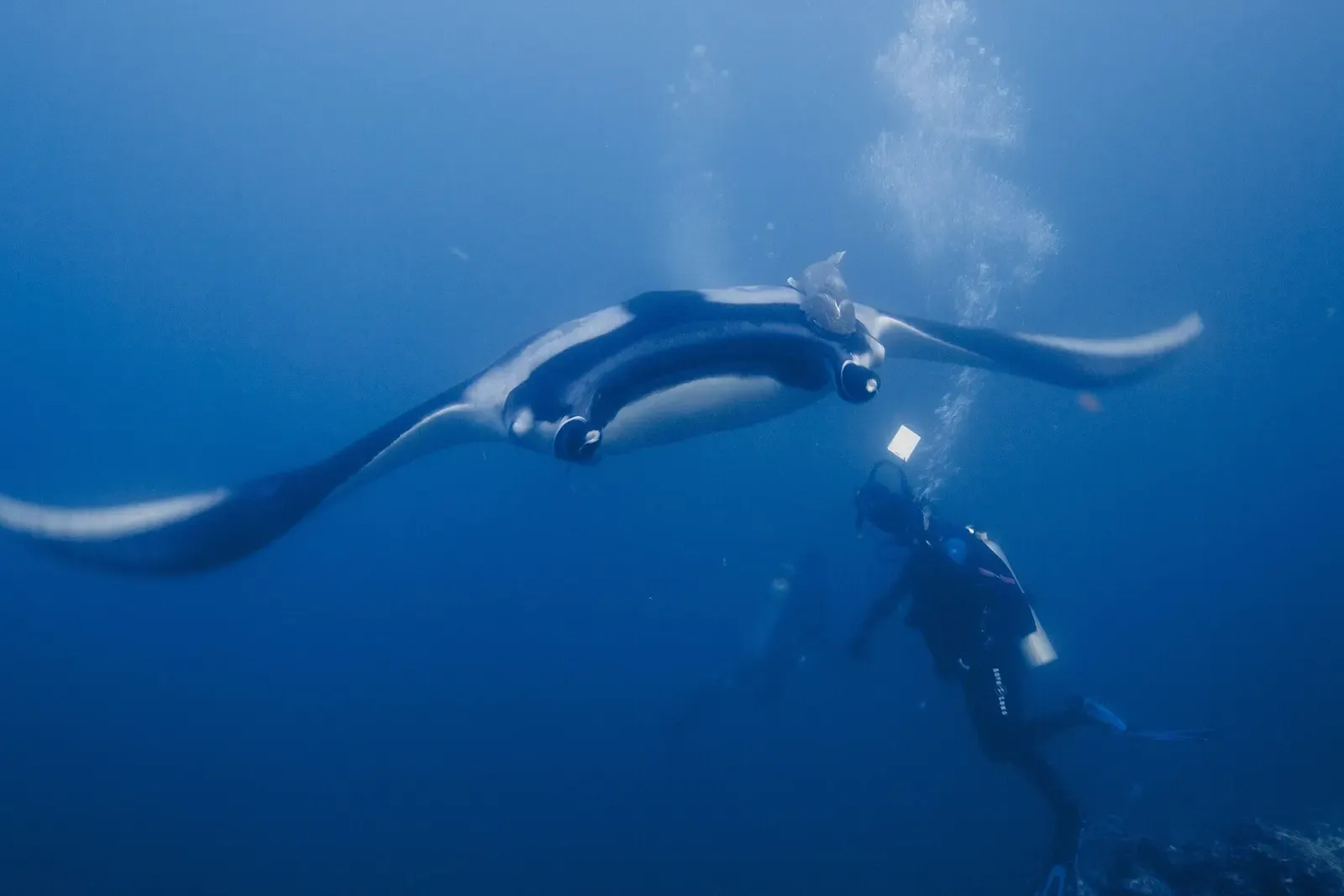
Habituated giant oceanic manta rays circle divers at open-water cleaning stations.
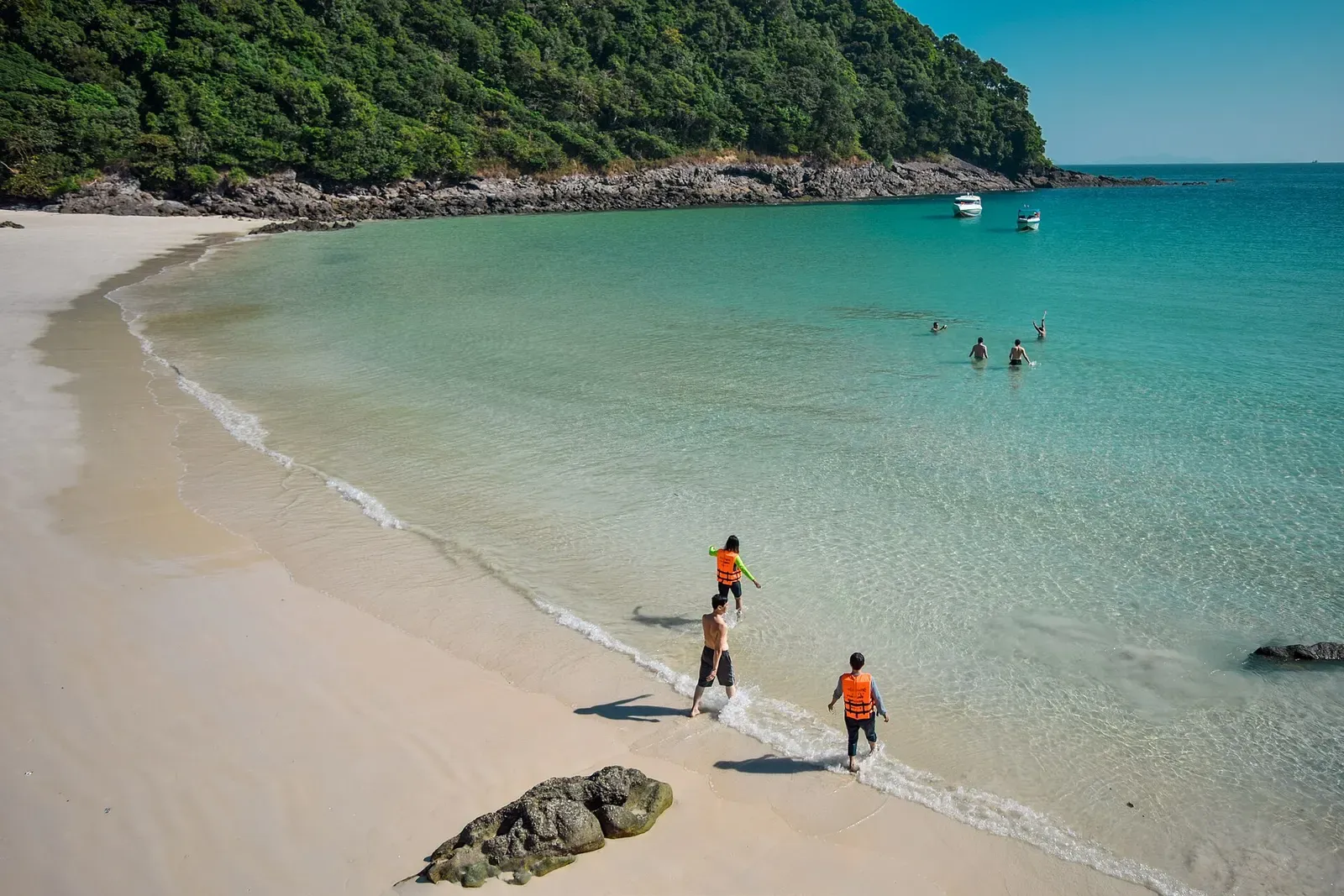
Remote liveaboard-only archipelago with the shark-rich Burma Banks seamount


Goliath groupers over 200 kg mass on the wrecks to spawn each August