North America · Mexico
Revillagigedo (Socorro)
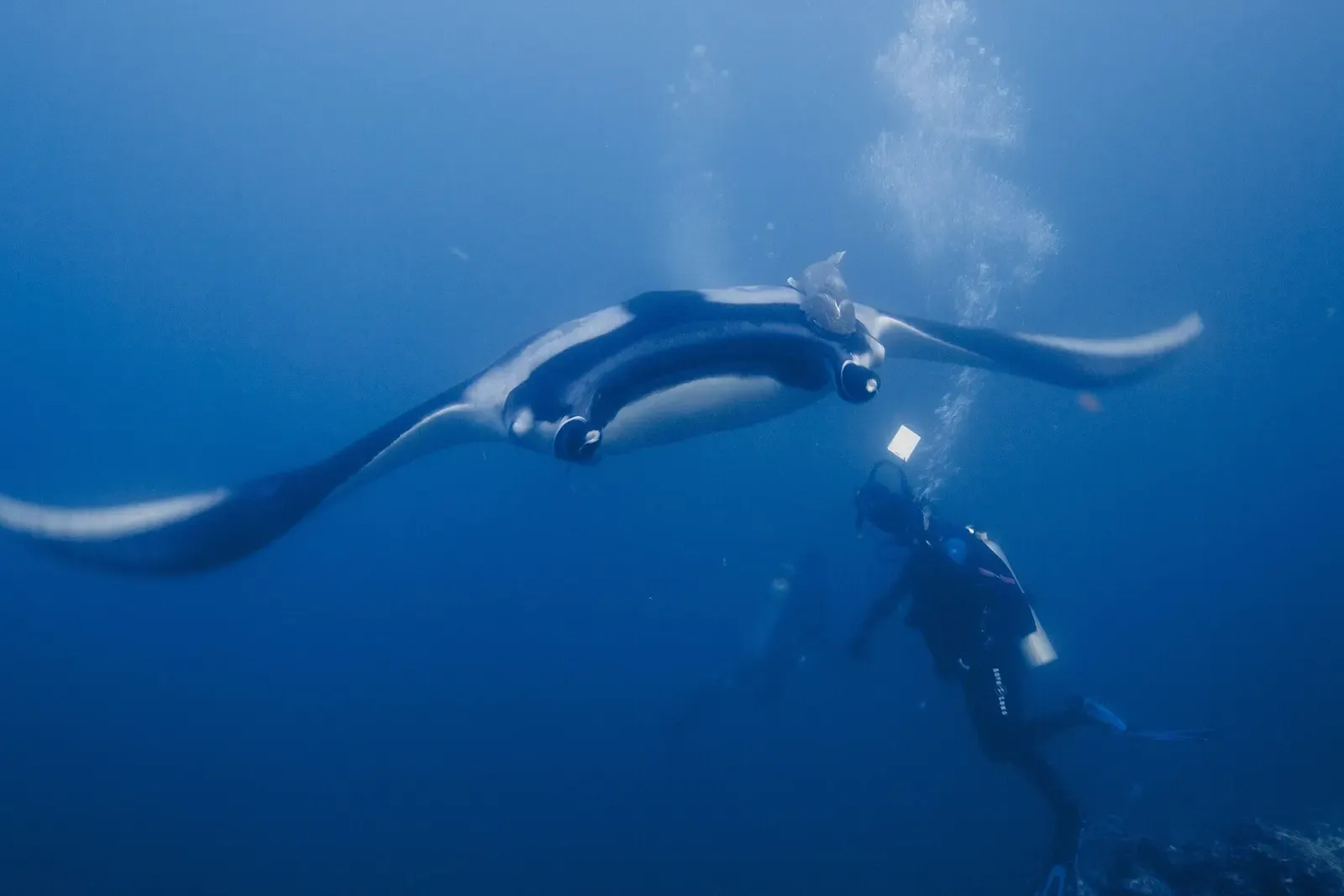
Habituated giant oceanic manta rays circle divers at open-water cleaning stations.
Photo: Elias Levy · CC BY 2.0
The Revillagigedo Islands are a cluster of volcanic seamounts roughly 250 nautical miles south of Cabo San Lucas, reachable only by multi-day liveaboard. Giant oceanic manta rays here are famously habituated to divers, circling for minutes at open-water cleaning stations, while schooling hammerheads and passing dolphin pods patrol the blue water off San Benedicto and Socorro Island. Humpback whales migrate through and are sometimes heard, or seen, between January and March.
About diving in Revillagigedo (Socorro)
Everything here runs on the boat's clock. Trips sail from the Baja cape, cross open ocean for the better part of a day and a night, then settle into several dives a day around the same handful of sites for the rest of the week. There is no shore option, no day-boat alternative and no changing your mind mid-trip: you dive what the swell allows, inside a national park that requires permits and a check-in with the naval detachment on Socorro. Briefings happen on deck between meals, and the last day is the crossing home.
The islands are bare volcanic rock with essentially no coral reef. Dives work lava ridges, boulder slopes and pinnacles that fall away into open ocean, so most of the interest sits off the structure rather than on it. Sites differ mainly in how much water is moving. Some are gentle enough to drift a ledge and watch; the exposed rocks put divers in surge at the top and current on the corners, with up- and downdrafts around the edges that need constant attention.
Entries are usually negative, off a skiff, straight down into blue water, with live-boat pickups afterwards, so an SMB and the discipline to stay as a group are standard. The mantas are the giant oceanic species, the largest of them several metres across, and the encounters run on the animals' terms: they hold station above a group and come back for exhaled bubbles. Touching them is prohibited and guides enforce it. Shark diving is a matter of holding position on a corner and watching passing traffic rather than pursuing it.
This is a trip for divers who already have open-water, current-exposed dives logged; boats commonly ask for a minimum logged count, and nitrox is close to standard. It is not the place to build early experience, and it offers little for macro photographers. June to October is written off for heavy seas, so itineraries run from about mid-November to May and book far ahead, with the humpback window falling in the middle of that stretch rather than at either end. Park fees are usually charged on top of the fare.
When to dive Revillagigedo (Socorro)
| Jan | Feb | Mar | Apr | May | Jun | Jul | Aug | Sep | Oct | Nov | Dec |
|---|---|---|---|---|---|---|---|---|---|---|---|
| Prime | Prime | Prime | Good | Fair | Off-season | Off-season | Off-season | Off-season | Off-season | Fair | Good |
Liveaboards run mid-November to May; humpback whales pass through January-March, and June-October seas are too rough for the crossing.
Getting there
Liveaboard only, generally sailing from Cabo San Lucas, with the better part of a day and a night at sea each way. Fly in the day before at the earliest, because once the boat has left there is no way to join or leave a trip, and the islands themselves have no visitor facilities.
Wildlife calendar
Giant oceanic mantas are the constant across the mid-November to May season. Humpbacks pass through January to March and are often audible underwater. Hammerhead schools and jack shoals work the pinnacles throughout, dolphins turn up at some sites and stay to interact, and whale sharks are an occasional sighting rather than a reliable one.
Dive types & marine life
- Pelagic & blue water
- Seamount
- Drift
- Manta rays
- Hammerheads
- Whale sharks
- Whales
- Dolphins
- Trevally & jacks
Notable dive sites in Revillagigedo (Socorro)
El Boiler
San Benedicto pinnacle famous for manta cleaning stations near the surface.
The Canyon
San Benedicto channel where hammerhead schools stack in the current.
Roca Partida
Tiny mid-ocean rock spire dropping to open water, thick with sharks.
Cabo Pearce
Socorro Island point known for manta encounters and silky sharks.
Punta Tosca
Socorro Island site with volcanic terrain and passing dolphins.
Photos from Revillagigedo (Socorro)
Alberto Alcalá · CC BY 4.0
Talia Cohen · CC0
Alberto Alcalá · CC BY 4.0
Alberto Alcalá · CC BY 4.0
Dive videos
THE PELAGIC KINGDOM OF SOCORRO︱REVILLAGIGEDO ISLANDS︱MEXICO ︱BEST PACIFIC SCUBA DIVING︱4K HDR VIDEO · MOKEN PLANET on YouTube
4K Underwater Video: Revillagigedo Archipelago (Socorro Islands) Scuba Diving · Undersea Productions on YouTube
Photo credits
- A giant oceanic manta ray glides over a scuba diver in open blue water off Socorro Island by Elias Levy, CC BY 2.0, via Wikimedia Commons
- A whitetip reef shark swims low over a rocky volcanic reef in the Revillagigedo Islands by Alberto Alcalá, CC BY 4.0, via Wikimedia Commons
- A pod of dolphins swims through sunlit open water near Isla Socorro, Mexico by Talia Cohen, CC0, via Wikimedia Commons
- A blue-barred parrotfish swims close to the reef near Socorro Island, Mexico by Alberto Alcalá, CC BY 4.0, via Wikimedia Commons
- Two Clarion damselfish shelter among rocky reef growth near Socorro Island by Alberto Alcalá, CC BY 4.0, via Wikimedia Commons
Similar destinations
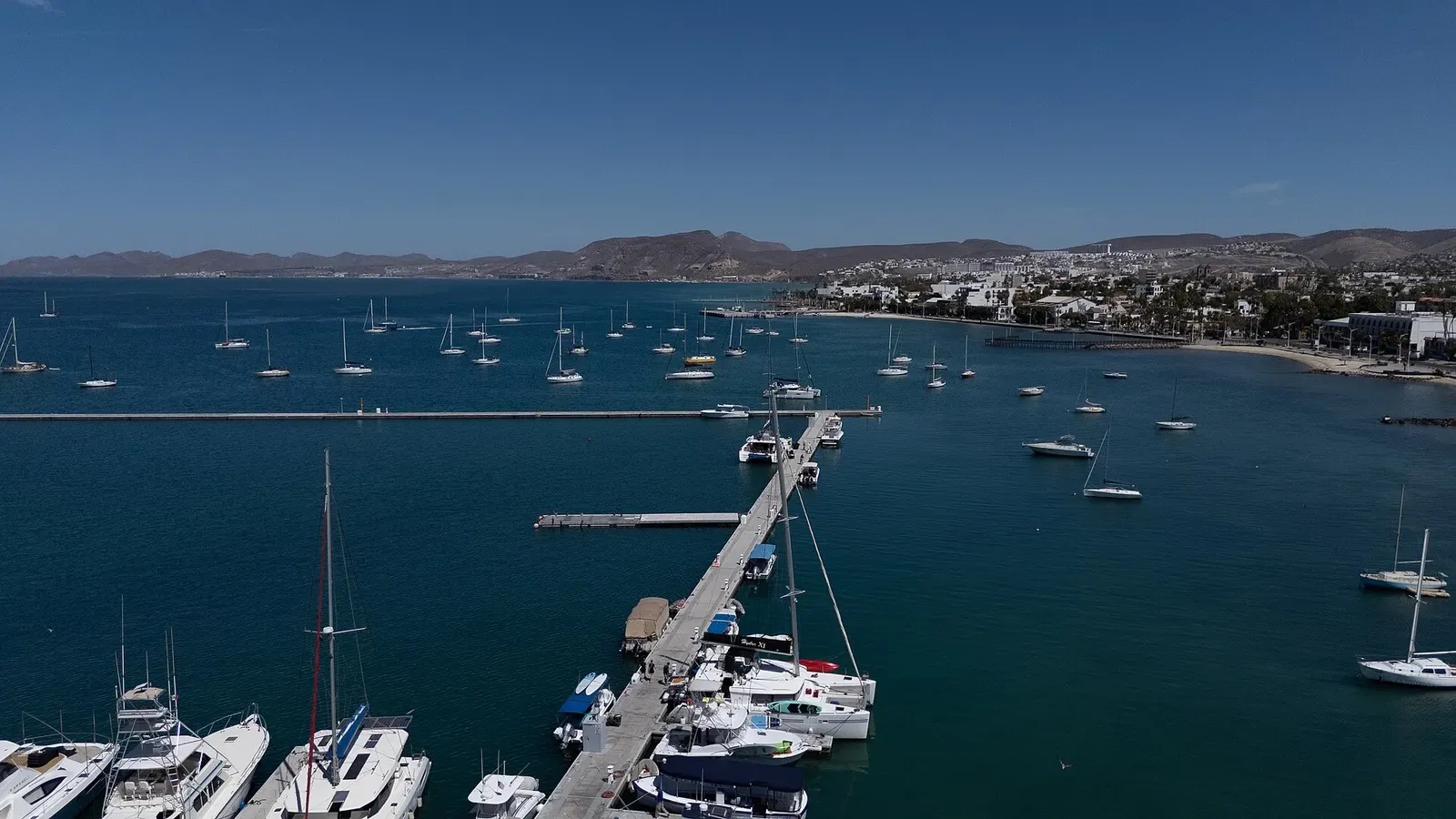
Sea lion pups play with divers at Los Islotes while hammerheads school at El Bajo.
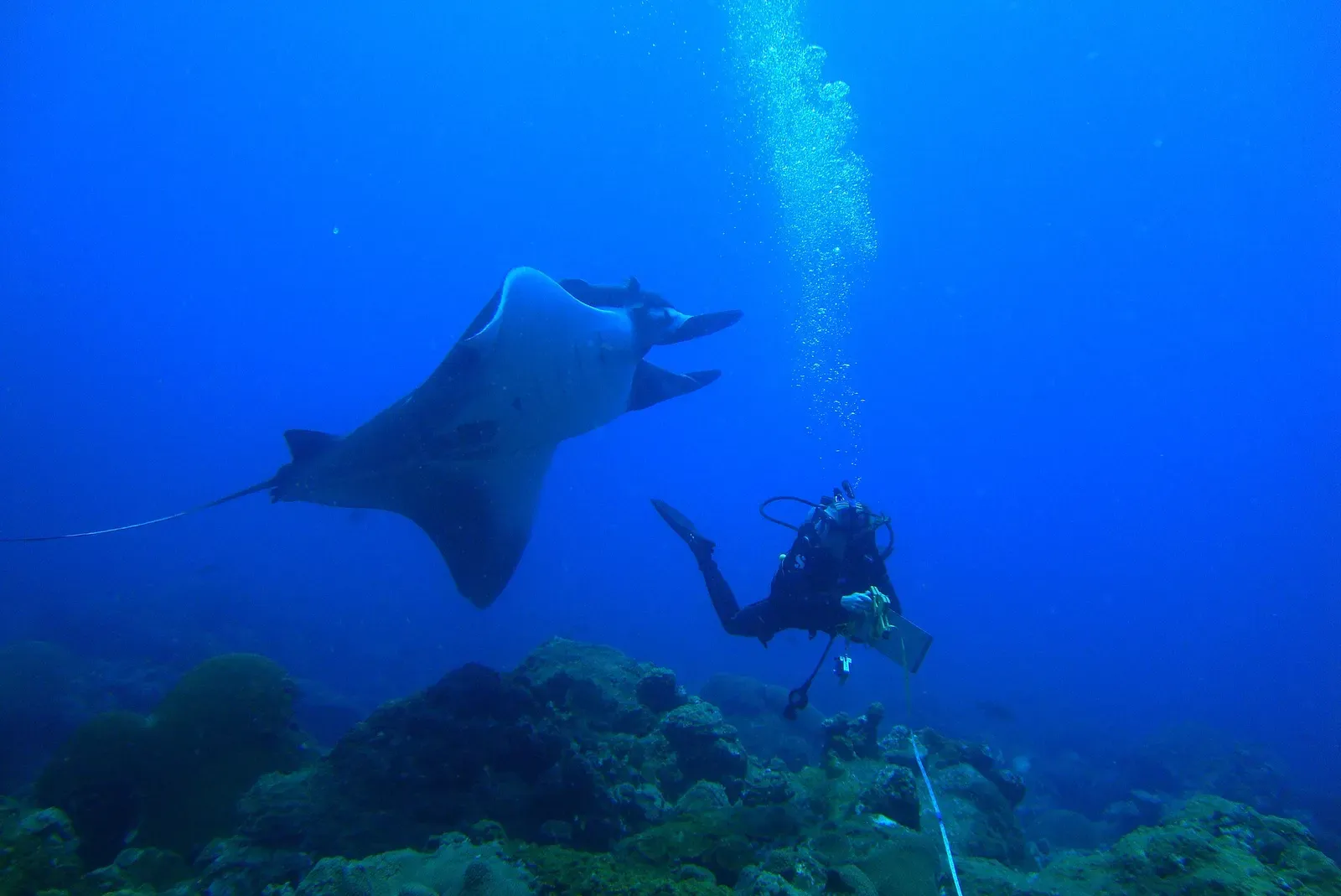
Healthy coral reef caps 100 miles offshore, famous for August coral spawning.
Goliath groupers over 200 kg mass on the wrecks to spawn each August


.jpg)


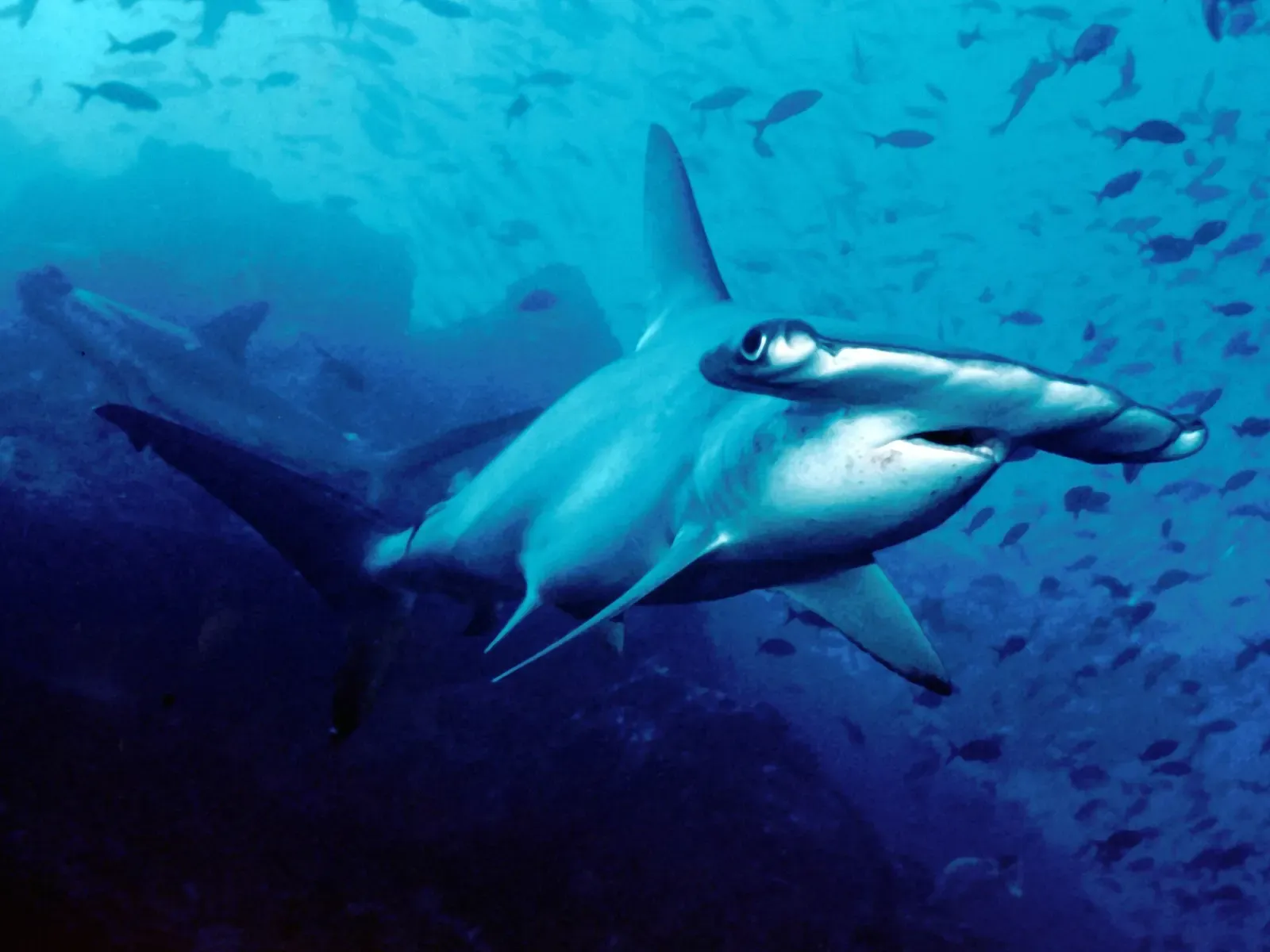
Scalloped hammerhead schools circle Bajo Alcyone's cleaning station in the current