Coral Triangle · Solomon Islands
Solomon Islands — Munda
WWII aircraft wrecks rest near lightly dived, pristine barrier reefs.
Photo: Leonard Clifford · CC BY 2.0
Munda, on the island of New Georgia in the Solomon Islands' Western Province, combines coral reef diving with World War II history, including aircraft wrecks left from the fighting between Allied and Japanese forces in 1942–43. Reef sites around the barrier islands hold pristine coral cover and schooling reef fish thanks to low visitor numbers, while wreck sites and coastal caves used during the war add historical interest. The area remains lightly developed for diving compared to the Pacific's better-known destinations.
About diving in Solomon Islands — Munda
Munda dives as a shore-based, day-boat operation. Boats leave from the waterfront in town, most sites are a short run across the lagoon or out through the passes between the barrier islands, and a typical day is two dives with the interval spent ashore or back at the wharf. Because so much of the diving sits inside sheltered lagoon water, there is usually somewhere workable to go when the open coast is rough, and afternoons often finish shallow and close to town.
Geography splits the diving three ways. The barrier reef facing open ocean gives wall and drop-off dives with the best clarity. The passes between the islands funnel tidal flow and are dived as drifts, with fish stacked on the corners where the water accelerates. Inside the lagoon everything calms down and shallows out into coral patches, silty slopes and limestone cut into the shoreline. One boat ride can move you between all three, which is why briefings here change more than the depth does.
The wartime material is the other half of the trip, and it is aviation more than shipping: airframes lying on sand and coral in and around the lagoon. Several are broken up and only partly recognisable, and the identity of a given aircraft or the circumstances of its loss is often unsettled between sources, so take what you hear as the local account rather than as documented fact. Reef and land here are held under customary tenure, so access to some sites rests on arrangements an operator holds with the villages.
The trade-off is a small scene: few operators, limited spares, and a schedule that follows the guide's tide plan rather than yours. Moderate flow in the passes rewards decent finning and a willingness to sit a site out when the timing is wrong. In return the surface half of the trip — villages, wartime remains, stories carried down from the same period — counts for as much as the diving. Anyone expecting a developed resort strip or guaranteed big-animal encounters should calibrate before booking.
When to dive Solomon Islands — Munda
| Jan | Feb | Mar | Apr | May | Jun | Jul | Aug | Sep | Oct | Nov | Dec |
|---|---|---|---|---|---|---|---|---|---|---|---|
| Fair | Fair | Fair | Good | Good | Prime | Prime | Prime | Prime | Good | Good | Fair |
April–November dry season is calmest; December–March brings cyclone risk and rougher seas.
Getting there
Munda is reached by domestic flight from Honiara onto a strip laid down during the war; boats leave from the waterfront within walking distance of most accommodation, so transfers are rarely needed. Diving is day-boat based, and liveaboards working the Western Province out of Honiara also take in reefs on this side of New Georgia.
Wildlife calendar
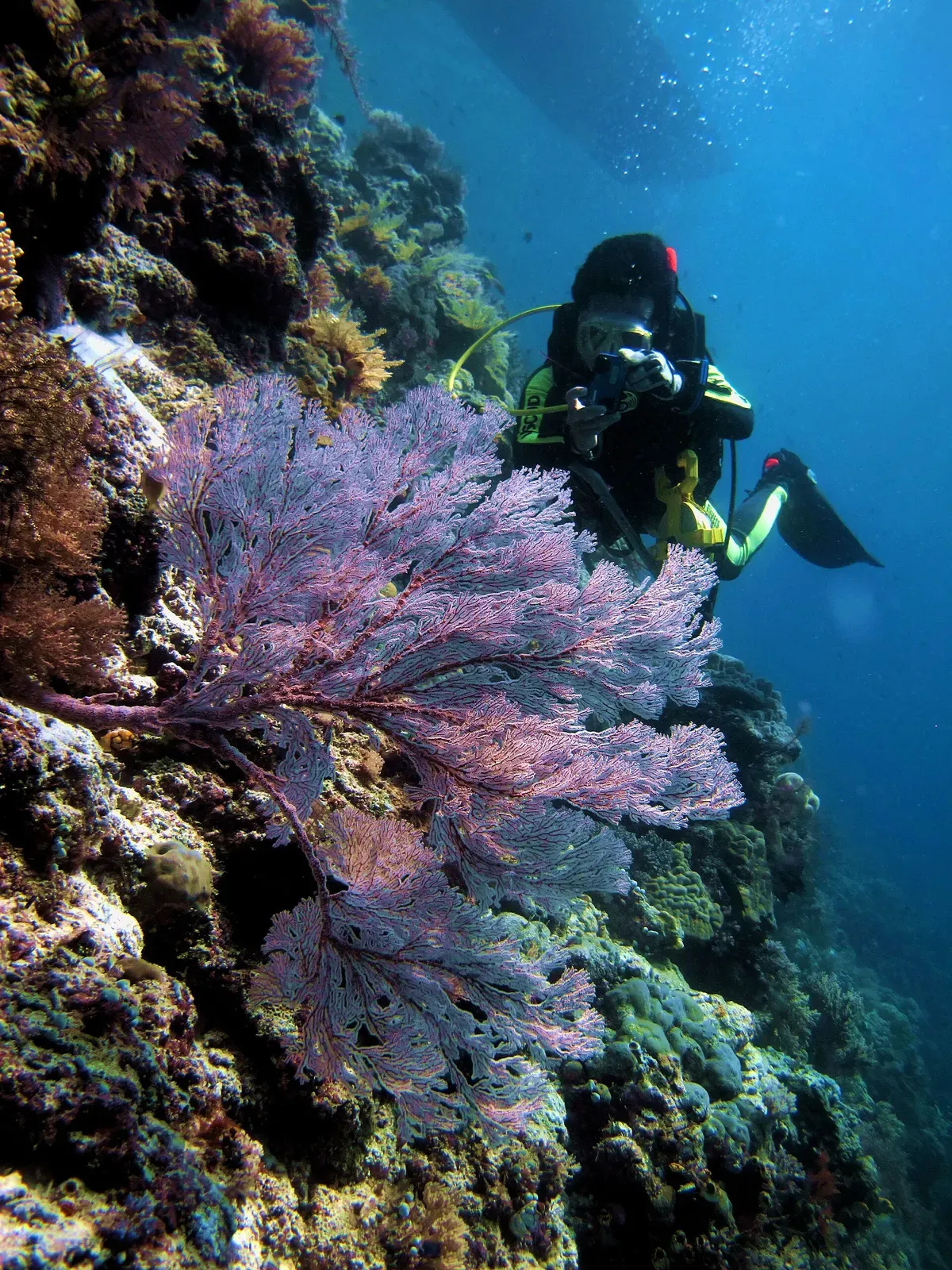
Reef fish stack up on the outer reefs, with barracuda and trevally schooling in the passes, reef sharks along the walls and turtles over shallow coral; nudibranchs and other small subjects fill the sheltered lagoon sites. The April-to-November dry stretch gives the calmest water and best clarity outside, steadiest from June to September; the wetter start of the year favours inshore diving.
Dive types & marine life
- Wreck
- Reef
- Wall
- Drift
- Reef sharks
- Barracuda
- Trevally & jacks
- Nudibranchs
- Pristine corals
- Sea turtles
Notable dive sites in Solomon Islands — Munda
Custom Caves
Coastal caves used for shelter during WWII fighting.
Shark Point
Reef point known for reef shark sightings.
Corsair Fighter Wreck
Shallow WWII fighter plane wreck near Munda.
Photo credits
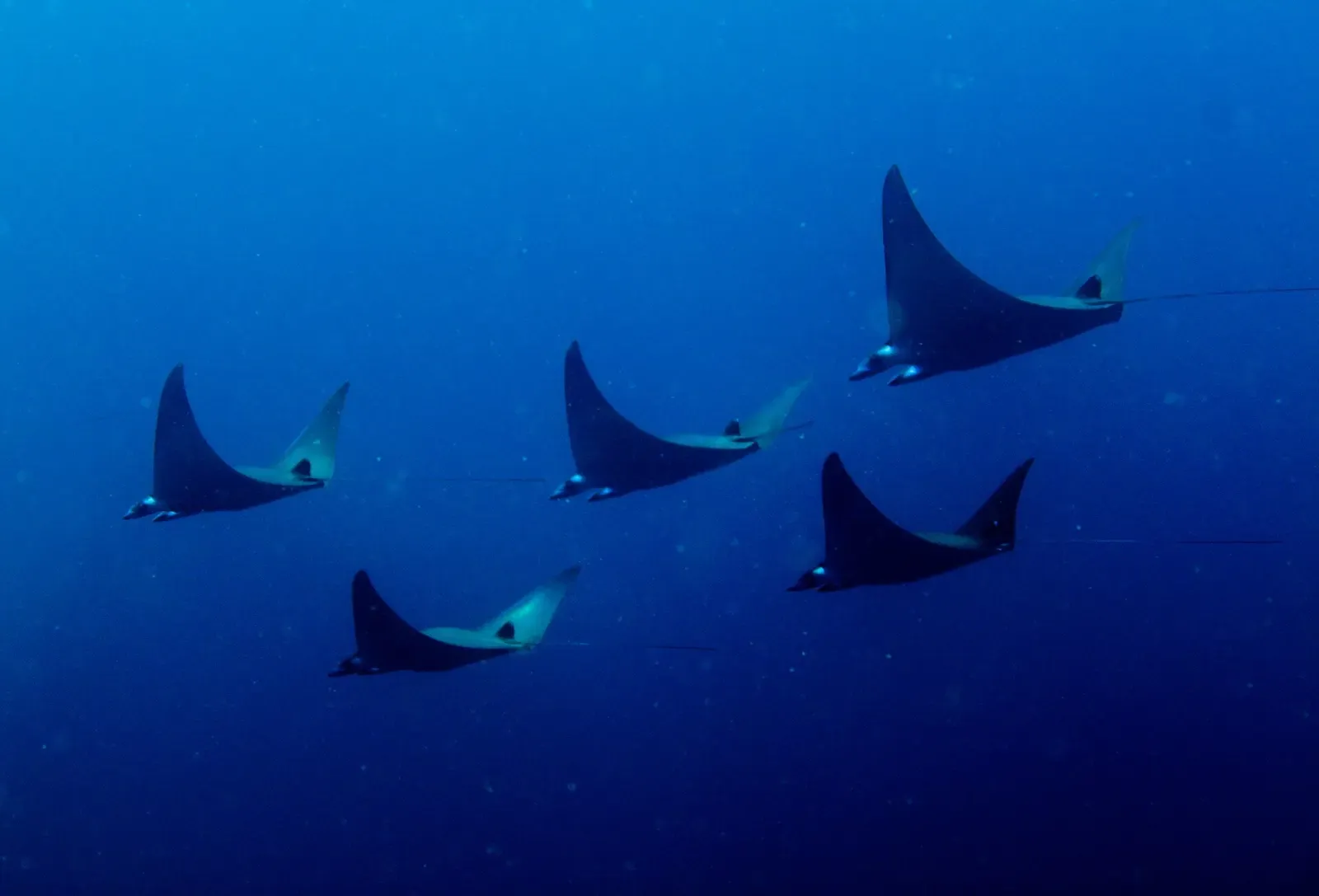
- A group of mobula rays glides through blue water off Munda, Solomon Islands by Leonard Clifford, CC BY 2.0, via Openverse
Similar destinations
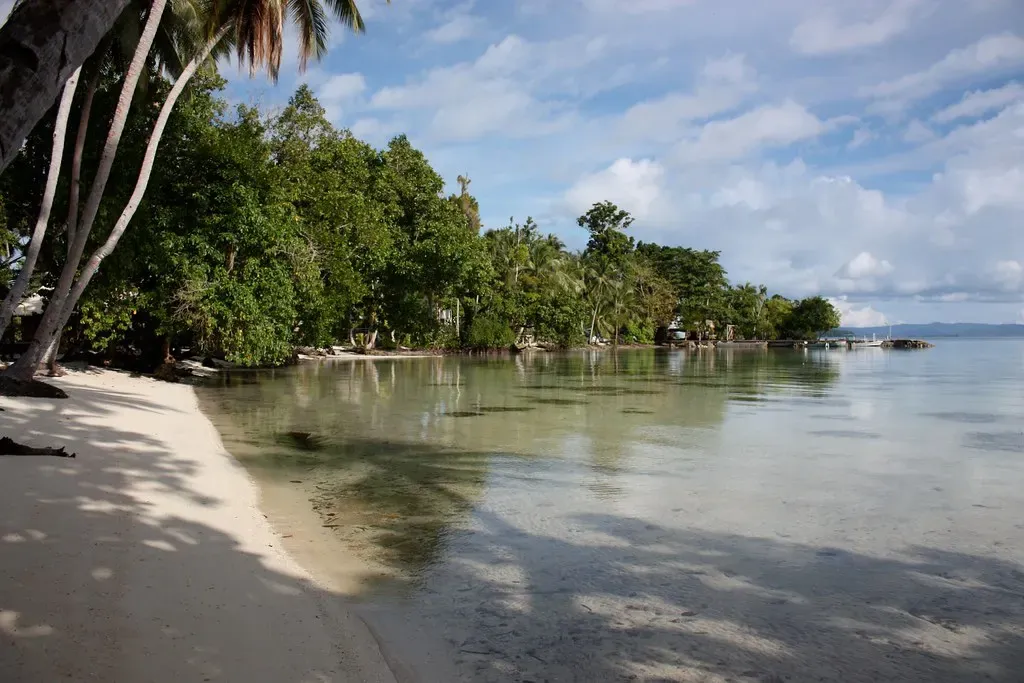
Step off a jetty into the world's largest lagoon, or cross to open ocean
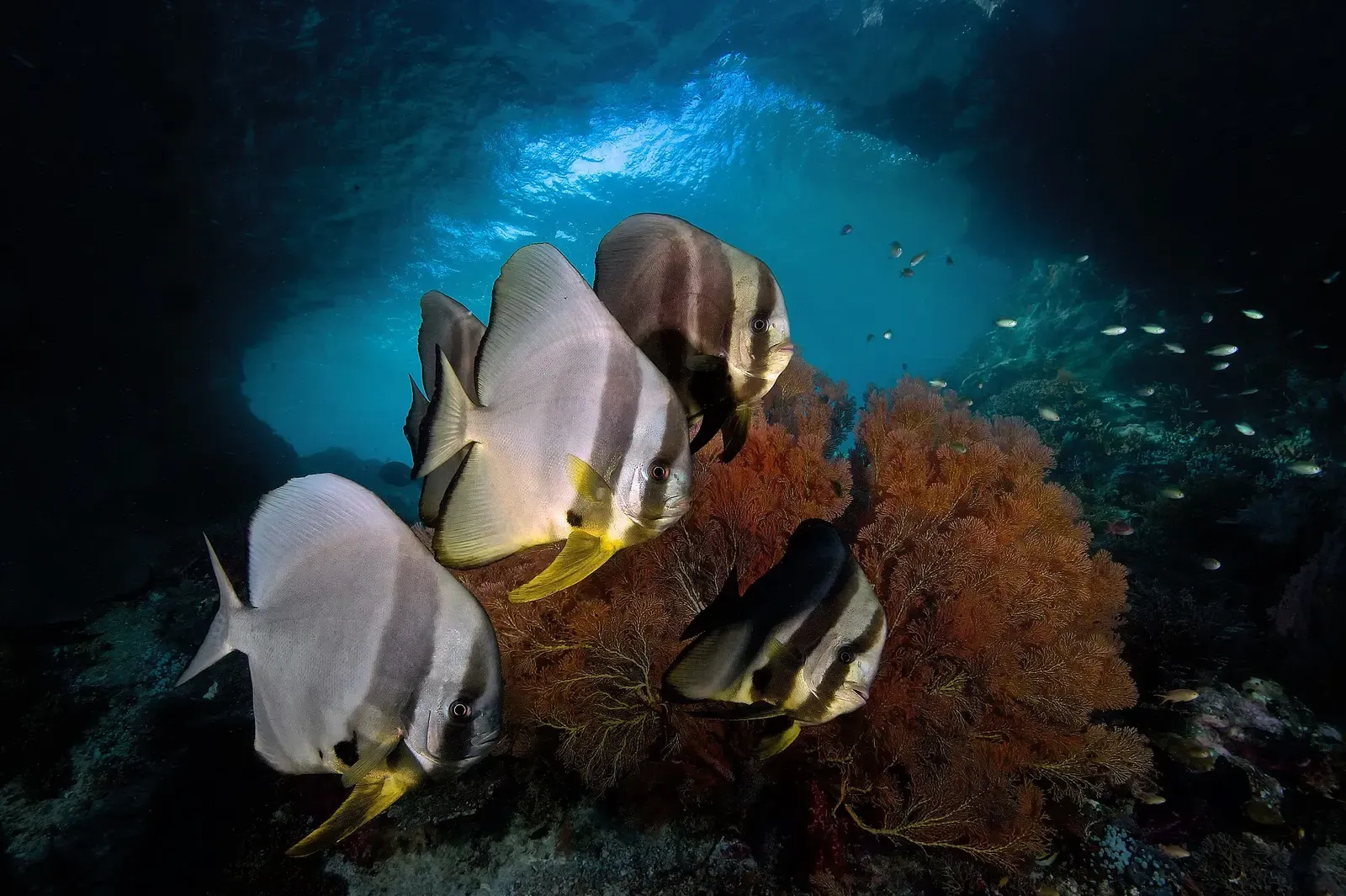
Manta rays hold at cleaning stations in the world's most biodiverse reef system.
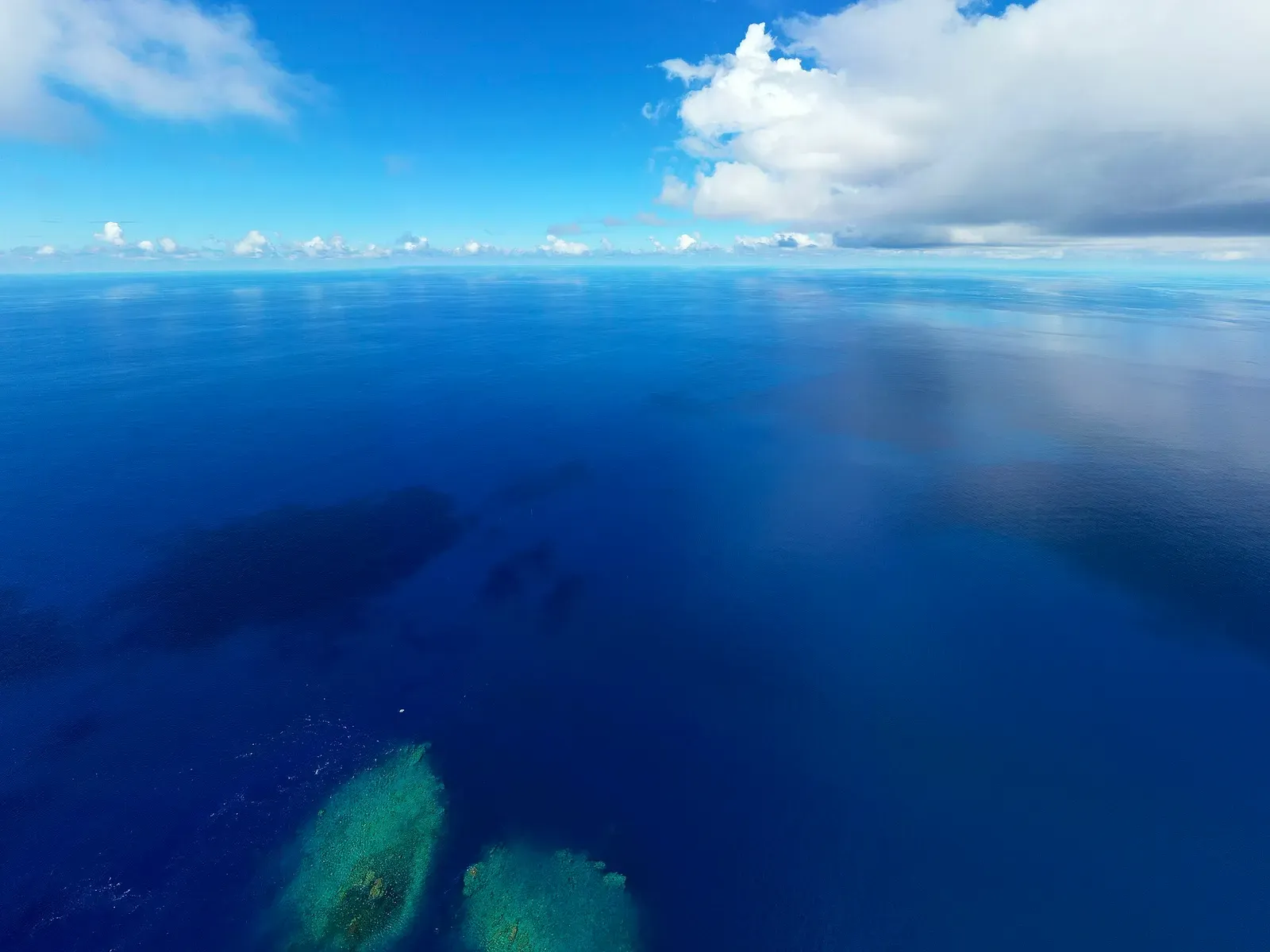
Hot gas vents stream through the reef from an active submarine volcano
The world's third-largest atoll, and a wall running the length of Selayar