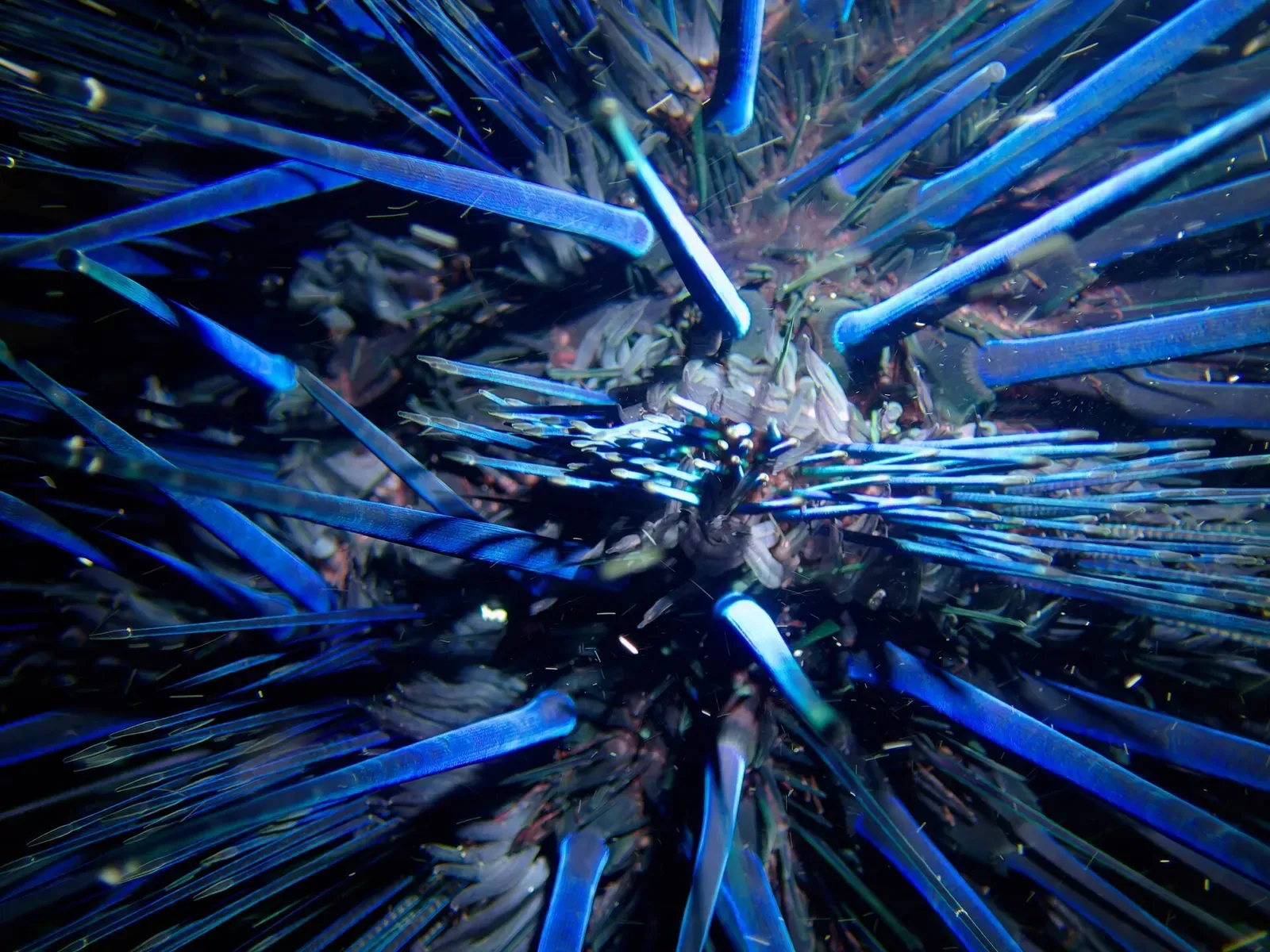
East Asia · Taiwan
Xiaoliuqiu
Hundreds of resident green turtles around a six-kilometre island
Photo: Jay Paroline · CC BY 4.0
Xiaoliuqiu, or Lamay Island, is the only coral island among Taiwan's offshore group, a short ferry from Donggang, and it has the densest resident green turtle population in the country — counts run into the hundreds around an island six kilometres across. Turtles are effectively guaranteed on every dive and most snorkels, feeding on the algae-covered shallows within metres of shore. The diving is easy, warm and almost entirely shore-accessible.
About diving in Xiaoliuqiu
There are no liveaboards and little that resembles a resort dive operation. Shops move tanks by scooter and small truck to whichever bay is sheltered that morning, and divers walk in over rock or down a ramp; boats go out for the outer points and for drifts along the exposed sides. Timing matters more than logistics. Day-trippers land off the Donggang ferries from mid-morning and the popular entries fill up, so the first and last slots of the day are noticeably quieter water.
The island is uplifted coral limestone, and it shows. The shoreline is sharp, pitted rock riddled with small caves and undercuts, and that structure carries on below the surface as terraces and short walls stepping down onto sand. The shallows are algae-covered platform and scattered coral heads; the deeper edges hold more relief and more water movement. Visibility is the variable that decides how good a day feels, opening up in settled weather and shutting down after heavy rain or a run of swell.
Turtle diving here is not a search. You settle over the grazing flats and wait while animals feed, rest and lift off to breathe, mostly indifferent to the divers around them. Green turtles are protected under Taiwan's wildlife law, and briefings are firm about not touching, chasing or cutting off an animal on its way to the surface; guides who dive the same bays daily know individuals by the scute patterns on the sides of their faces. The same shallow ground carries the snorkel trade, which is why the island draws a crowd well beyond its dive shops.
It is an easy place to log a lot of dives, with warm water, short entries, forgiving profiles and something reliable to look at on each one, and shops run courses more or less continuously. Photographers do well, particularly after dark, when the reef changes shift. Divers hunting pelagics, big walls or remote water will find it small and busy; it works best as a short add-on from southern Taiwan rather than a trip built around it.
When to dive Xiaoliuqiu
| Jan | Feb | Mar | Apr | May | Jun | Jul | Aug | Sep | Oct | Nov | Dec |
|---|---|---|---|---|---|---|---|---|---|---|---|
| Good | Good | Good | Prime | Prime | Prime | Good | Good | Good | Prime | Good | Good |
Divable year-round; Apr–Jun and October are calmest, while typhoons disrupt Jul–Sep and winter winds raise swell.
Getting there
Fly into Kaohsiung, then bus or taxi to the Donggang pier for the short passenger crossing; sailings run through the day and stop in typhoon weather. Stay in one of the island's villages and rent a scooter, which is how divers, gear and tanks all move around, though renting legally needs an international driving permit.
Wildlife calendar
Green turtles are the year-round constant here, with no seasonal peak worth timing a trip around. Reef fish schools and nudibranchs come good in the settled April-to-June and October windows, when visibility holds. After dark, octopus and cuttlefish come out and turtles wedge under ledges to sleep; reef sharks are an occasional sighting on the outer points rather than something to plan around.
Dive types & marine life
- Reef
- Wall
- Drift
- Night
- Muck & macro
- Sea turtles
- Reef fish swarms
- Nudibranchs
- Macro critters
- Octopus & cuttlefish
- Reef sharks
Notable dive sites in Xiaoliuqiu
Vase Rock
The island's landmark sea stack, with turtles on the shallow reef below.
Ge Ban Wan
West-coast bay with a sand and coral slope, reliable for feeding turtles.
Duzaiping
Intertidal platform dropping onto coral terraces at 12–20 m.
Sanfu
Former fishing port entry onto a gentle slope, used for training.
Photos from Xiaoliuqiu
Dan Schofield · CC BY 4.0
Lu I-chi · CC BY 4.0
Dan Schofield · CC BY 4.0
Outlookxp · CC BY-SA 4.0
Dive videos
在小琉球潛水,海龜看到飽😍|水肺潛水|林宣 Xuan Lin · 林宣 Xuan Lin on YouTube
Diving in Xiaoliuqiu, Taiwan | 看不到海龜好難之小琉球 (October 2025) · GoDiving Club on YouTube
Photo credits
- Blue-black sea urchin with iridescent spines on the reef at Xiaoliuqiu, Taiwan by Jay Paroline, CC BY 4.0, via Wikimedia Commons
- Black-margined nudibranch crawling over reef rubble near Xiaoliuqiu, Taiwan by Dan Schofield, CC BY 4.0, via Wikimedia Commons
- Black wart slug covered in white pustules on the reef at Xiaoliuqiu, Taiwan by Lu I-chi, CC BY 4.0, via Wikimedia Commons
- Striped Phyllidiopsis nudibranch on red sponge near Xiaoliuqiu, Taiwan by Dan Schofield, CC BY 4.0, via Wikimedia Commons
- Fishing boats moored at Dafu Port on Xiaoliuqiu island, Taiwan by Outlookxp, CC BY-SA 4.0, via Wikimedia Commons
Similar destinations
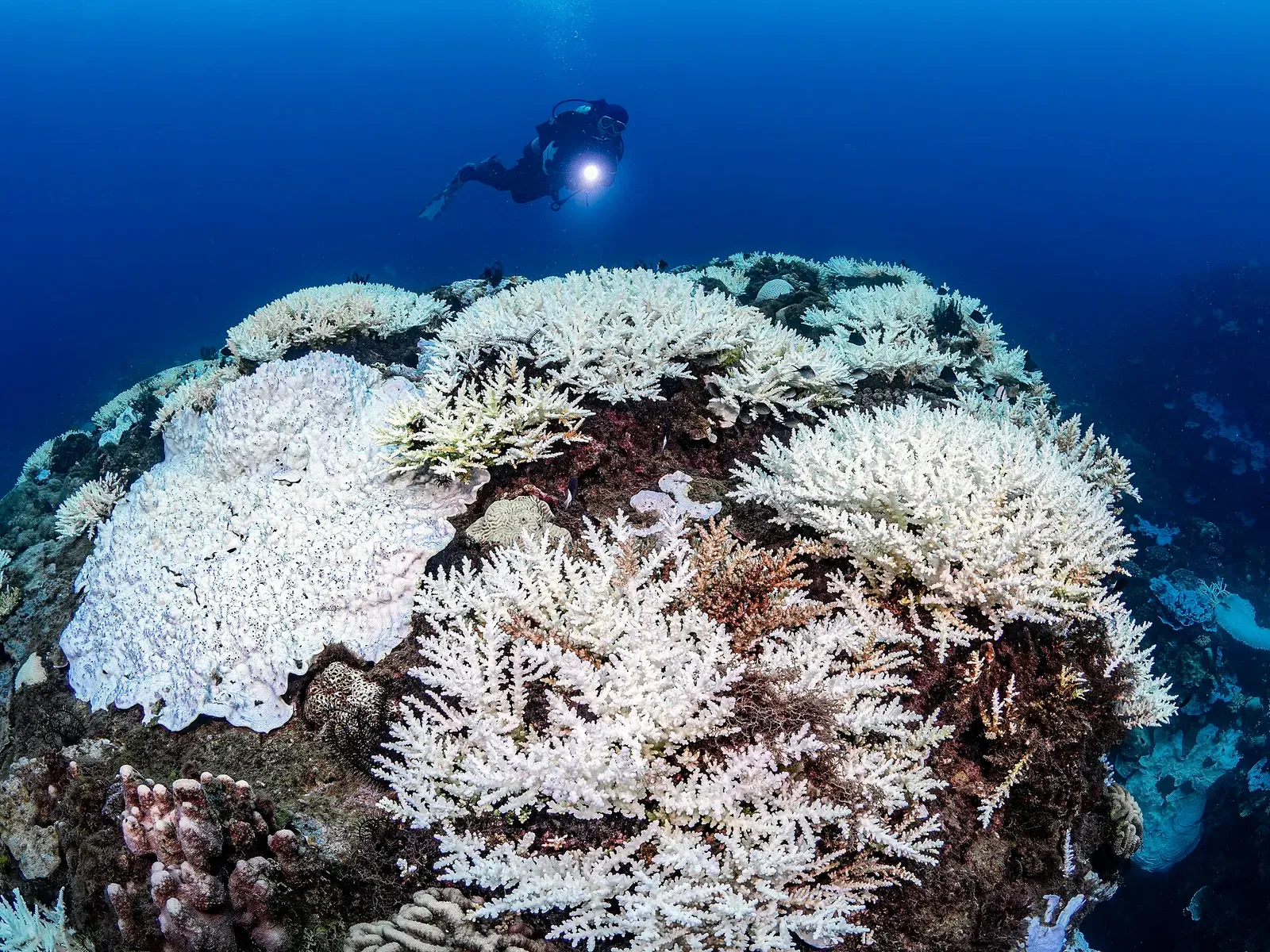
Shore-entry coral slopes at the warm southern tip of Taiwan
East Asia
Amami Ōshima
Japan
Pufferfish sculpt two-metre geometric nests into the sand at 25 m
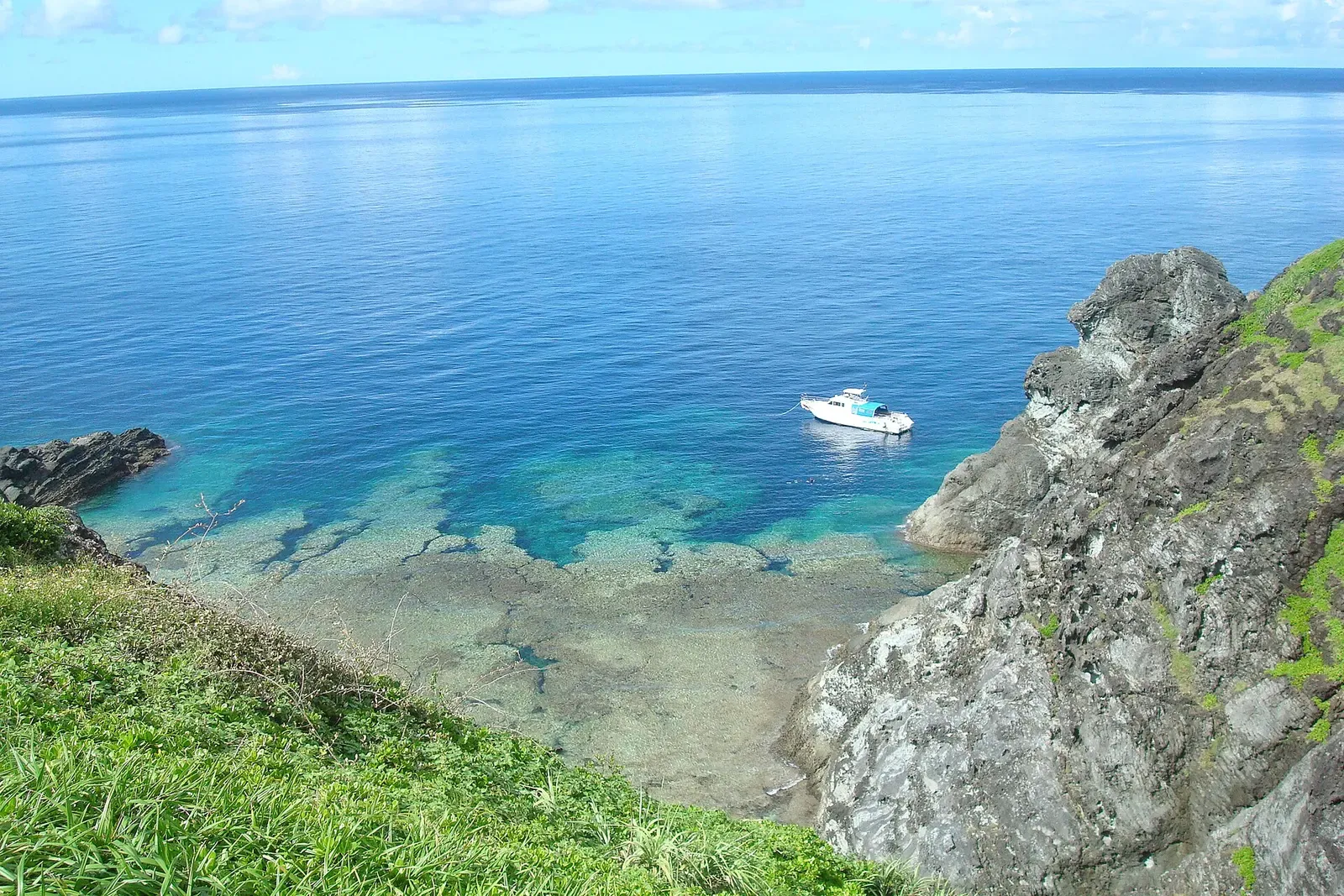
Reef manta rays circle shallow cleaning stations in Kabira Bay most of the year.
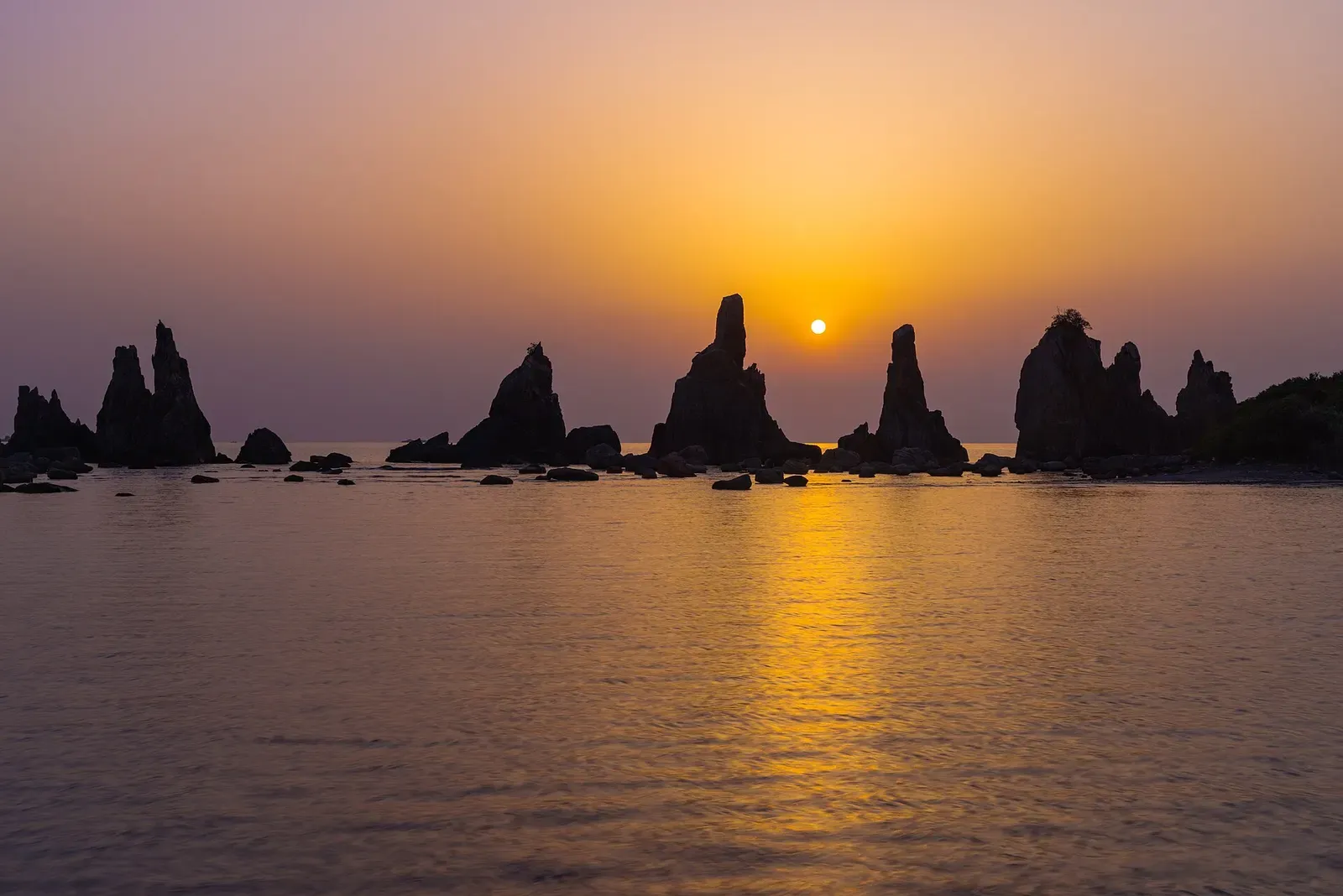


The world's northernmost table coral reef, growing at 33° north