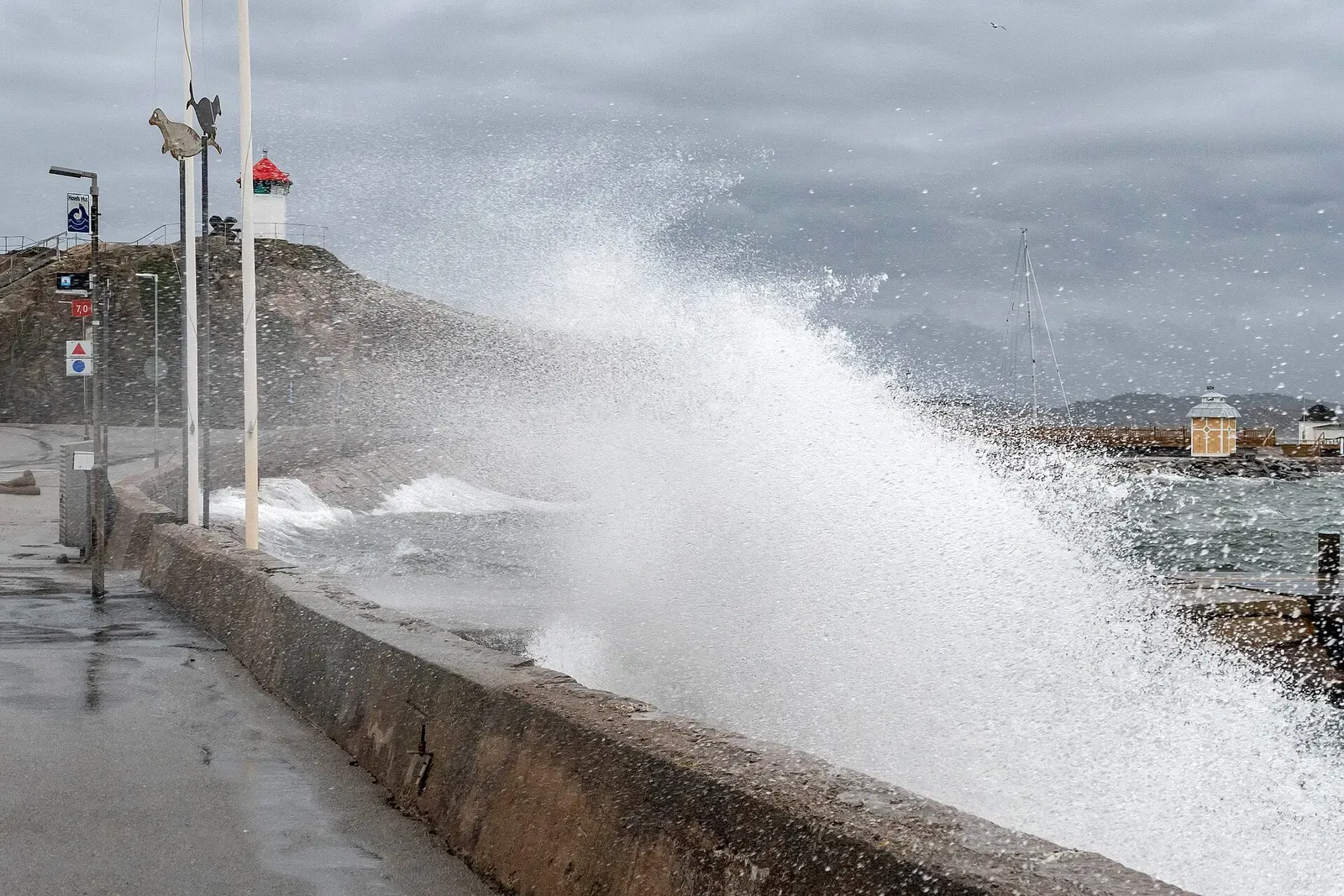
The Bohuslän coast is a granite skerry landscape where Atlantic water pushes into the Skagerrak, and the Gullmarsfjord — Sweden's only true threshold fjord, 120 m deep — traps a cold salt layer that supports species found nowhere else in the country. Kosterhavet, Sweden's first marine national park, protects the only Lophelia cold-water coral reefs in Swedish waters. Add wolffish, dead man's fingers and a long list of wrecks and this is the Nordic country's best diving.
About diving in Bohuslän & Gullmarsfjord
Diving here is mostly done from the road. Centres along the coast, Lysekil and Smögen among them, fill tanks and run boats, but plenty of divers simply park above a granite slab, kit up on the rock and walk in, because the shore falls away fast enough that there is no long surface swim to reach anything worth seeing. Boat days are kept for the outer skerries and the deeper wrecks, and they are decided by wind rather than by tide: the tidal range on this coast is a matter of centimetres, so it is the forecast that cancels a day.
The rock does the work. Bohuslän granite continues below the surface as slabs, fissures and clean vertical faces, with kelp in the shallows giving way to walls of soft coral, anemone and sponge. Sites split into two families. The inner fjords and sounds are sheltered, darker and siltier, layered enough that temperature and salinity can shift sharply on the way down. The exposed outer skerries — Väderöarna, off Fjällbacka, among them — sit in ocean water that clears earlier in the year and stays colder through the summer.
Gullmarn is the reason biologists have worked this coast since 1877, when the Kristineberg station opened on its shore. A sill of roughly 40 m pens a cold, salty layer into the basin behind it, so animals that normally sit far deeper turn up within reach of a shore entry, and wolffish are territorial enough to hold the same crevices for years. The Lophelia reef that helped earn Kosterhavet its status lies at around 80–90 m in the deep Koster channel, far past recreational depth; what divers actually work is the current-swept granite above it.
Which month you pick matters as much as which certification you hold. February and March are the photographer's window: short daylight, cold hands on the surface, fewer boats running, and water clear enough to read the whole shape of a wall. July to September is the sociable version, when Bohuslän is a Swedish holiday coast and beds, ramps and the popular entries all fill up. Either way, it rewards divers who like structure, macro and cold-water photography more than anyone counting big animals.
When to dive Bohuslän & Gullmarsfjord
| Jan | Feb | Mar | Apr | May | Jun | Jul | Aug | Sep | Oct | Nov | Dec |
|---|---|---|---|---|---|---|---|---|---|---|---|
| Good | Prime | Prime | Good | Good | Good | Prime | Prime | Prime | Good | Fair | Fair |
Late winter gives the clearest water once the plankton dies back; Jul–Sep is warmest and easiest for shore entries.
Getting there
Gothenburg is the usual gateway, with the E6 running north up the coast to Strömstad and on into Norway; Oslo is a comparable drive to the northern bases. Lysekil, Smögen, Fjällbacka and Strömstad are the standard bases, and a car is effectively required since the entries are spread along the whole coast. Boats to the outer skerries leave from the harbour towns.
Wildlife calendar
Soft corals, plumose anemones and sponge hold the walls year-round, with wolffish, lobster, edible crab and the occasional curled octopus in the cracks. Nudibranch hunting is best in the clear February–March water. Summer adds juvenile fish and shoals of pollack and saithe over the kelp; harbour seals are resident around the Koster islands, and jellyfish drift through late in the season.
Dive types & marine life
- Wall
- Wreck
- Reef
- Kelp forest
- Night
- Macro critters
- Nudibranchs
- Octopus & cuttlefish
- Seals & sea lions
- Reef fish swarms
Notable dive sites in Bohuslän & Gullmarsfjord
Kosterhavet National Park
Sweden's first marine park, protecting its only Lophelia coral reefs.
Gullmarsfjord
Threshold fjord 120 m deep, with steep walls and cold-layer species.
Väderöarna
Exposed offshore skerries with the clearest water on the coast.
Smögen
Granite drop-offs beside a fishing harbour, the usual shore-dive base.
Photos from Bohuslän & Gullmarsfjord
W.carter · CC BY-SA 4.0
W.carter · CC BY-SA 4.0
W.carter · CC BY-SA 4.0
Dive videos
Scuba Diving - The Swedish West Coast · Anders Larsson dive video on YouTube
Diving Gullmarn · Lars Bindholt on YouTube
Photo credits
- Storm waves crash over the sea wall at Kyrkevik harbor in Lysekil on Sweden's Bohuslän coast by W.carter, CC0, via Wikimedia Commons
- Sea lettuce, red algae and kelp growing on submerged rock in Lysekil harbor by W.carter, CC BY-SA 4.0, via Wikimedia Commons
- Strands of dead man's rope and sea lettuce growing over submerged rock near Lysekil by W.carter, CC BY-SA 4.0, via Wikimedia Commons
- A wooden jetty in Kyrkevik harbor backed by pink Bohuslän granite by W.carter, CC BY-SA 4.0, via Wikimedia Commons
Similar destinations
Cold Water
Lundy Island
United Kingdom
England's first marine reserve, and its grey seals follow divers around
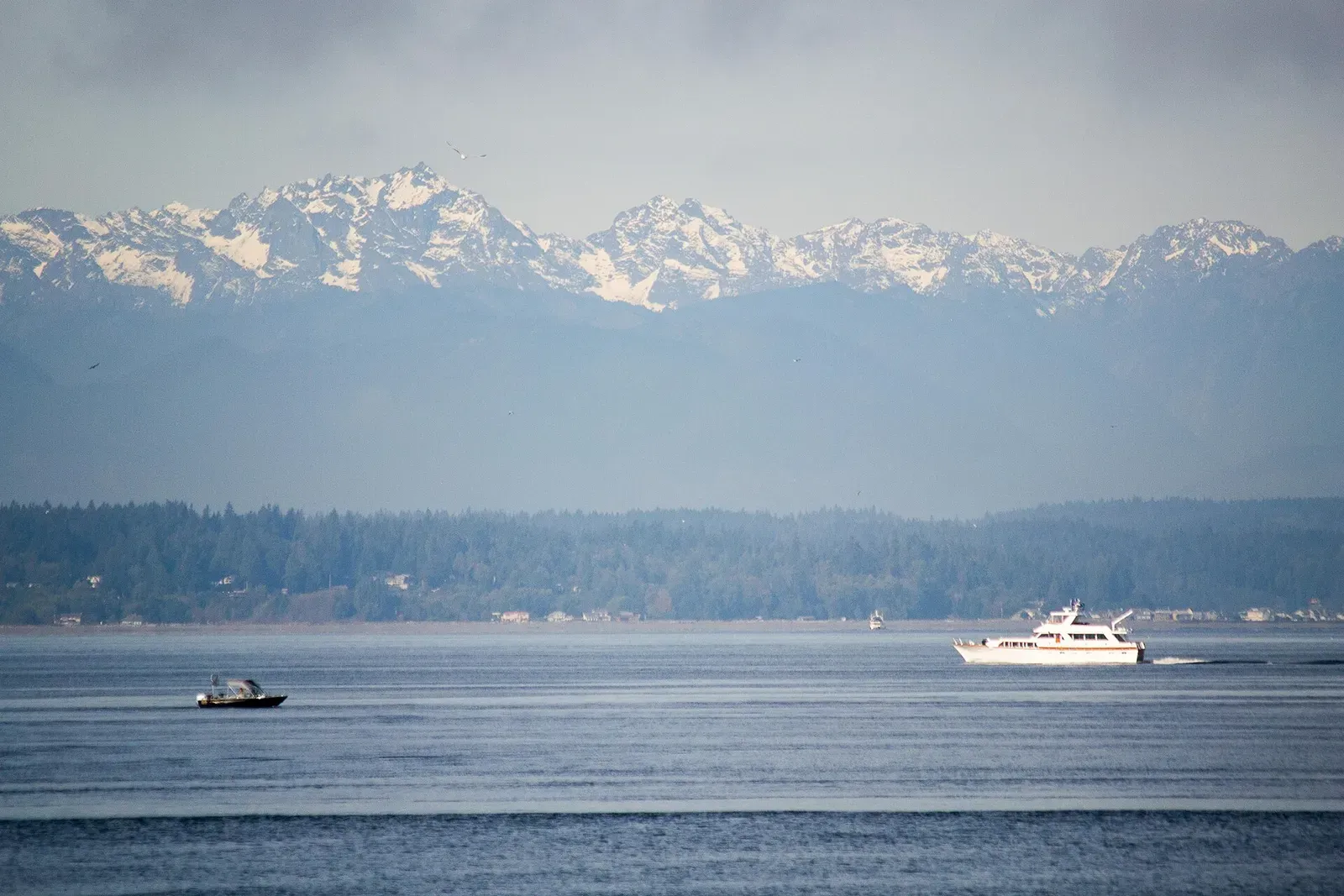
Giant Pacific octopus over 4 m across, and wolf eels paired in rock dens
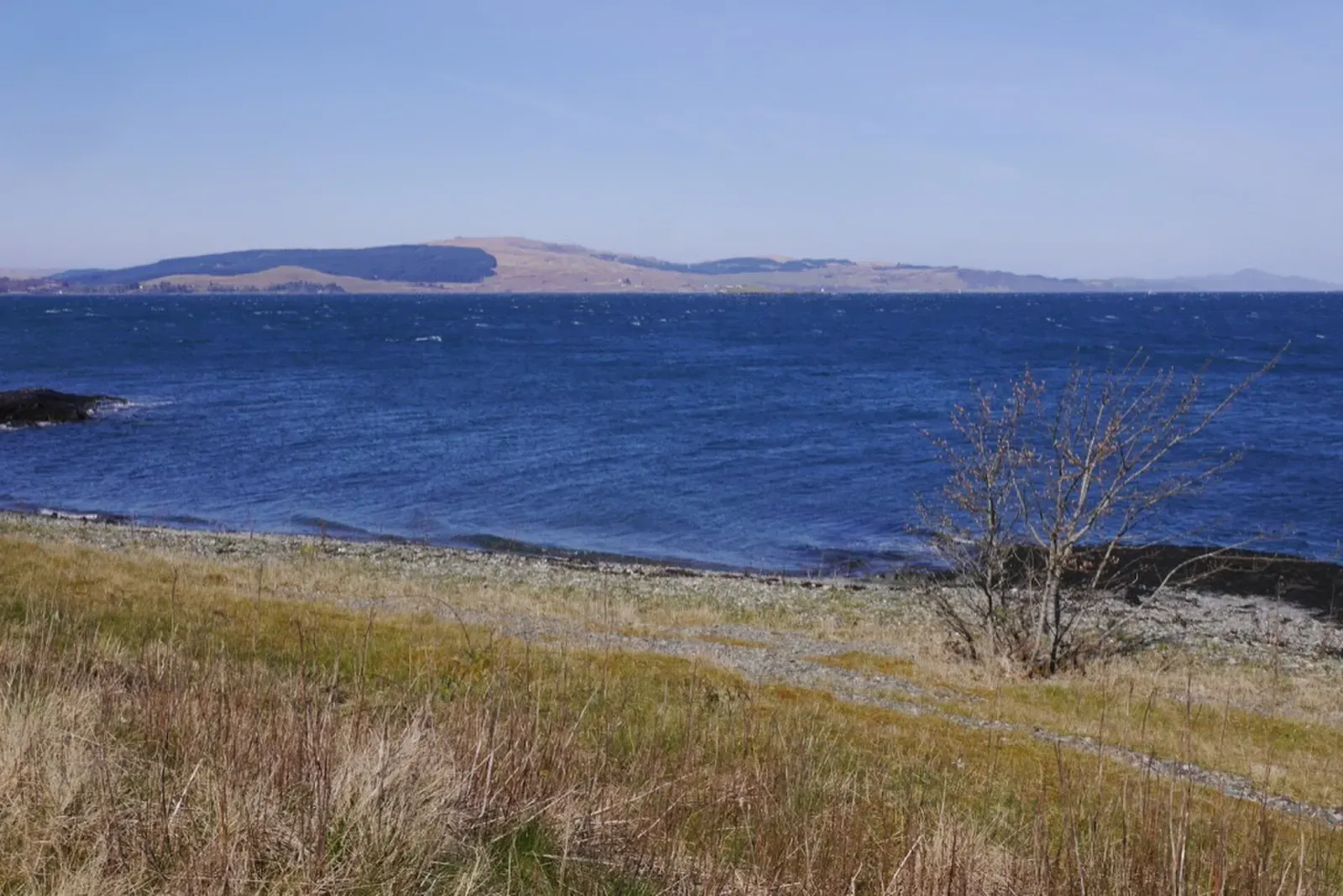
The Rondo stands almost vertical, stern at 15 m and bow at 50
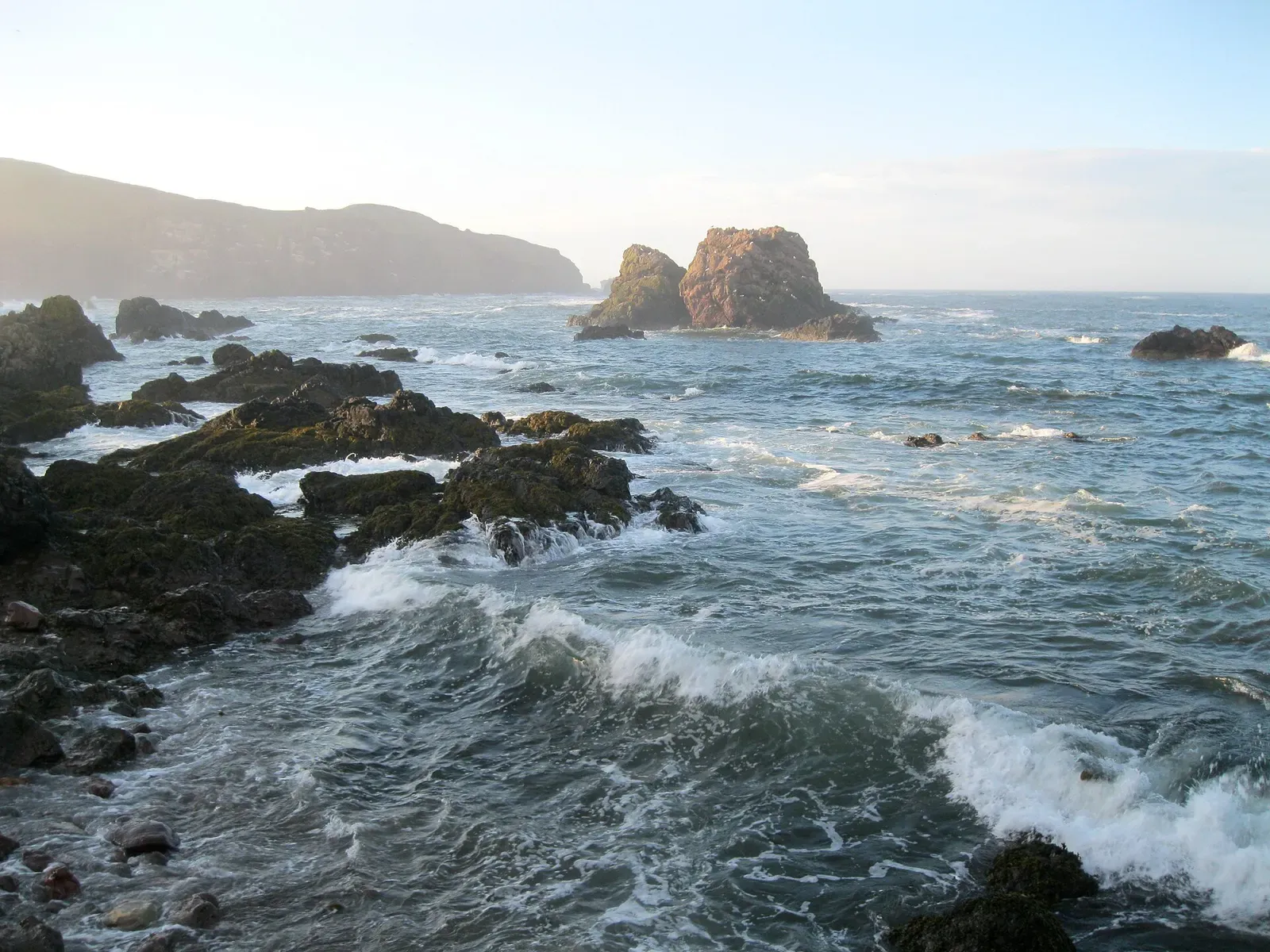


Jewel anemones and grey seals on a Berwickshire volcanic coast