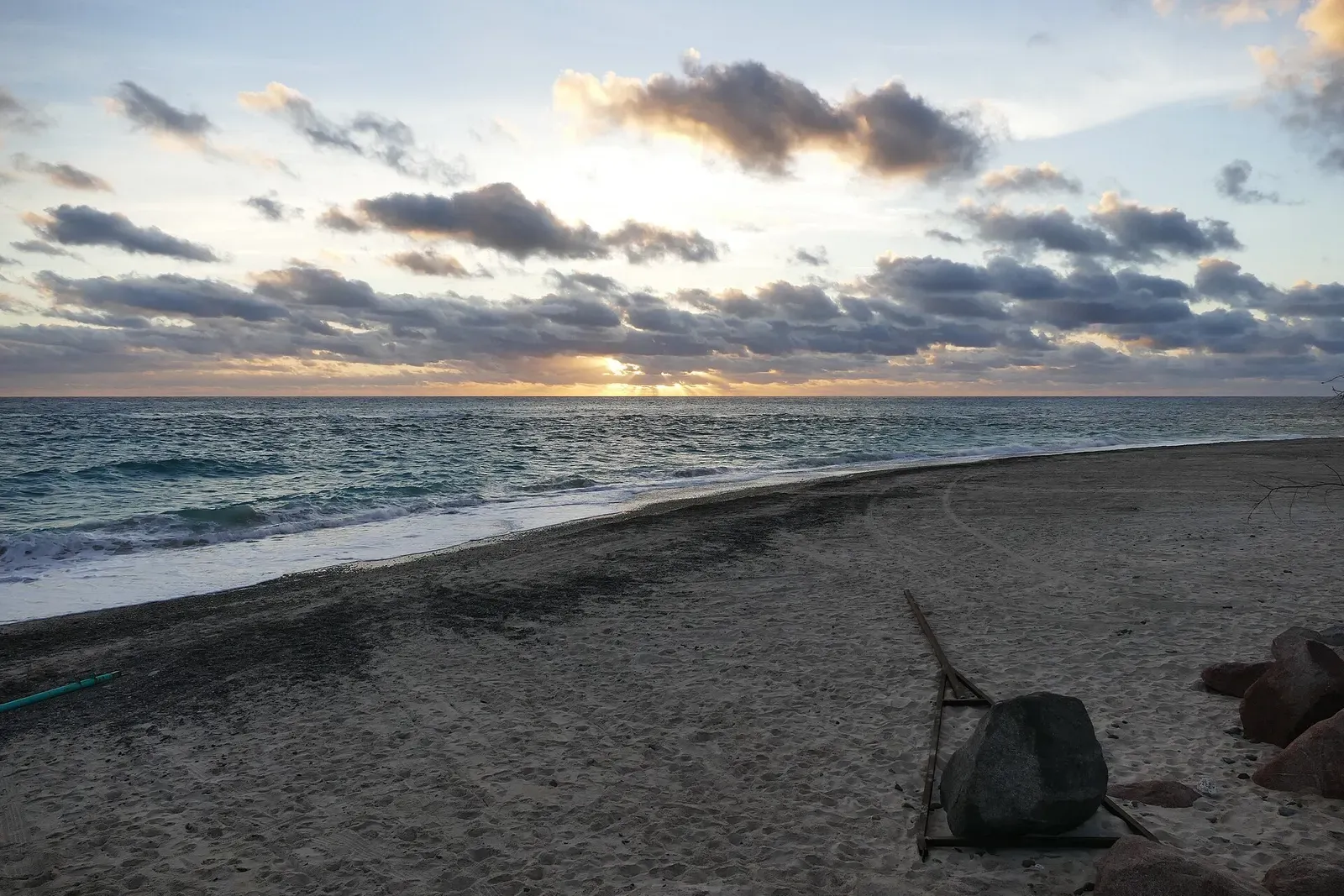
North America · Mexico
Cabo Pulmo
A recovered coral reef with dense jack schools and seasonal bull sharks.
Photo: Peter Potrowl · CC BY-SA 4.0
Cabo Pulmo National Park protects one of the only living hard-coral reefs in the Sea of Cortez, and decades of no-take enforcement since 1995 have rebuilt its fish biomass dramatically. Divers find dense schools of jack crevalle balling up over the reef, mobula ray aggregations passing through in warm months, and bull sharks cruising the drop-offs near the El Vencedor wreck. Most sites sit close enough to shore to reach by short boat rides or direct beach entries.
About diving in Cabo Pulmo
Cabo Pulmo is a village rather than a resort town: a scatter of low buildings, a few palapa restaurants and a dirt main street, with limited power and services. Diving runs on pangas launched straight off the beach, pushed into the surf by truck, and the ride to most sites takes minutes rather than an hour. Two-tank mornings are the standard shape of a day, and boats return to the same stretch of sand between dives, so gear stays simple and turnaround is quick.
The reef is a set of rocky ridges running roughly parallel to the shoreline, with hard coral growing in patches on that rock rather than forming continuous structure. The inshore fingers are shallow and calm enough that snorkellers work them alongside divers; the outer ridges sit deeper, catch more water movement and hold the larger schools. Sand channels between the ridges keep navigation simple, and the sunken trawler is the main piece of structure that is not natural rock.
The park is a no-take reserve, and its rules shape a dive day more than the terrain does. Operators need park authorisation, a guide goes with every group, gloves and contact with the reef are out, boats use fixed moorings rather than anchors, and the number of divers on a site at once is limited. What that produces underwater is fish that hold their ground: schools keep their shape as divers approach, and larger residents sit close enough that wide-angle work does not involve chasing anything.
It suits newer divers and families, with sites running from about 3 to 25 metres in generally mild current, and rewards anyone more interested in fish density than in visibility figures, because the water is often green and particulate. More experienced divers sometimes find the site list repetitive across a full week, so many treat the village as a two- or three-day stop on a wider East Cape trip. Evenings are quiet: no dive-town bar scene, and an early start expected the next morning.
When to dive Cabo Pulmo
| Jan | Feb | Mar | Apr | May | Jun | Jul | Aug | Sep | Oct | Nov | Dec |
|---|---|---|---|---|---|---|---|---|---|---|---|
| Fair | Fair | Fair | Good | Good | Prime | Prime | Prime | Prime | Prime | Good | Fair |
Warm water June-November brings bull sharks and large mobula aggregations; winter is cooler and calmer but still diveable.
Getting there
The usual approach is a drive up the East Cape from the Los Cabos side, with the final stretch into the village unpaved and rough in places. Lodging is small casitas and rentals in and around Cabo Pulmo. Diving is with park-authorised local operators on beach-launched pangas, and the beach also gives straightforward snorkelling access to the inshore reef.
Wildlife calendar
Jack schools, groupers, turtles and eagle rays hold through the year. Bull sharks and the larger mobula aggregations arrive with the warm water, roughly June into November, with June through October rated prime. Winter pulls the water back toward 20°C and quietens the pelagic traffic, though the reef fish and coral cover stay put.
Dive types & marine life
- Reef
- Coral garden
- Wreck
- Drift
- Bull sharks
- Sea turtles
- Trevally & jacks
- Mobula rays
- Eagle rays
- Groupers
- Reef fish swarms
- Pristine corals
Notable dive sites in Cabo Pulmo
El Bajo
Central reef pinnacle with dense coral cover and schooling jacks.
El Vencedor
Sunken shrimp trawler that draws bull sharks in warmer months.
Los Morros
Rocky outcrops with swim-throughs and abundant reef fish.
Las Navajas
Sloping reef known for mobula ray passes and sea turtles.
Los Frailes
Point reef near the park's southern edge with occasional whale sharks.
Photos from Cabo Pulmo
Justin Philbois · CC0
Diego Delso · CC BY-SA 4.0
Diego Delso · CC BY-SA 4.0
Peter Potrowl · CC BY-SA 4.0
Dive videos
Scuba Diving in Cabo Pulmo, Mexico in 4k - The Best Marine Park in North America! · Salty Siren Adventures on YouTube
Cabo Pulmo Scuba Diving - Bull Sharks & Schooling Jacks · Scuba Sights & Drone Flights on YouTube
Photo credits
- Sunrise over the sea at Cabo Pulmo on Mexico's Baja California Sur coast by Peter Potrowl, CC BY-SA 4.0, via Wikimedia Commons
- A leopard grouper swims within a school of reef fish off Cabo Pulmo, Mexico by Justin Philbois, CC0, via Wikimedia Commons
- Cauliflower coral covers the reef at Cabo Pulmo National Park in Baja California by Diego Delso, CC BY-SA 4.0, via Wikimedia Commons
- A coral hawkfish perches on branching reef coral in Cabo Pulmo National Park by Diego Delso, CC BY-SA 4.0, via Wikimedia Commons
- Waves break along the pebble beach at Cabo Pulmo with a mountain backdrop by Peter Potrowl, CC BY-SA 4.0, via Wikimedia Commons
Similar destinations
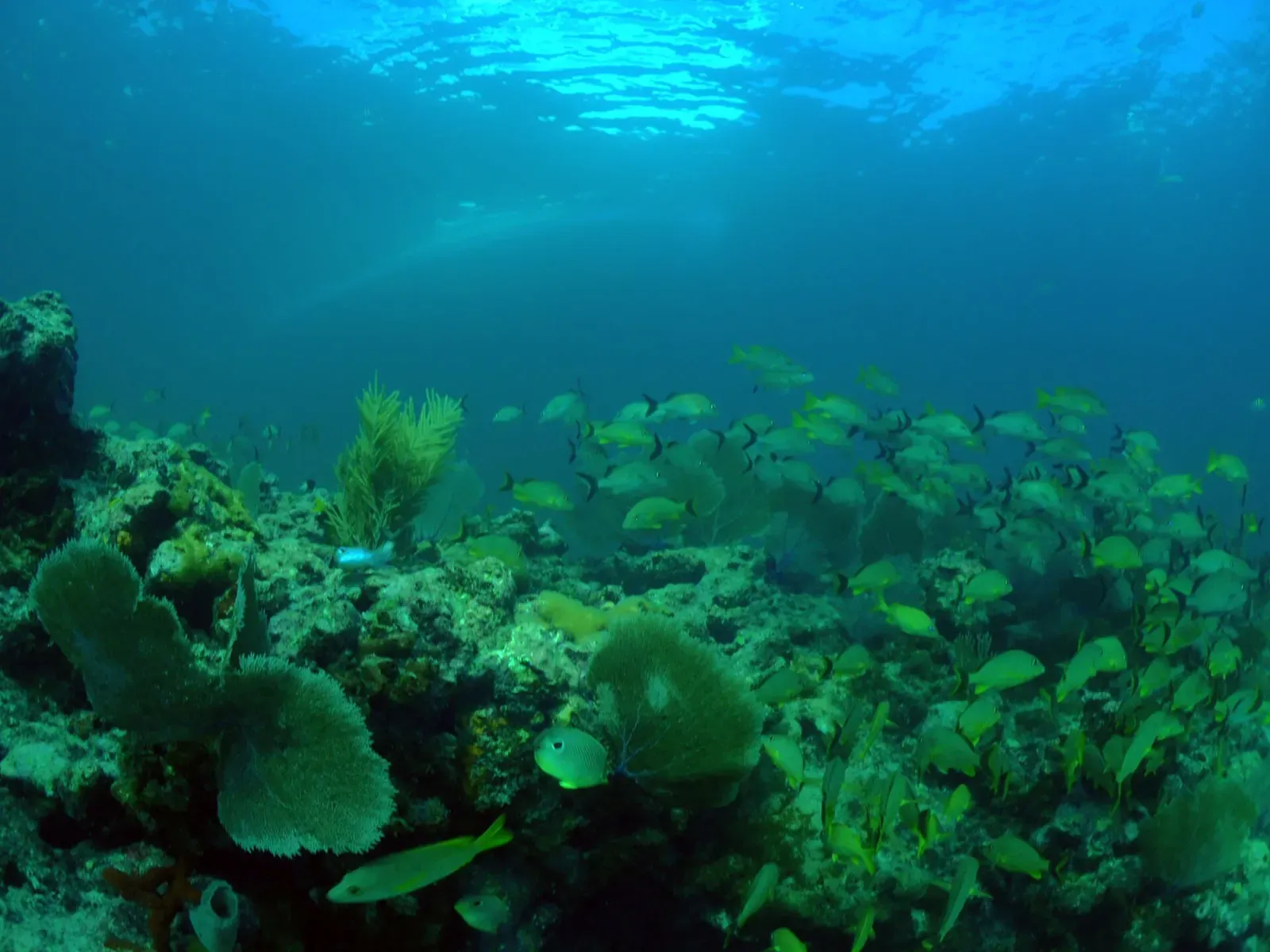
Warm shallow reefs and famous wrecks stretching from Key Largo to Key West.
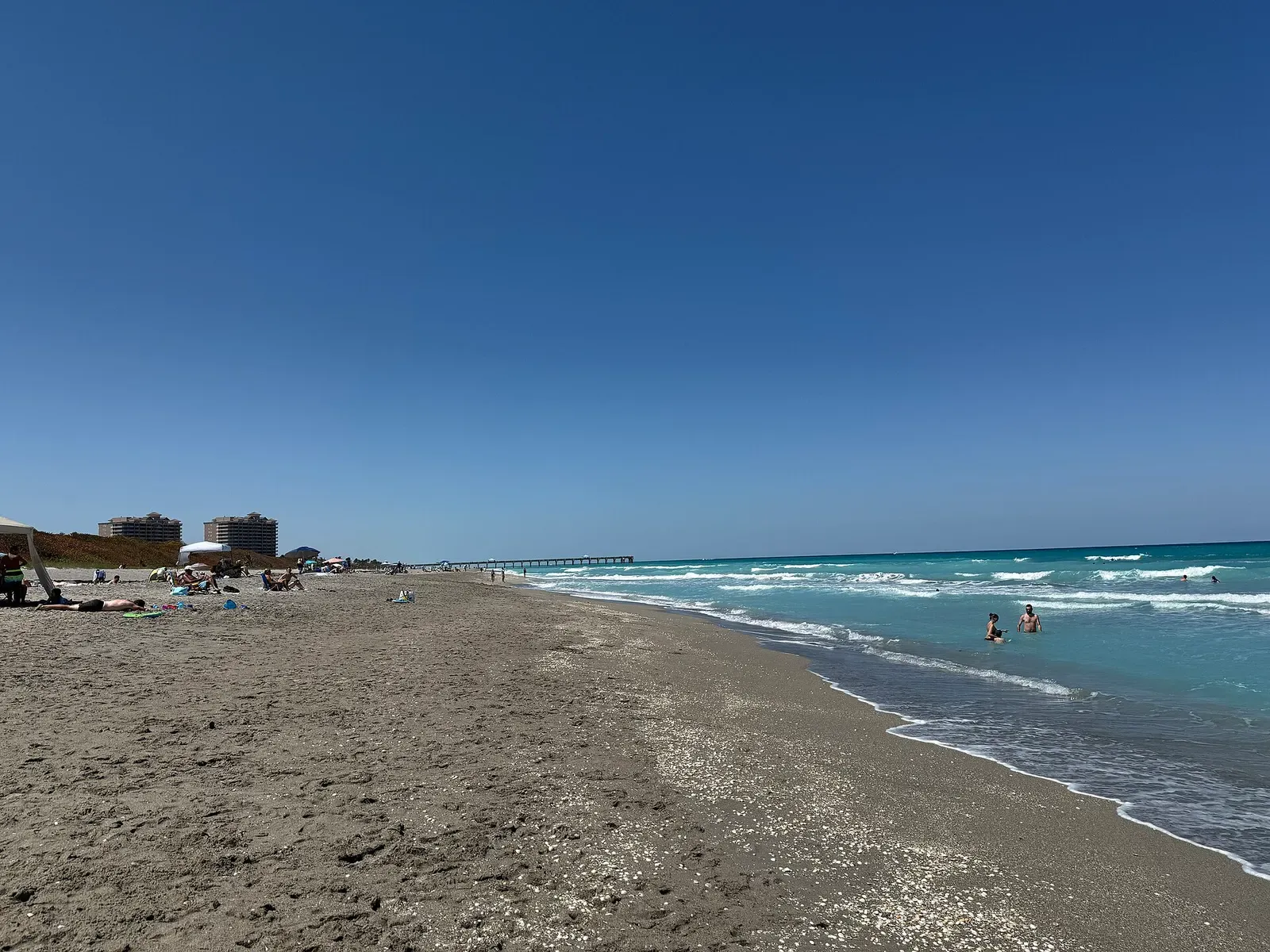
Goliath groupers over 200 kg mass on the wrecks to spawn each August
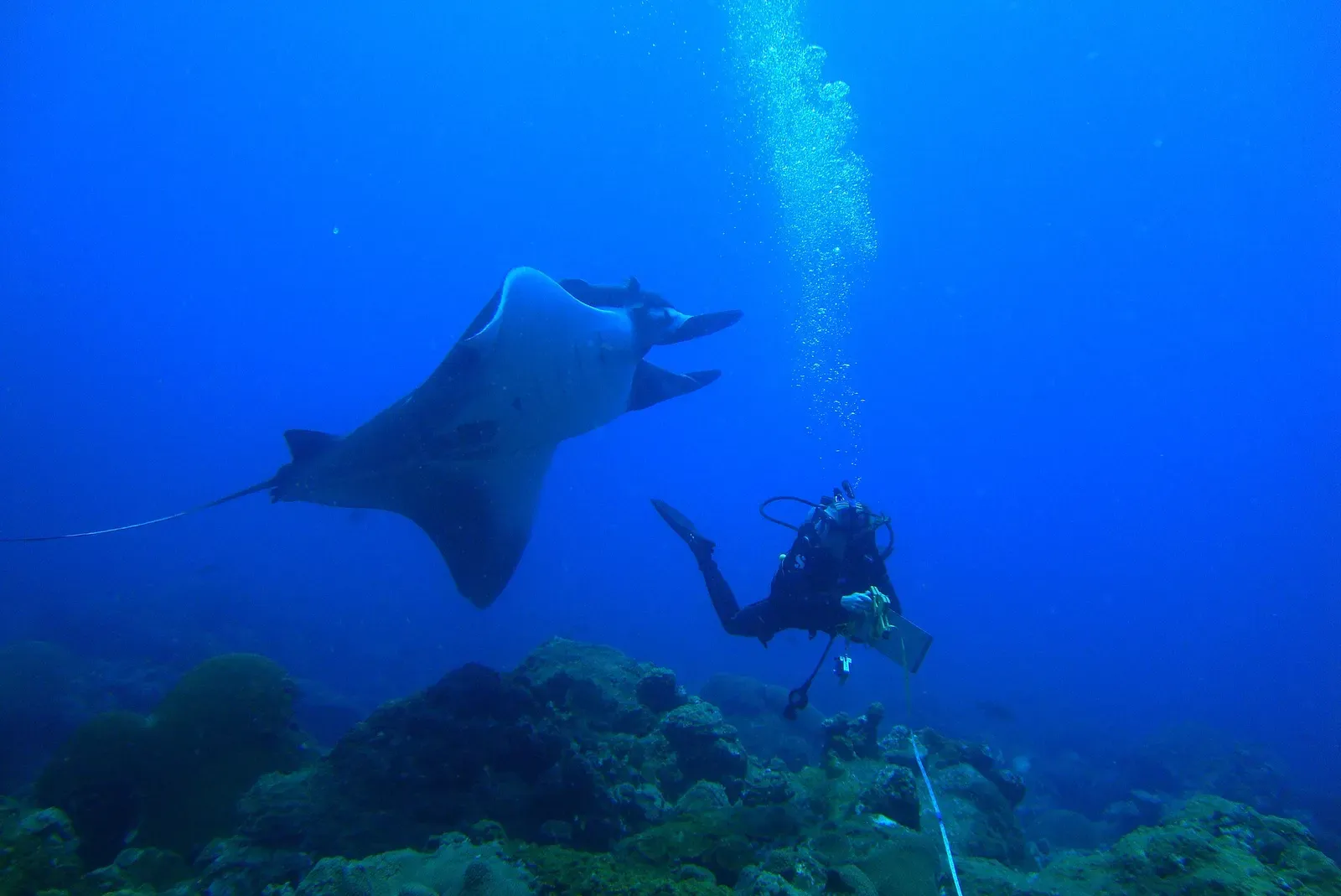
Healthy coral reef caps 100 miles offshore, famous for August coral spawning.


,_Cabo_Pulmo,_Baja_California,_M%C3%A9xico,_2024-12-19,_DD_29.jpg)
,_Cabo_Pulmo,_Baja_California,_M%C3%A9xico,_2024-12-19,_DD_30.jpg)

The Gulf of Mexico's largest reef complex, off a working port