North America · United States
Florida Keys
Warm shallow reefs and famous wrecks stretching from Key Largo to Key West.
Photo: NOAA (Maya Walton) · Public domain
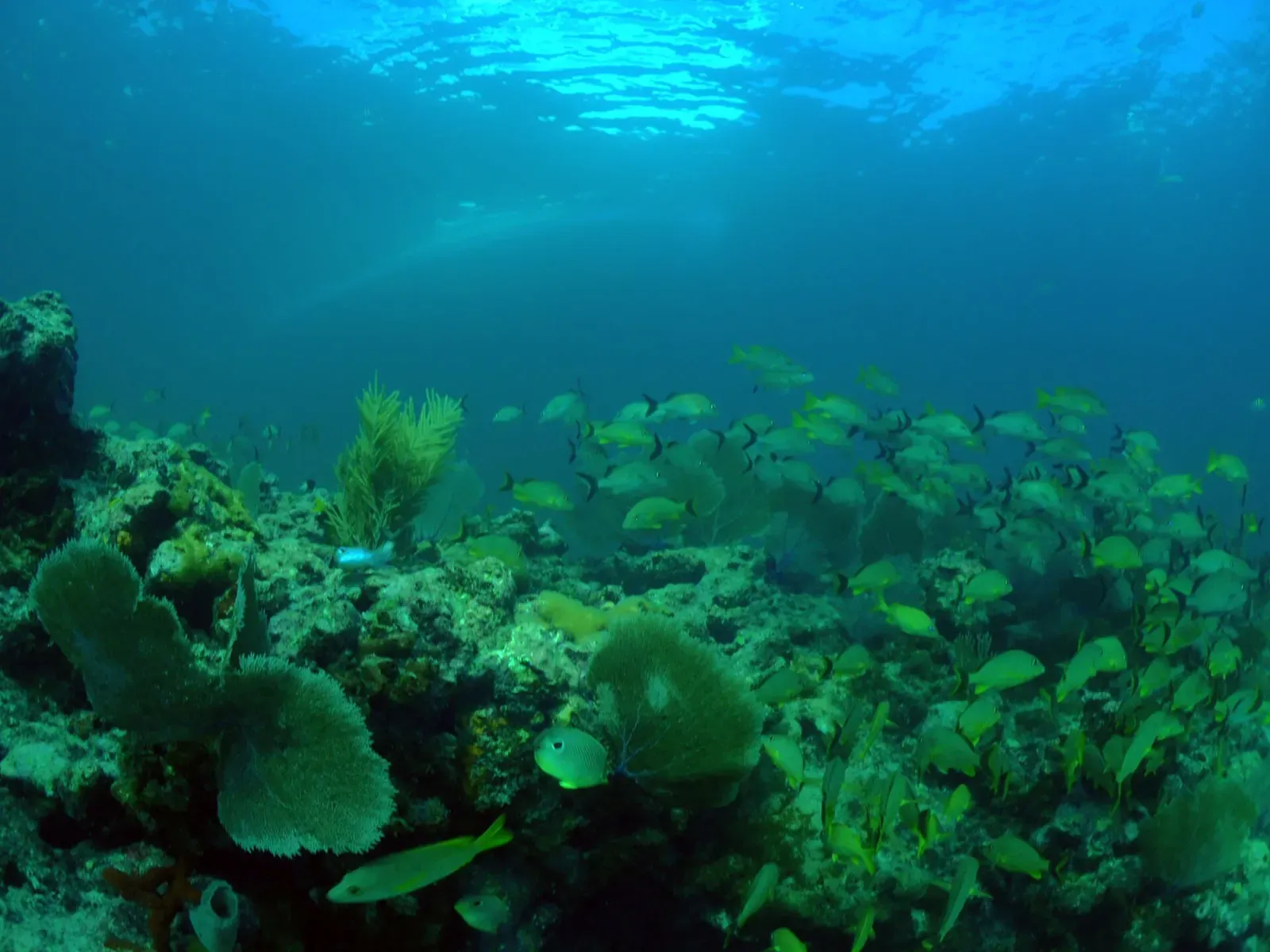
The Florida Keys sit along the third-largest barrier reef system in the world, with warm, calm, shallow spur-and-groove reefs easily reached by day boat from Key Largo to Key West. Divers see sea turtles, nurse and reef sharks, eagle rays, and, at offshore wrecks like the Spiegel Grove, seasonal spawning aggregations of goliath grouper. The bronze Christ of the Abyss statue at Key Largo's Dry Rocks is one of the most-dived single sites in North America.
About diving in Florida Keys
A Keys diving day is short and boat-based. Charters run two-tank morning trips from canal-side docks in Key Largo, Islamorada, Marathon, Big Pine and Key West, with the reef line usually well under an hour offshore, and afternoon or night trips fill the rest of the schedule. Boats tie into sanctuary mooring buoys instead of anchoring, so dives begin from a fixed line and you work the reef around it. Shore entries exist but are few, and most visitors treat the boat as the whole plan.
The reef structure repeats down the chain. Coral fingers run seaward with sand channels between them, so navigation is largely a matter of following a groove out and a spur back, and depth changes are gentle enough that bottom times run long. Inshore of the reef line, scattered patch reefs in the shallows give crews somewhere workable when wind blows out the outer sites. The sunken ships sit further offshore and deeper than the coral, in more open water where current matters more.
What this area does well is volume and ease. Warm water, forgiving profiles and enough sites within a short run mean a diver can log several dives a day without a demanding schedule. Sanctuary rules set the etiquette: coral is not to be touched or stood on, and inside the marked preservation areas fishing and collecting are closed, which tends to show in how close the fish let you get. The ships break the pattern up, being bigger, darker and worth planning a course around rather than drifting over.
It suits new divers, mixed groups where some people only snorkel, and anyone stacking certifications, since training runs on the same boats and the Overseas Highway lets you change towns without changing flights. It also rewards repeat visitors who like unhurried reef photography. Divers after walls, cold-water structure or dependably long sightlines should look elsewhere, because visibility moves with wind and run-off and the terrain is gentle by design.
When to dive Florida Keys
| Jan | Feb | Mar | Apr | May | Jun | Jul | Aug | Sep | Oct | Nov | Dec |
|---|---|---|---|---|---|---|---|---|---|---|---|
| Fair | Fair | Good | Prime | Prime | Prime | Prime | Prime | Good | Good | Good | Fair |
Winter cold fronts (December-February) bring choppier seas and cooler water; April-August offers the calmest conditions, though hurricane season runs June-November.
Getting there
Most people fly into Miami or Fort Lauderdale and drive the Overseas Highway, or fly straight into Key West. Key Largo, Islamorada, Marathon and Key West each have their own charter fleets and make workable bases; diving is almost entirely day-boat, and a car is worth having.
Wildlife calendar
Reef fish carry the year: grunt and snapper stacked under the ledges, parrotfish and angelfish over the coral heads, morays in the grooves, barracuda off the mooring lines and nurse sharks tucked beneath the overhangs. The deeper ships hold the bigger grouper and jacks. Turtles turn up in any month, and the calm April-to-August stretch brings the clearest water and summer clouds of silversides.
Dive types & marine life
- Reef
- Wreck
- Drift
- Night
- Reef sharks
- Sea turtles
- Groupers
- Eagle rays
- Barracuda
- Trevally & jacks
- Reef fish swarms
Notable dive sites in Florida Keys
Molasses Reef
Shallow spur-and-groove reef with turtles, eagle rays, and coral.
Christ of the Abyss
Bronze statue in Key Largo's Dry Rocks, a snorkel-to-scuba classic.
USS Spiegel Grove
510-foot former Navy ship, deliberately sunk as a wreck reef.
French Reef
Swim-through caverns and ledges rich with reef fish.
Looe Key Reef
Spur-and-groove reef off Big Pine Key with dense fish life.
Photos from Florida Keys
Matt Kieffer from London, United Kingdom · CC BY-SA 2.0
Jstuby · CC0
U.S. Department of Defense · Public domain
Symbiosis · CC BY 2.0
Dive videos
Dive Adventure | 4 Wrecks in Key Largo | USCG Duane, USCG Bibb, Spiegel, Benwood · Journeys of AnnaZach on YouTube
Diving The Florida Keys in 5K! Florida Keys Scuba Diving · Fintastic Films on YouTube
Photo credits
- Sunlit reef landscape with a school of fish over coral at Conch Reef in the Florida Keys by NOAA (Maya Walton), Public domain, via Wikimedia Commons
- Hawksbill turtle gliding over a coral reef in the Florida Keys by Matt Kieffer from London, United Kingdom, CC BY-SA 2.0, via Wikimedia Commons
- Diver examining a star coral colony at Molasses Reef in the Florida Keys by Jstuby, CC0, via Wikimedia Commons
- Navy diver photographing marine life on a training dive off Key West, Florida by U.S. Department of Defense, Public domain, via Wikimedia Commons
- Spotted scorpionfish camouflaged on coral in the Florida Keys by Symbiosis, CC BY 2.0, via Wikimedia Commons
Similar destinations
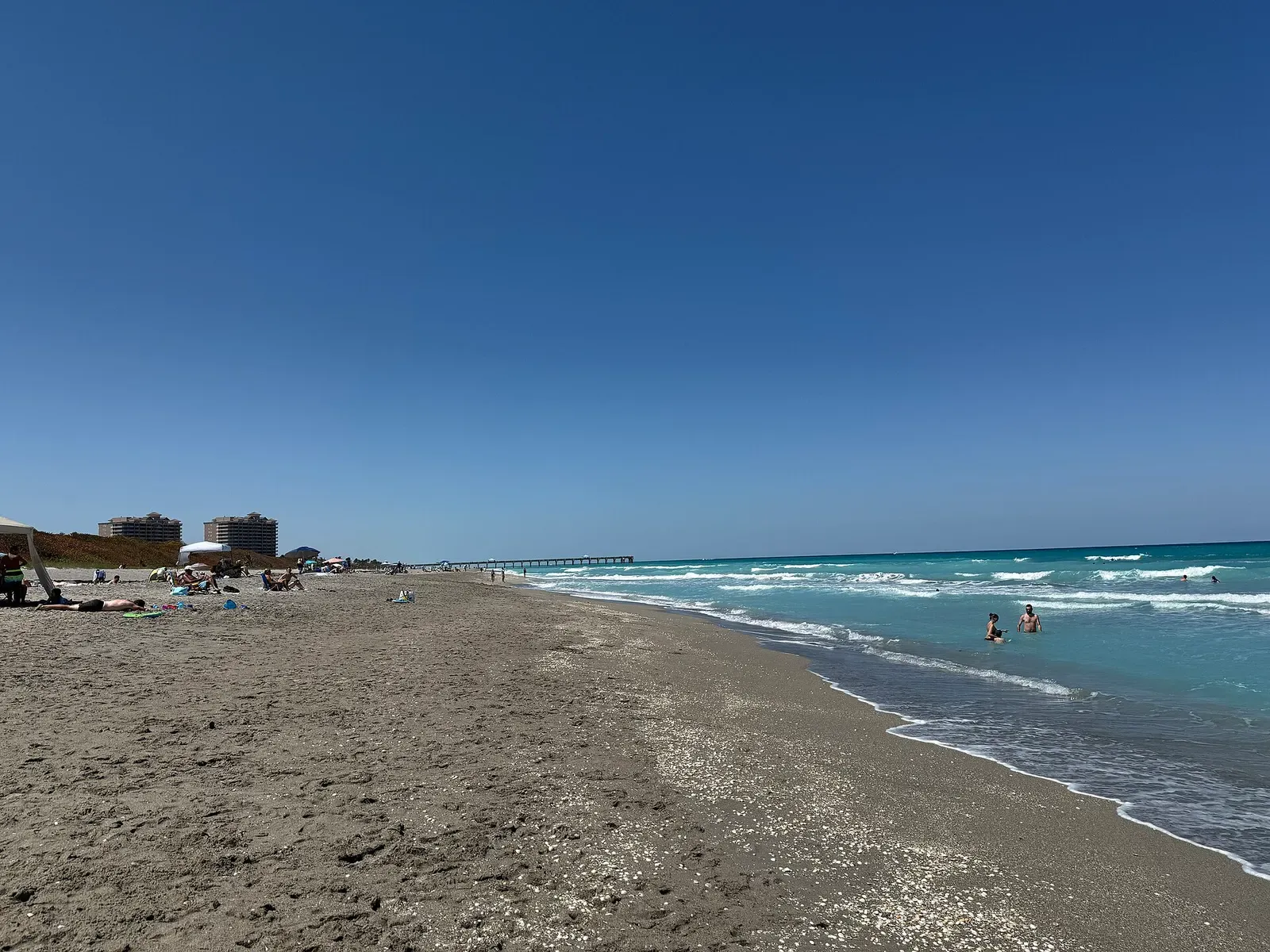
Goliath groupers over 200 kg mass on the wrecks to spawn each August
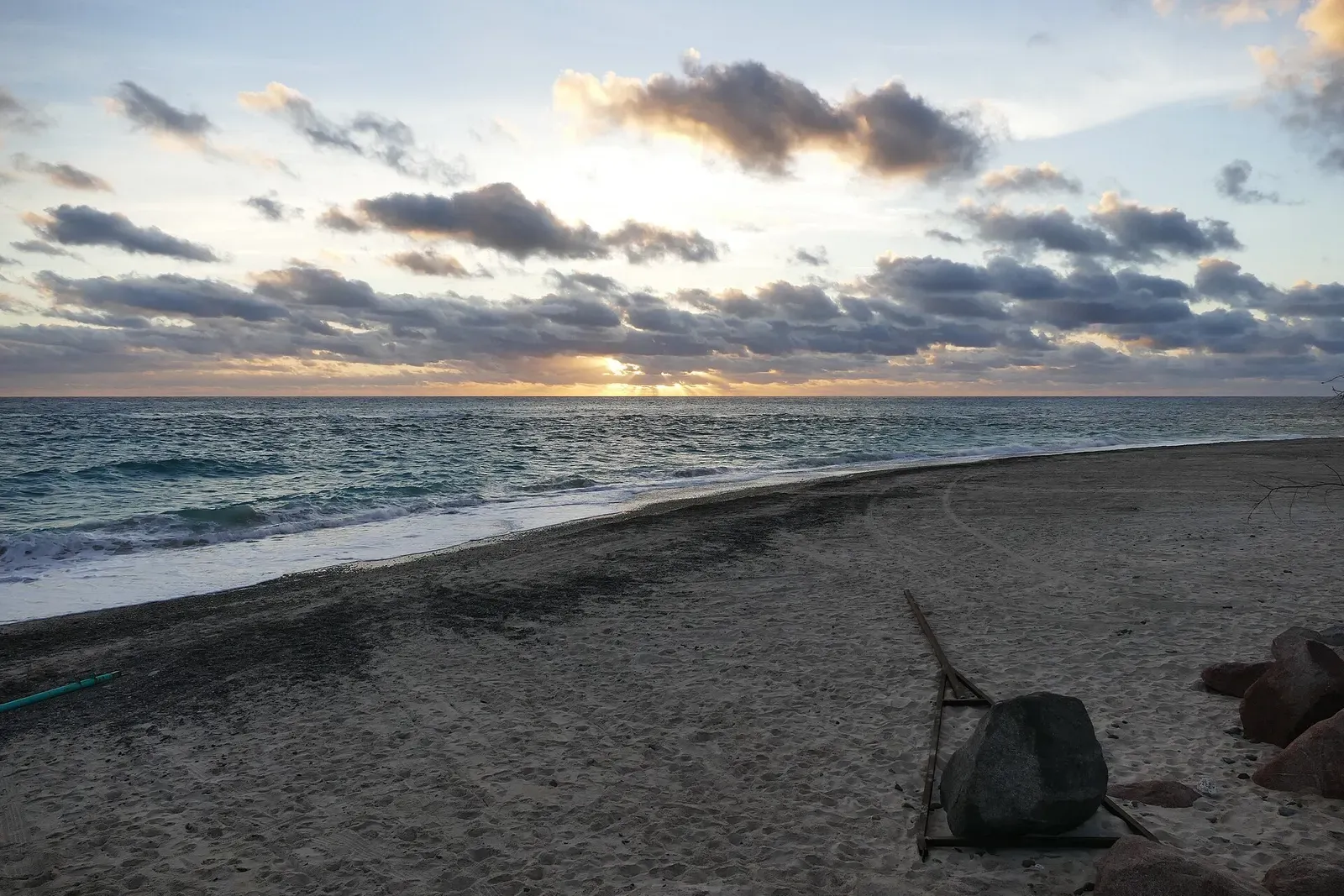
A recovered coral reef with dense jack schools and seasonal bull sharks.
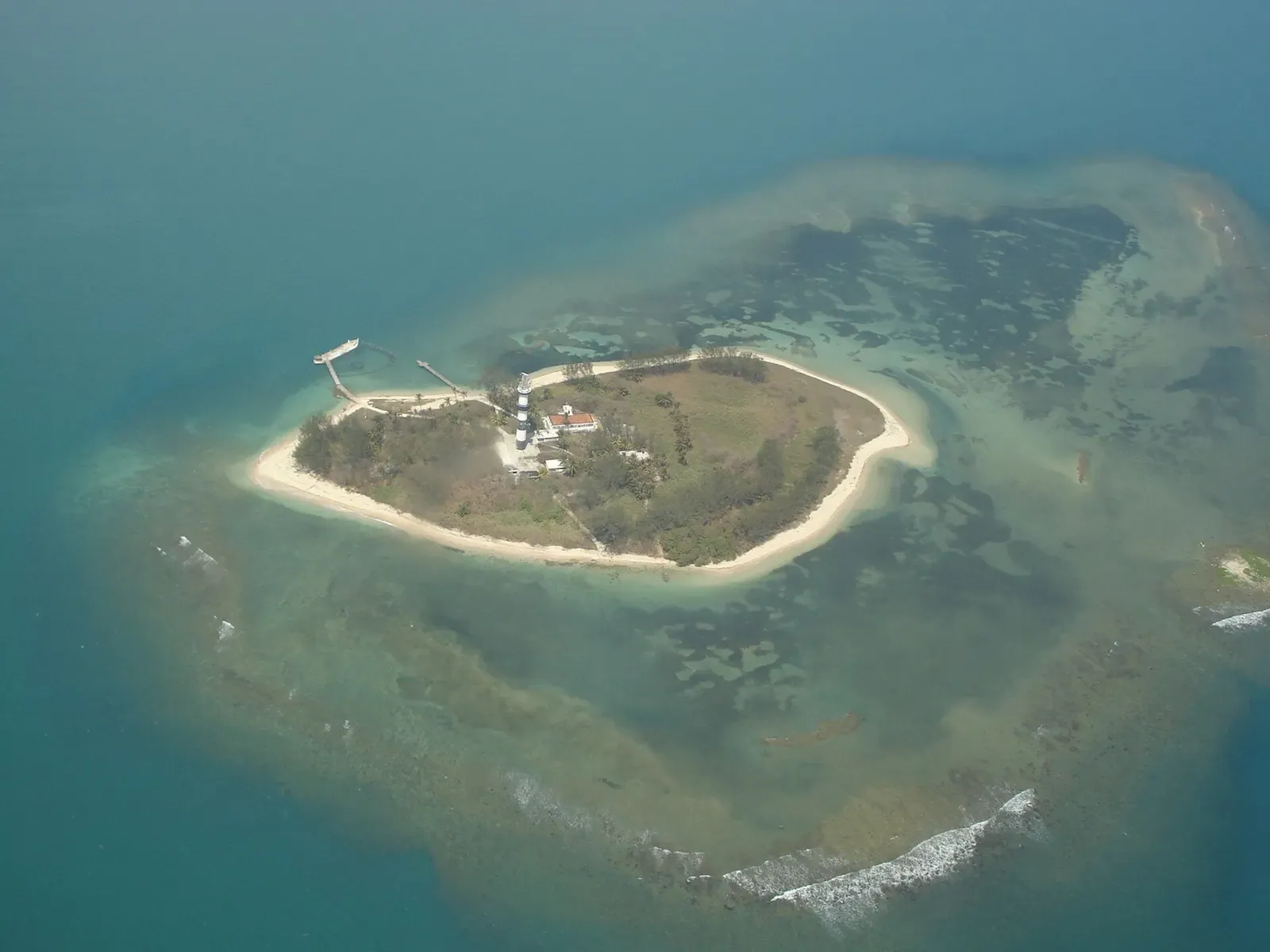
The Gulf of Mexico's largest reef complex, off a working port

.jpg)

_captures_marine_life_on_film_during_a_training_dive_off_the_coast_-_DPLA_-_77e2041a70509a9b374873c05cbc6f4d.jpeg)

Healthy coral reef caps 100 miles offshore, famous for August coral spawning.