Eastern Pacific · Ecuador
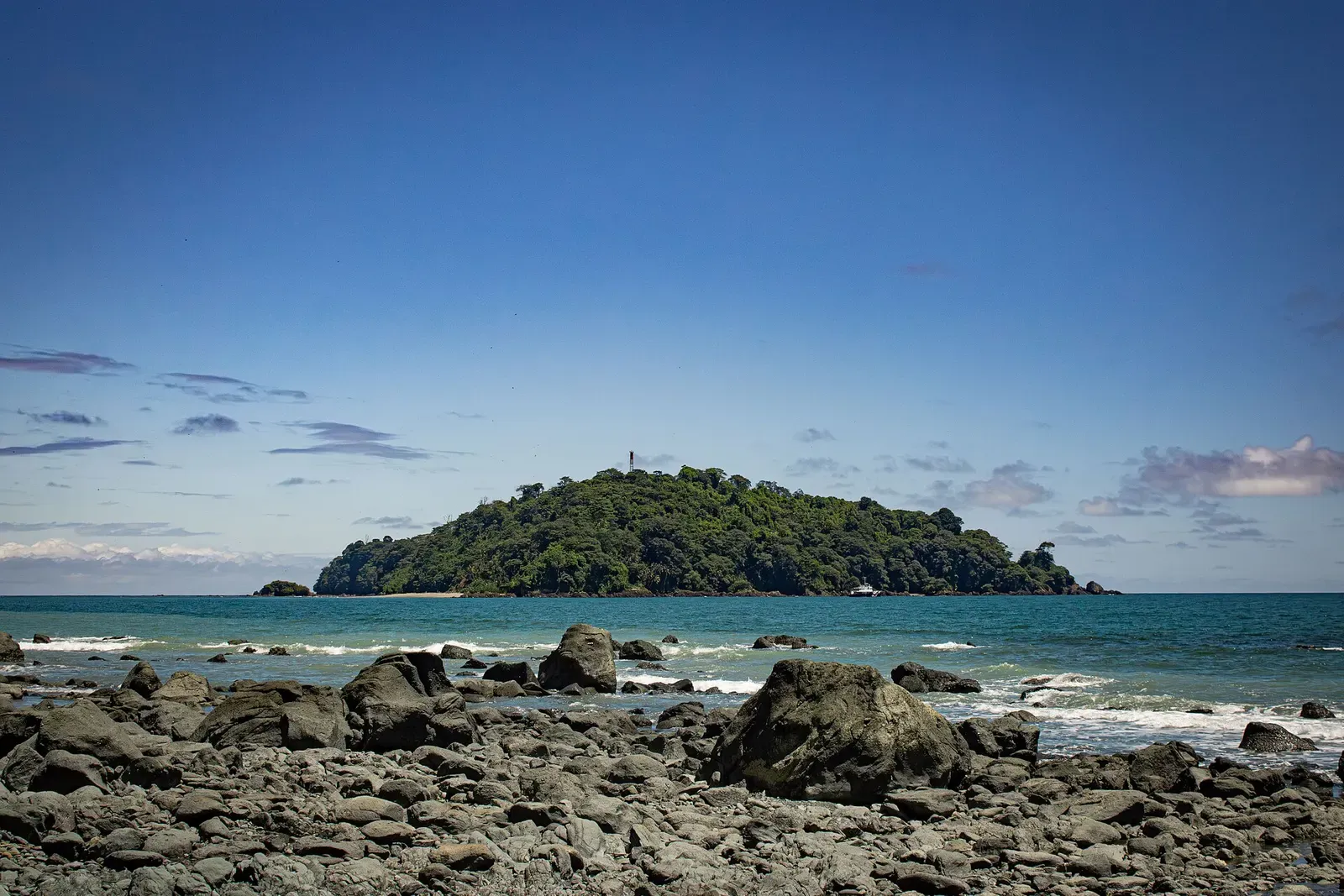
Isla de la Plata
The world's largest known aggregation of oceanic manta rays
Photo: Florent Figon (ffigon) · CC BY-SA 2.0
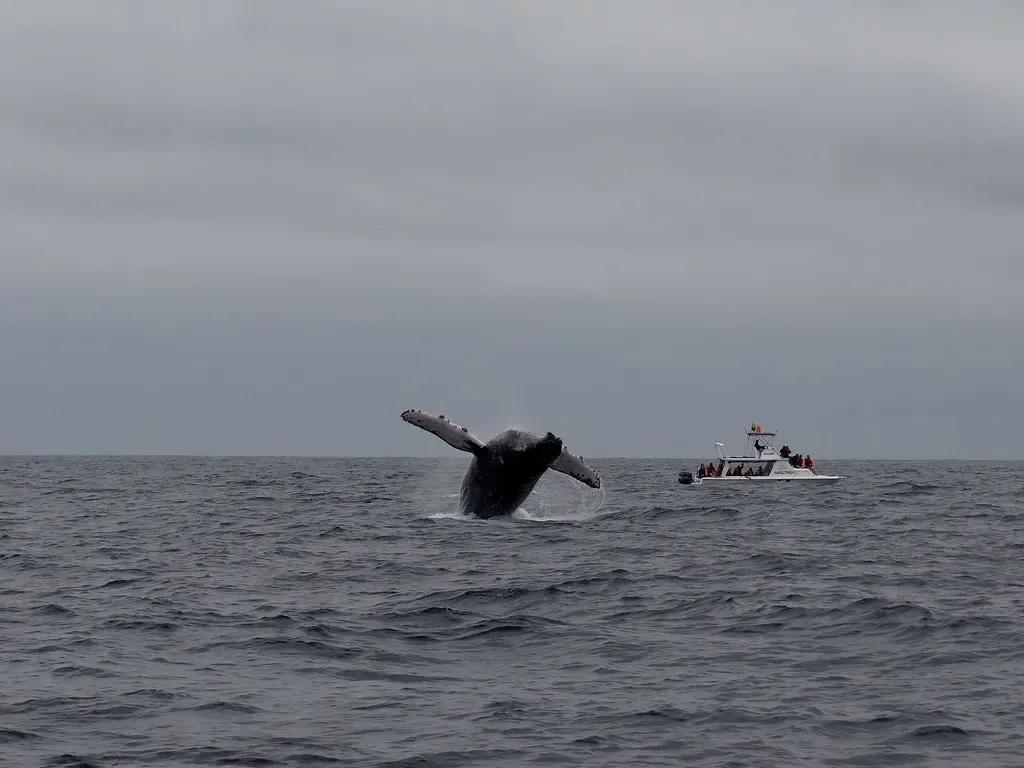
Isla de la Plata sits inside Machalilla National Park, an hour by boat from Puerto López, where the cold Humboldt Current meets warmer equatorial water. The nearby bank of Bajo Copé hosts what researchers believe is the largest known aggregation of oceanic manta rays anywhere, with animals over 6 m across queuing at cleaning stations from June to October. Visibility is often poor and the water green, but the density of large animals is exceptional and humpback whales sing through every dive in season.
About diving in Isla de la Plata
Puerto López is a working fishing town that fills with whale-watching boats in season, and dive operators are a small part of that traffic. Boats head out in the morning for a two-tank day, and the run is long enough that you are committed once you leave the beach. Whether you dive the offshore bank or the sheltered rock nearer town is decided by the swell on the morning rather than by request, and a blown-out day is usually reshuffled rather than cancelled.
The water here is often green and soupy, and that is the point rather than the drawback: the plankton it carries feeds the filter feeders and keeps the cleaning stations busy. Thermoclines tend to arrive as sharp steps rather than gentle gradients, and the cold layer often sits right where the animals are working. Divers who need open blue water to enjoy themselves come up flat. Divers who came for animals rarely do.
The bank is dived by dropping onto the top of the rock and staying put while current runs over it, which needs a settled sea and is never a given on a chosen day. The island itself is dry and cliff-edged, with nesting boobies and frigatebirds along the trails, and park rules keep visitors with a guide ashore. Boats often pair the diving with that walk, so the surface interval can be spent looking at seabirds rather than sitting on a deck.
June through October is when the trip earns its reputation, with the oceanic manta season and the humpback season running almost in parallel. The rest of the year still runs. January to March is warmer and the water opens up, which makes the inshore rock pleasant and easy, but the large animals are largely elsewhere, and it is worth being honest about whether that changes what you came for. Intermediate experience and a tolerance for a bumpy crossing cover the rest.
When to dive Isla de la Plata
| Jan | Feb | Mar | Apr | May | Jun | Jul | Aug | Sep | Oct | Nov | Dec |
|---|---|---|---|---|---|---|---|---|---|---|---|
| Good | Good | Good | Fair | Fair | Prime | Prime | Prime | Prime | Prime | Fair | Fair |
Jun–Oct combines the oceanic manta season with humpback whales; Jan–Apr is warmer and clearer but the big animals are largely absent.
Getting there
Manta and Guayaquil are the usual arrival airports, with a bus or private transfer down the coast road to Puerto López, where the shops and boats are. Everything is a day trip; there is no diving base on the island, and the sheltered rock around Salango is the fallback when the sea is too big for the bank.
Wildlife calendar
Oceanic mantas are the June-to-October draw and overlap with humpbacks, which reach the dives as song far more often than as a sighting. Mobulas, turtles, jacks and barracuda turn up across the year, dolphins on the crossings, and reef sharks around the inshore rock. From January the water is warmer and opens up, but the mantas have largely moved on.
Dive types & marine life
- Reef
- Pelagic & blue water
- Wall
- Seamount
- Manta rays
- Whales
- Sea turtles
- Mobula rays
- Reef sharks
- Trevally & jacks
- Dolphins
- Barracuda
Notable dive sites in Isla de la Plata
Bajo Copé
Offshore bank and manta cleaning station, the reason divers come here.
Isla Salango
Sheltered inshore island used for check dives and macro.
Isla Sucre
Small islet off Salango with rock ledges and schooling fish.
La Viuda
Exposed rock off Puerto López with current and passing pelagics.
Photos from Isla de la Plata
axag · CC BY 3.0
Andra Waagmeester · CC0
Daniel Velasco Cedeño · CC BY 4.0
Arabsalam · CC BY-SA 4.0
Photo credits
- A humpback whale breaches beside a whale-watching boat off Isla de la Plata. by Florent Figon (ffigon), CC BY-SA 2.0, via Openverse
- Two sea turtles swim just beneath the surface in clear blue-green water. by axag, CC BY 3.0, via Wikimedia Commons
- A guitarfish rests on a rocky, sand-dusted seabed in green-tinted water. by Andra Waagmeester, CC0, via Wikimedia Commons
- A blue sea star clings to an encrusted boulder in clear water. by Daniel Velasco Cedeño, CC BY 4.0, via Wikimedia Commons
- A sea turtle swims just below the rippled surface off Isla de la Plata. by Arabsalam, CC BY-SA 4.0, via Wikimedia Commons
Similar destinations
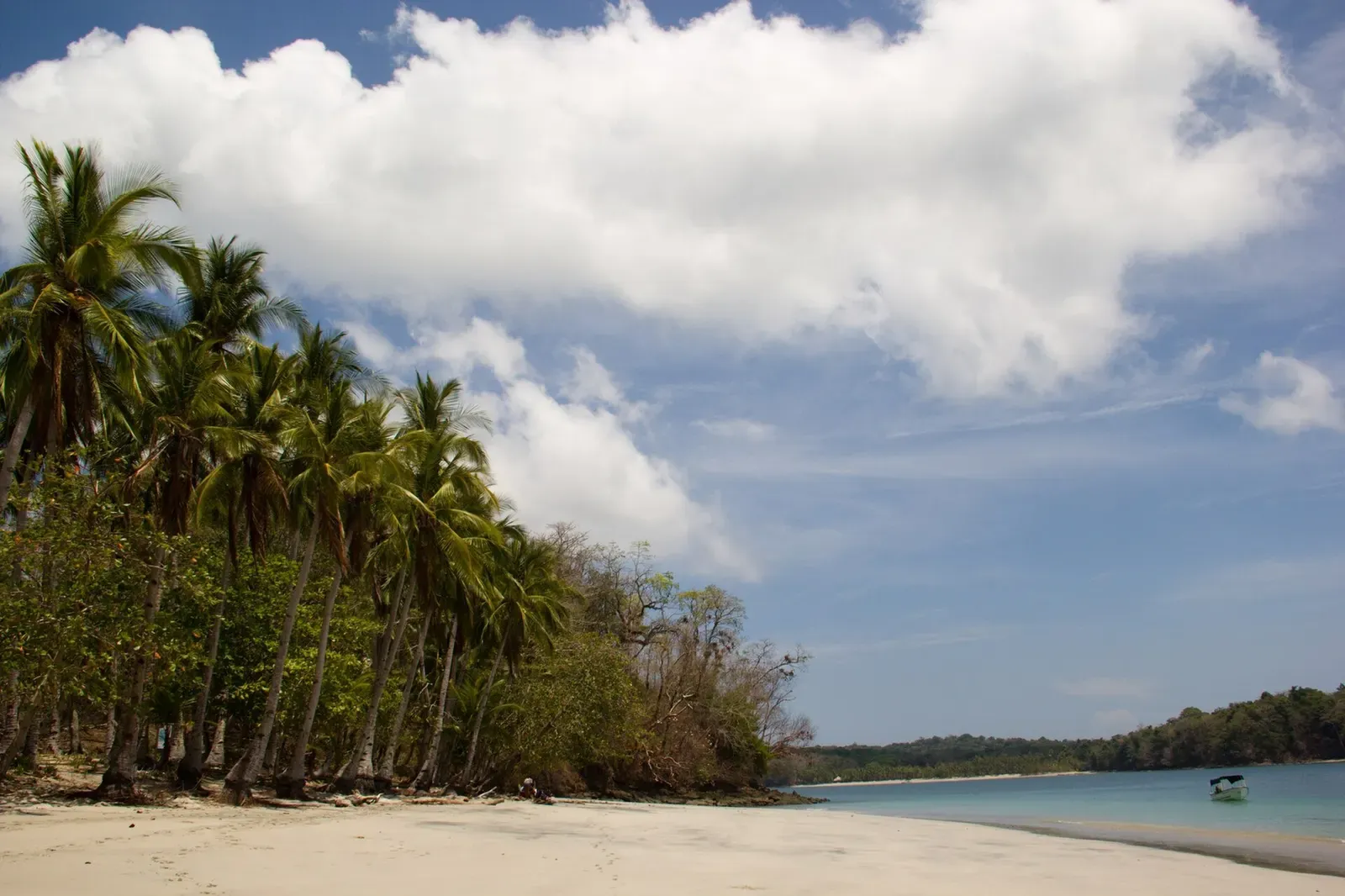
Hannibal Bank rises from 400 m and pulls in billfish and tuna
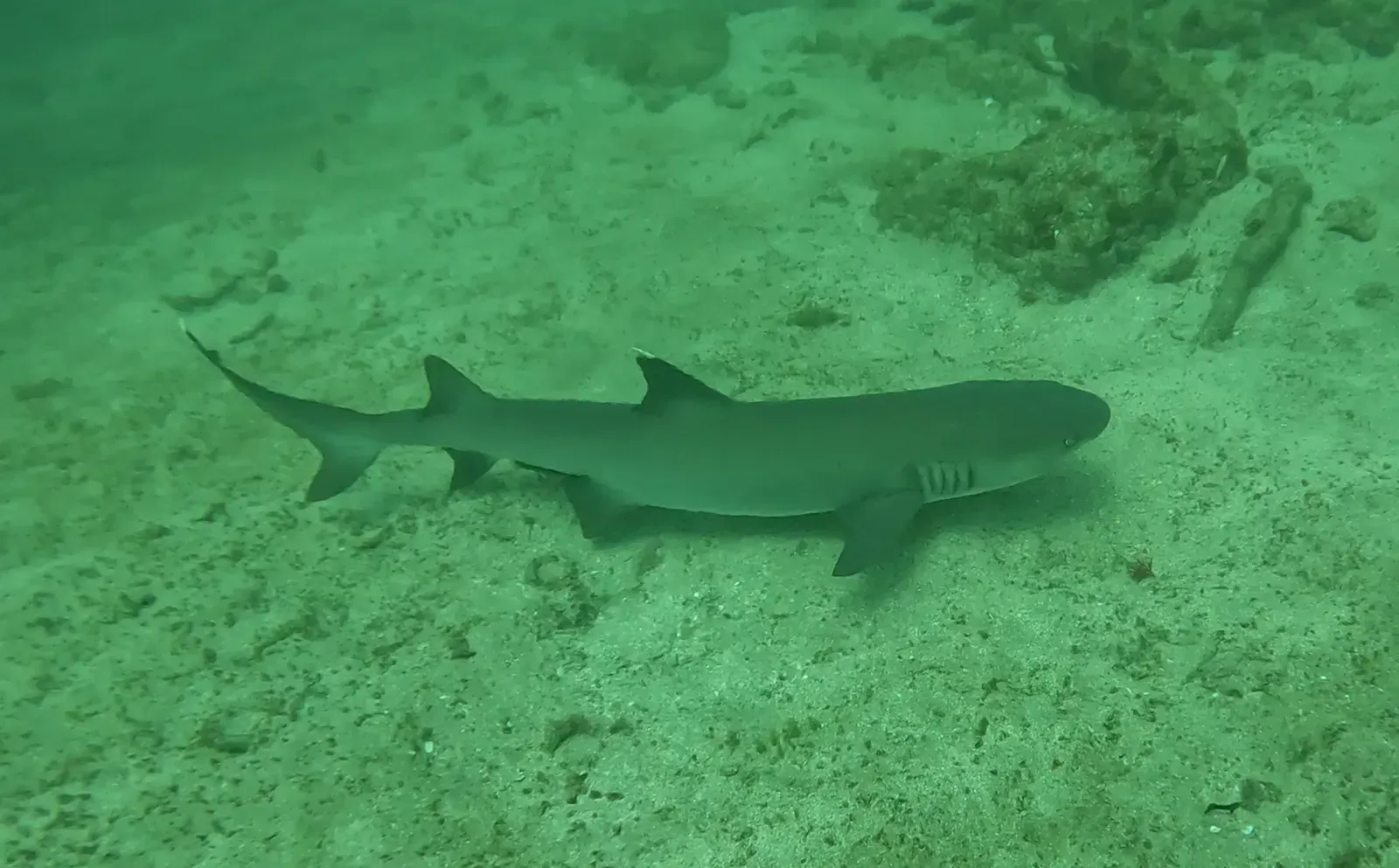
Whitetip reef sharks stack up by the dozen on volcanic pinnacles
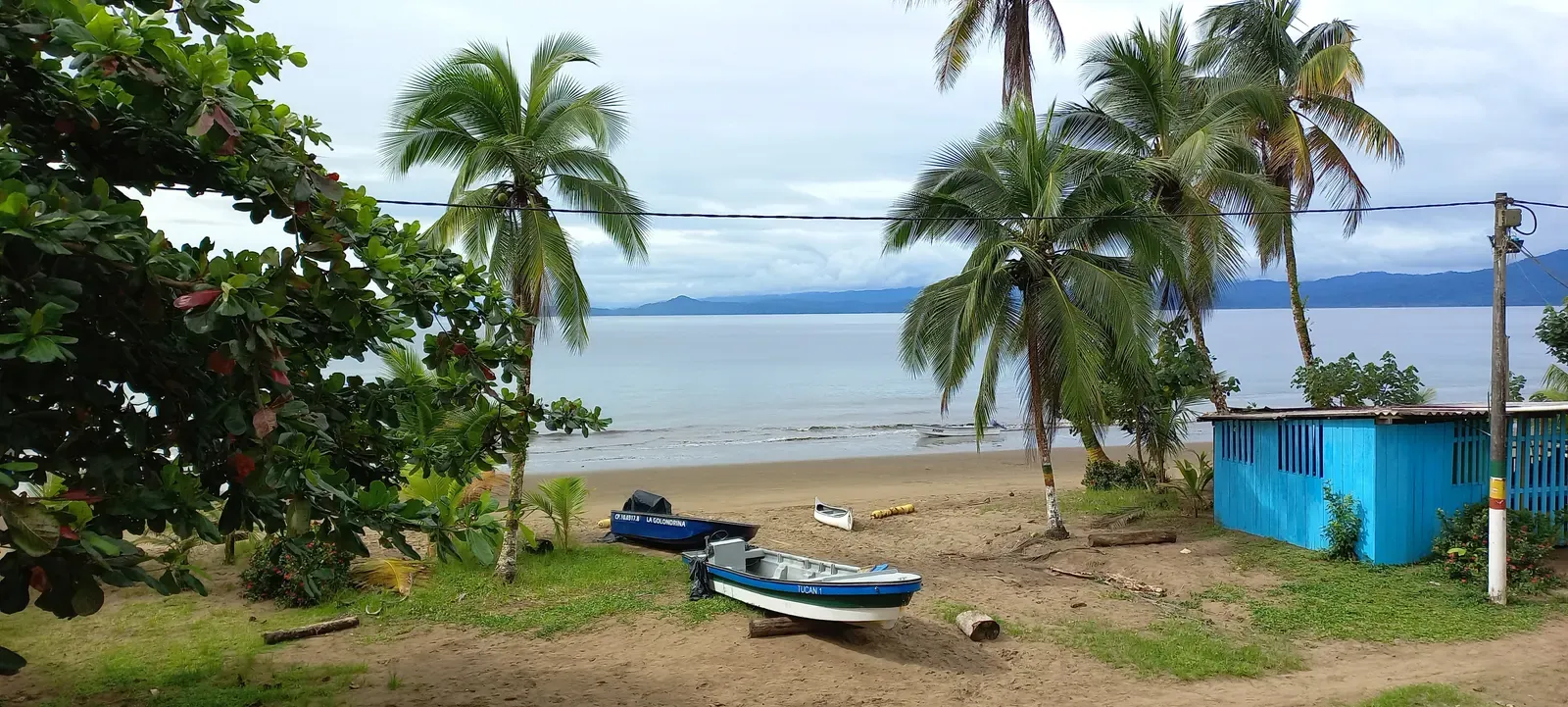
Humpback song fills every dive from July through October
.jpg)


Hundreds of whitetip reef sharks pile up in the shallows at El Remolino