Pacific Islands · United States
Kona
Manta rays glide through diver spotlights on Kona's nightly manta dive.
Photo: Brocken Inaglory · CC BY-SA 4.0
Kona's leeward coast is calm and current-light, best known for the nightly manta ray dive at Keauhou, where spotlights draw plankton and reef manta rays glide overhead just meters from divers. Farther offshore, blackwater dives suspend divers over open ocean thousands of meters deep to photograph rare larval fish, tiny octopus, and drifting squid rising after dark. Lava tubes, arches, and black coral trees line the daytime sites, and spinner dolphins and humpback whales pass through seasonally.
About diving in Kona
Diving is organised around small day boats out of Honokōhau and Keauhou, with most sites a short run from one harbour or the other. The standard day is a two-tank morning charter, a long break ashore, then a separate late-afternoon departure that dives a reef in daylight and waits on the bottom for dark. A number of established entries are reachable by car as well, so many visitors mix guided boat days with self-planned pairs of dives from the rocks.
The island is geologically young and the seabed shows it. Old flows have set as ledges, tubes and rubble slopes, and the shelf drops away close inshore, so very deep water is reachable within a short boat ride. Sites differ by structure more than by coral: some are sand-floored bowls with room for big animals to circle, others are broken lava full of overhangs and swim-throughs, and a few are isolated mounds that hold more fish than their size suggests. Hawaiian reefs carry far fewer coral species than the western Pacific, and cover is patchy and low.
The two headline dives ask opposite things of you. One is an exercise in staying put: divers settle on the sand in a ring with lamps aimed straight up, snorkellers hold lit boards overhead, and the plankton column that forms between the two is the whole mechanism, so the discipline is not moving and not swinging the beam. The other inverts that — usually tethered to a lit downline in open water after dark, with nothing to look at but the few centimetres your torch reaches, which some divers love and others find deeply uncomfortable.
It suits people who want a Pacific dive trip with mainland logistics: hire cars, plenty of operators, no need to commit to a week aboard a boat. Photographers get the most from it, since both signature dives are lighting problems as much as diving ones, and mixed groups work because non-divers can join the manta site from the surface. Anyone whose priority is dense schooling fish or big coral gardens should temper expectations. The draw is a small cast seen very close, with a high share of reef fish found only in Hawaii.
When to dive Kona
| Jan | Feb | Mar | Apr | May | Jun | Jul | Aug | Sep | Oct | Nov | Dec |
|---|---|---|---|---|---|---|---|---|---|---|---|
| Prime | Prime | Prime | Prime | Good | Good | Good | Good | Good | Good | Good | Prime |
Manta rays and reef diving are consistent year-round; Dec-Apr adds migrating humpback whales, while winter swell can occasionally limit access to exposed sites.
Getting there
Almost everyone flies into Kona International at Keāhole, which takes direct mainland US services, then hires a car and stays along the Kailua-Kona and Keauhou strip. Boats leave from Honokōhau and Keauhou; several worthwhile sites are drive-up shore entries, so diving is day-boat and shore based.
Wildlife calendar
Reef mantas turn up at the feeding sites year-round, with numbers varying night to night rather than by season. Green turtles, whitetip reef sharks and octopus are daytime and after-dark constants, spinner dolphins often pass the boat on morning runs though approach rules keep you off them, and humpbacks are present across the Dec-Apr prime months, more often heard singing underwater than seen.
Dive types & marine life
- Night
- Pelagic & blue water
- Reef
- Wall
- Cave & cavern
- Manta rays
- Dolphins
- Whales
- Sea turtles
- Reef sharks
- Octopus & cuttlefish
- Squid
Notable dive sites in Kona
Manta Heaven (Keauhou)
Nightly spotlight dive with resident reef manta rays.
Garden Eel Cove
Sandy slope with garden eels and a second manta feeding site.
Blackwater drift site
Open-ocean night drift over deep water for larval pelagics.
Golden Arches
Lava tube swim-through draped in black coral.
Turtle Pinnacle
Reef pinnacle where green sea turtles rest and get cleaned.
Photos from Kona
Ken Lund from Reno, Nevada, USA · CC BY-SA 2.0
Dive videos
Night Dive with Manta Ray in Hawaii 4K · Right Ascension Studio on YouTube
Scuba Diving in an Ancient Lava Tube | Best Diving in Hawaii | Kailua-Kona, Big Island · Dame Untamed on YouTube
Photo credits
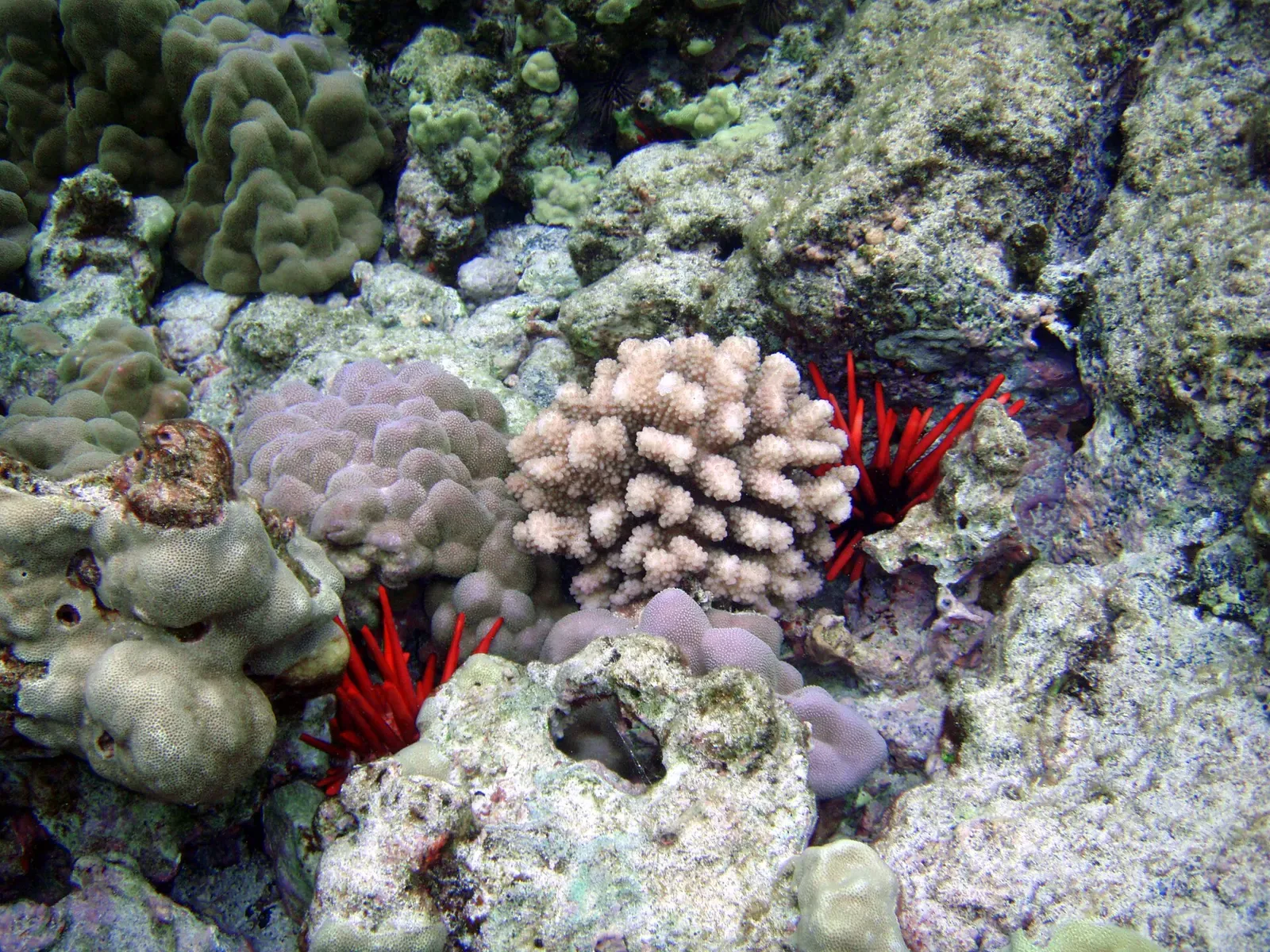
- Red slate pencil sea urchins nestled among coral heads on a reef off Kona, Hawaii by Brocken Inaglory, CC BY-SA 4.0, via Wikimedia Commons
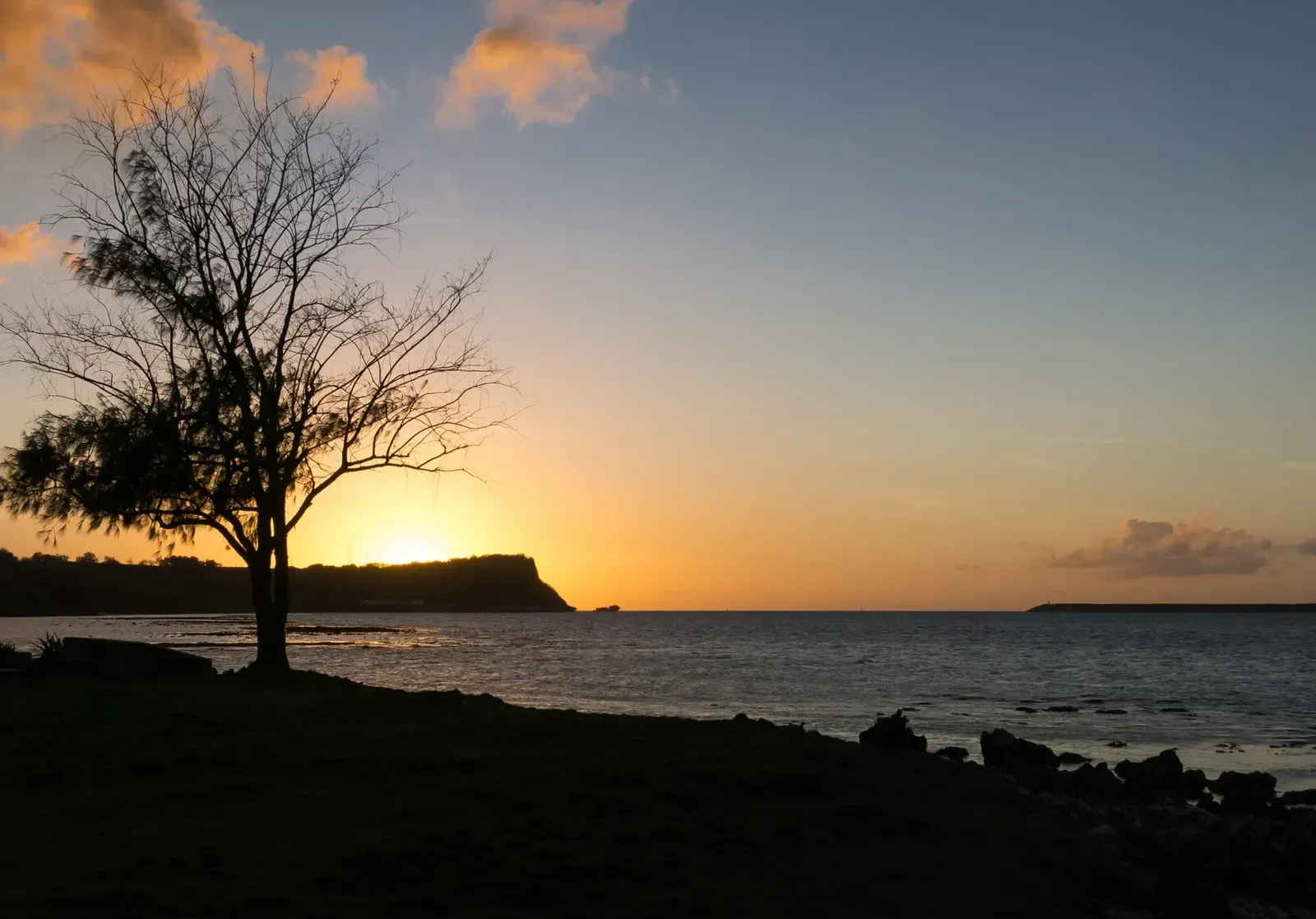
- Sunset over Kailua-Kona's waterfront, with town lights beginning to glow along the shore by Ken Lund from Reno, Nevada, USA, CC BY-SA 2.0, via Wikimedia Commons
Similar destinations
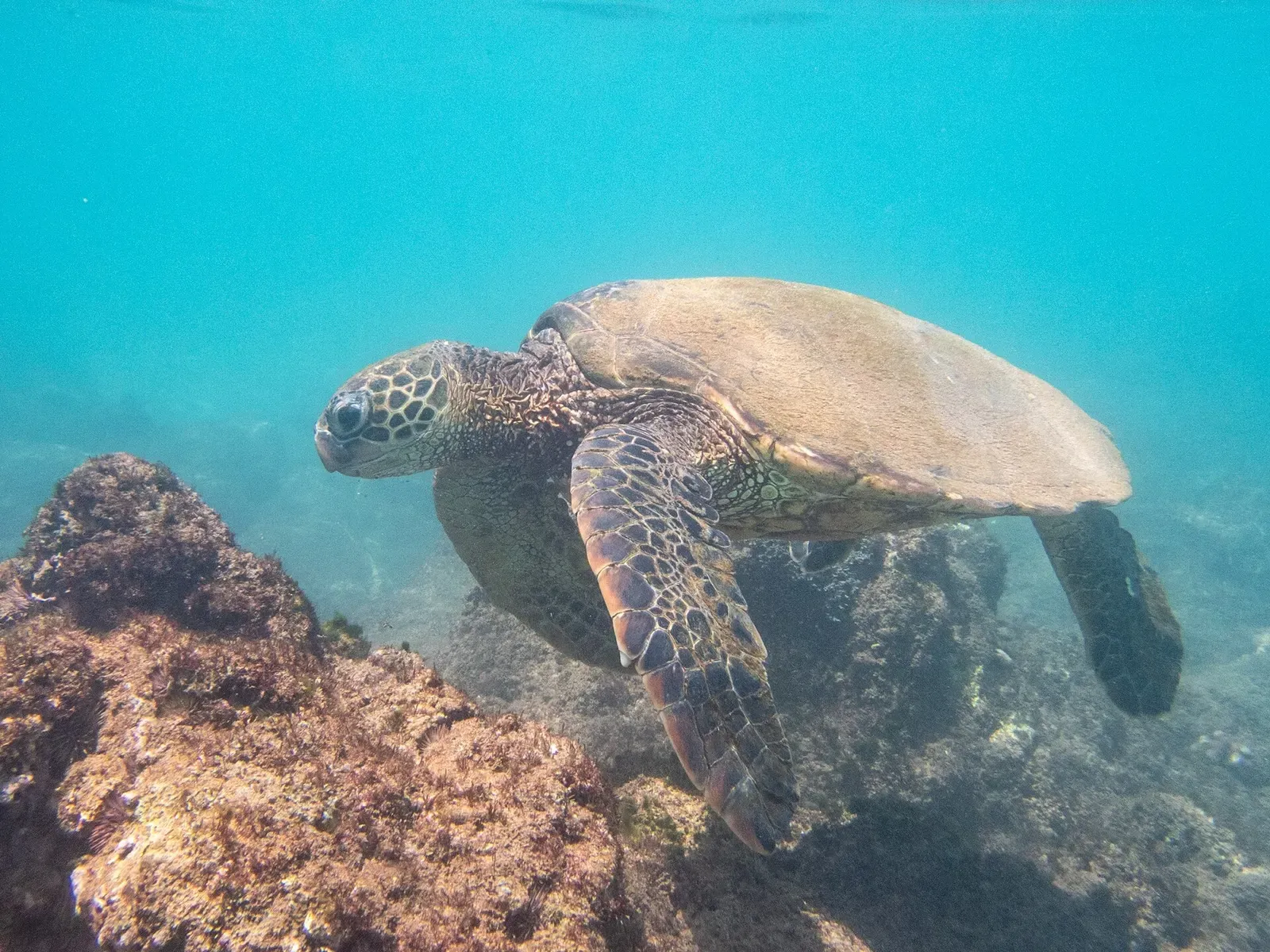
Humpback song carries through every dive from December to April
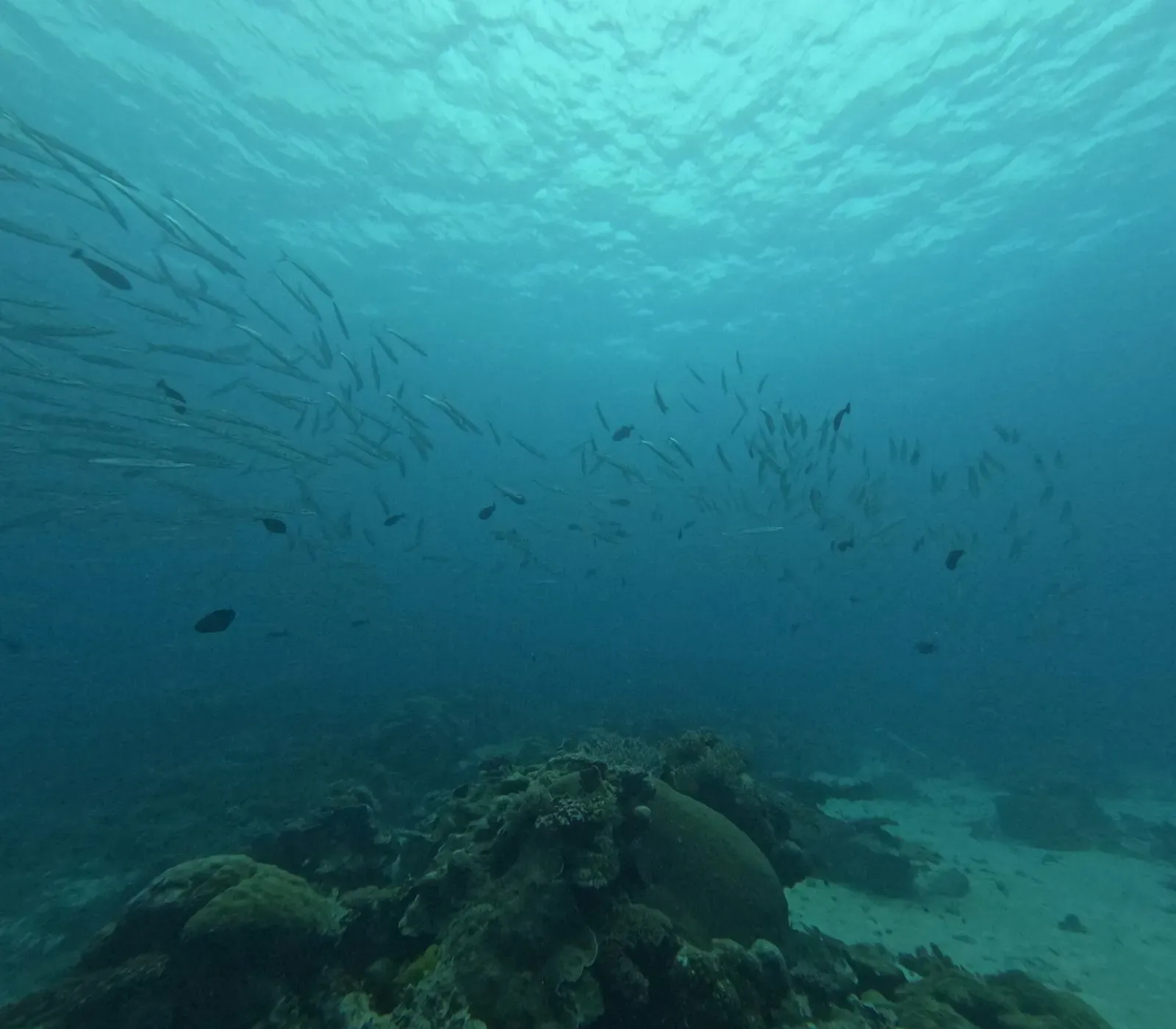
Hooked into the reef at Blue Corner while grey reef sharks patrol the current
Touch a First and a Second World War wreck at the same time

_(4549540084).jpg)
Sicklefin lemon sharks patrol the outer reef passes year-round.