Africa · Malawi
Lake Malawi
Close to a thousand endemic cichlid species over granite boulder slopes
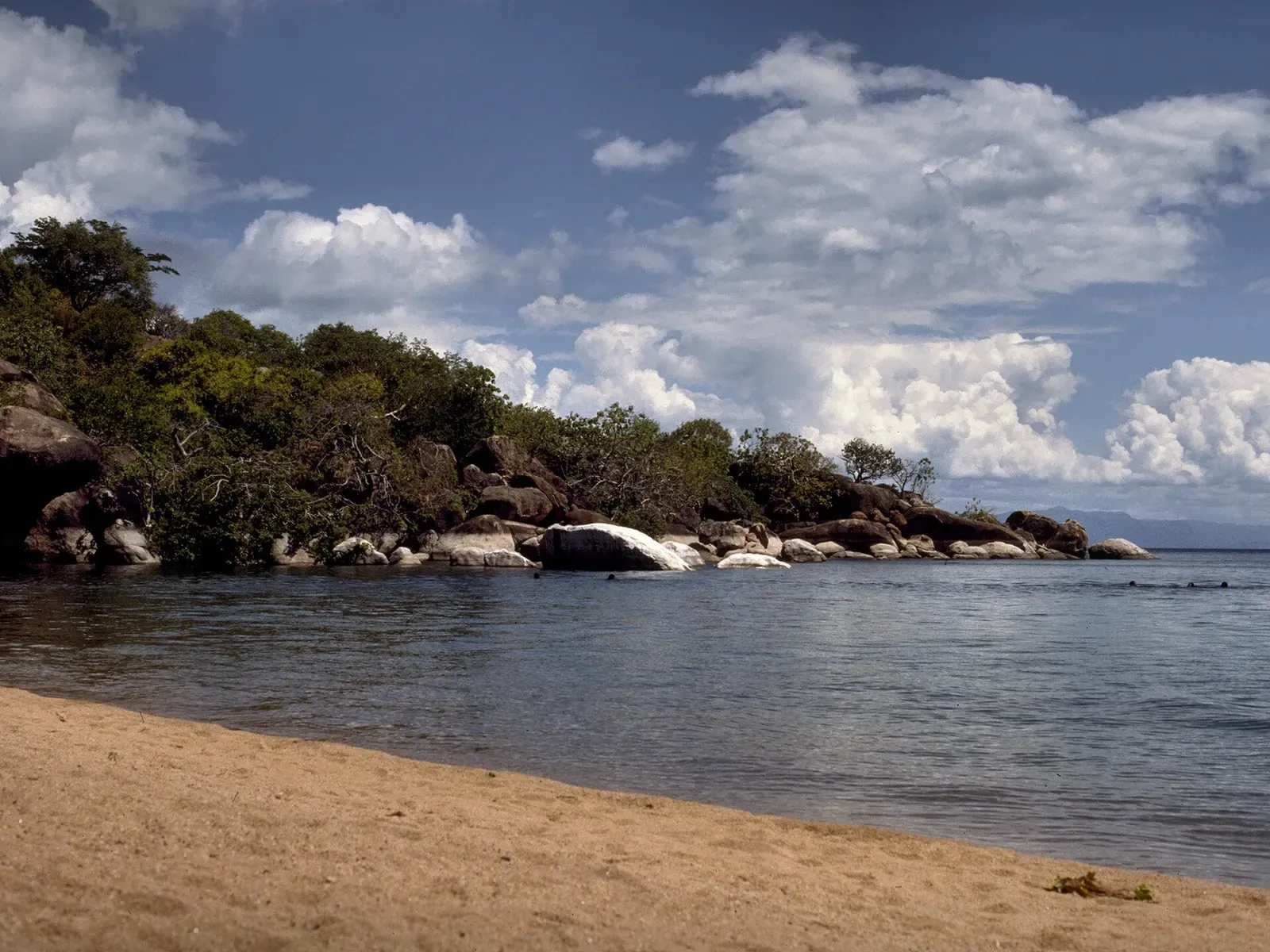
Photo: Hans Hillewaert · CC BY-SA 4.0
Lake Malawi holds more fish species than any other lake on earth — somewhere near a thousand cichlids, almost all of them endemic, and many confined to a single stretch of rocky shore. Diving is over granite boulder slopes and sand where males hold territories and display, at densities that make the shallows feel like a tropical reef with the coral removed. The water is warm, fresh and still, there is nothing dangerous in it, and Lake Malawi National Park is a UNESCO site.
About diving in Lake Malawi
Diving here is organised around a beach rather than a harbour. Centres at Cape Maclear in the south and Nkhata Bay further north keep their kit a few steps from the water, and a day tends to run as a boat trip out to an island in the morning and a walk-in entry off the rocks in the afternoon. There is no tide to work around and no ocean swell, so the only thing that moves a plan is wind: the lake raises its own short chop when it gets up, and that decides whether the boat goes.
Underwater the ground is rounded boulders stacked down the slope, with gaps and caves between them and sand flats where the rock runs out. That boundary does the sorting. Rock-dwelling mbuna graze algae off the stone and are reluctant to cross open sand, which is part of why one headland can hold forms the next one along does not. Over the sand the cast changes again, including species whose males build and defend shallow display bowers. Ten metres of swimming takes you between two different faunas.
The signature dive is not a route but a stop. Pick a boulder field, get neutral, and stay put. Within a metre or two of your mask, males in breeding colour see off rivals, females hold broods in their mouths, and courtship runs in circuits that take minutes rather than seconds. Come back after dark and the slope has changed shift: the day fish are wedged into cracks in the rock, and catfish, kampango among them, hunt out across the open sand.
It suits divers who would rather watch behaviour than count big animals, photographers working macro and mid-range, and anyone travelling with non-divers, since the same shallows snorkel just as well. Nothing about it is demanding in any month, and the water stays in the twenties year-round; what changes is clarity, with September to November the window worth planning around and the rains early in the year putting silt in the water. Bilharzia is present in the lake, so ask a travel clinic about the usual post-trip treatment before you go.
When to dive Lake Malawi
| Jan | Feb | Mar | Apr | May | Jun | Jul | Aug | Sep | Oct | Nov | Dec |
|---|---|---|---|---|---|---|---|---|---|---|---|
| Fair | Fair | Good | Good | Good | Good | Good | Good | Prime | Prime | Prime | Good |
Sep–Dec is warmest and clearest at the end of the dry season; the Jan–Mar rains push sediment in and cut visibility.
Getting there
Lilongwe is the usual entry point, with a road transfer south to Monkey Bay and Cape Maclear. Nkhata Bay lies further north, reached by road or on the lake ferry that works up the shore towards Likoma when it is running. Everything is beach entries and short boat hops, and there are no liveaboards.
Wildlife calendar
Cichlids are the whole show and they are there in every month: territorial males in colour over the boulders, brooding females, bower-builders on the sand. September to November is when the warmest, settled water and the clearest visibility line up, and the rains in the first months of the year cut clarity back. After dark the catfish work the sand while the day fish sit tight in the rock.
Dive types & marine life
- Freshwater
- Wall
- Night
- Freshwater fish
Notable dive sites in Lake Malawi
Otter Point
Cape Maclear headland with boulder slopes and dense cichlid territories.
Thumbi Island West
Rocky island in the national park, 8–25 m, the classic species dive.
Mumbo Island
Granite drop-off falling past 40 m in clear offshore water.
Nkhata Bay
Northern shore with steep rock walls and the lake's best visibility.
Likoma Island
Remote island near the Mozambique shore with untouched boulder reefs.
Photos from Lake Malawi
Lars Plougmann · CC BY 2.0
Martin Lopatka · CC BY-SA 2.0
Dive videos
Chizumulu Island - Lake Malawi Cichlids - HD Underwater Footage · African Cichlid Hub on YouTube
Lake Malawi diving 2024 -2025 cichlids in their natural habitat · Hagebycikliden on YouTube
Photo credits
- Granite boulders and shoreline trees frame the beach at Otter Point, Cape Maclear, on Lake Malawi by Hans Hillewaert, CC BY-SA 4.0, via Wikimedia Commons
- A group of cichlids swims over a rocky slope in the clear water of Lake Malawi by Lars Plougmann, CC BY 2.0, via Openverse
- The sun sets a deep red behind a wooded headland on the shore of Lake Malawi by Martin Lopatka, CC BY-SA 2.0, via Wikimedia Commons
Similar destinations
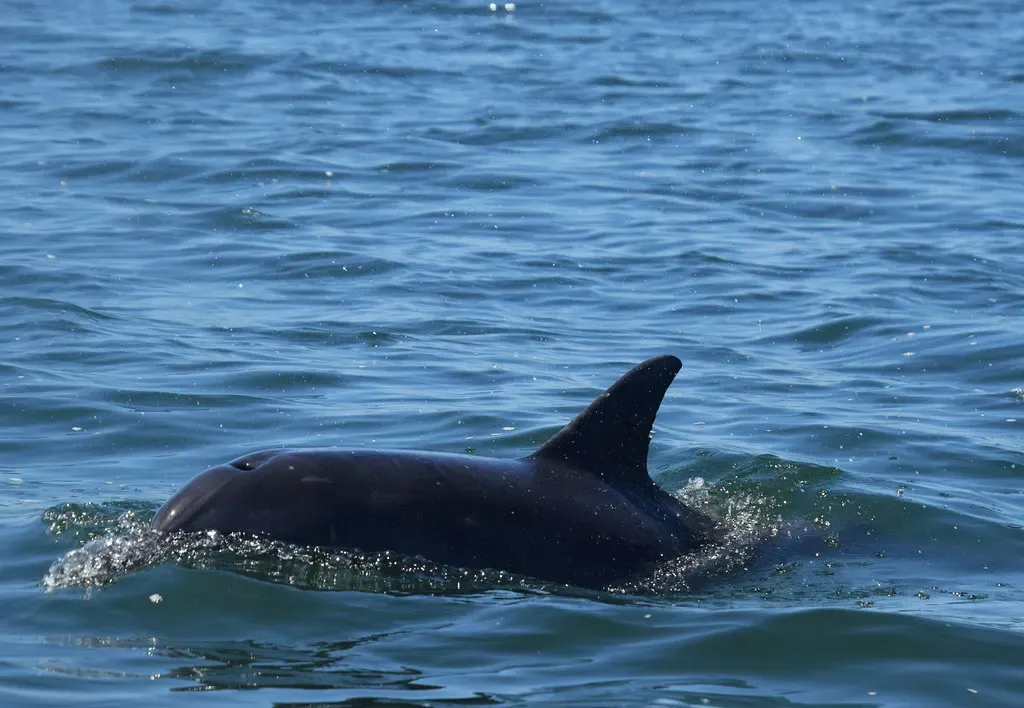
Ragged-tooth sharks hang in mid-water over the offshore reefs each summer
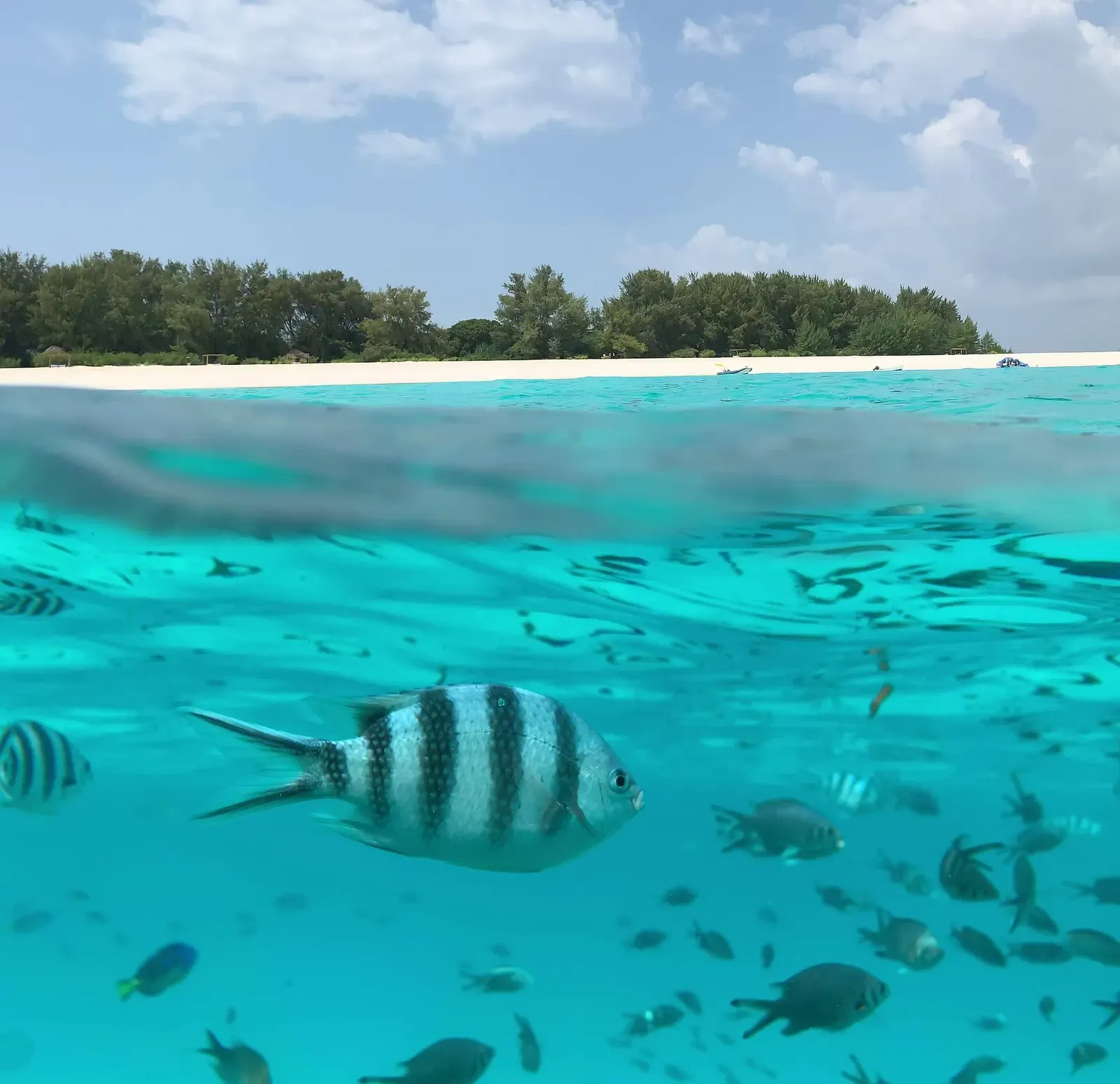
An atoll wall and easy coral slopes off Zanzibar's north-east corner
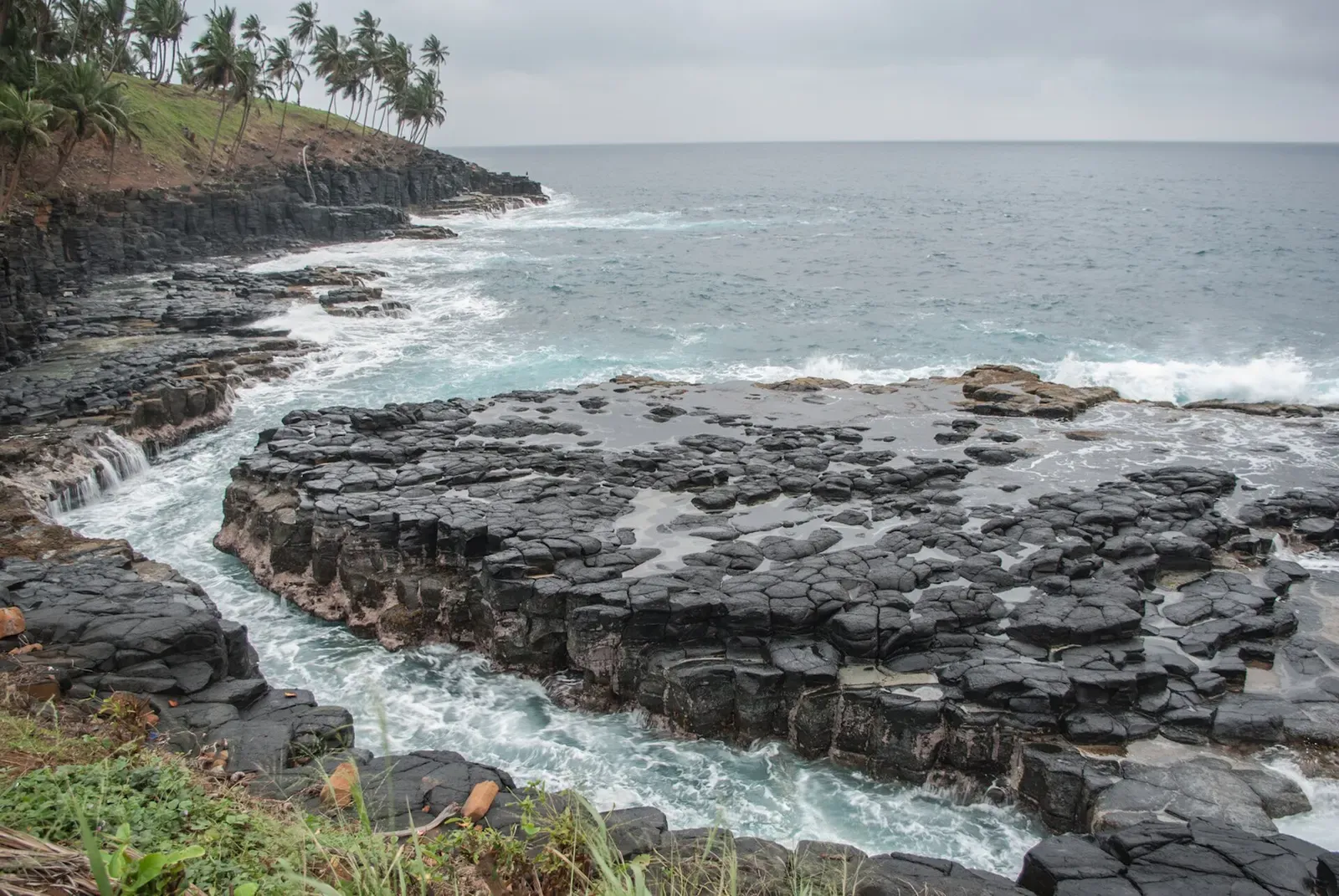
Equatorial volcanic pinnacles almost nobody has dived
.jpg)

East Africa's last viable dugong population, in a 1971 national park