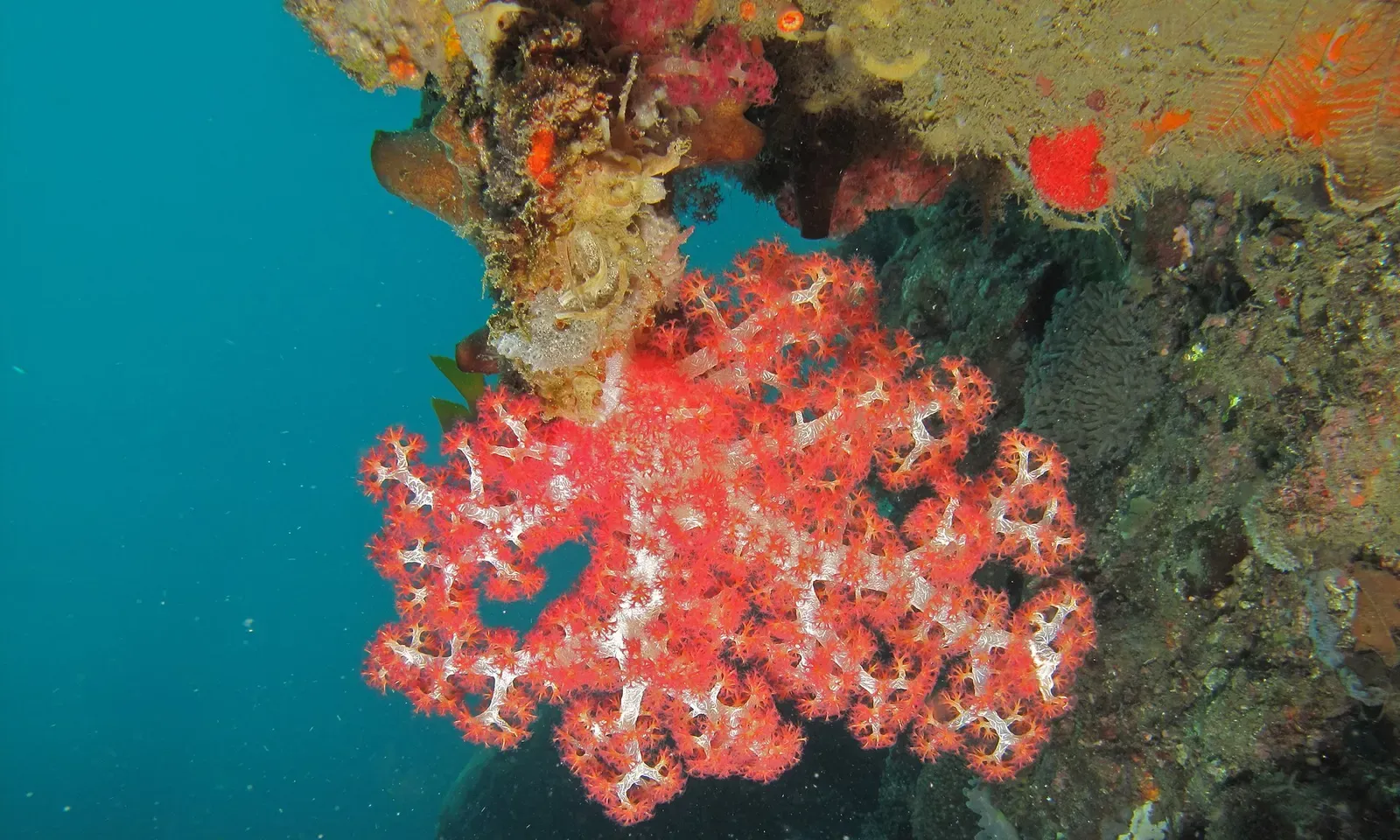
Coral Triangle · Indonesia
Lembeh Strait
Slow scans over black sand reveal mimic octopus and hairy frogfish.
Photo: Bernard DUPONT · CC BY-SA 2.0
Lembeh Strait, between the tip of North Sulawesi and Lembeh Island, is built almost entirely around muck diving over black volcanic sand. Dive guides work slow, methodical scans of the seabed to turn up hairy frogfish, mimic octopus, mandarinfish, and flamboyant cuttlefish, species that draw underwater photographers from around the world. Visibility is often modest and currents mild, since the appeal is what's on the bottom rather than reef structure or big schooling fish.
About diving in Lembeh Strait
A day in the strait runs on a short leash. Resorts line both shores and the sites sit close enough that the boat is back at the jetty a few minutes after the safety stop, so the pattern is three or four dives spread across the day with long surface intervals for downloading images and changing lenses. Groups are kept small, and the working method is that a guide marks a find and then holds position while each diver in turn settles, frames and shoots it. Briefings deal less with navigation than with a target list, and dives usually end on air rather than at any fixed turnaround.
The seabed does all the work here, and the differences between sites are matters of texture rather than scenery. Some are open black sand where the interest is in whatever has buried itself. Some are rubble fields littered with coconut husks, bottles and tyres that shelter juvenile fish and cephalopods. Some carry patches of hard coral and a short drop, with gorgonians that hold pygmy seahorses. Jetty pilings and the shallows under moored boats form a category of their own, since fixed structure in a sand channel collects what open bottom does not.
The dives people remember are the ones timed to the light. At dusk the mandarinfish rise out of the rubble for a short courtship window, and guides plan the entry around that rather than around the tide. After dark the same slopes change hands completely, with hunting cephalopods, ambush predators and burrowing oddities replacing the daytime cast. Photographers on a week-long stay tend to build the schedule around the dusk and night slots and treat the daylight dives as search time for the next subject.
The skill that matters is buoyancy rather than fitness or nerve: holding position just off the sand without stirring it into the frame is most of the job, and a full tank can go on a few square metres of bottom. That makes a week here a photographer's week more than a mixed group's, which is why most operators sell it in combination with the Bunaken walls at the other end of the road transfer, and why a non-photographing partner usually does better on the split itinerary than on seven days of sand.
When to dive Lembeh Strait
| Jan | Feb | Mar | Apr | May | Jun | Jul | Aug | Sep | Oct | Nov | Dec |
|---|---|---|---|---|---|---|---|---|---|---|---|
| Good | Good | Good | Good | Prime | Prime | Prime | Prime | Prime | Prime | Good | Good |
Diveable year-round; May–October dry season brings marginally clearer water for photography.
Getting there
Fly into Manado in North Sulawesi, then transfer by road to Bitung on the strait; resorts on the Lembeh Island side add a short boat crossing at the end. Diving is entirely from resort day boats, and many operators split a week between the strait and Bunaken's walls, which sit on the other side of the same road transfer.
Wildlife calendar
Frogfish, octopus and cuttlefish, squid, nudibranchs and pygmy seahorses are resident rather than seasonal, so timing is about the water rather than the species list. May to October is the drier stretch and the better bet for photography; November to April stays diveable with more particulate. Mandarinfish courtship falls in the last minutes of daylight.
Dive types & marine life
- Muck & macro
- Night
- Frogfish
- Mandarinfish
- Octopus & cuttlefish
- Nudibranchs
- Pygmy seahorses
- Macro critters
- Squid
Notable dive sites in Lembeh Strait
Nudi Falls
Sloping sand-and-rubble site known for exceptional nudibranch variety.
Hairball
Black-sand muck site turning up hairy frogfish and octopus.
Jahir
Sandy slope prized for rare cephalopods and ambush predators.
Angel's Window
Muck site with a shallow swim-through and resident frogfish.
Police Pier
Jetty pilings sheltering mandarinfish and juvenile fish.
Photos from Lembeh Strait
Bernard DUPONT · CC BY-SA 2.0
Bernard DUPONT · CC BY-SA 2.0
Bernard DUPONT · CC BY-SA 2.0
desertnaturalist · CC BY 4.0
Dive videos
Mucky Secrets (full) - The Marine Creatures of the Lembeh Strait · Bubble Vision on YouTube
Diving the Lembeh Strait · Bubble Vision on YouTube
Photo credits
- Vivid pink soft coral colony rising from the black sand seabed in Lembeh Strait. by Bernard DUPONT, CC BY-SA 2.0, via Wikimedia Commons
- A coconut octopus curls its arms while resting on the sandy seabed of Lembeh Strait. by Bernard DUPONT, CC BY-SA 2.0, via Wikimedia Commons
- A cluster of dark sea squirts with pale golden siphons growing on a red sponge. by Bernard DUPONT, CC BY-SA 2.0, via Wikimedia Commons
- A bright orange spotfin frogfish camouflaged against a sponge in Lembeh Strait. by Bernard DUPONT, CC BY-SA 2.0, via Wikimedia Commons
- A translucent anemone shrimp perches among the pale tentacles of its host anemone. by desertnaturalist, CC BY 4.0, via Wikimedia Commons
Similar destinations
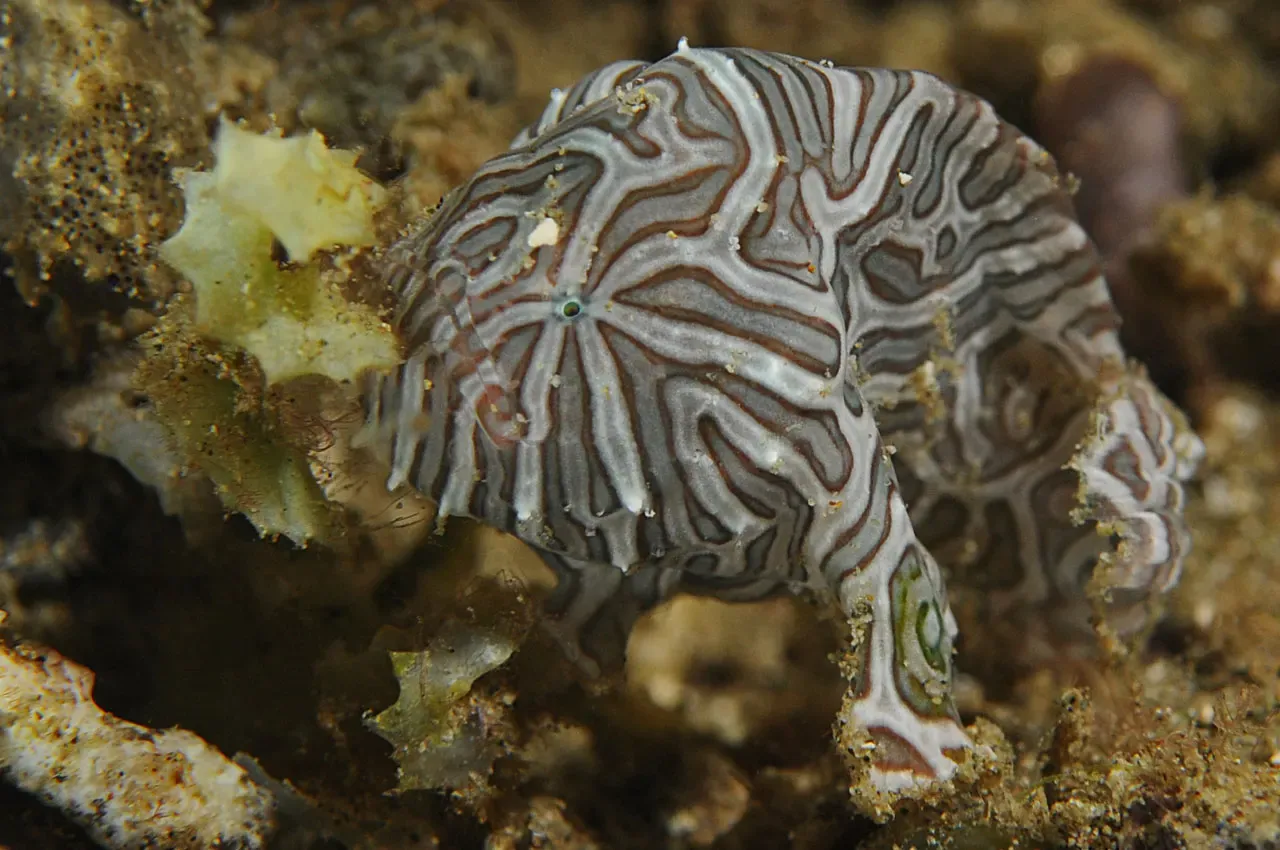
The endemic psychedelic frogfish lives on Ambon's harbour slopes
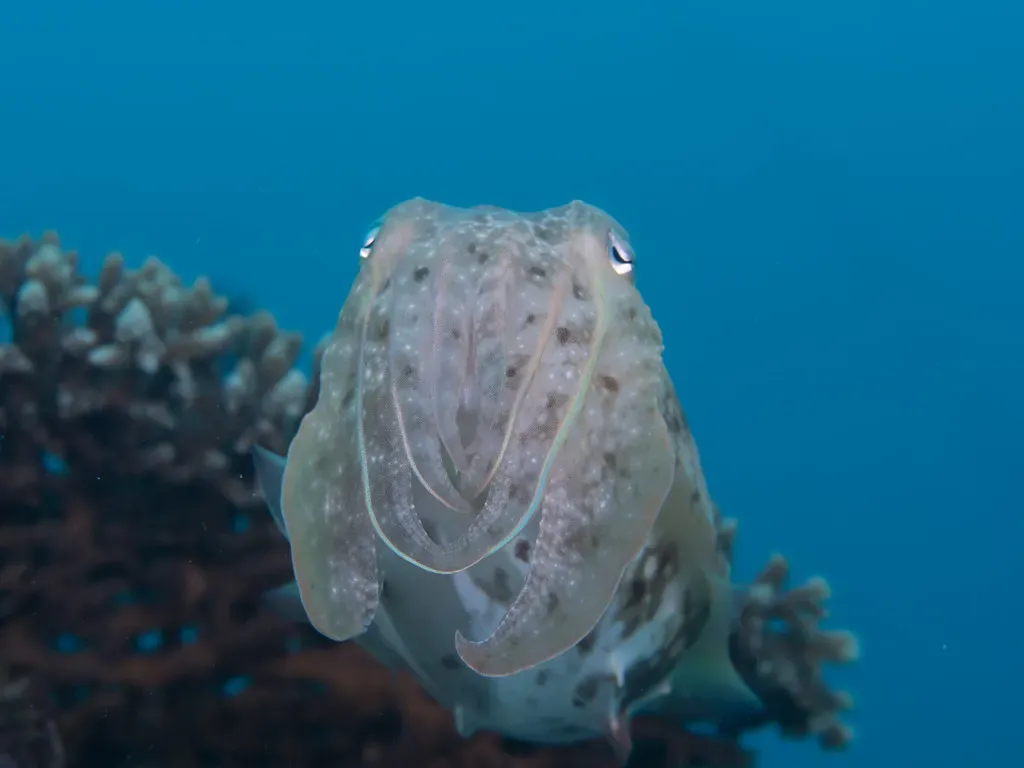
New species are described from these slopes with unusual regularity
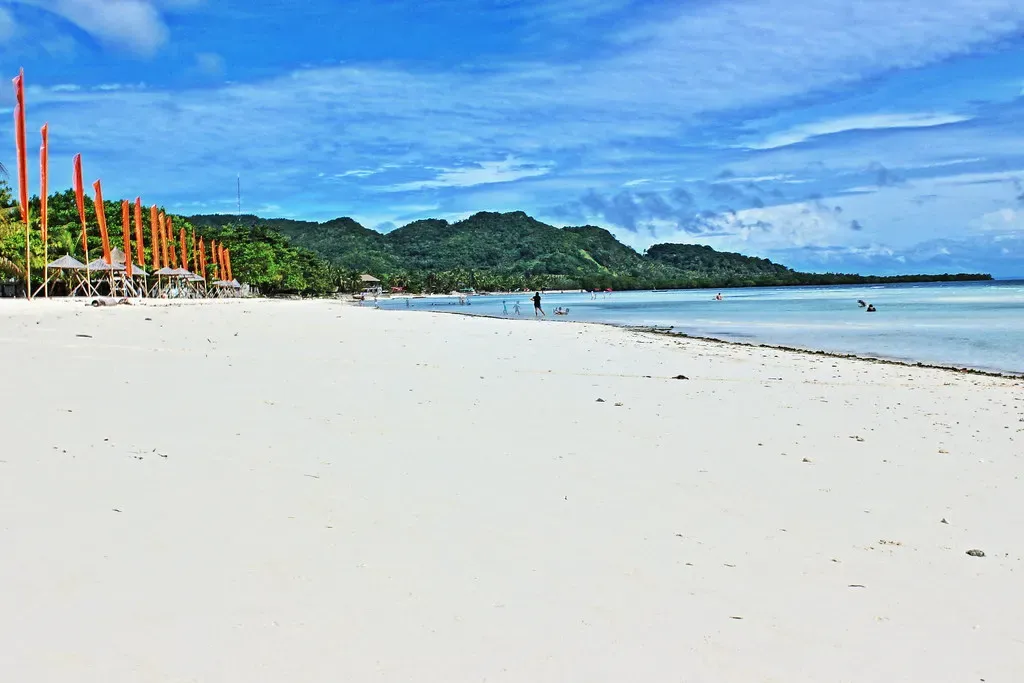
A limestone wall the length of the coast, dived by almost nobody
_(6073606116).jpg)
_(8468811738).jpg)
.jpg)
_(8468807412).jpg)

Rubble slopes near Manila hold an outsized range of nudibranchs and seahorses.