Caribbean · Venezuela
Los Roques
A 350-cay national park atoll with walls and almost no other divers
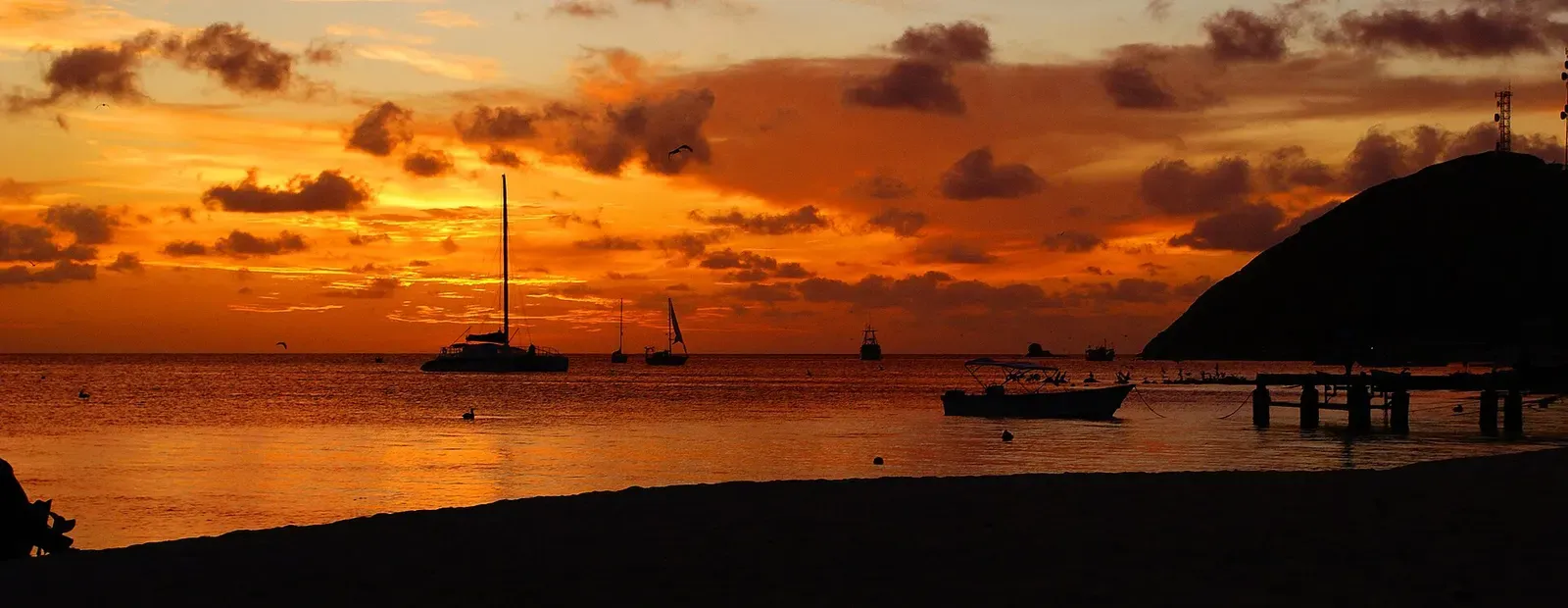
Photo: Jbdrm · Public domain
Los Roques is an atoll-like archipelago of some 350 cays 130 km north of the Venezuelan mainland, protected as a national park since 1972 and reached by light aircraft from Caracas. A barrier reef rings the eastern and southern edges, dropping into walls that fall past 40 m, while the interior lagoon stays flat and shallow over seagrass and coral gardens. Diving infrastructure is small and posada-based, so sites see very few divers compared with the rest of the Caribbean.
About diving in Los Roques
Everything runs out of Gran Roque, the only village in the archipelago. Guests stay in small posadas, and it is the posada rather than a dive shop that usually arranges the boat, often an open peñero shared with snorkellers and beach-goers that runs out to a cay for the morning and returns before the afternoon trades build. Dive centres are few and their schedules are informal, so how many dives you actually get in a week depends on how firmly you fix it before you arrive.
Wind sets the day. The trades come out of the east, so the outer eastern edge takes the weather and boats work the lee of the cays when it is up. Current runs through the channels between cays and fish life concentrates there, while the sheltered inside ground is calmer and brighter, which is where check dives and second dives tend to happen. Expect a plan built on the morning's conditions rather than a published site list.
Plan conservatively. There is no recompression chamber in the archipelago and nowhere to rebuild a failed regulator, so carry o-rings, a spare mask, fin straps and computer batteries, and remember the light aircraft cap baggage tightly, which is the real limit on what you bring. Flights from the mainland can be intermittent, so leave slack before onward connections. It suits self-sufficient travellers and people pairing a few dives with the bonefishing, kiting and beach days the cays are better known for.
When to dive Los Roques
| Jan | Feb | Mar | Apr | May | Jun | Jul | Aug | Sep | Oct | Nov | Dec |
|---|---|---|---|---|---|---|---|---|---|---|---|
| Prime | Prime | Prime | Prime | Good | Good | Good | Good | Good | Fair | Fair | Good |
Jan–Apr is the dry season with the calmest water and best visibility; Oct–Nov brings the most rain and the murkiest lagoon.
Getting there
Gran Roque holds the airstrip, the village and the posadas, and it is your posada rather than a dive shop that usually arranges boats. The light aircraft from the mainland cap baggage tightly, so travel light. Bring cash, since card acceptance is unreliable, and expect to pay a national park entry fee on arrival.
Wildlife calendar
Turtles graze the seagrass year-round, stingrays and eagle rays work the sand, and grouper, barracuda and schooling reef fish gather where channels cut the barrier, which is also where reef sharks are likeliest. Nudibranchs reward slow looking on the sheltered coral. The dry Jan-Apr months give the clearest water on the outer edges, while the Oct-Nov rains cloud the lagoon first.
Dive types & marine life
- Reef
- Wall
- Coral garden
- Drift
- Sea turtles
- Eagle rays
- Reef sharks
- Groupers
- Barracuda
- Reef fish swarms
- Nudibranchs
- Stingrays
Notable dive sites in Los Roques
Boca de Cote
Channel dive on the southern barrier with reef sharks and jacks.
Nordisqui
Northern cay with a wall dropping from 12 m into blue water.
Cayo Sal
Sheltered reef and seagrass flats, good for turtles and rays.
Dos Mosquises
Research-station island with shallow coral gardens and a turtle hatchery.
Noronquises
Cluster of cays on the eastern edge with spur-and-groove coral.
Photos from Los Roques
Mario Bassini · CC BY 4.0
Marlandazabal · CC BY-SA 4.0
Dive videos
Diving Los Roques HD / Buceo Los Roques HD / Mergulho Los Roques HD · Vicente Morata on YouTube
Photo credits
- Sailboats rest at anchor as the sky turns deep orange at sunset over Los Roques' main island. by Jbdrm, Public domain, via Wikimedia Commons
- A cero mackerel swims over a shallow coral reef in the Los Roques archipelago. by Mario Bassini, CC BY 4.0, via Wikimedia Commons
- A weathered wooden fishing boat and piles of conch shells line the shore of a Los Roques cay. by Marlandazabal, CC BY-SA 4.0, via Wikimedia Commons
Similar destinations
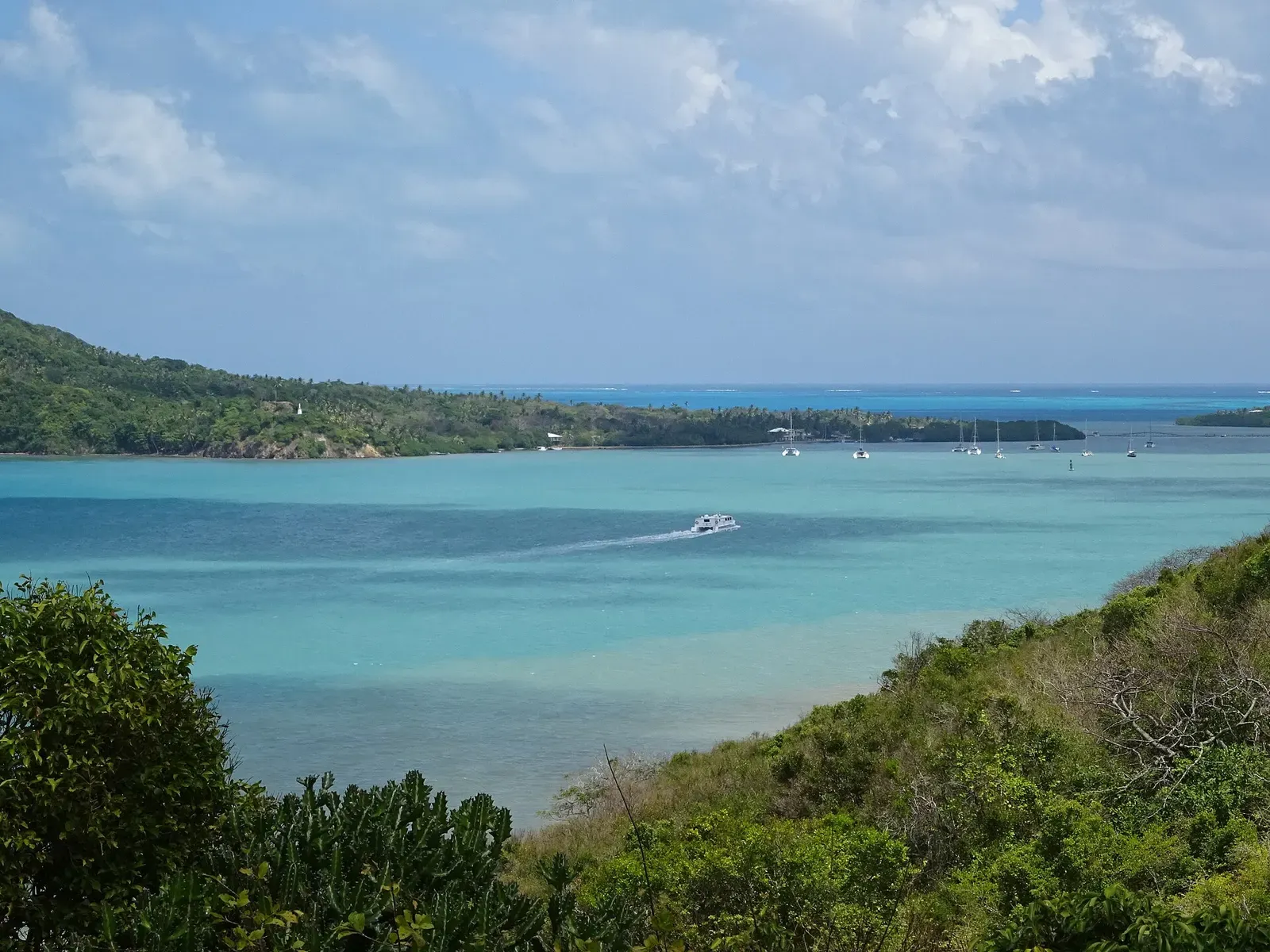
The western hemisphere's third-largest barrier reef, 700 km from anywhere
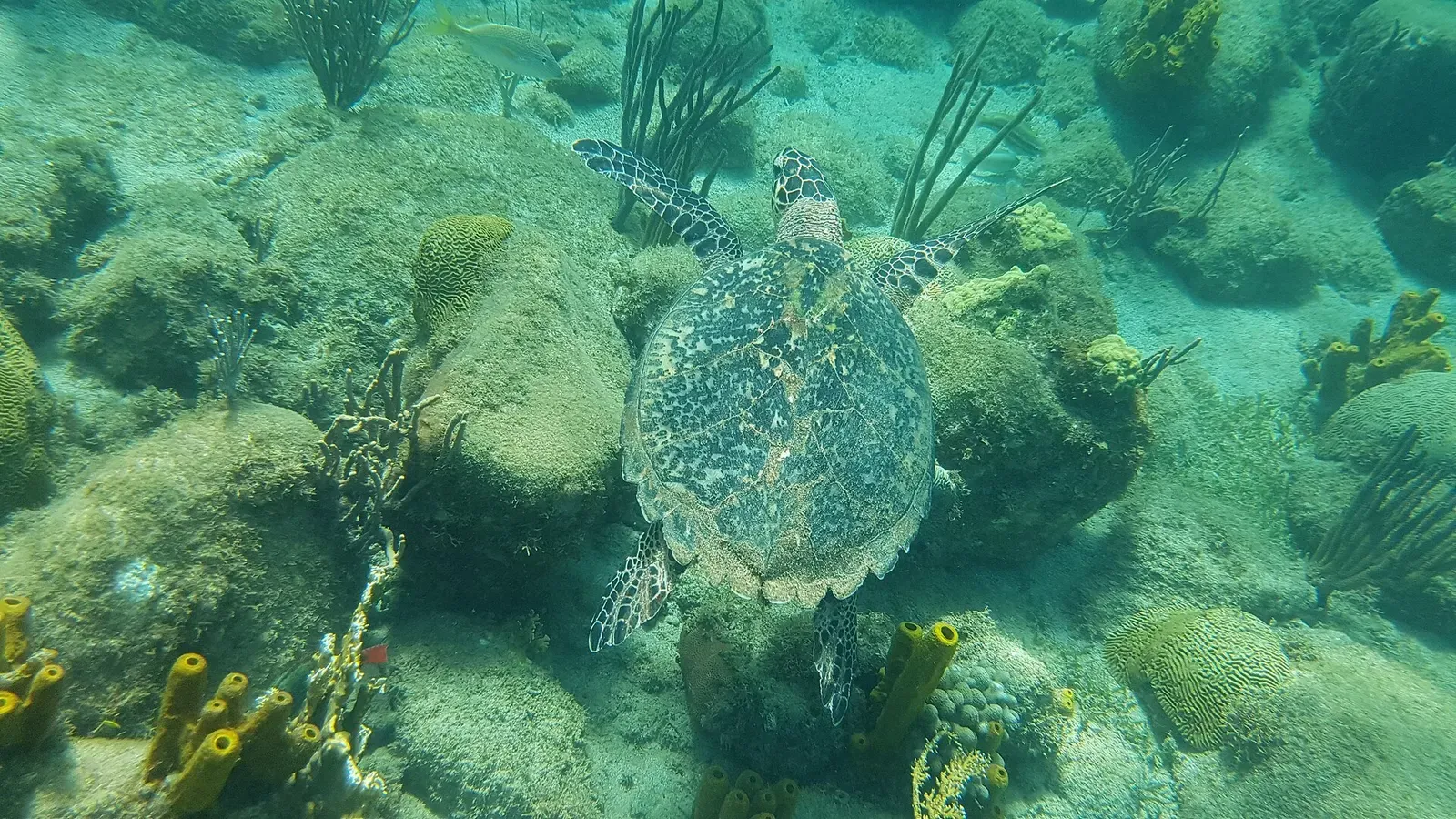
A bronze Cousteau sits at 12 m in the reserve he made famous
Caribbean
María la Gorda
Cuba
Forests of black coral in a bay that is flat calm nearly every day
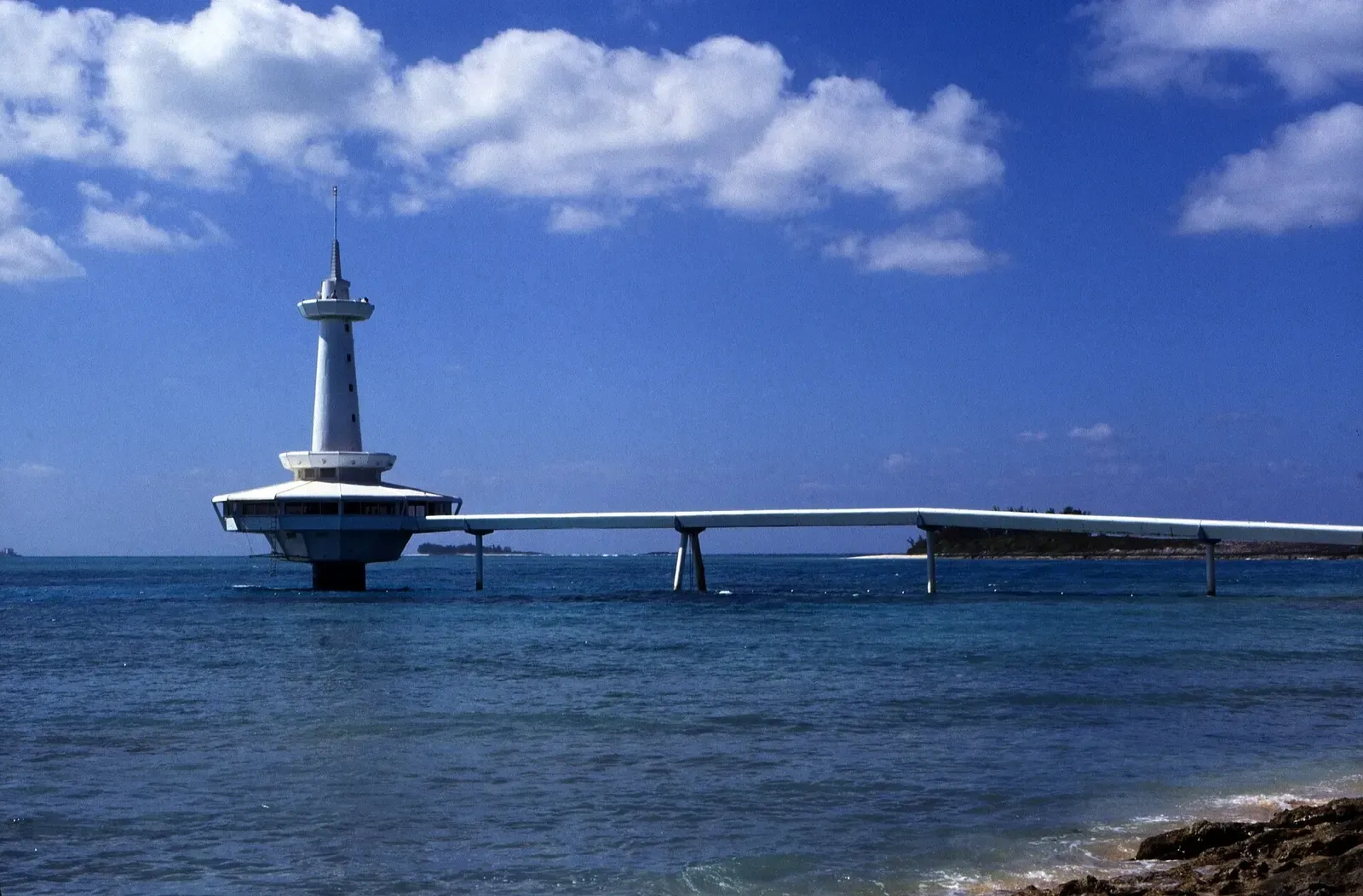


Two dozen reef sharks circle a baited arena in 12 m of water