Cold Water · Ireland
Malin Head
Sherman tanks lie on the seabed beside the SS Empire Heritage
Photo: Chmee2 or Mates · CC BY-SA 3.0
The water off Ireland's northernmost point is a graveyard of the First World War Atlantic convoys, and the wrecks are of a scale found almost nowhere else. HMS Audacious, a 23,000-tonne dreadnought mined in 1914, lies upside down at 64 m; the liner RMS Justicia, torpedoed repeatedly over two days in 1918, is scattered at 70 m; and the SS Empire Heritage went down in 1944 still carrying a deck cargo of Sherman tanks, which sit on the seabed beside her.
About diving in Malin Head
This is a charter operation rather than a dive holiday. A day means an early start, a long steam offshore in a hard boat, and one dive planned around slack water on a shot dropped onto the wreck. Bottom time is short and the ascent is not, so teams hang on the line and finish drifting on a marker before the pickup. Some days end with a shallower second dive inshore. Plenty of days end with nothing at all, because the sea made the decision before the crew did.
There is no scenery to speak of at the depths that matter. The ground is a swept seabed with enormous steel structures standing on it, and the dives are about scale rather than terrain: hull plating running off into the dark, boilers and machinery standing clear of the sand, debris fields spread wider than any single dive can cover. Atlantic water keeps visibility high for this latitude, but depth strips the colour out, so everything worth seeing is seen by torchlight.
The named ships are the draw, but the ground holds more than those, and identification on some hulls is still argued over — the Empire Heritage and the rescue ship Pinto, lost to the same U-boat within hours of her, are reported to have been mistaken for one another. The written history is uneven too: the Admiralty is generally held to have kept the loss of Audacious out of official announcements until after the Armistice. Serious teams work one ship per trip, several dives across a week, each planned as a look at one section.
Sort the logistics before the diving. Gas fills and rebreather consumables have to be arranged with the charter or brought from home, the kit travel is heavy, and there is no walking away from an equipment problem once you are offshore. All of these hulls are grave sites and the First World War ships are now old enough for Ireland's historic-wreck protections, so charters dive them look-only. The filter is otherwise an honest one: the divers who get value here already dive as a settled team and can lose most of a booked week to a forecast without it wrecking the trip. Everyone else gets the inshore rock and kelp.
When to dive Malin Head
| Jan | Feb | Mar | Apr | May | Jun | Jul | Aug | Sep | Oct | Nov | Dec |
|---|---|---|---|---|---|---|---|---|---|---|---|
| Off-season | Off-season | Off-season | Fair | Good | Prime | Prime | Prime | Good | Fair | Off-season | Off-season |
May–Sep only, and even then the charter runs on a handful of settled days; Atlantic swell closes the ground for weeks.
Getting there
City of Derry is the nearest airport, with Belfast and Dublin the longer drives, and from any of them it is a road trip up the Inishowen peninsula. Carndonagh, Culdaff and Malin are the usual bases and a car is essential. Everything runs from a hard boat off the small Inishowen piers: there is no shore diving on this ground and no liveaboard.
Wildlife calendar
The steel is the habitat: soft corals and plumose anemones over the wreckage, conger and ling in the gaps, and shoals of pollack and saithe hanging above the higher structure. Nudibranchs, kelp and grey seals belong to the shallower inshore dives rather than to the wrecks. All of it depends on the settled May–Sep window.
Dive types & marine life
- Wreck
- Wall
- Reef
- Kelp forest
- Seals & sea lions
- Macro critters
- Nudibranchs
- Reef fish swarms
Notable dive sites in Malin Head
HMS Audacious
Dreadnought battleship mined in 1914, lying inverted at 64 m.
RMS Justicia
Liner torpedoed in 1918, broken across 70 m of seabed.
SS Empire Heritage
Sunk in 1944 at 67 m with her cargo of Sherman tanks alongside.
SS Laurentic
Liner mined in 1917 at 40 m, the most accessible of the group.
Inishtrahull
Offshore island with rock walls and seals, dived between wrecks.
Photos from Malin Head
N Chadwick · CC BY-SA 2.0
Dive videos
Wreck Diving the Malin Head 'classics' 2019 · Kieran Hatton on YouTube
Diving Into a Real Battleship Wreck - HMS Audacious! · Deep Wreck Diver on YouTube
Photo credits
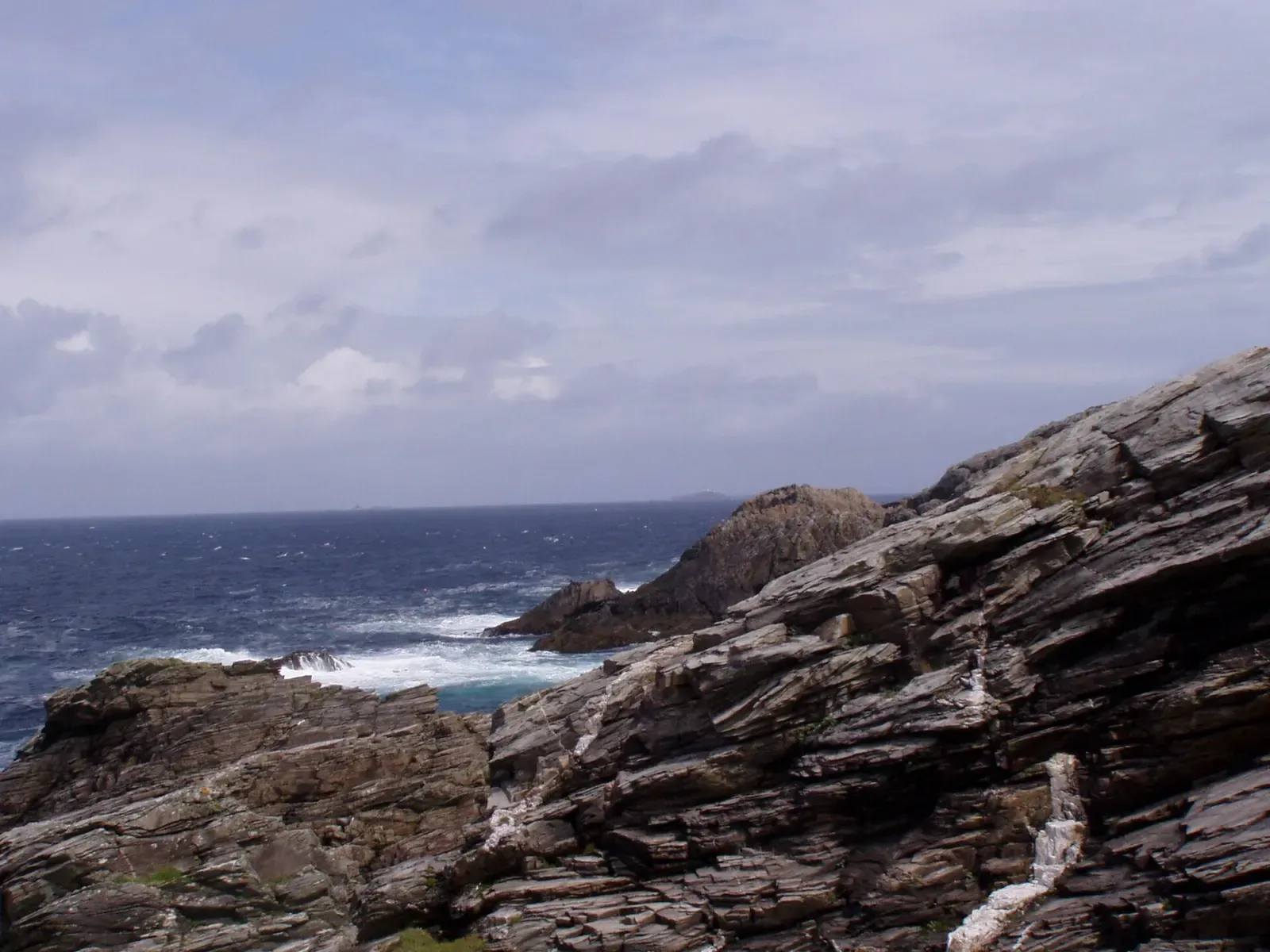
- Jagged slate cliffs at Malin Head with Atlantic swell breaking below under a moody sky by Chmee2 or Mates, CC BY-SA 3.0, via Wikimedia Commons
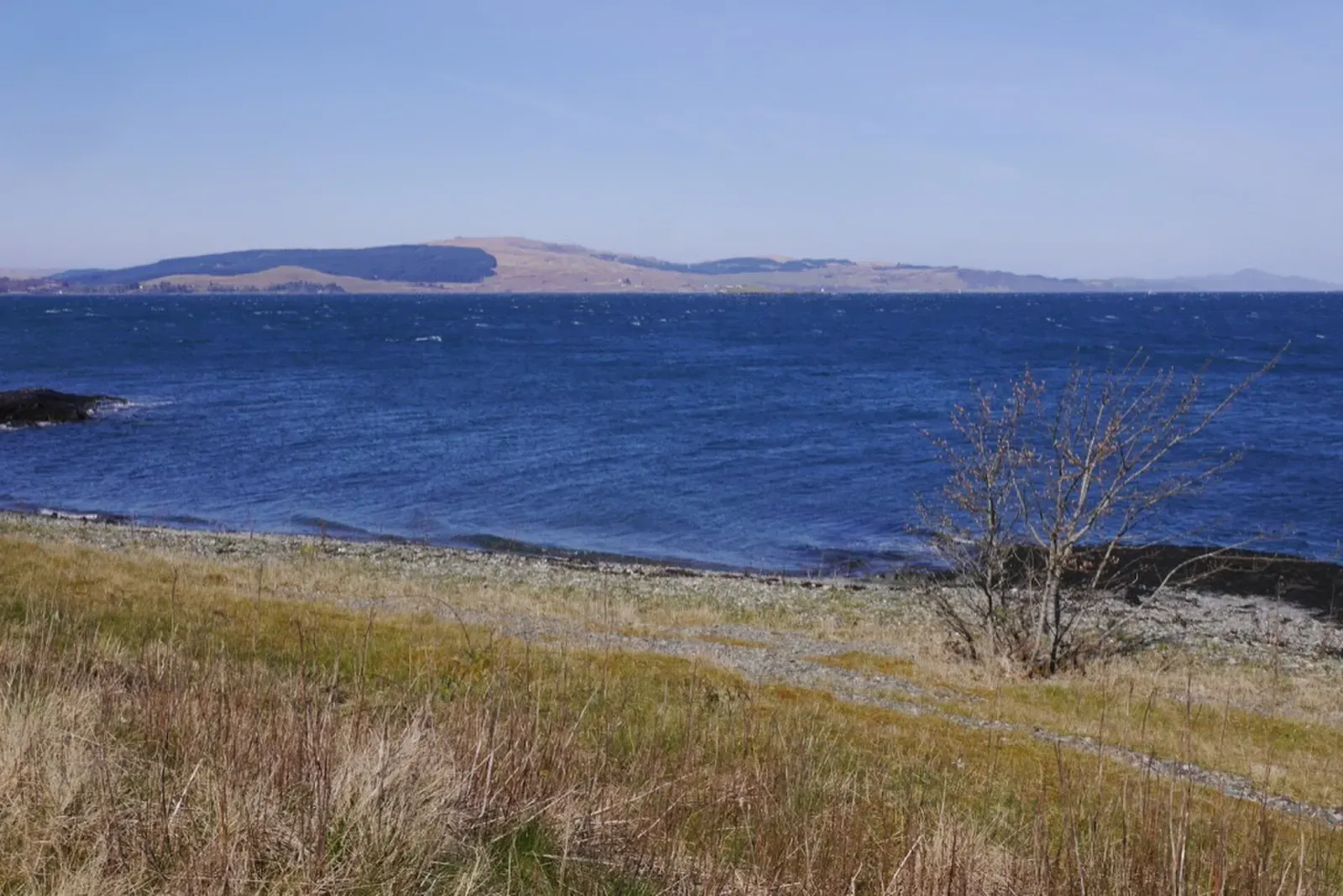
- Grassy coastal path winding down rocky slopes to the blue Atlantic at Malin Head by N Chadwick, CC BY-SA 2.0, via Wikimedia Commons
Similar destinations
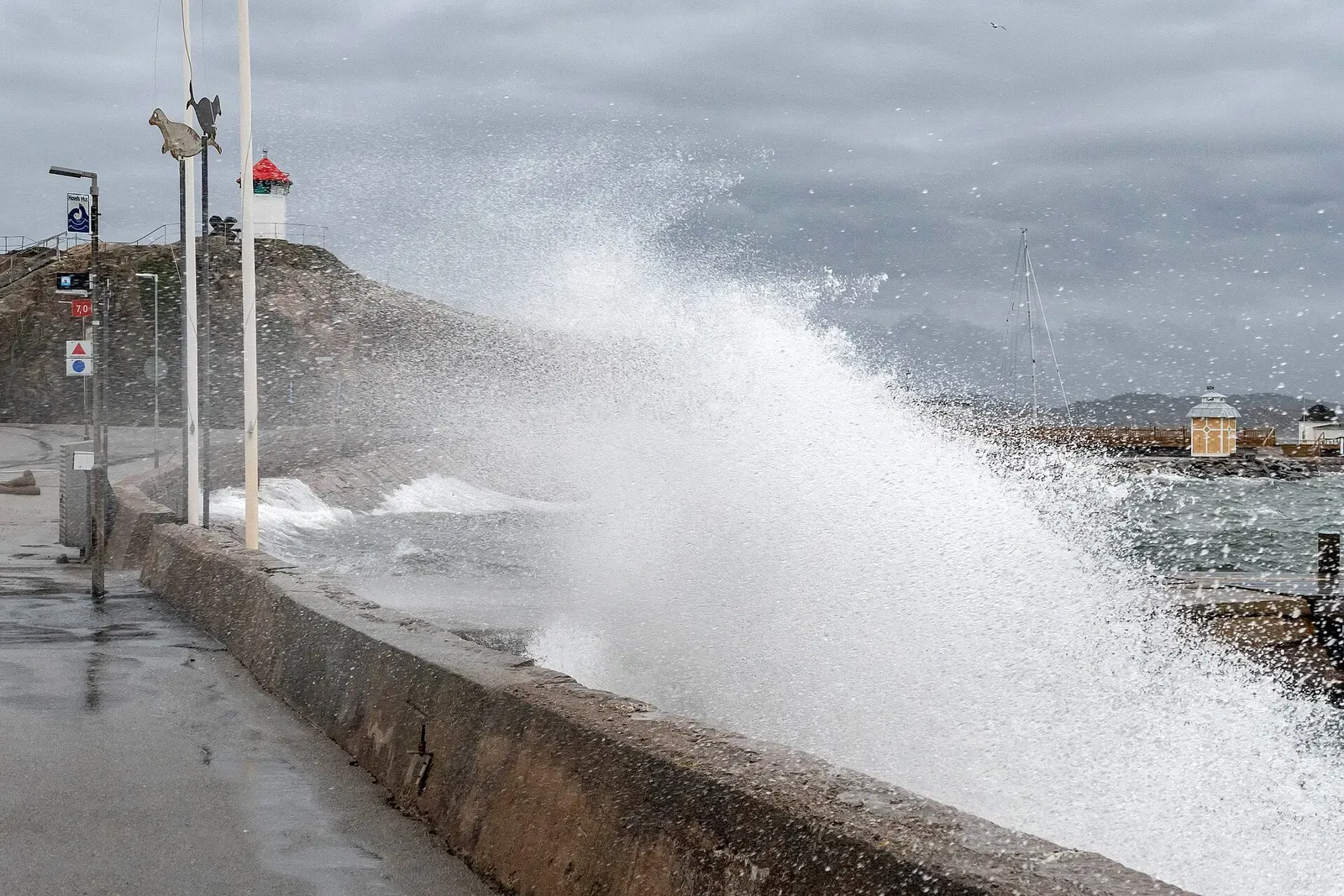
Sweden's only cold-water coral reefs, inside its first marine national park
Cold Water
Lundy Island
United Kingdom
England's first marine reserve, and its grey seals follow divers around
The Rondo stands almost vertical, stern at 15 m and bow at 50
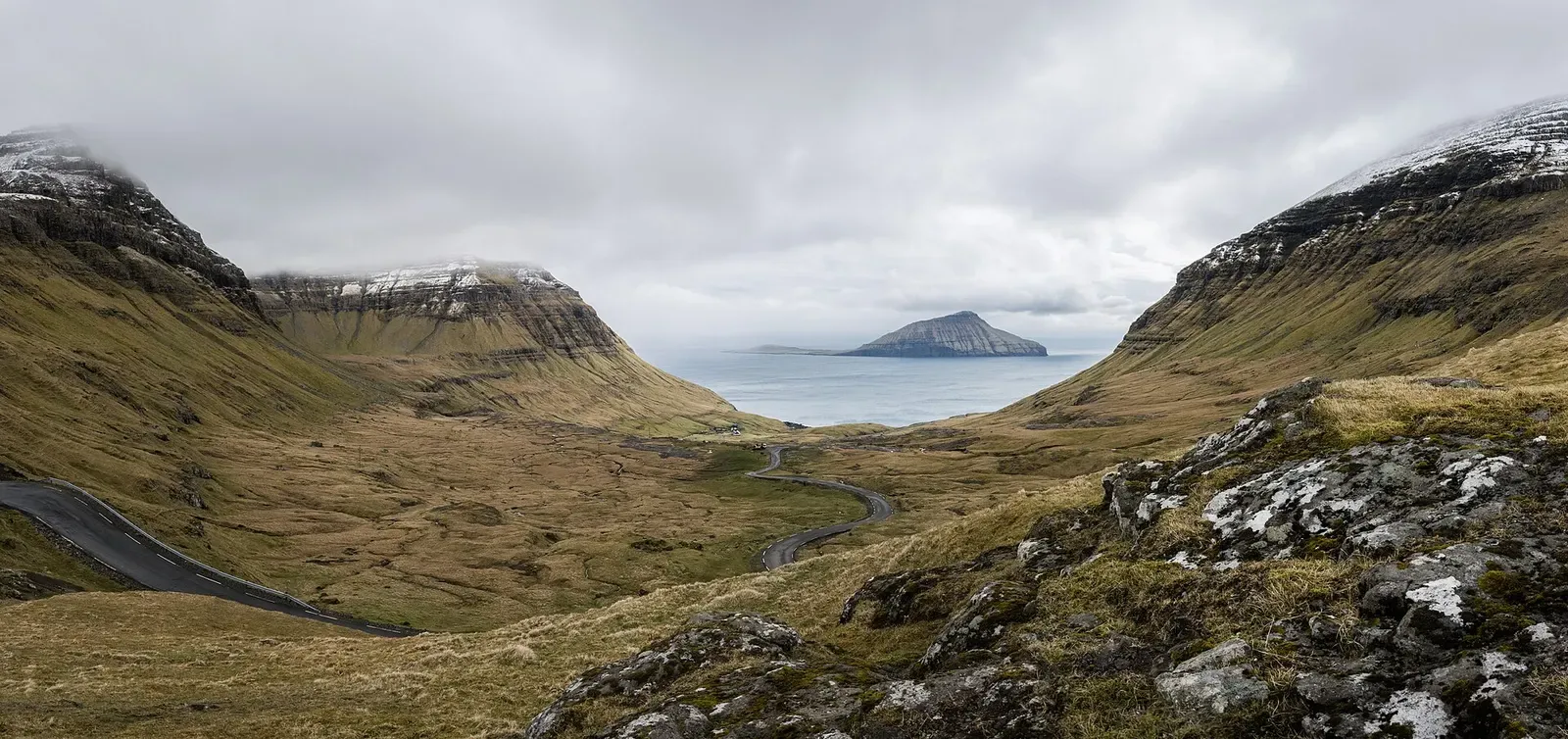


Basalt cliffs continuing underwater into surprisingly clear Atlantic water