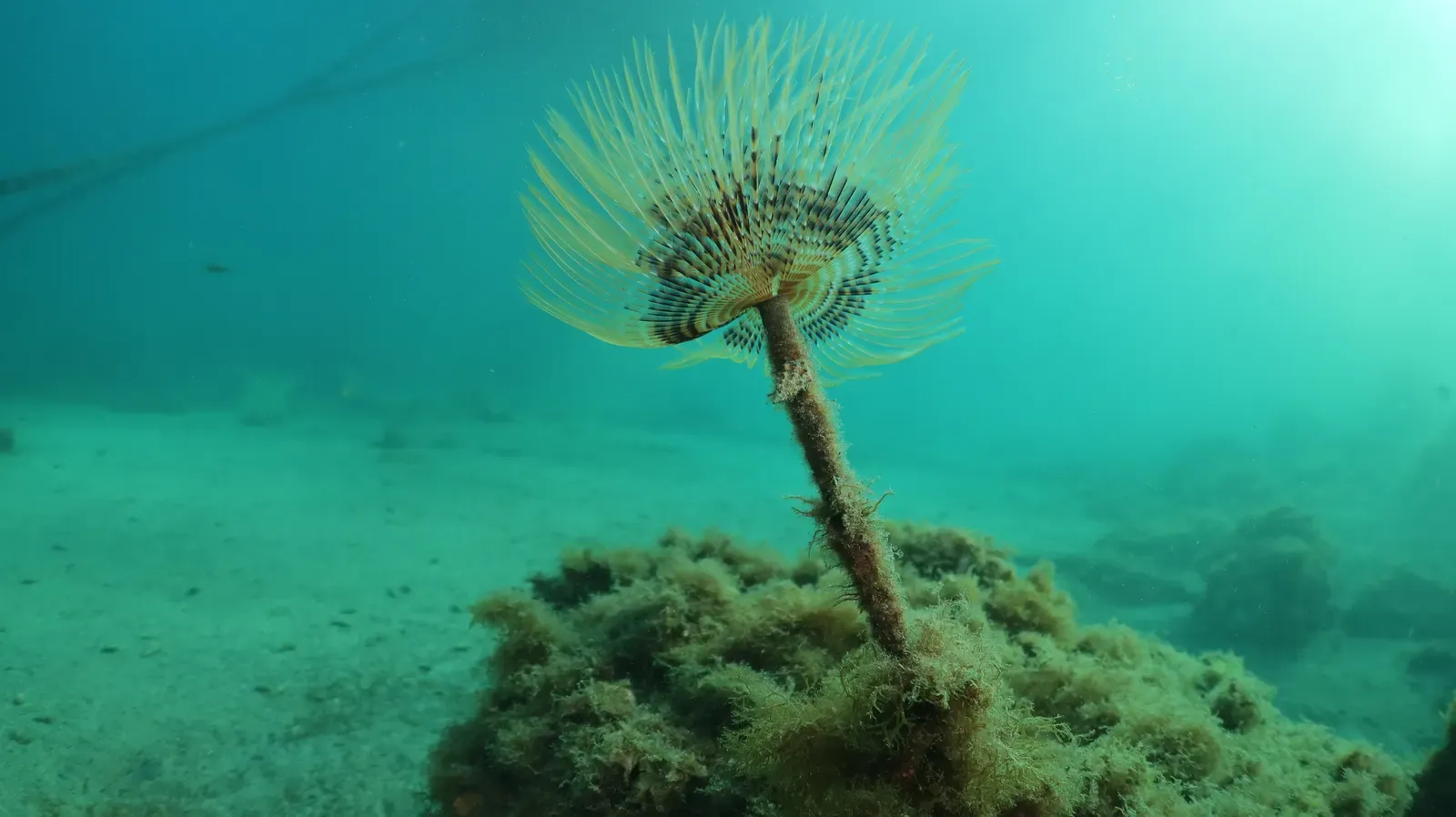
Mediterranean · France
Marseille & the Calanques
Where Cousteau ran the first underwater archaeological dig in 1952
Photo: Karim saari · CC BY 4.0
The limestone inlets of the Calanques became a national park in 2012, and the water off Marseille holds the densest concentration of serious diving in France. The liner Le Liban went down in 1903 and lies between 26 and 36 m; the Grand Congloué is where Cousteau's team carried out the first proper underwater archaeological excavation in 1952. The prehistoric painted cave at Cosquer, its entrance now 37 m below the surface, sits sealed nearby and is closed to divers.
About diving in Marseille & the Calanques
Almost all the diving here is boat-based, run as two-tank mornings out of Marseille's own harbours or from Cassis, with the offshore islands rather than the inlets themselves as the target. The limestone carries on below the waterline as vertical faces, arches and detached rock stacks, so profiles tend to run deep first: down the wall to the gorgonians, which take over the rock below about 25 m on the Riou stacks, then a long shallow finish over boulder and broken rock on the way back to the boat.
The wreck and archaeology list is unusually varied for one stretch of coast. Le Liban is the serious one, a passenger liner sunk in 1903 and lying broken between 26 and 36 m off Maïre, dived on a strict plan and needing deep certification. The wrecks ringing Le Planier, the freighter Le Chaouen among them, sit shallower and are easier to read as ships. At Le Grand Congloué, where Cousteau's team ran the first proper underwater excavation in 1952, amphora fragments are still visible at around 30 m, and nothing may be lifted. Centres brief all of it in detail.
Conditions decide the day more than anything else. The mistral funnels down the Rhône valley and can close the offshore islands in any month, and boats then fall back on the inshore reefs, which are pleasant but not why you travelled. The water runs roughly 13–25°C across the year and a thermocline usually sits somewhere on a deep profile even in summer, so a thick semi-dry or a drysuit earns its place. The area suits divers who like structure and history rather than big animals, and who are comfortable planning a deep dive properly.
When to dive Marseille & the Calanques
| Jan | Feb | Mar | Apr | May | Jun | Jul | Aug | Sep | Oct | Nov | Dec |
|---|---|---|---|---|---|---|---|---|---|---|---|
| Fair | Fair | Fair | Good | Good | Prime | Prime | Prime | Prime | Good | Fair | Fair |
Jun–Sep is the main season; the mistral funnels down the Rhône valley and closes the offshore islands in any month.
Getting there
Marseille Provence airport sits northwest of the city and TGV services run into Saint-Charles. Boats leave from harbours inside Marseille, Pointe Rouge and Callelongue among them, and from Cassis to the east. Diving is boat-only, so basing yourself in either town keeps transfers short.
Wildlife calendar
Dusky grouper hold station on the Riou walls and are the signature sighting. Barracuda and dense fish schools build through the prime June to September window; octopus and cuttlefish are easiest in spring, while nudibranchs and other macro subjects tend to show best in the quieter months at either end of the season.
Dive types & marine life
- Wall
- Wreck
- Cave & cavern
- Reef
- Drift
- Groupers
- Barracuda
- Octopus & cuttlefish
- Nudibranchs
- Reef fish swarms
- Macro critters
Notable dive sites in Marseille & the Calanques
Le Liban
Passenger liner sunk in 1903, broken across 26–36 m off Maïre.
Le Grand Congloué
Site of Cousteau's 1952 excavation, with amphora fragments at 30 m.
Les Impériaux
Rock stacks off Riou with walls, arches and gorgonians below 25 m.
Le Planier
Lighthouse island ringed by wrecks, including the freighter Le Chaouen.
La Cassidaigne
Exposed offshore pinnacle with current and the area's biggest fish.
Photos from Marseille & the Calanques
Donald Davesne · CC BY 4.0
Donald Davesne · CC BY 4.0
LySioS-wkp · CC BY-SA 4.0
Dive videos
Plonger dans l'épave du Liban à Marseille ! LE TITANIC FRANCAIS ! · Argonaute Plongée on YouTube
Cap Croisette - scuba diving in the Calanques of Marseille · Marcel Steuermann on YouTube
Photo credits
- Mediterranean fanworm with a banded spiral crown rising from an algae-covered rock at Port des Goudes by Karim saari, CC BY 4.0, via Wikimedia Commons
- Bright orange Mediterranean red sea star lying on dark green algae-covered rock by Donald Davesne, CC BY 4.0, via Wikimedia Commons
- Yellow lattice sponge surrounded by orange and pink cup corals on a shaded rock face by Donald Davesne, CC BY 4.0, via Wikimedia Commons
- Rugged white limestone ridge of Île Maïre rising from deep blue sea under a clear sky by LySioS-wkp, CC BY-SA 4.0, via Wikimedia Commons
Similar destinations
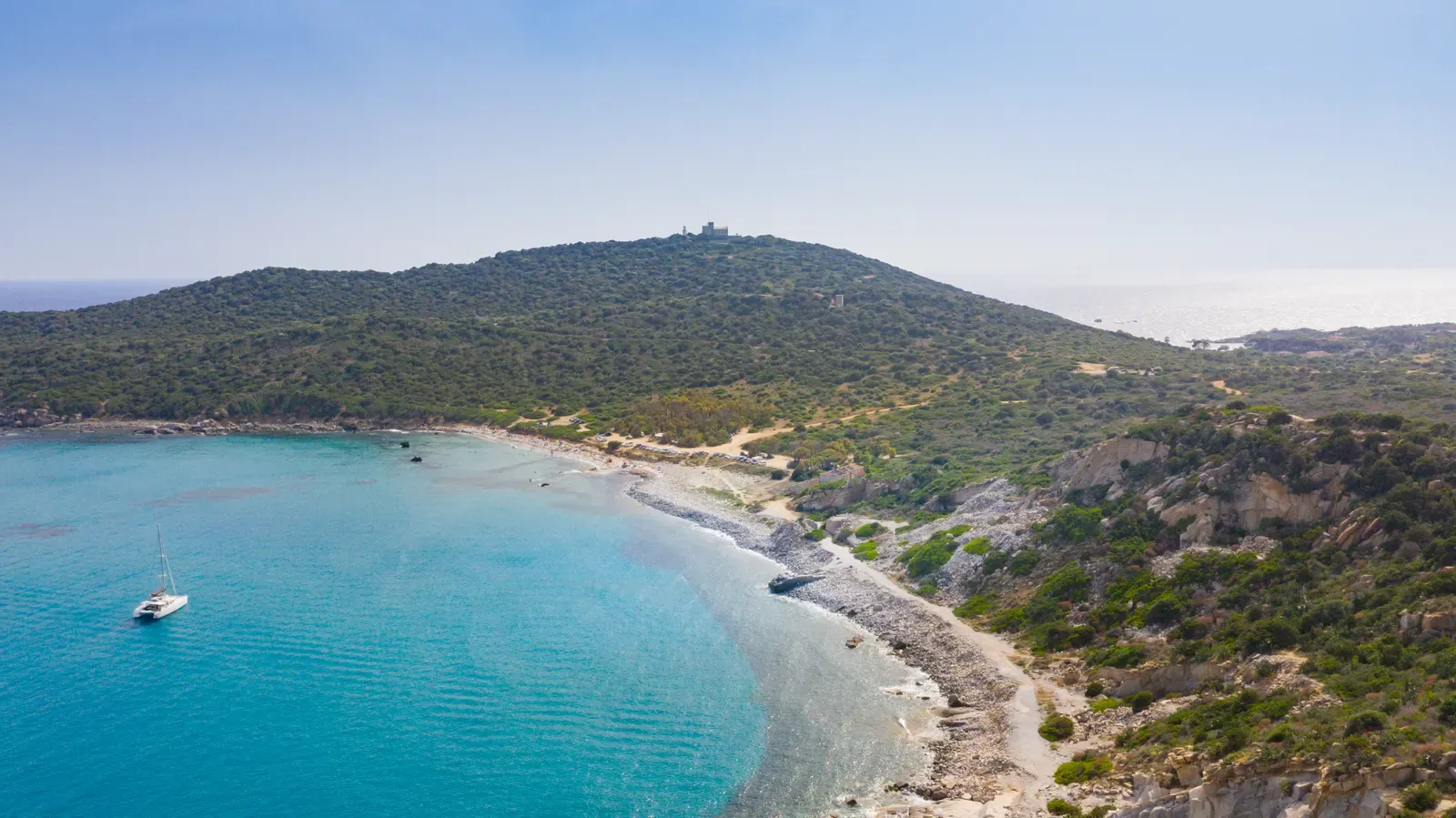
Granite seamounts rising to the surface off Sardinia's south-east corner
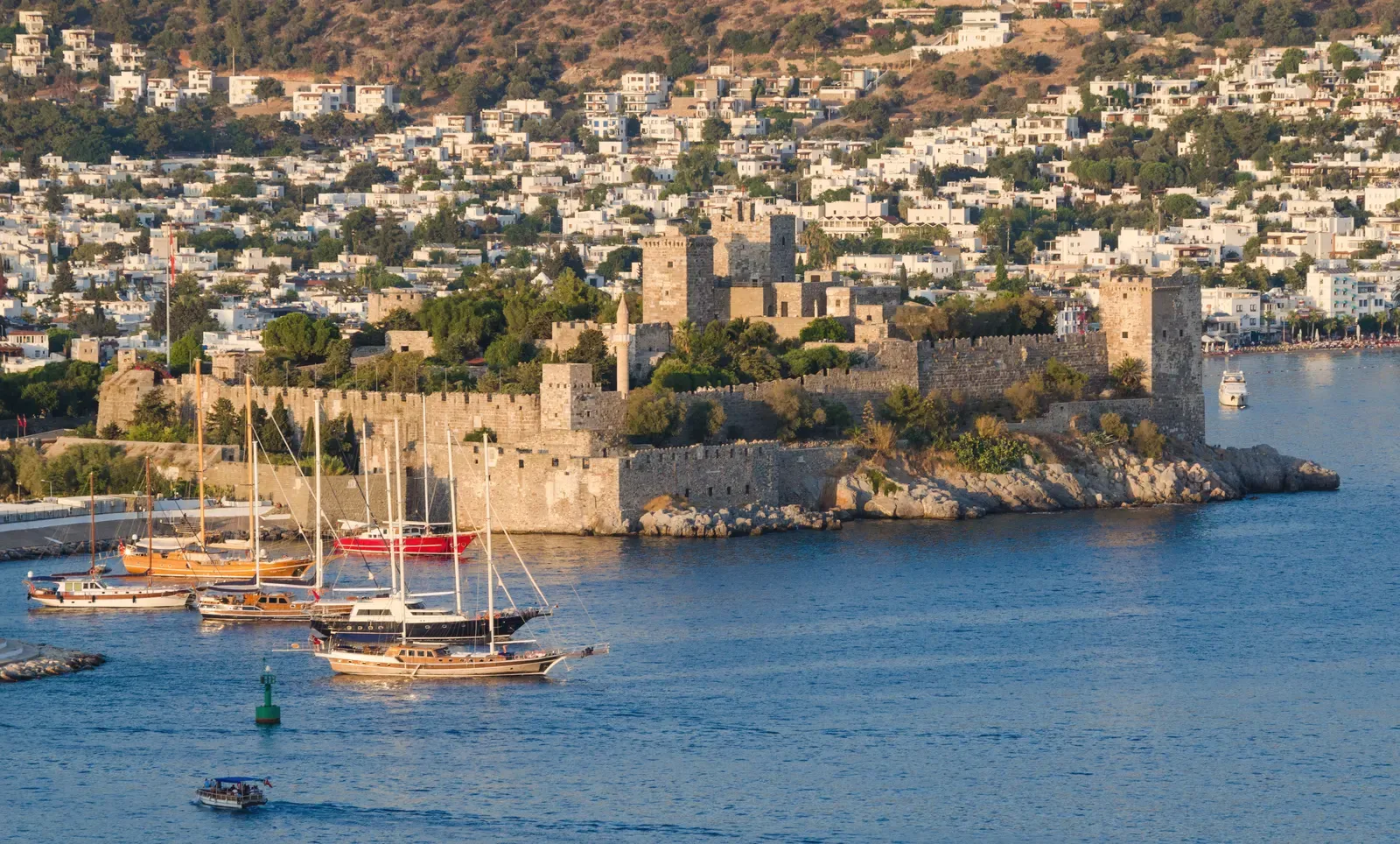
A hot spring vents into the sea off Karaada's caves
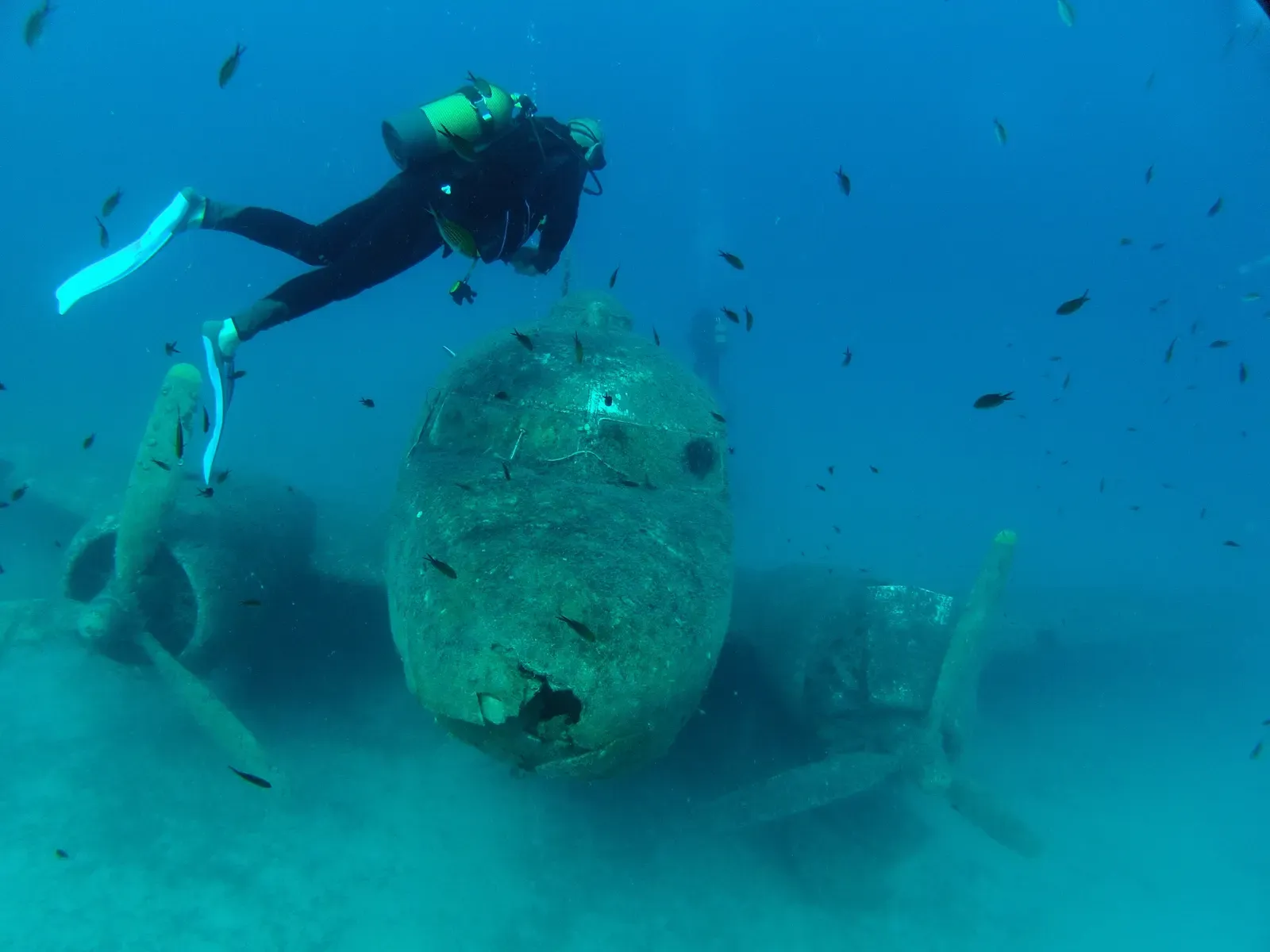
A sunken DC-3 and a replica Bronze Age ship on the Lycian coast
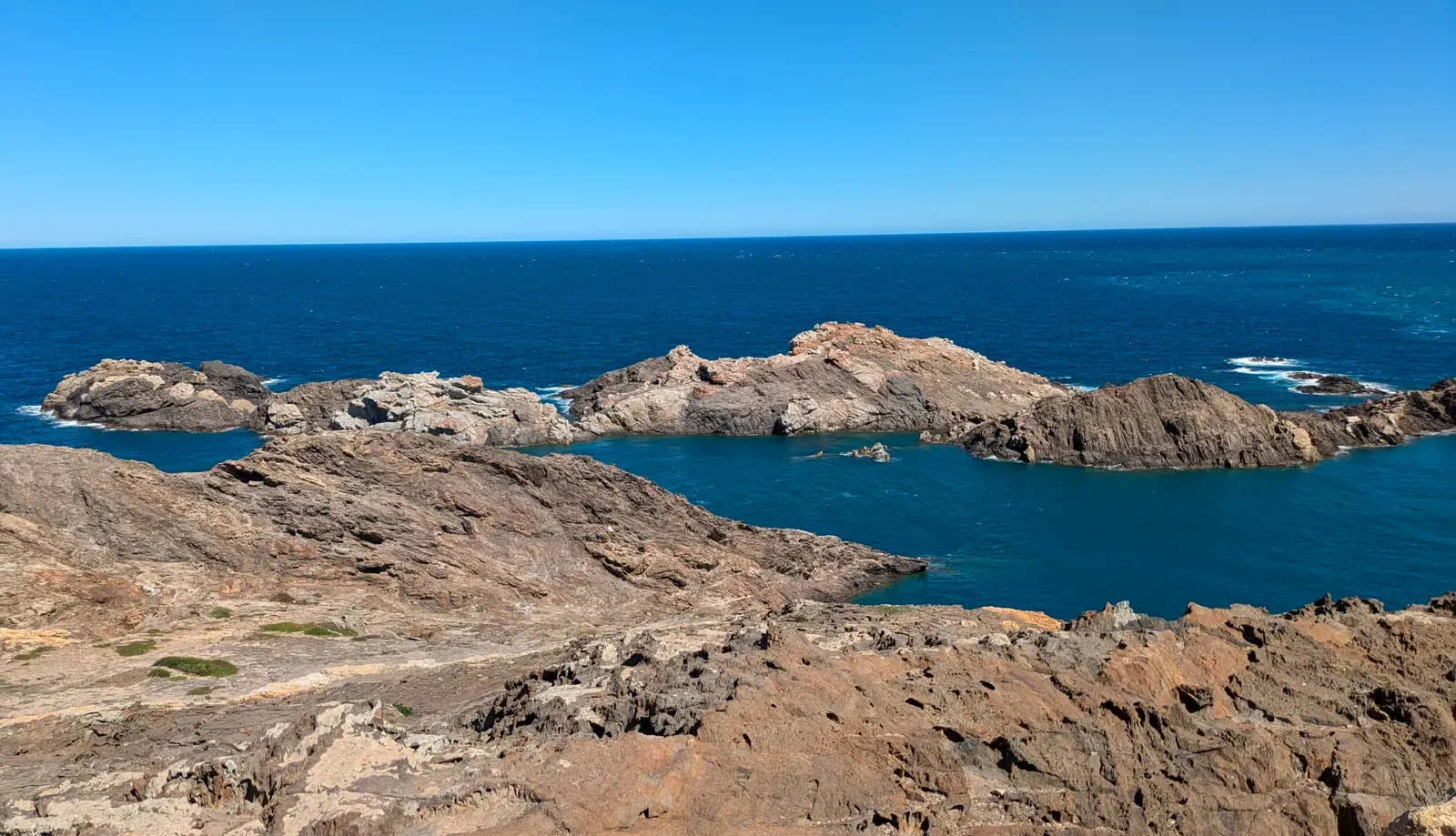


Schist walls, tunnels and red gorgonian fans at the Pyrenees' end