Cold Water · Canada
Bell Island & Conception Bay
Four ore carriers torpedoed at their pier in 1942, still lying at 27–40 m
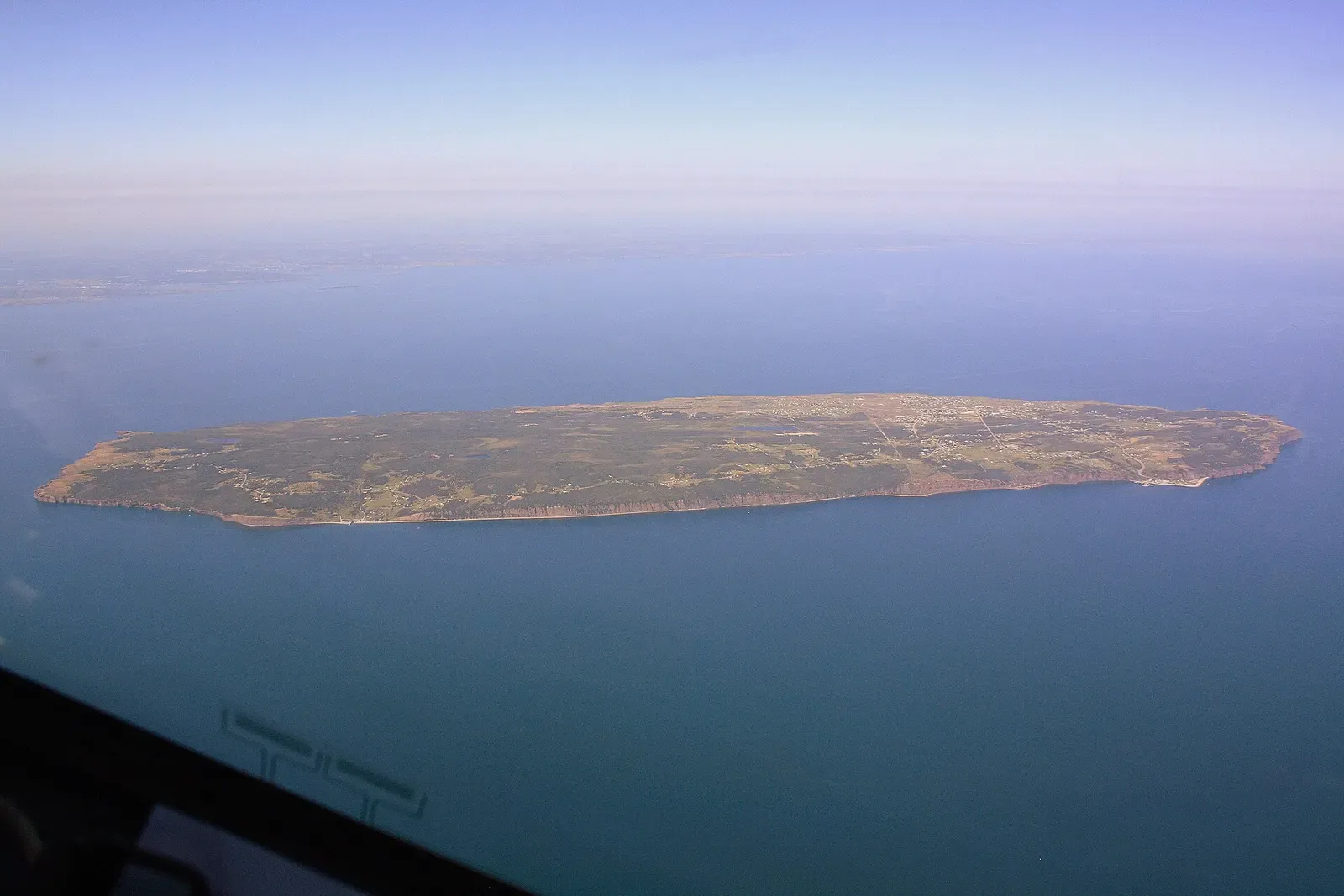
Photo: Shawn from Airdrie, Canada · CC BY-SA 2.0
In 1942, U-boats torpedoed four iron-ore carriers at their loading pier off Bell Island, the only place in North America struck directly by German forces in the Second World War. All four still lie in Conception Bay between 27 and 40 m, preserved by water that rarely rises above 12°C. Icebergs drift down the Labrador Current in early summer and can be dived where they ground in the shallows, and humpbacks work the capelin in the same weeks.
About diving in Bell Island & Conception Bay
Diving here is charter work out of Conception Bay. Boats leave from the mainland side, run out to the wrecks and fit two dives around a long surface interval, while the ferry to Bell Island serves shore entries and a look at the pier ruins from land. Wind and swell set the schedule rather than tides, and because the ships lie within a small area, a poor forecast usually moves the day rather than the site.
The four ships are dived as a set over several days rather than picked off one at a time, and each asks for different navigation, so the briefing matters more than any site map. Cold steel grows a heavy coat of white anemones and hydroids, and the light drops away fast with depth, so a primary and a backup are standard rather than optional. Beyond the hulls the bay offers boulder slopes, kelp and easy shore entries that work well for shakedown dives.
Two of the draws are chased rather than scheduled. Icebergs that ground in the shallows early in the season can be swum near when a guide judges them stable, staying shallow and at a distance, since anything still floating free can roll without warning. Later, humpbacks working the capelin turn up on the same water, though those meetings are far more often at the surface and no operator will promise them. The flooded iron-ore mine ashore is a permitted technical project, not part of a normal charter.
This suits divers who want a project rather than a holiday: settled drysuit skills, regulators that hold up in near-freezing water, and either careful no-stop planning at 30-40 m or the training to go past it. Photographers should bring their own light instead of counting on ambient. Newer divers are not shut out, since the shore sites and shallow bay diving stand on their own, but the ships are the reason to come. Read the 1942 accounts first: roughly seventy men died with these hulls, and the much-quoted line about the only direct German attack on North America turns on a torpedo that missed a ship and struck the loading pier.
When to dive Bell Island & Conception Bay
| Jan | Feb | Mar | Apr | May | Jun | Jul | Aug | Sep | Oct | Nov | Dec |
|---|---|---|---|---|---|---|---|---|---|---|---|
| Off-season | Off-season | Off-season | Off-season | Fair | Prime | Prime | Prime | Good | Fair | Off-season | Off-season |
The season runs Jun–Sep; icebergs are best in June, humpbacks arrive with the capelin in July, and winter shuts everything down.
Getting there
Fly into St John's and base there or around Conception Bay South, a short drive away, where the wreck charters run from. Bell Island itself is reached by the Portugal Cove ferry, which is how shore divers get to Lance Cove; it carries cars, which beats walking gear on. The window runs from late spring into October, with midsummer the most reliable.
Wildlife calendar
Wolffish and sculpin hold in the wreckage, with nudibranchs and other invertebrates over the encrusted steel through the June-to-September core of the season; lumpfish are more an early-season shallow sighting. Icebergs come early in the window, humpbacks follow the capelin inshore at midsummer, and lion's mane jellyfish drift across the sites as the water warms, worth noting on an ascent line.
Dive types & marine life
- Wreck
- Ice
- Wall
- Reef
- Whales
- Seals & sea lions
- Macro critters
- Nudibranchs
Notable dive sites in Bell Island & Conception Bay
SS Rose Castle
Ore carrier torpedoed in 1942, upright and intact at 36 m.
PLM 27
French freighter sunk the same year, lying on her side at 34 m.
SS Saganaga
First of the four sunk, broken and scattered at 30 m.
SS Lord Strathcona
Ore carrier at 38 m, the deepest and best preserved of the group.
Lance Cove
Shallow shore entry near the pier ruins, used for iceberg diving.
Photos from Bell Island & Conception Bay
Derek Keats · CC BY 2.0
Dive videos
Bell Island WW2 Shipwrecks - PART 1 - The S.S. Saganaga · Wreckwatch TV on YouTube
Bell Island WW2 Shipwrecks - PART 3 - SS Rose Castle and PLM-27 · Wreckwatch TV on YouTube
Photo credits
- Bell Island's long, low profile stretches across the blue waters of Conception Bay, seen from the air by Shawn from Airdrie, Canada, CC BY-SA 2.0, via Wikimedia Commons
- Chunks of drift ice line the shore of Conception Bay with Bell Island visible across the water by Derek Keats, CC BY 2.0, via Openverse
Similar destinations
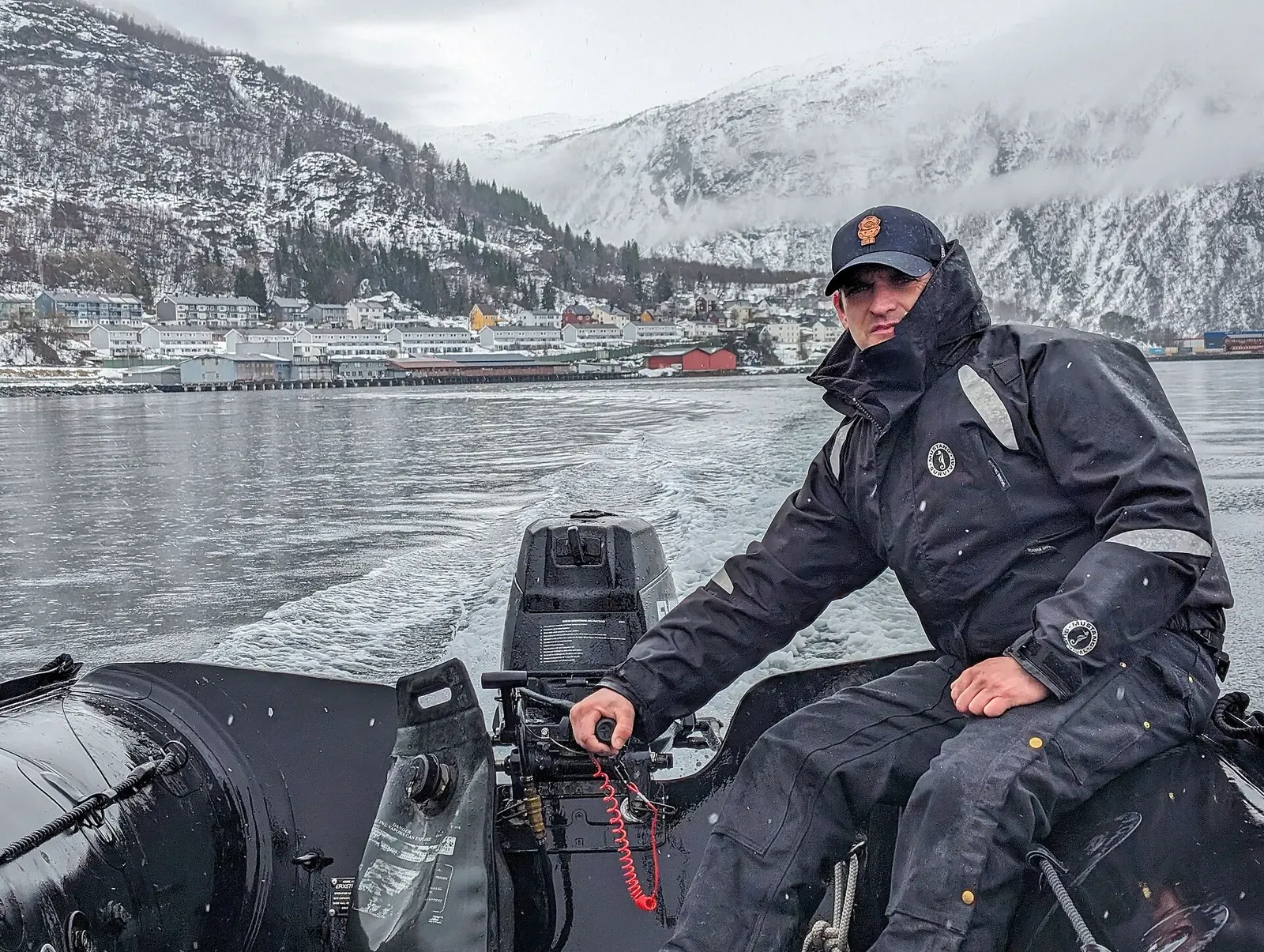
A German destroyer's bow rises to 10 m where she was run aground in 1940
Cold Water
Bornholm
Denmark
Granite walls and boulder fields — Denmark's only true rock diving
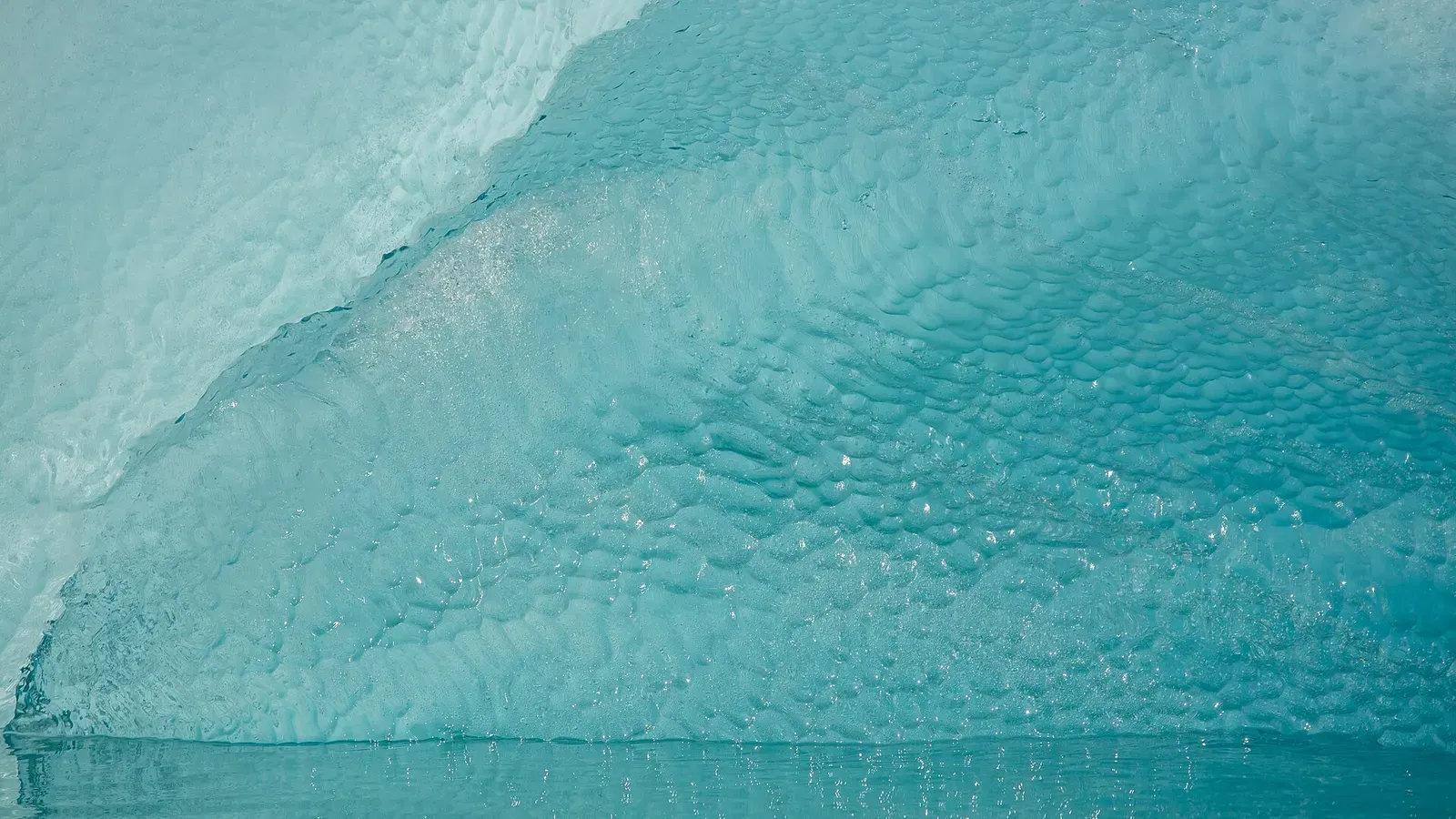
Walrus swim out to inspect divers at 78° north
.jpg)
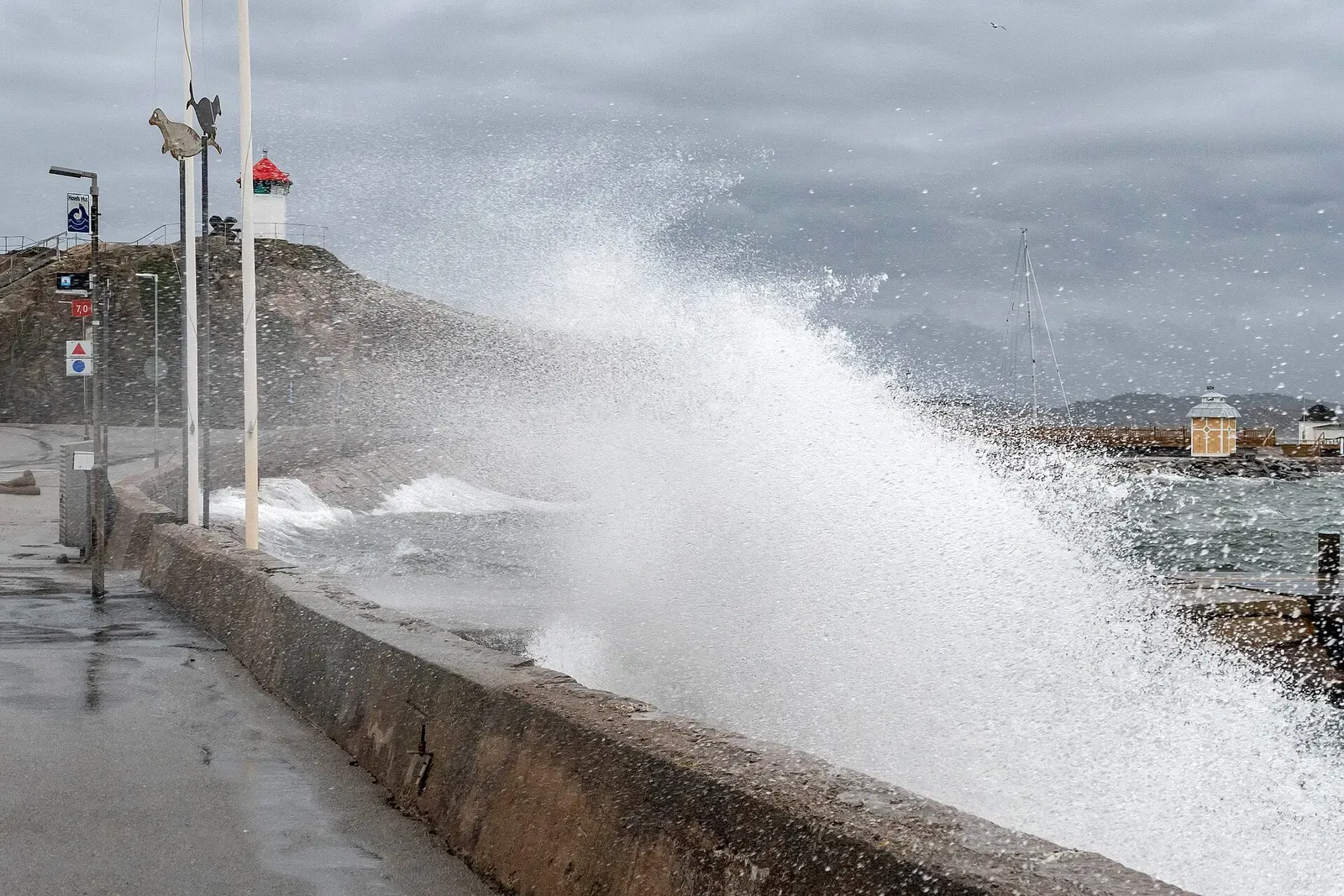
Sweden's only cold-water coral reefs, inside its first marine national park