Caribbean · Mexico
Riviera Maya Cenotes
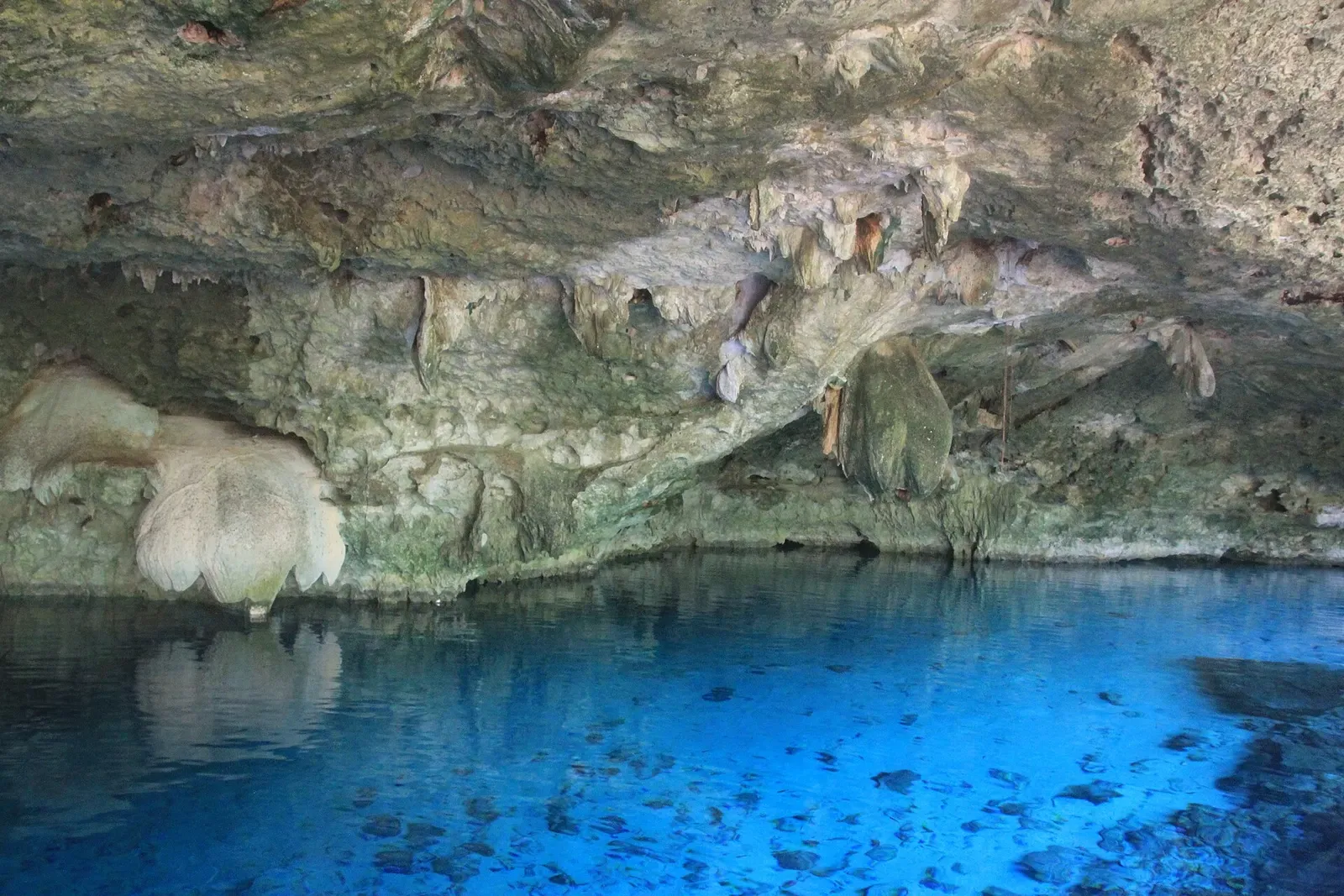
A hydrogen-sulphide cloud hangs at 30 m inside Cenote Angelita
Photo: diego_cue · CC BY-SA 3.0
The Yucatán has no rivers; its rainfall drains through limestone into the largest flooded cave network on earth, which surfaces in hundreds of cenotes between Puerto Morelos and Tulum. Guided cavern dives at Dos Ojos, Chac Mool and Gran Cenote stay inside the daylight zone, following permanent lines past stalactites drowned when sea levels rose. At Angelita a hydrogen-sulphide cloud hangs at 30 m like the surface of a second river, and haloclines shimmer where fresh water meets salt.
About diving in Riviera Maya Cenotes
A cenote day is a road trip. Operators collect divers in Playa del Carmen or Tulum, drive out to a gated track through the jungle, pay the landowner at the entrance and carry kit down wooden stairs to a platform at the water's edge. Groups stay small, four divers to a guide being the usual ceiling for cavern work, and the standard outing is two dives at one or two cenotes with a long surface interval in the shade between them. There is no boat, no swell and nothing to swim against, so the whole rhythm is slow and deliberate.
What you are diving is the upper edge of a cave system rather than a pond. The rock is porous limestone and the water filling it is rainfall filtered through the peninsula, which is why visibility runs to tens of metres and why the temperature barely shifts between January and July. The formations grew in open air, back when the water table sat far lower than it does now; submerged, they no longer grow, so anything broken off is gone for good. Daylight is the working boundary, and buoyancy is the whole skill: one careless fin stroke into the ceiling brings down a rain of percolation that can close a passage for everyone following.
The sites sort into a few types. Most are shallow galleries where the rock closes in on both sides, so the dive is about placing yourself precisely rather than covering ground, and gas lasts a long time at those depths. Open shafts are the opposite, a single vertical descent along a wall into the dark where the dive is built on light and depth rather than decoration, and where the sulphide layer sits at the edge of recreational limits. In between are the half-open channels fed by mangrove and jungle, where fresh water meeting salt smears the image into heat haze until you sink through into sharply defined water beneath.
This suits divers who are tidy in the water and content to be led. Most of the diving is shallow and none of it is fast, but the overhead is real and the limits around it are not negotiable, which is why guides watch trim and gas closely on a group's first dive and will call it early over either. Bring or rent a decent primary light, expect to be cool rather than cold across two long dives, and treat cenotes as a complement to salt-water days on the coast rather than a replacement, since the appeal is geology and light rather than animals.
When to dive Riviera Maya Cenotes
| Jan | Feb | Mar | Apr | May | Jun | Jul | Aug | Sep | Oct | Nov | Dec |
|---|---|---|---|---|---|---|---|---|---|---|---|
| Prime | Prime | Prime | Prime | Good | Good | Good | Good | Good | Good | Prime | Prime |
Divable year-round at a constant 25°C; the Nov–Apr dry season is clearest, while summer downpours can cloud shallow cenotes for a day or two.
Getting there
Fly into Cancún and base in Playa del Carmen or Tulum, with Puerto Morelos an option further north. Every dive is a shore entry reached by van, on tracks running inland off the coastal highway, so a two-dive day is long door to door. Each cenote charges its own entrance fee at the gate, usually cash in pesos. The Cozumel ferry leaves from Playa del Carmen if you want reef days too.
Wildlife calendar
Come for rock rather than fish. The daylight zones hold small freshwater fish and shrimp, bats roost above the air pockets and tree roots hang through the entrance pools, while the mangrove-fed cenotes have resident crocodiles that guides keep clear of. Nothing here runs on a season: November to April is simply the clearest, and summer rain clouds the shallow end of a cenote for a day or two.
Dive types & marine life
- Cenote
- Cave & cavern
- Freshwater
- Crocodiles
Notable dive sites in Riviera Maya Cenotes
Dos Ojos
Two linked cenotes with the Barbie Line and Bat Cave circuits at 10 m.
Angelita
Single shaft to 60 m with a sulphide cloud suspended at 30 m.
Casa Cenote
Open mangrove channel with a resident crocodile and a strong halocline.
Chac Mool
Cavern with light beams through the ceiling and a pronounced halocline.
Gran Cenote
Shallow, heavily decorated cavern used for most first cenote dives.
The Pit
Deepest cenote in the area, sulphide layer at 30 m and light shafts above.
Photos from Riviera Maya Cenotes
dronepicr · CC BY 2.0
dronepicr · CC BY 2.0
dronepicr · CC BY 2.0
Zhongqi Wang · CC BY 4.0
Dive videos
The World’s BEST Cave Dive (The Pit) · Adam Radcliffe on YouTube
CENOTE DIVING IN MEXICO! (4K) The Pit & Dos Ojos · Tom Nagel on YouTube
Photo credits
- Crystal-clear turquoise pool inside Cenote Dos Ojos, with limestone stalactites hanging from the cavern ceiling by diego_cue, CC BY-SA 3.0, via Wikimedia Commons
- Cave diver descending through beams of sunlight inside a Yucatan cenote by dronepicr, CC BY 2.0, via Wikimedia Commons
- Sunbeams piercing the water inside a limestone cenote, lighting up rock on the cavern floor by dronepicr, CC BY 2.0, via Wikimedia Commons
- Snorkelers swim through a turquoise mangrove channel at Casa Cenote, Mexico by dronepicr, CC BY 2.0, via Wikimedia Commons
- Two small characid fish with green and orange fins swimming in clear cenote water by Zhongqi Wang, CC BY 4.0, via Wikimedia Commons
Similar destinations
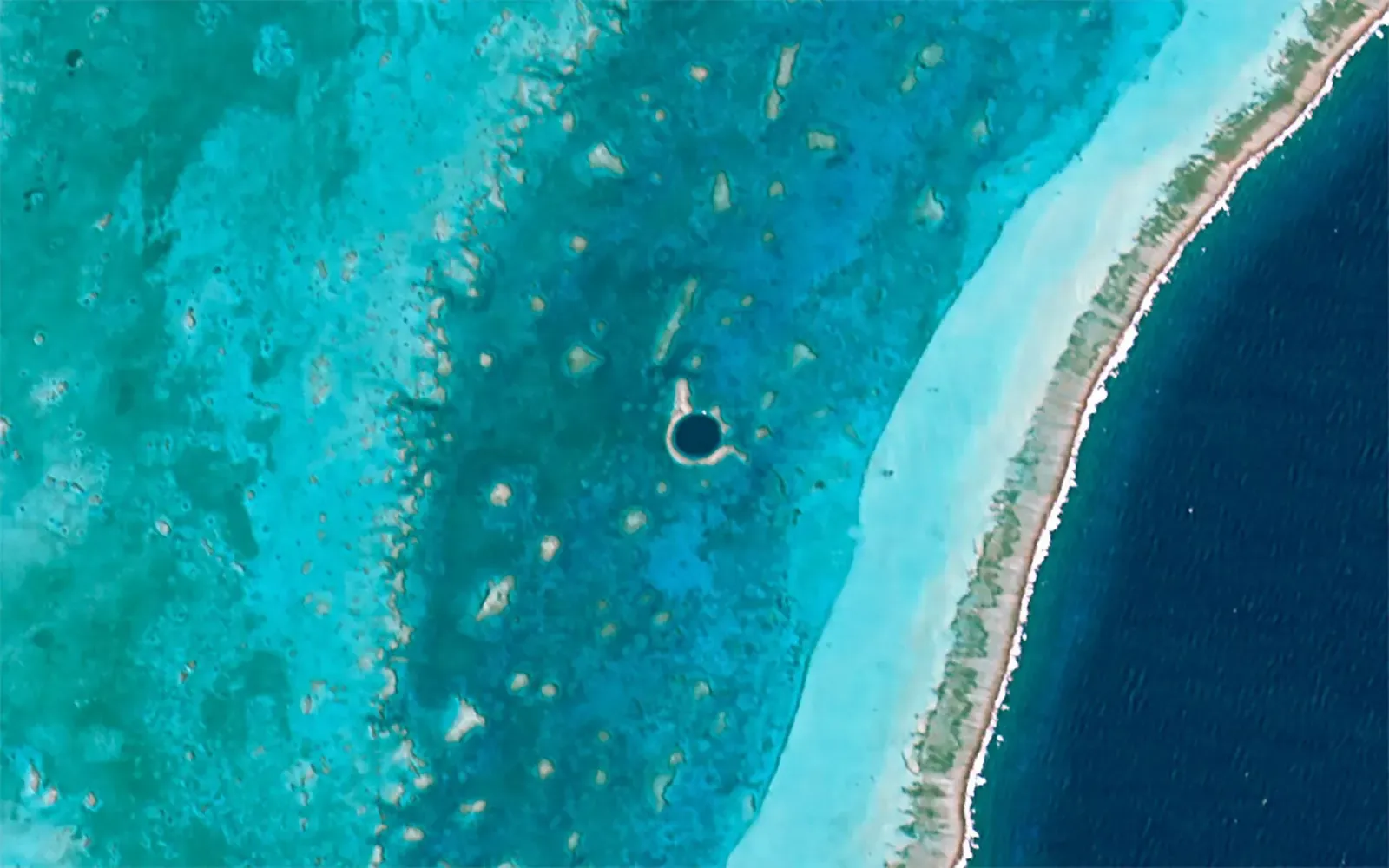
Descend into the Great Blue Hole, then hunt whale sharks at a spring snapper spawn
A Soviet frigate lies broken in two between 15 and 30 m
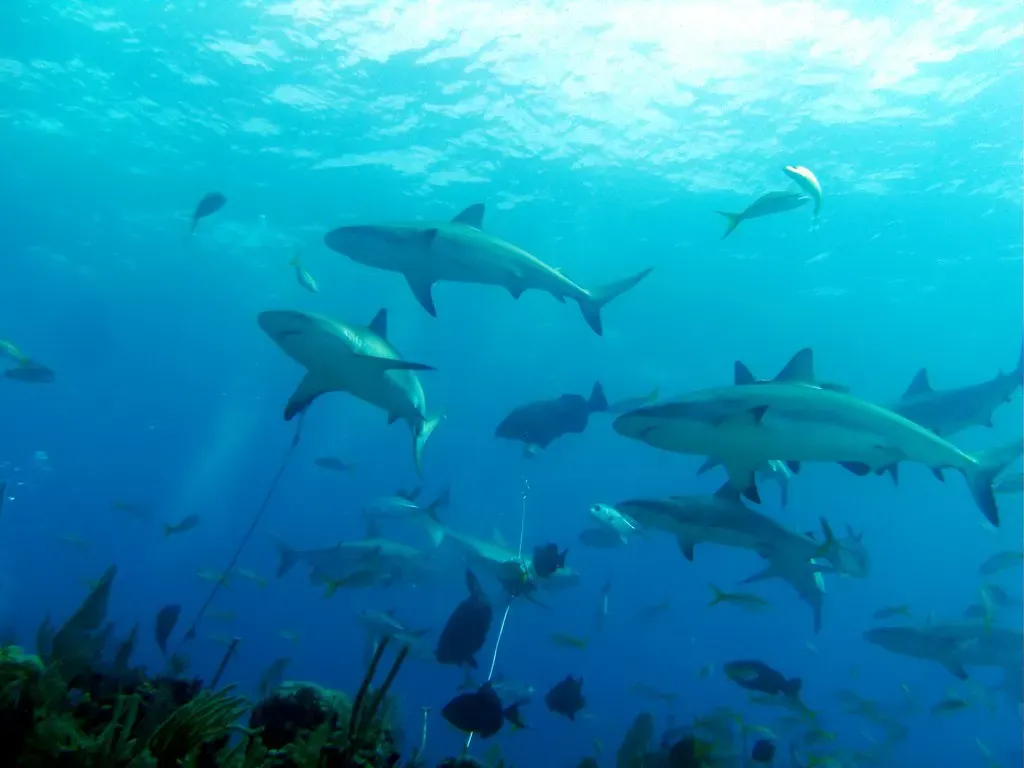

.jpg)
.jpg)
.jpg)

Descend into Angelfish Blue Hole, a vertical shaft opening onto a coral-rimmed cavern
Caribbean
María la Gorda
Cuba
Forests of black coral in a bay that is flat calm nearly every day