Mediterranean · Italy
Capo Caccia & Nereo Cave
The Mediterranean's largest sea cave, with entrances from 8 m to 33 m
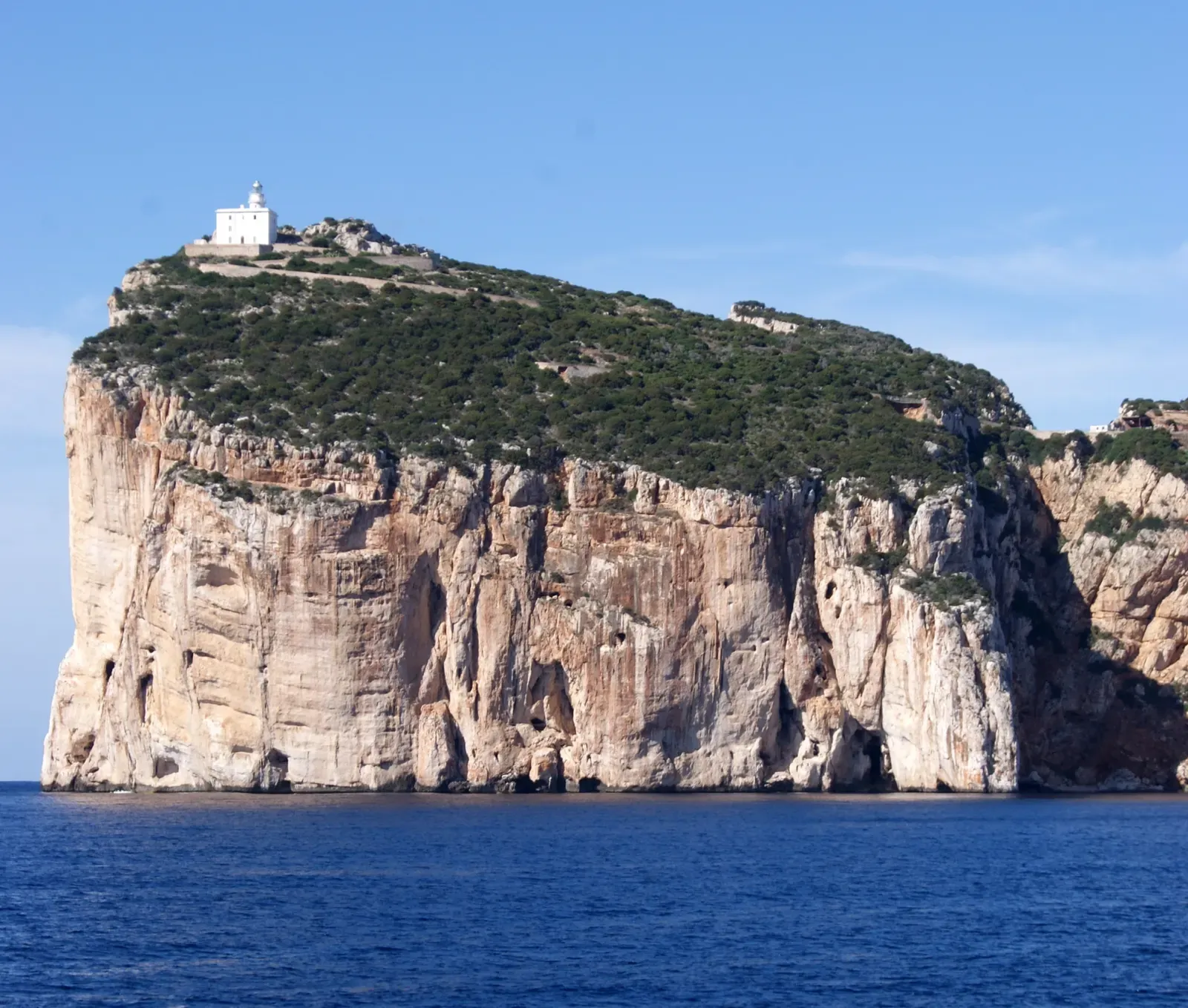
The limestone headland of Capo Caccia, near Alghero, drops 200 m into the sea and is hollowed through by the Grotta di Nereo, the largest sea cave in the Mediterranean — several hundred metres of interconnected tunnels with multiple entrances between 8 and 33 m. Divers pass through chambers hung with red coral and cup coral, surfacing in air pockets, and can complete circuits without ever leaving the daylight. Outside the cave, the cliff face continues underwater as sheer wall.
About diving in Capo Caccia & Nereo Cave
The cape sets the timetable. It faces the open north-west with nothing in front of it, so Alghero operators watch the forecast and take the cave days as they come; on a settled morning boats run the short distance under the cliffs to Nereo, and on a blown-out one they work sheltered water instead. A few wall sites can be entered from the shore, which is useful for filling a second dive, but the signature diving is boat-based.
What Nereo asks for is order rather than nerve. Operators run it in small groups behind a guide who knows which openings connect, and the sequence matters: with entrances spread between 8 and 33 m, the route is planned to work up towards the shallower exits rather than wander. Redundant lights are expected, and so is the buoyancy to move through a passage without putting a fin into growth that took decades to form. Without cavern training behind you, the walls outside are the better use of the day.
Those wall dives stand up on their own. Punta Cristallo and the falaise are vertical limestone worked as slow drifts with the stone on one shoulder and red gorgonians on the deeper sections, while the pierced islet of Isola Foradada is the easier option, a swim-through at about 15 m that also works as a night dive. The area suits divers who already hold cavern training or want a reason to get it, and photographers after red coral without going technical; anyone content on a wall still gets a full trip out of it if the cave is shut.
When to dive Capo Caccia & Nereo Cave
| Jan | Feb | Mar | Apr | May | Jun | Jul | Aug | Sep | Oct | Nov | Dec |
|---|---|---|---|---|---|---|---|---|---|---|---|
| Fair | Fair | Fair | Good | Good | Prime | Prime | Prime | Prime | Good | Fair | Fair |
May–Oct is the settled season; winter mistral and north-westerlies make the exposed cape unworkable for weeks at a time.
Getting there
Alghero-Fertilia airport is a short drive from Alghero itself, which is where nearly everyone bases; Olbia and Cagliari work with a longer transfer. Boats leave from Alghero and from the sheltered bay of Porto Conte under the cape. Some walls go from shore, but Nereo is reached by boat.
Wildlife calendar
Groupers patrol the wall ledges and are boldest in the prime June-to-September window, when barracuda and reef-fish shoals gather off the cape. Inside the tunnels it is macro work in torchlight, with nudibranchs and small invertebrates on the rock — but through the fair shoulder and winter months boats reach the exposed cape only on settled days.
Dive types & marine life
- Cave & cavern
- Wall
- Reef
- Night
- Groupers
- Octopus & cuttlefish
- Nudibranchs
- Reef fish swarms
- Macro critters
- Barracuda
Notable dive sites in Capo Caccia & Nereo Cave
Grotta di Nereo
The Mediterranean's biggest sea cave, a tunnel network at 8–33 m.
Punta Cristallo
Sheer limestone wall dropping past 40 m with red gorgonians.
Isola Foradada
Pierced islet off the cape with a large swim-through at 15 m.
Falaise di Capo Caccia
The cliff face continued underwater, dived as a deep wall drift.
Photos from Capo Caccia & Nereo Cave
Marco Busdraghi · CC BY-SA 3.0
Cqui · CC BY-SA 3.0
Dive videos
Cave Diving 05 GROTTA DI NEREO (Nereo's Cave) by © Antonello Porchedda · Antonello Porchedda Fotografia on YouTube
Photo credits
- Sheer limestone cliffs of Capo Caccia rising from deep blue sea, lighthouse on top by Teresa Grau Ros from Barcelona, CC BY-SA 2.0, via Wikimedia Commons
- Rugose squat lobster with long red arms among pale pebbles inside the Nereo Cave by Marco Busdraghi, CC BY-SA 3.0, via Openverse
- Stalactite-hung chambers and still water inside Neptune's Grotto at Capo Caccia by Cqui, CC BY-SA 3.0, via Wikimedia Commons
Similar destinations
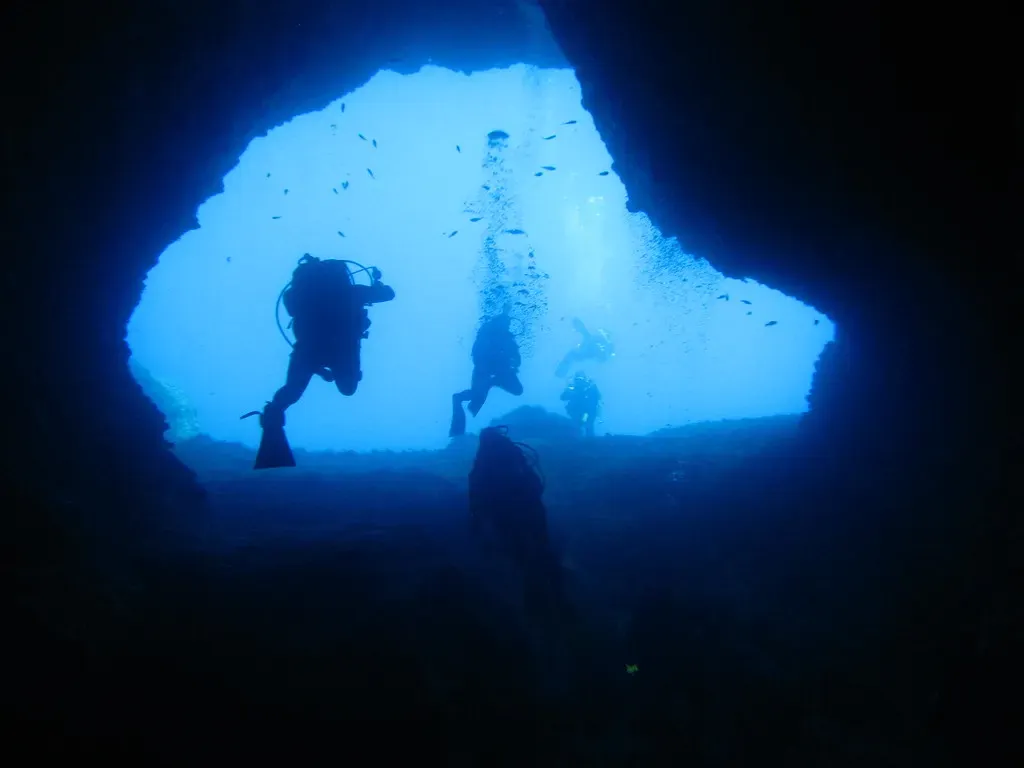
Fossil elephant tusks inside a cave whose entrance is now at 10 m
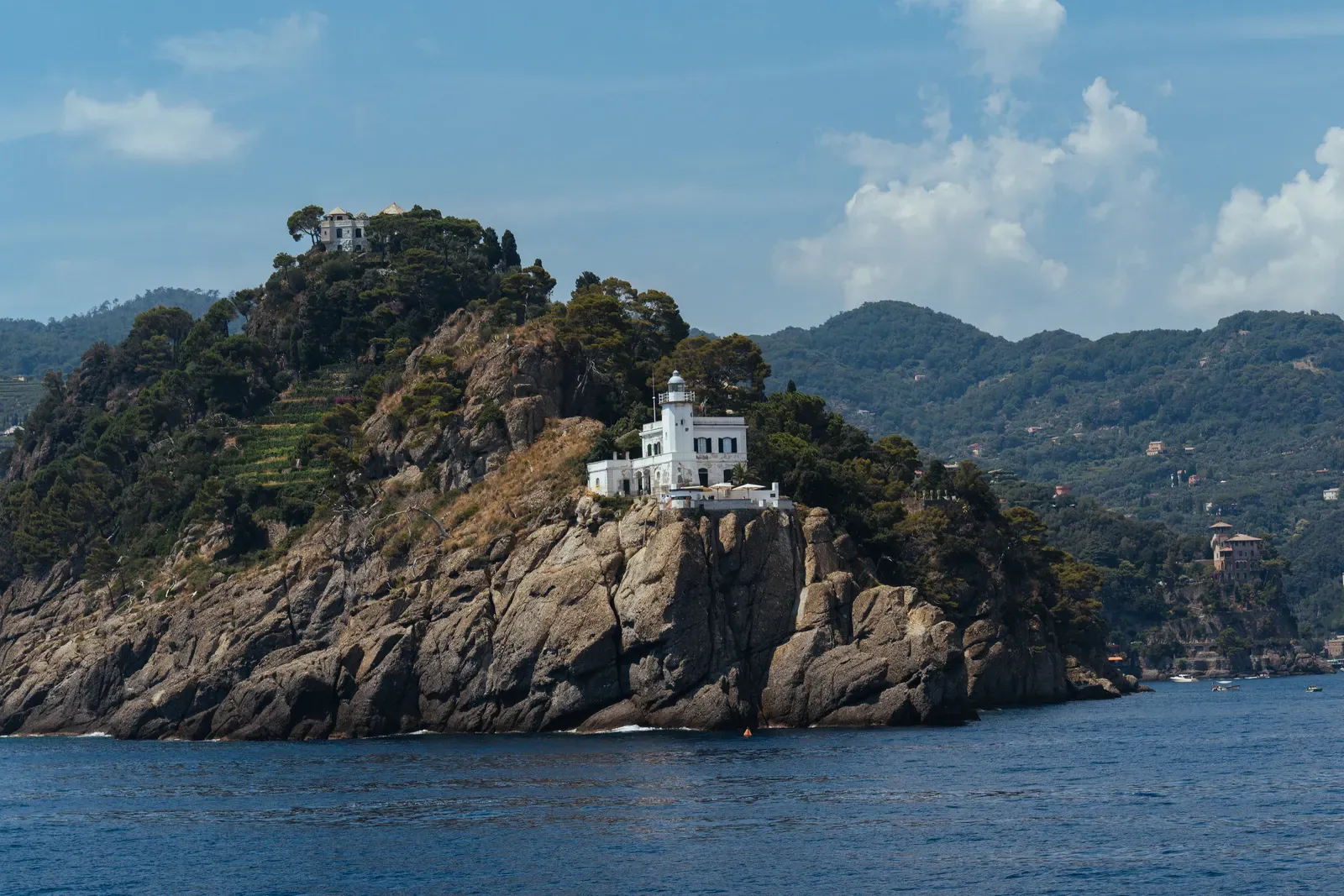
Red gorgonian forests below 25 m and a bronze Christ at 17 m
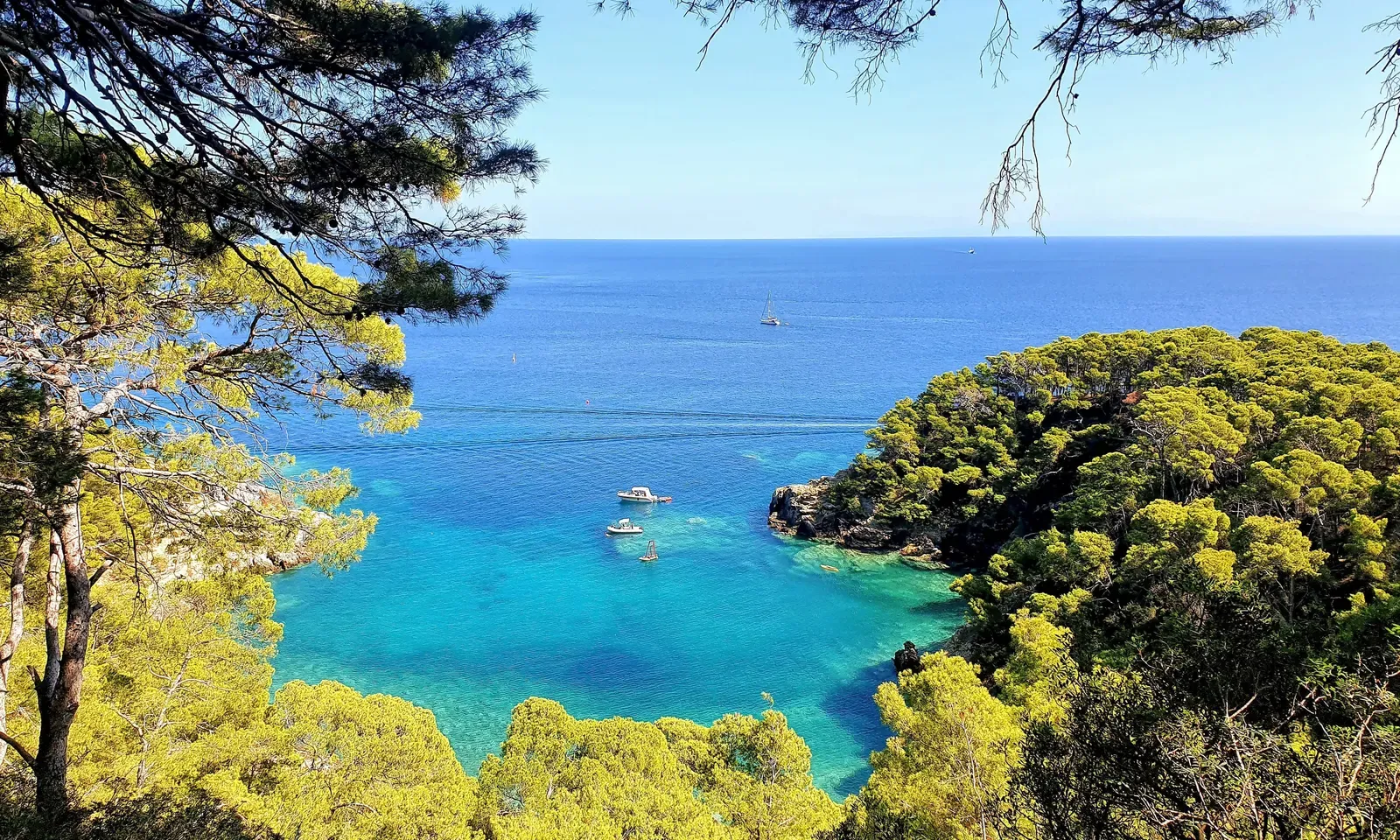
A bronze Padre Pio stands on a submerged rock at 14 m
_(34539645414).jpg)

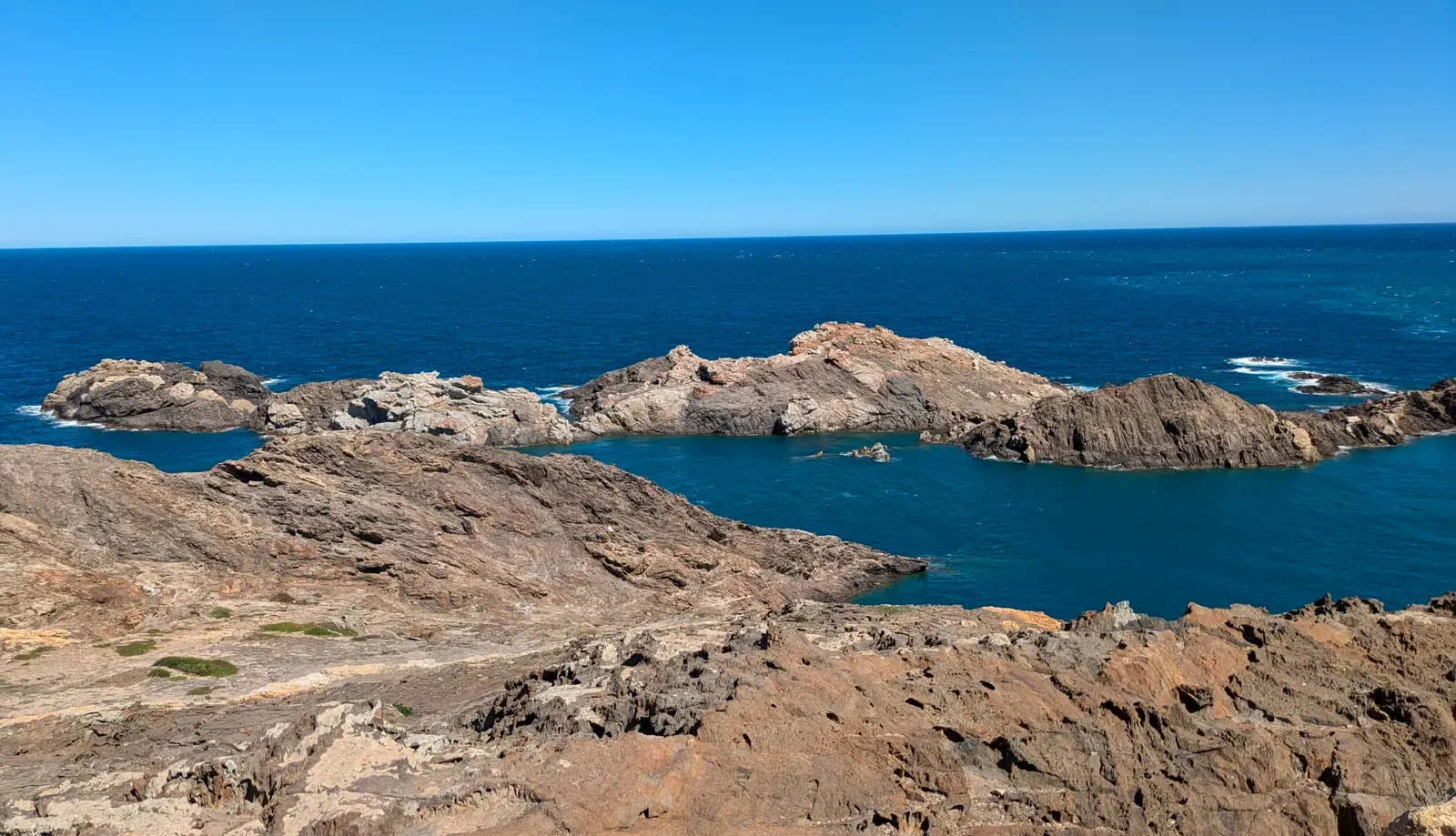
Schist walls, tunnels and red gorgonian fans at the Pyrenees' end