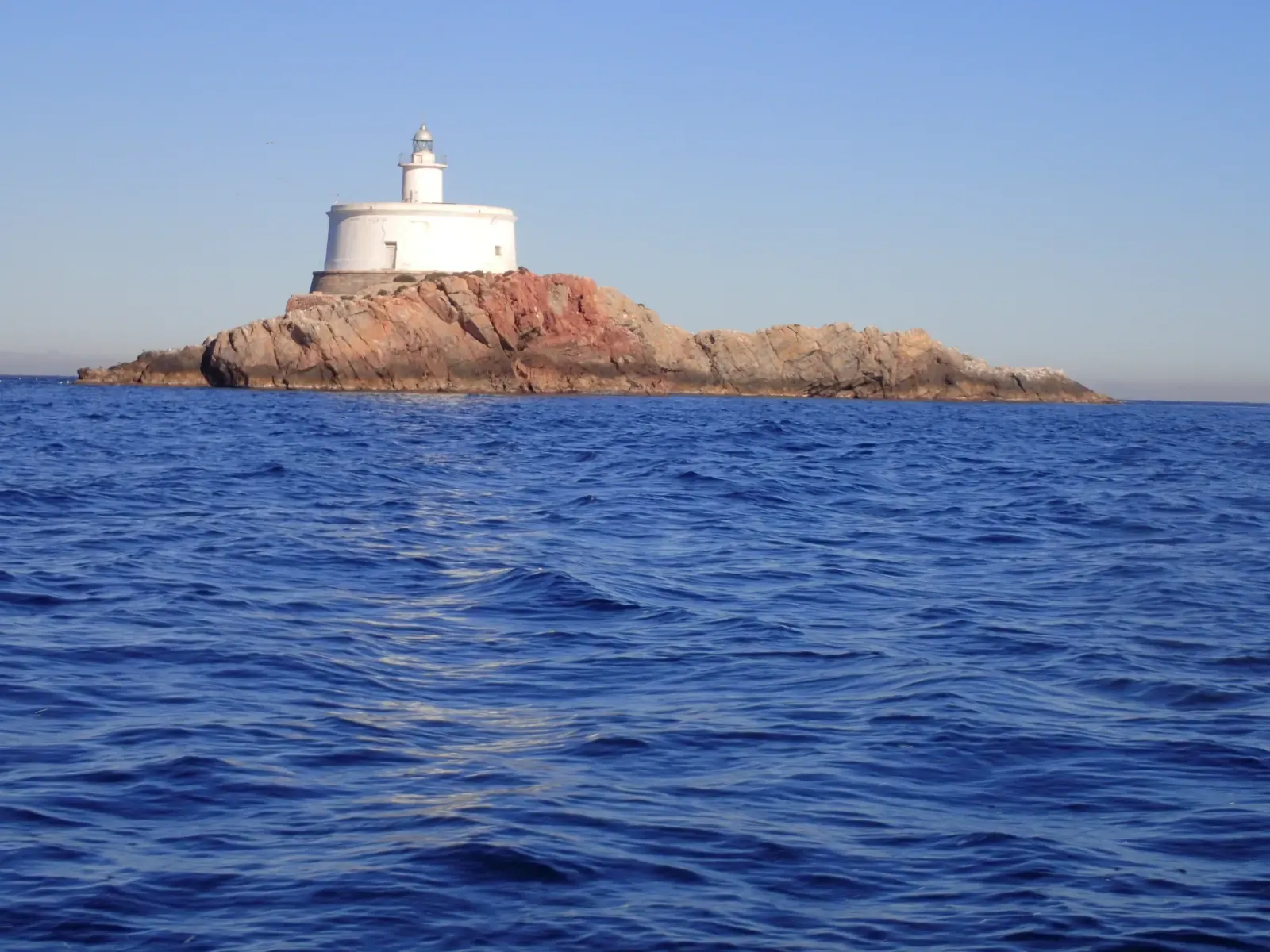
Mediterranean · Spain
Cabo de Palos & Islas Hormigas
Dusky groupers the size of car doors patrol two submerged mountains
Photo: Marta T López · CC BY-SA 4.0
Protected since 1995, the reserve off Cabo de Palos is the strongest argument in Spain for what a no-take zone does to a Mediterranean reef. Two submerged mountains, Bajo de Fuera and Bajo de Dentro, rise from 50 m to within a few metres of the surface, and their summits carry dusky groupers of a size seen almost nowhere else in the western Mediterranean, along with permanent barracuda schools and passing tuna. Three nineteenth- and twentieth-century wrecks lie on the flanks.
About diving in Cabo de Palos & Islas Hormigas
Everything is done by boat from the village harbour, and the reserve's rules shape the day: authorised centres, guided groups, mooring buoys on the summits rather than anchors, and a briefing that is as much about depth discipline as about the route. Descents run down a line, and the usual pattern is to take the deep flank first, then work back up the rock and finish in the shallows on top, where the fish are thickest and the safety stop sorts itself out.
Two seamounts do most of the work. Bajo de Dentro is the more manageable, a summit at around 12 m with walls falling to 40 m and barracuda and dentex stacked above it. Bajo de Fuera is the outer, more exposed mountain, rising from roughly 50 m to within a few metres of the surface, and it is where the reserve's reputation was made. Three wrecks lie on the flanks, the Sirio, the Naranjito and the Stanfield, and they are dives in their own right rather than detours from the rock.
The signature experience here is stationary. Dusky groupers that have not been hunted since 1995 sit out in the open and let divers approach, so a fish that is wary almost everywhere else in the western Mediterranean behaves as though it knows where the reserve boundary runs. Around them, barracuda hold in permanent schools over the summits and tuna cut past in open water, usually at the edge of visibility rather than close in.
This is not a beginner's destination. Current runs moderate and shifts with the wind and swell on exposed rock, the wrecks and the best fish action sit past 35 m, and easterlies cancel boats at any time of year. It suits experienced divers comfortable with deep, current-swept seamounts, and nitrox earns its keep across a two-dive day. Winter gives the clearest water but the coldest, while June to October brings the calmest crossings.
When to dive Cabo de Palos & Islas Hormigas
| Jan | Feb | Mar | Apr | May | Jun | Jul | Aug | Sep | Oct | Nov | Dec |
|---|---|---|---|---|---|---|---|---|---|---|---|
| Fair | Fair | Fair | Good | Good | Prime | Prime | Prime | Prime | Prime | Good | Fair |
Jun–Oct has the warmest water and the calmest crossings; winter is clearest but cold, and easterly winds close the seamounts year-round.
Getting there
Alicante is the usual arrival airport, with Murcia closer and Cartagena the nearest city of size. Diving is boat-only from Cabo de Palos village, where the operators cluster by the harbour. Plan around the wind, as easterlies close the seamounts at short notice.
Wildlife calendar
Dusky groupers are resident and seen on most dives; barracuda hold in permanent schools over the summits, and tuna pass through open water, most often across the warm June to October stretch. Octopus and cuttlefish work the shallower rock, and nudibranchs are best in the cold, clear months at either end of the year.
Dive types & marine life
- Seamount
- Wall
- Wreck
- Reef
- Drift
- Groupers
- Barracuda
- Tuna
- Octopus & cuttlefish
- Nudibranchs
- Reef fish swarms
Notable dive sites in Cabo de Palos & Islas Hormigas
Bajo de Fuera
The outer seamount, rising from 50 m to 6 m, with the largest groupers.
Bajo de Dentro
Inner seamount at 12–40 m, thick with barracuda and dentex.
Naranjito
Cargo ship sunk in 1946 with a load of oranges, lying at 25–45 m.
Sirio
Italian liner wrecked in 1906, broken across 20–60 m of the reserve.
Stanfield
British steamer lost in 1899, deep on the seamount flank past 40 m.
Isla Hormiga
The islet itself, with shallower walls used when the swell is up.
Photos from Cabo de Palos & Islas Hormigas
Jouni Kuisma, DiveCodex · CC BY-SA 4.0
Jouni Kuisma, DiveCodex · CC BY-SA 4.0
Jouni Kuisma, DiveCodex · CC BY-SA 4.0
Pimawipa · CC BY-SA 4.0
Dive videos
BUCEO EN CABO DE PALOS 🐳 4K *Mediterráneo Salvaje* · Oceanovideo on YouTube
DIVING CABO PALOS PECIO NARANJITO · PATXI URUBURU on YouTube
Photo credits
- White lighthouse on the rocky islet of Isla Hormiga surrounded by deep blue sea by Marta T López, CC BY-SA 4.0, via Openverse
- Pink Edmundsella pedata nudibranch on a rocky ledge with blue water behind by Jouni Kuisma, DiveCodex, CC BY-SA 4.0, via Openverse
- Long-legged spider crab camouflaged among yellow cluster anemones on the reef by Jouni Kuisma, DiveCodex, CC BY-SA 4.0, via Openverse
- Pale lace-like Neptune bryozoan colony on an algae-covered rock face by Jouni Kuisma, DiveCodex, CC BY-SA 4.0, via Openverse
- Cabo de Palos lighthouse standing on a rocky headland above a calm cove by Pimawipa, CC BY-SA 4.0, via Wikimedia Commons
Similar destinations
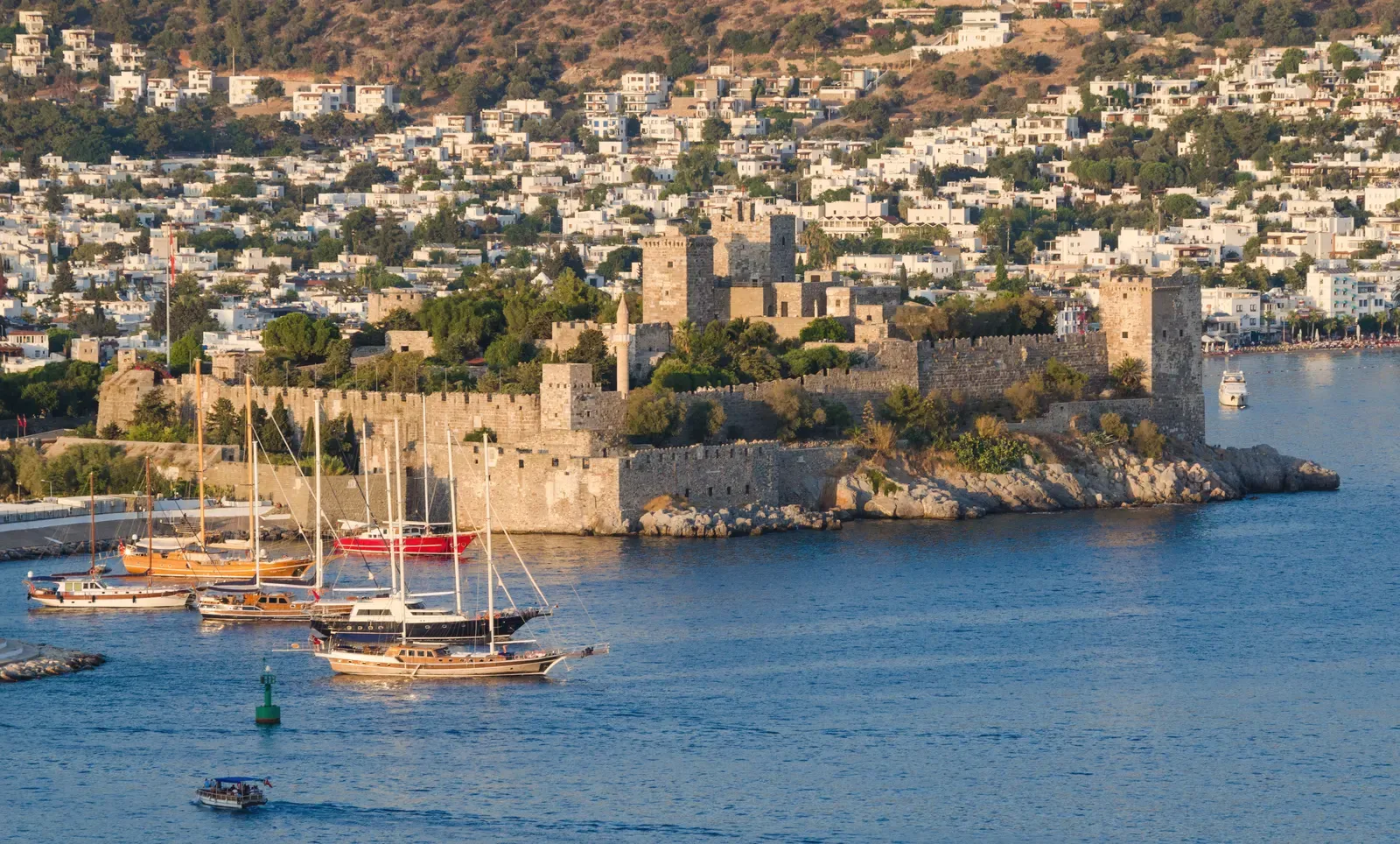
A hot spring vents into the sea off Karaada's caves
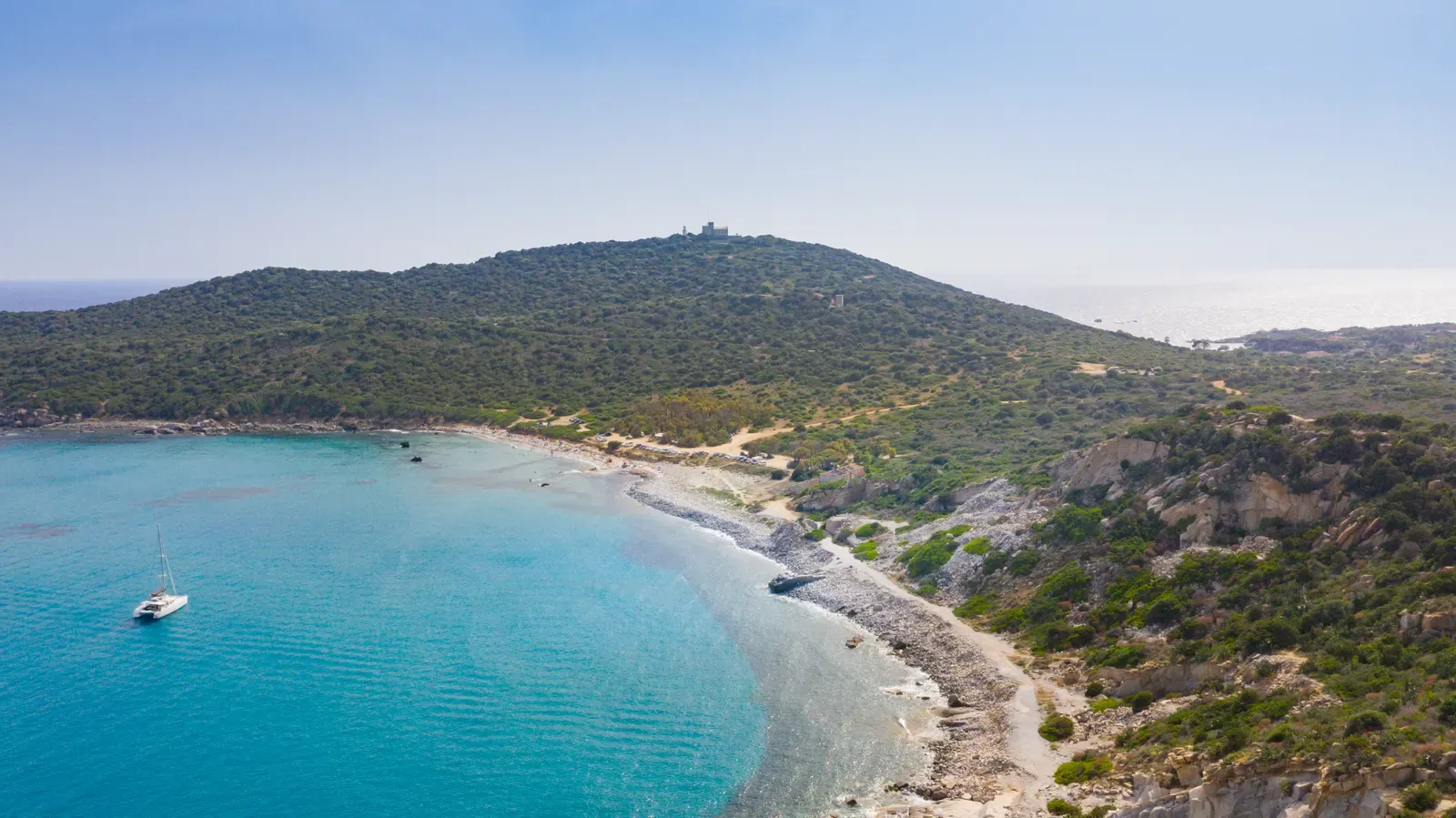
Granite seamounts rising to the surface off Sardinia's south-east corner
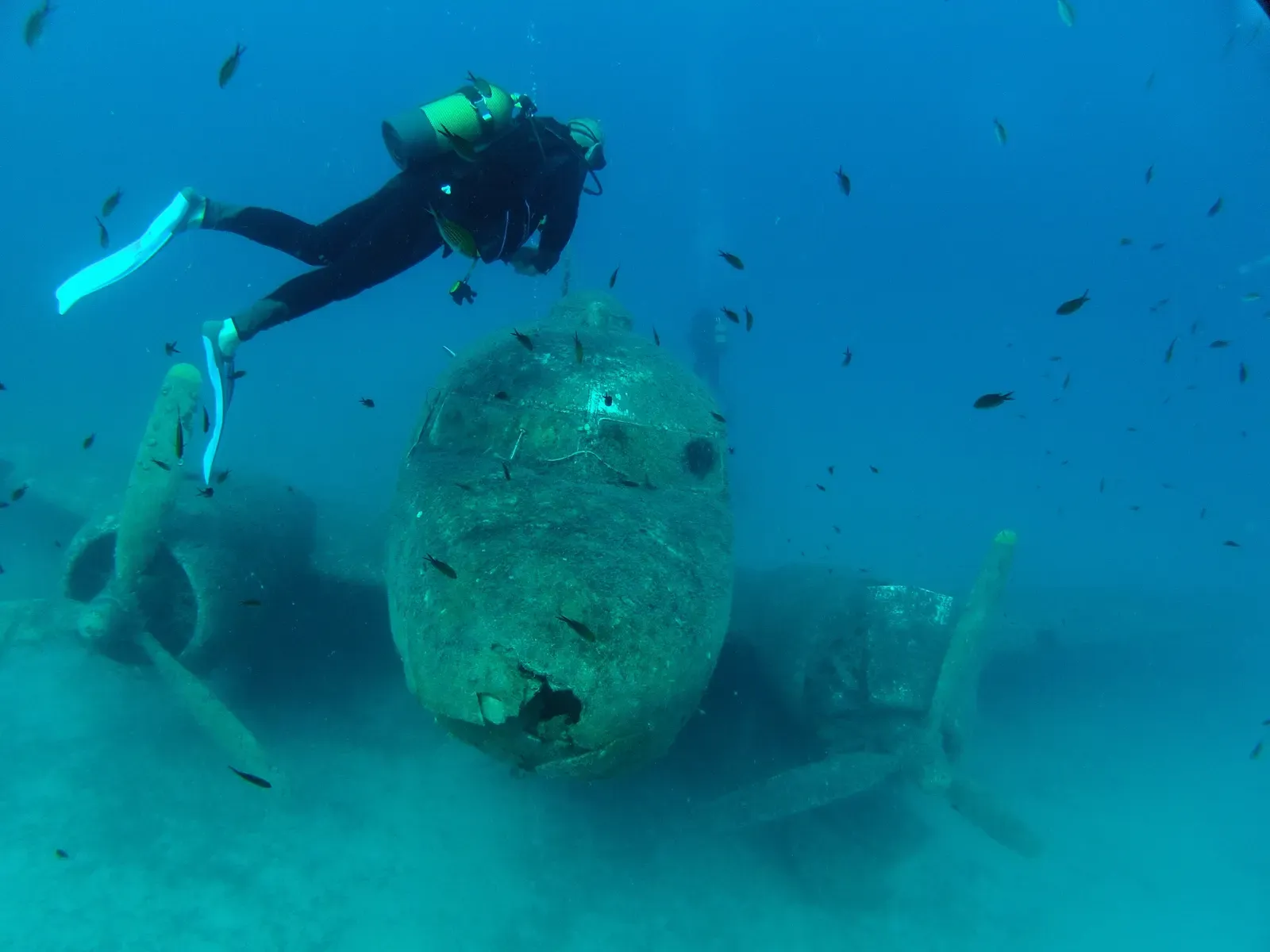
A sunken DC-3 and a replica Bronze Age ship on the Lycian coast

Where Cousteau ran the first underwater archaeological dig in 1952