Australia & New Zealand · Australia
Eaglehawk Neck
Weedy seadragons drift through cold-water kelp forests off the Tasman Peninsula.
Photo: ElPhantomero · CC BY-SA 4.0
Eaglehawk Neck sits on Tasmania's Tasman Peninsula, where cold, nutrient-rich water supports dense kelp forests, sea caves and steep granite walls. Waterfall Bay's Cathedral Cave is a large sea cavern divers can swim through, the offshore Hippolyte Rocks pinnacle draws pelagic fish and a fur seal colony, and the peninsula is one of the most reliable places in the world to find weedy seadragons drifting through the kelp.
About diving in Eaglehawk Neck
Days here are short-run boat diving with a shore fallback. Small boats launch from the ramp at Pirates Bay, the sites are close enough that transit is measured in minutes, and where you go is decided on the morning's swell rather than the night before. When the exposed coast is unworkable, the sheltered entries take over and the day carries on. Thermal kit shapes the logistics more than anything else: drysuits or thick wetsuits with hood and gloves, and something hot between dives.
The topography is the cliff line continuing underwater. The coast drops in tall columns and the rock keeps going below the surface as vertical faces and boulder slopes, most of it inside 30 m, cut in places by sea caves and archways — some with entrances at or below the waterline. They open into dark chambers that need torches and fill with surge when there is any swell running, so access is a daily judgement call rather than a fixed item on the schedule. The shallower shelves carry the kelp.
The kelp itself is worth understanding before you go. The tall giant-kelp canopies that once ran along this coast have thinned badly over recent decades, enough that what survives is listed as a threatened community, but dense stands of shorter kelp still cover the shallow reef and hold most of the small life. Searching them is slow work along the edges and sand margins, head down, which is how weedy seadragons are usually found: hanging motionless in the fronds and easy to swim straight past.
The offshore pinnacle is the counterweight to all that. Getting out to it needs a genuinely calm day, and it trades kelp and macro for exposed rock, moving fish and fur seals that come to inspect divers rather than the other way around. Between the two extremes, the area suits divers who already own cold-water habits and want structure and character over warmth and visibility. Blown-out days get filled on land, with Tasman Arch and the Devils Kitchen minutes from the ramp and the Port Arthur historic site up the road.
When to dive Eaglehawk Neck
| Jan | Feb | Mar | Apr | May | Jun | Jul | Aug | Sep | Oct | Nov | Dec |
|---|---|---|---|---|---|---|---|---|---|---|---|
| Prime | Prime | Prime | Good | Good | Fair | Fair | Fair | Good | Good | Good | Prime |
Summer (Dec–Mar) brings the calmest seas and best boat access to exposed sites; winter swell restricts trips to Hippolyte Rocks and Cathedral Cave.
Getting there
Hobart is the gateway airport, a little over an hour's drive from the Tasman Peninsula. Most divers stay at Eaglehawk Neck, Taranna or Port Arthur rather than commuting each morning. Boats launch from the ramp at Pirates Bay for short runs along the cliffs, and the sheltered shore entries inside the bay are the fallback when swell shuts the exposed sites down.
Wildlife calendar
Weedy seadragons are resident in the kelp and along sand margins year-round, with males carrying eggs under the tail through the warmer months. Australian fur seals hold at the offshore pinnacle in any season, though reaching them depends on a settled day, which is part of why December to March rates highest. Nudibranchs, cuttlefish, octopus and stingrays work the shallow reef all year.
Dive types & marine life
- Kelp forest
- Wall
- Cave & cavern
- Reef
- Weedy seadragons
- Seals & sea lions
- Nudibranchs
- Octopus & cuttlefish
- Macro critters
- Reef fish swarms
- Stingrays
Notable dive sites in Eaglehawk Neck
Waterfall Bay (Cathedral Cave)
Large sea cavern divers can swim through beneath the cliffs.
Hippolyte Rocks
Offshore granite pinnacle with a fur seal colony and pelagic visitors.
Pirates Bay
Sheltered shore-entry site inside Eaglehawk Neck.
Fortescue Bay
Kelp-forest bay with easy boat and shore access.
Photos from Eaglehawk Neck
JJ Harrison · CC BY-SA 3.0
Richard Horvath · CC BY-SA 3.0
JJ Harrison · CC BY-SA 3.0
Annette Teng · CC BY 3.0
Dive videos
Diving tour of Cathedral Cave, Tasman Peninsula, Tasmania, Australia · Eaglehawk Dive Centre on YouTube
Diving Eaglehawk Neck, Tasmania. · Dirtbikes and Diving on YouTube
Photo credits
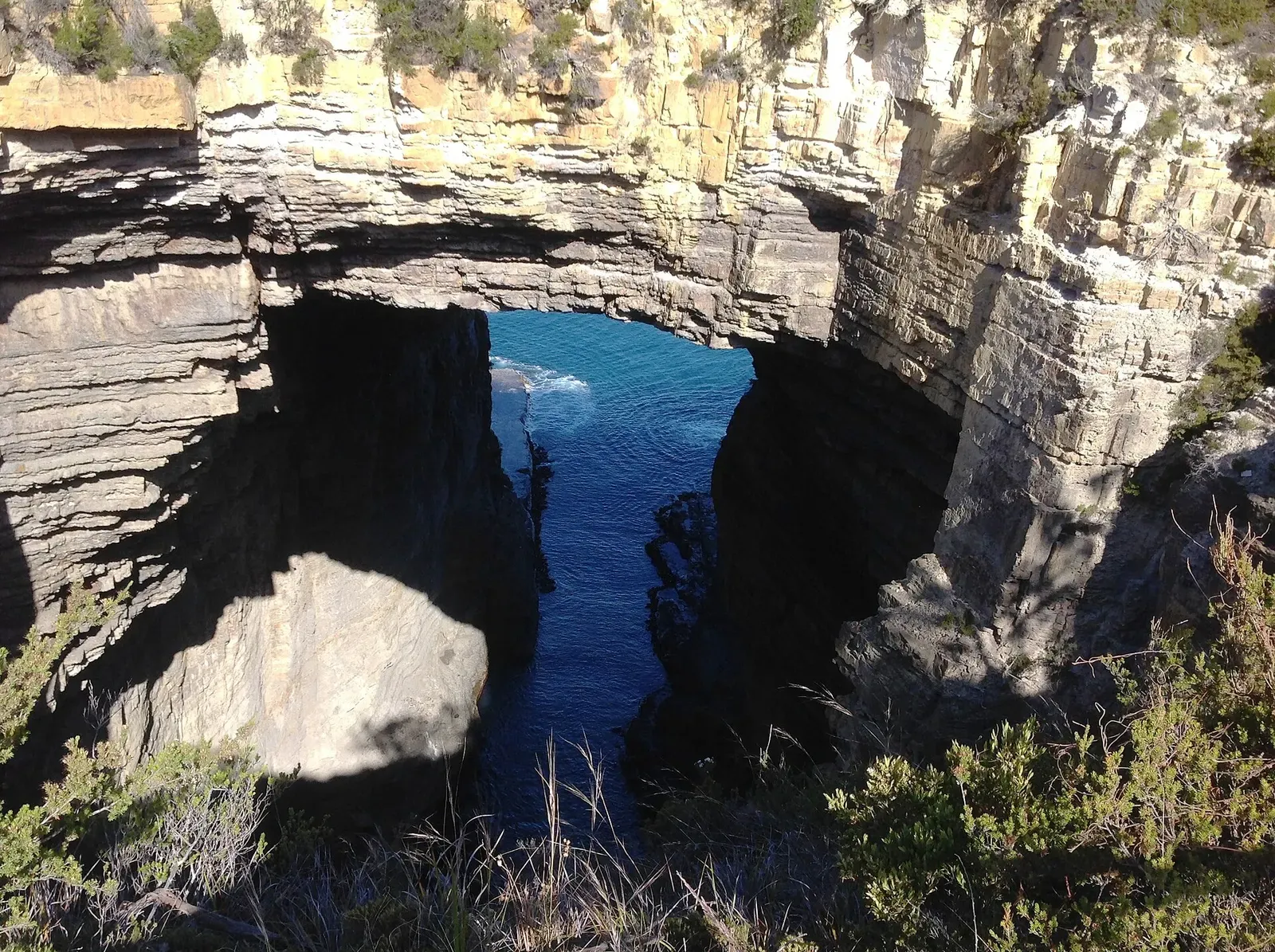
- Tasman Arch, a collapsed sea cave forming a natural rock bridge over turquoise water near Eaglehawk Neck. by ElPhantomero, CC BY-SA 4.0, via Wikimedia Commons
- Waves crash into a rocky inlet at Fossil Bay on the Tasman Peninsula near Eaglehawk Neck. by JJ Harrison, CC BY-SA 3.0, via Wikimedia Commons
- Steep granite cliffs drop into the sea along the Eaglehawk Neck coastline, Tasmania. by Richard Horvath, CC BY-SA 3.0, via Wikimedia Commons
- Long-exposure view of mist and sea swirling around rock stacks at Fossil Bay, Tasman Peninsula. by JJ Harrison, CC BY-SA 3.0, via Wikimedia Commons
- A seabird flies past a sandstone cliff overlooking the open ocean near Eaglehawk Neck, Tasmania. by Annette Teng, CC BY 3.0, via Wikimedia Commons
Similar destinations
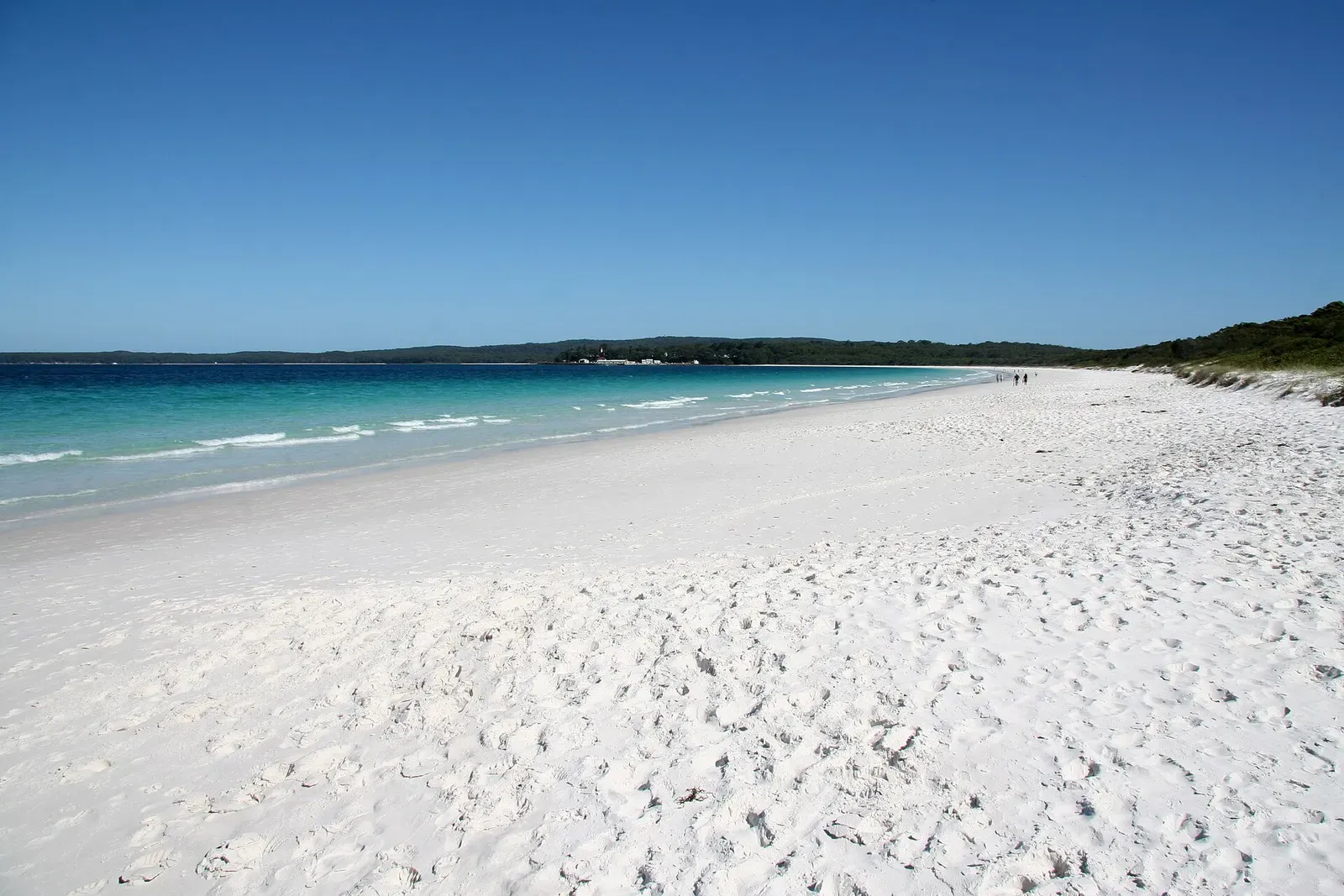
White quartz sand lifts the light over temperate sponge gardens
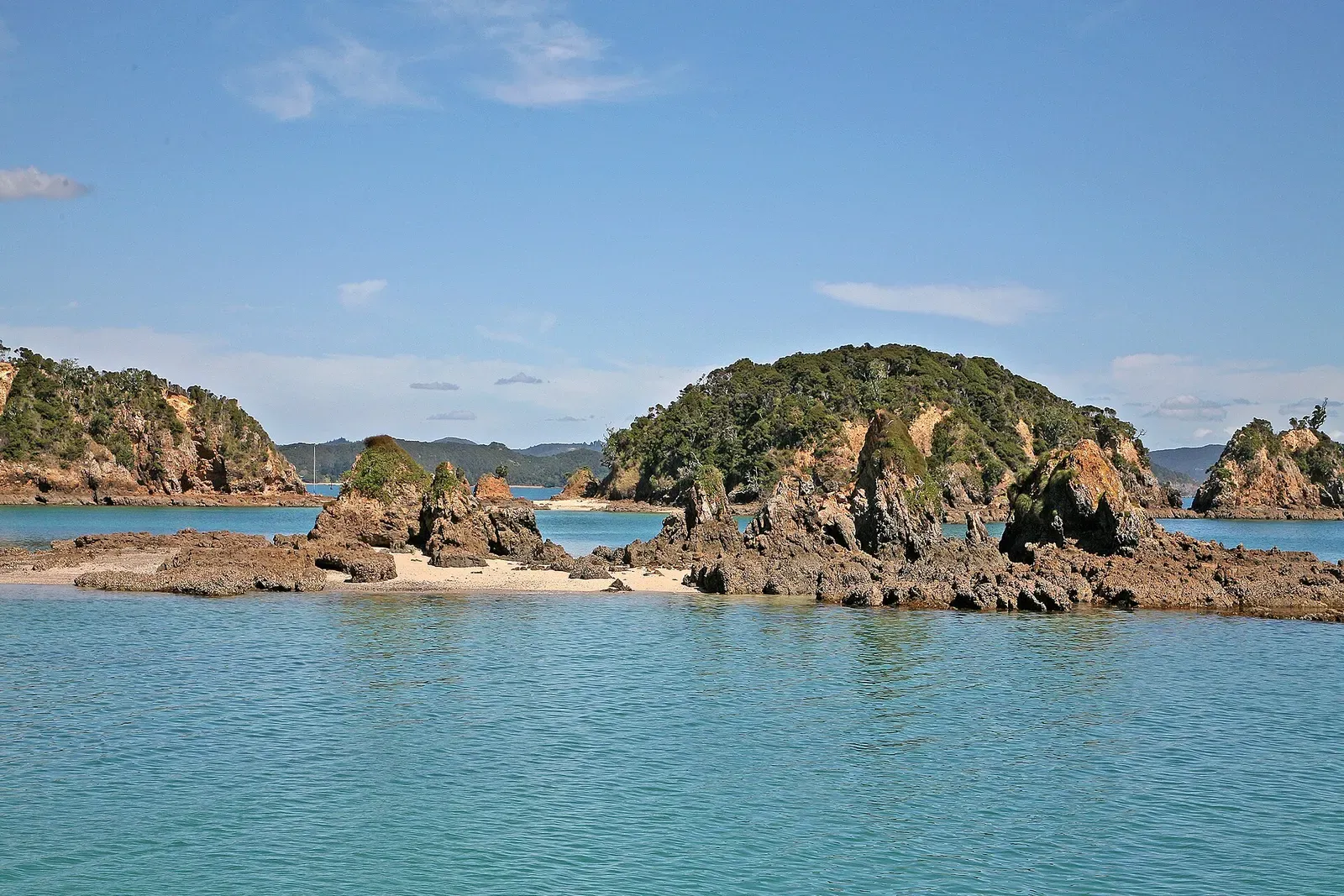
The scuttled Rainbow Warrior under a coat of jewel anemones at 26 m
A thousand fur seals, and the juveniles come out to play with divers
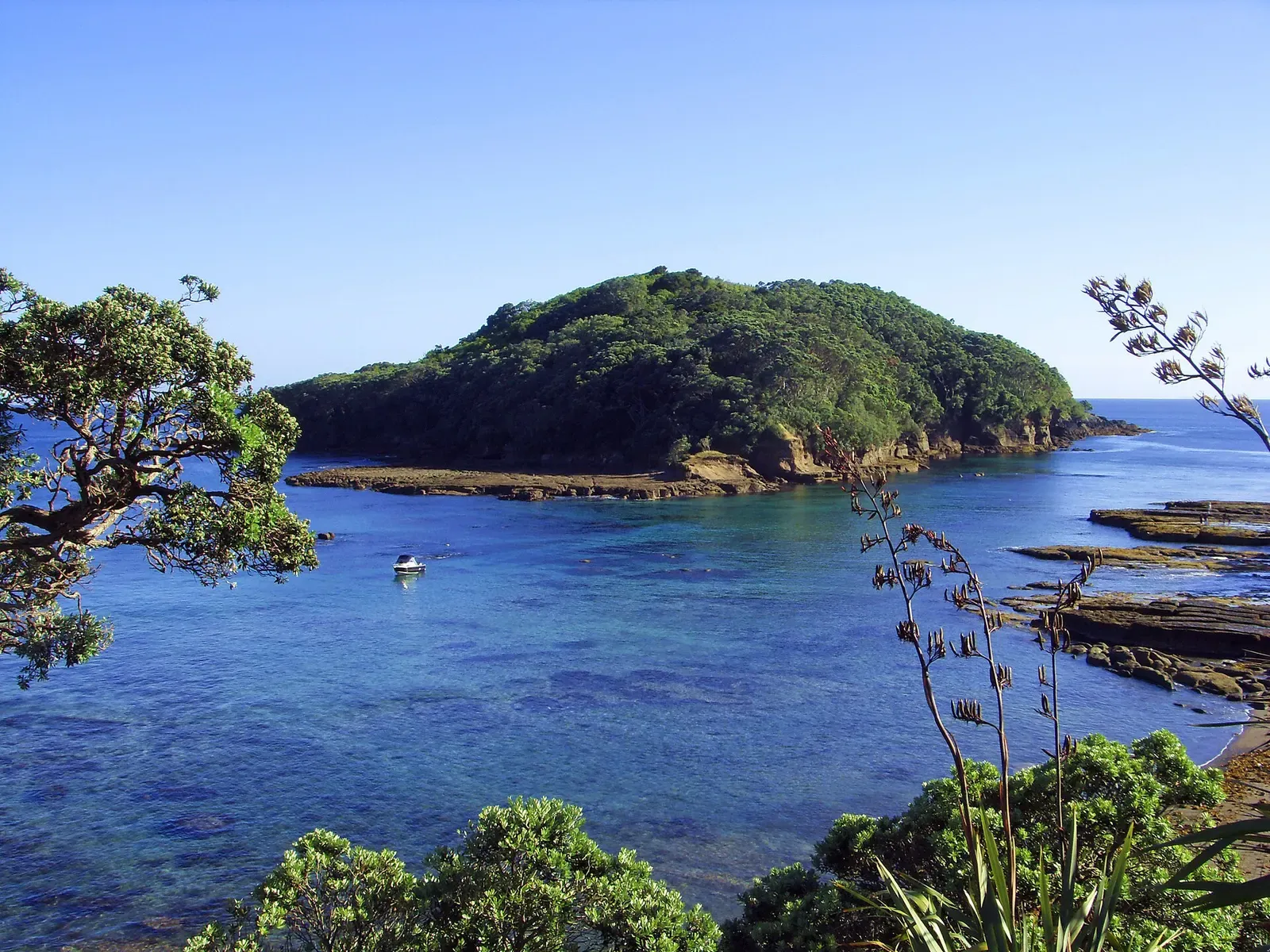


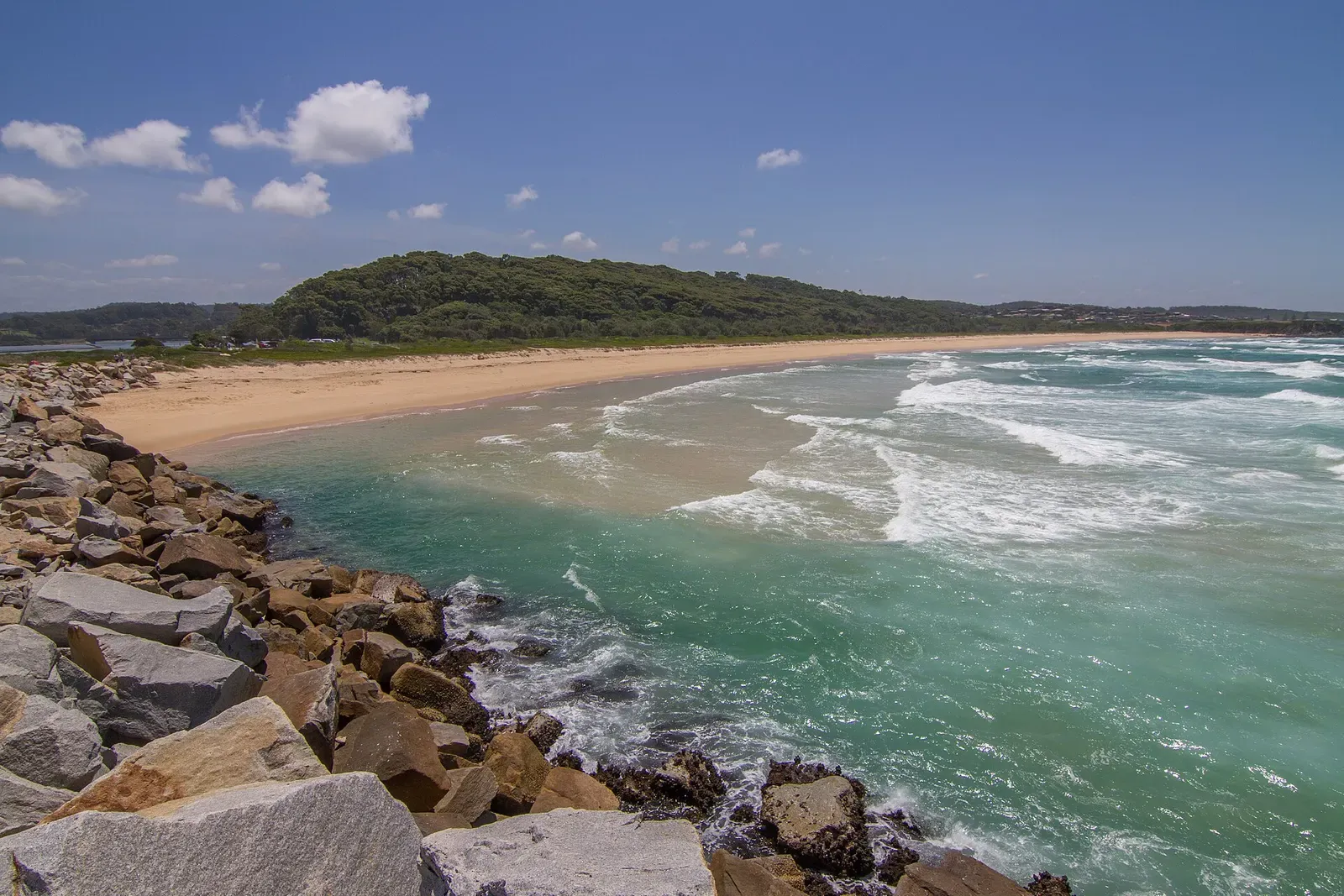
New Zealand's first marine reserve, and the snapper have stopped running