Australia & New Zealand · New Zealand
Goat Island — Leigh
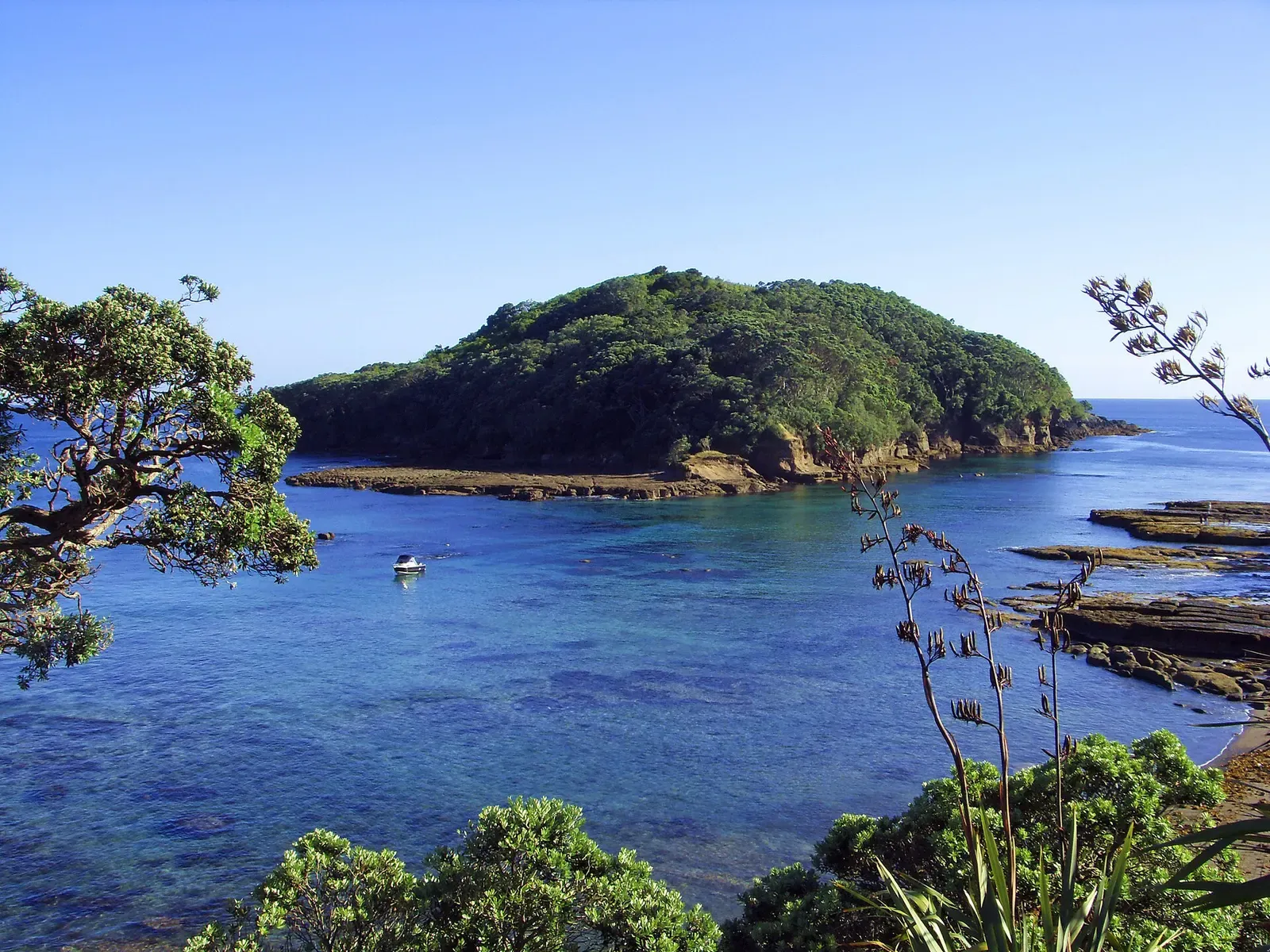
New Zealand's first marine reserve, and the snapper have stopped running
Photo: Korkut Tas · CC BY-SA 3.0
Cape Rodney-Okakari Point became New Zealand's first marine reserve in 1975, over local objection, and it went on to become the most-studied stretch of coast in the country and the argument that convinced New Zealand to protect more. Snapper that were fished out returned in numbers and lost their fear of people; crayfish crowd the ledges. Everything is a shore entry off a sand beach, in kelp and boulder reef between 5 and 20 m.
About diving in Goat Island — Leigh
There is no boat to catch and no schedule to keep, which is much of the appeal. Divers park above the bay, carry gear down to the sand and walk in, so the day is set by the drive rather than a departure time. Air fills and hire gear come from the dive shop at Leigh, a few minutes up the road. The University of Auckland's Leigh Marine Laboratory sits on the headland above the bay with a public marine discovery centre alongside it, and a good deal of the long-run monitoring of this coast has come off that site.
The channel between the beach and the island is narrow and shallow, and it is the forgiving half of the reserve: boulder reef and sand in the lee, swimmable across, diveable in most weather. The seaward side is the opposite. Northeasterly swell lands on it directly, so the archway and the outer pinnacle only go on settled days, and they are where the water actually moves. In between, kelp forest thins into sponge-covered rock as you drop.
The reserve's argument is legible on the rock itself. Researchers working out of Leigh have linked the return of large predators to the retreat of the urchin barrens that once stripped this coast — fewer grazing kina, more kelp — and a single dive can still cross from bare grazed stone into standing forest. It suits trainees, snorkellers and macro photographers, and anyone wanting a low-commitment dive close to a city. It does not suit divers after depth or structure, and the largest animal you are likely to meet is a stingray.
Summer weekends are the one real catch. The car park fills early, the shallows fill with snorkellers and school groups, and the entry zone gets stirred up as the day goes on. Going at first light, or on a weekday, changes the dive completely. Winter is colder and quieter, with more days when the seaward sites are unworkable, so the channel becomes the default rather than the warm-up.
When to dive Goat Island — Leigh
| Jan | Feb | Mar | Apr | May | Jun | Jul | Aug | Sep | Oct | Nov | Dec |
|---|---|---|---|---|---|---|---|---|---|---|---|
| Prime | Prime | Prime | Good | Good | Fair | Fair | Fair | Good | Good | Good | Prime |
Jan–Apr is warmest and clearest as the East Auckland Current pushes south; winter is cold, green and often blown out.
Getting there
Leigh is roughly ninety minutes north of Auckland by road via Warkworth, and there is no direct public transport — drive. Diving is shore-based off the beach in Goat Island Bay; operators run short boat trips out to the far side of the island, and a glass-bottom boat serves snorkellers. Stay in Leigh or Matakana.
Wildlife calendar
Snapper appear within minutes of the entry, and blue maomao and sweep school around the archway. Short-tailed stingrays work the sand and the channel in late summer, January into April, when the water is warmest. Octopus and nudibranchs are on the boulder reef year-round, and night dives bring out squid and crayfish on the move.
Dive types & marine life
- Kelp forest
- Reef
- Wall
- Night
- Reef fish swarms
- Macro critters
- Nudibranchs
- Octopus & cuttlefish
- Stingrays
- Squid
Notable dive sites in Goat Island — Leigh
Goat Island Bay
Sand-beach entry onto boulder reef in 8 m, thick with tame snapper.
Waterfall Reef
Kelp-covered reef at 12 m with crayfish packed into the ledges.
The Arch
Rock archway on the island's seaward side, swum through at 10 m.
Shag Rock
Outer pinnacle with deeper water, current and bigger schooling fish.
Photos from Goat Island — Leigh
Javier · CC BY 4.0
Javier · CC BY 4.0
Zachary Robertson · CC0
Javier (predomalpha) · CC BY 4.0
Dive videos
The Goat Island Reserve: New Zealand’s Marine Sanctuary | FD Ocean · Free Documentary - Ocean on YouTube
Goat Island Dive: 1 Hour Underwater in NZ’s First Marine Reserve · Josh Chapman on YouTube
Photo credits
- Goat Island rising above clear turquoise water in the Hauraki Gulf, Cape Rodney-Okakari Point Marine Reserve by Korkut Tas, CC BY-SA 3.0, via Wikimedia Commons
- Ecklonia radiata kelp forest growing over boulder reef at Cape Rodney-Okakari Point Marine Reserve by Javier, CC BY 4.0, via Wikimedia Commons
- Sunlit stands of kelp swaying over the boulder reef at Goat Island's marine reserve by Javier, CC BY 4.0, via Wikimedia Commons
- Ragged sea hare on the reef at Cape Rodney-Okakari Point Marine Reserve near Goat Island by Zachary Robertson, CC0, via Wikimedia Commons
- Spotted whelk shell resting among kelp fragments and shell debris near Goat Island, New Zealand by Javier (predomalpha), CC BY 4.0, via Wikimedia Commons
Similar destinations
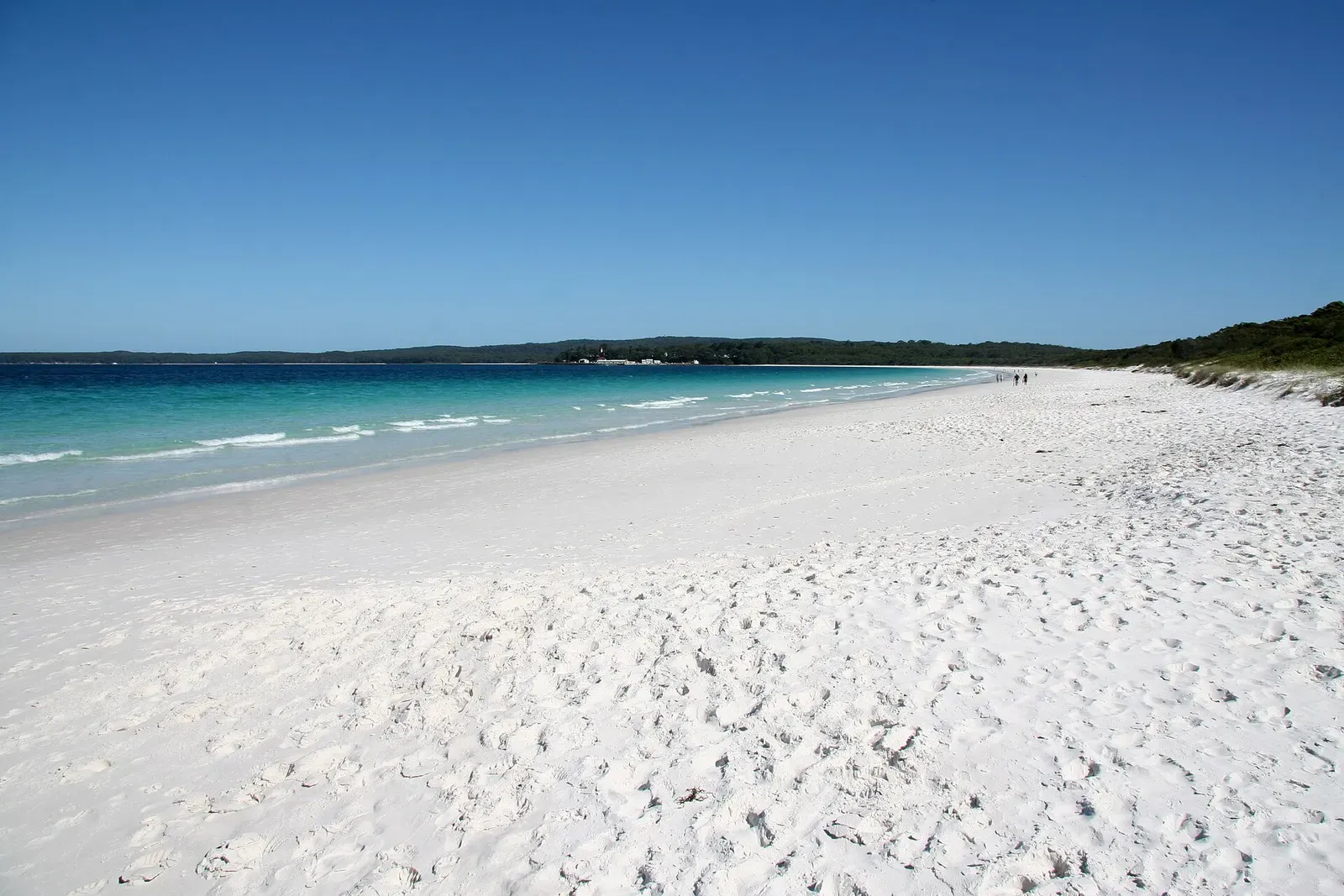
White quartz sand lifts the light over temperate sponge gardens
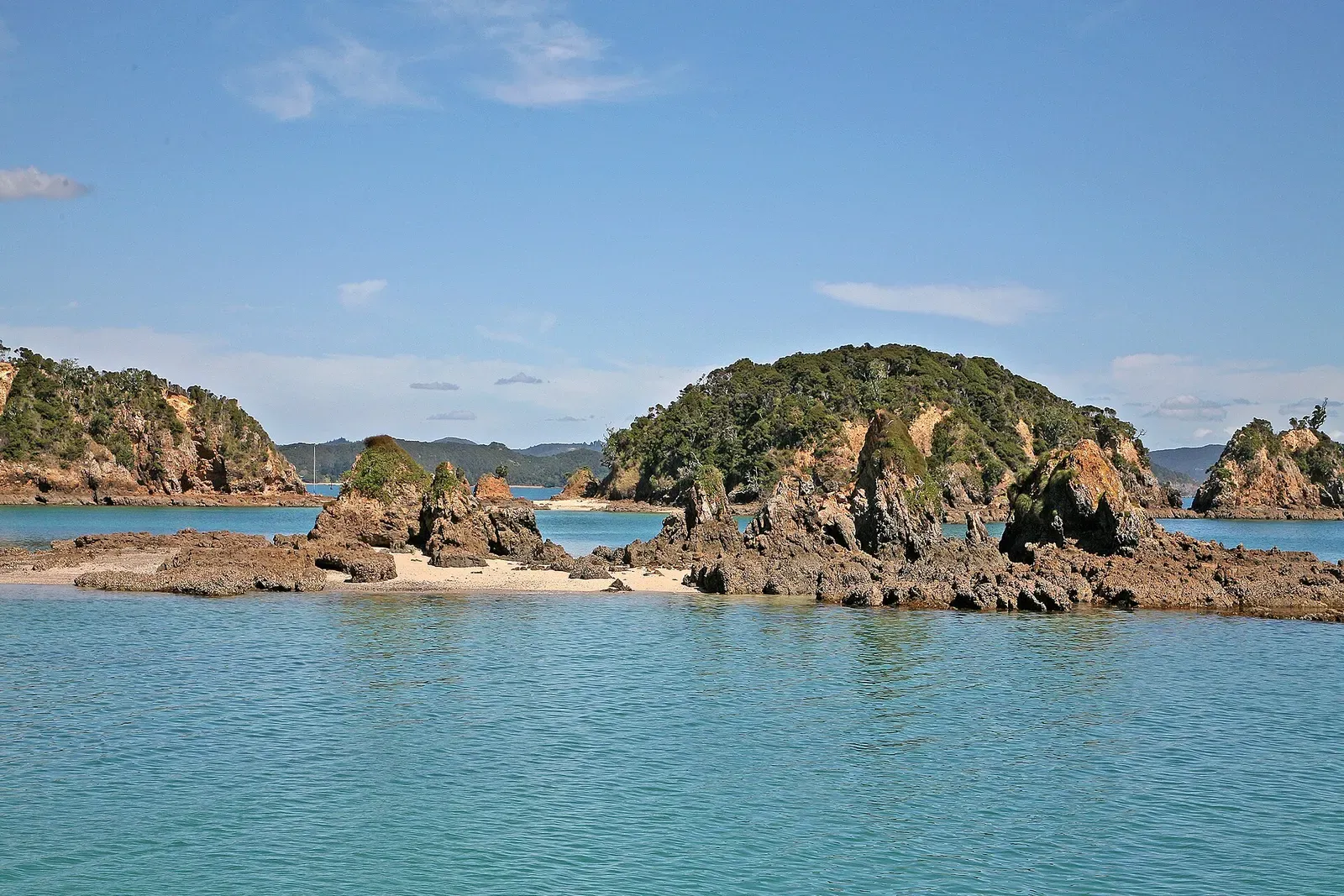
The scuttled Rainbow Warrior under a coat of jewel anemones at 26 m
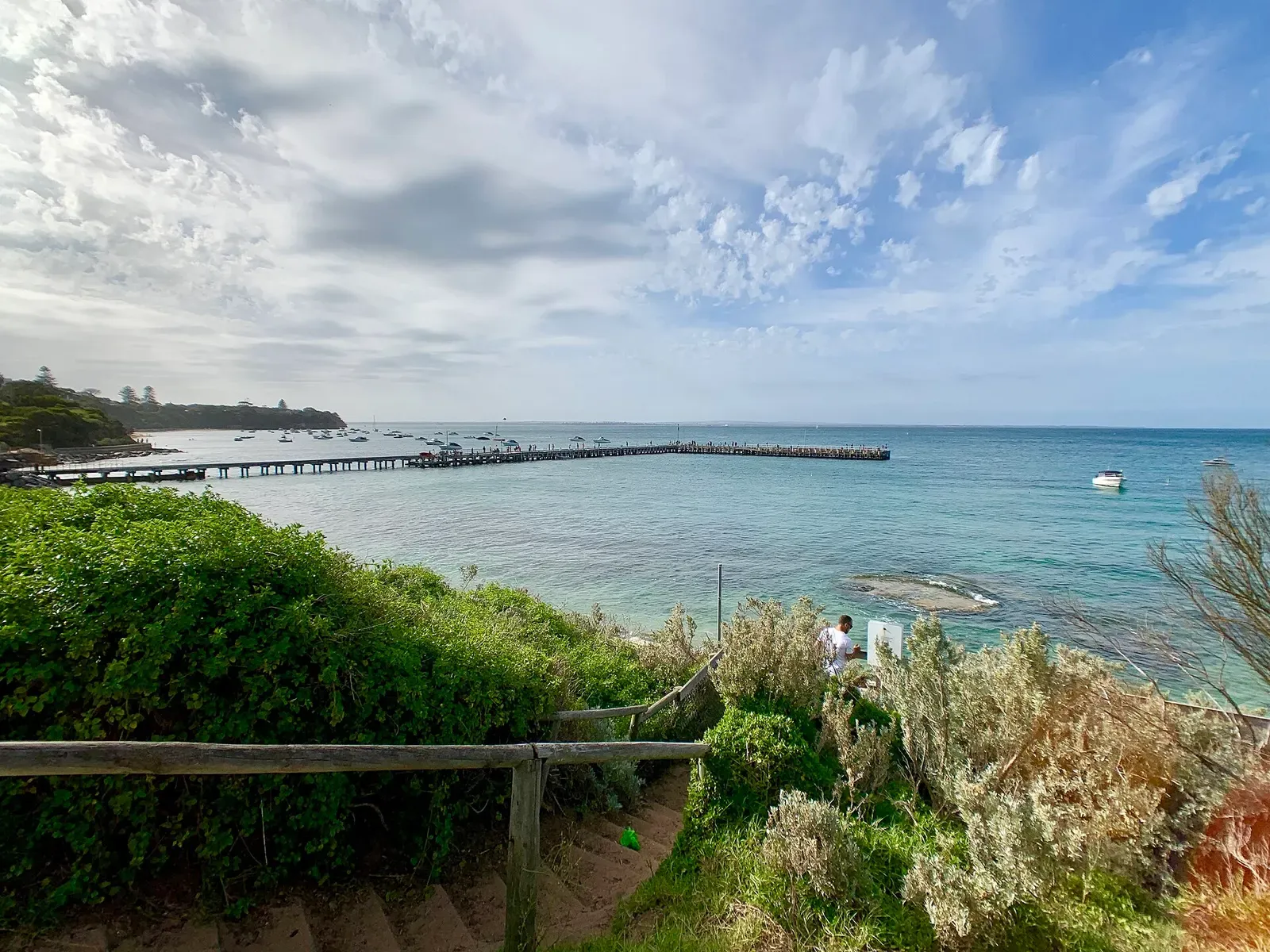
Thousands of spider crabs mass under a Melbourne pier each winter


.jpg)


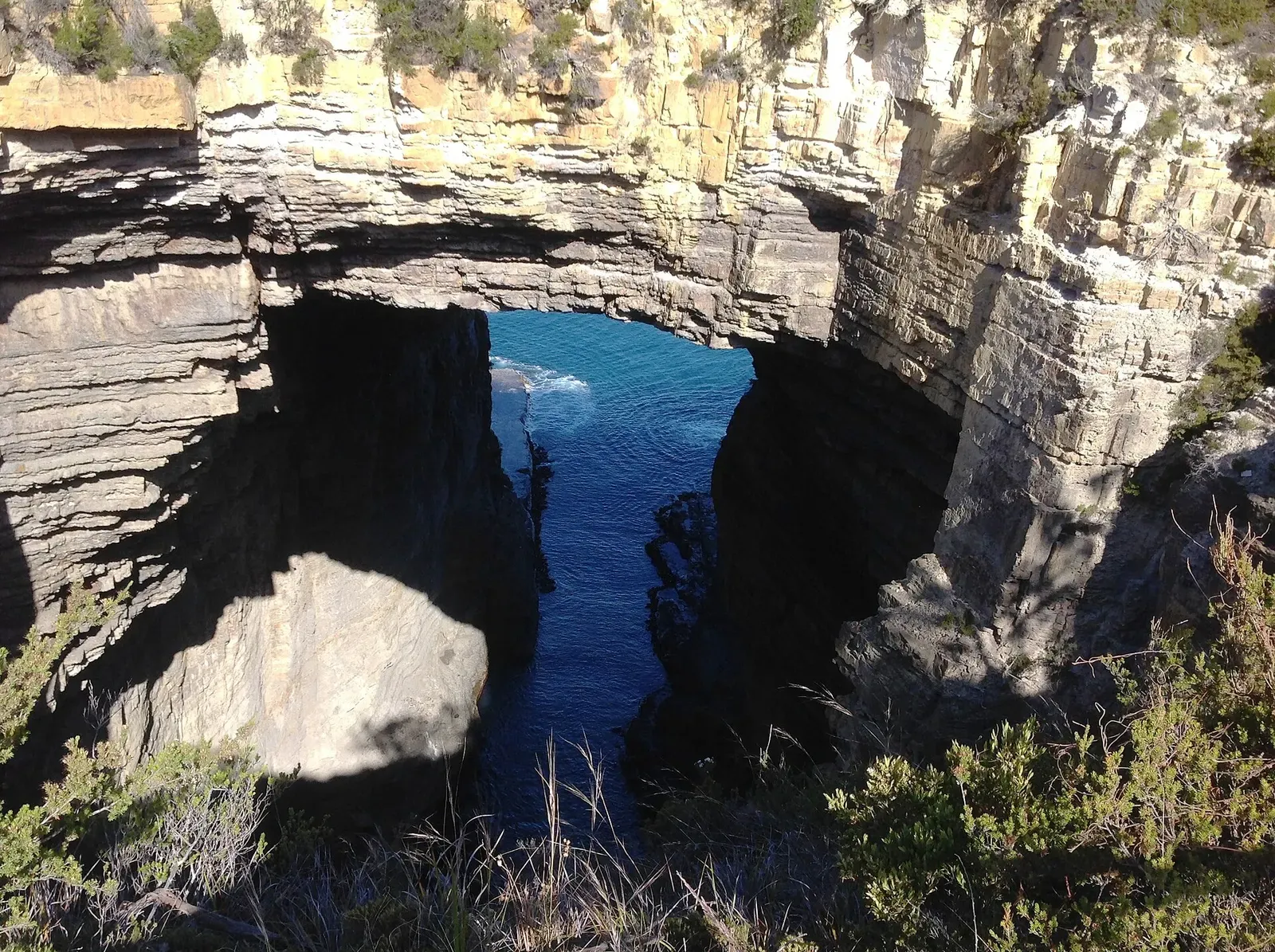
Weedy seadragons drift through cold-water kelp forests off the Tasman Peninsula.