Australia & New Zealand · Australia
Port Phillip — Portsea & Blairgowrie
Thousands of spider crabs mass under a Melbourne pier each winter
Photo: Kgbo · CC BY-SA 4.0
Port Phillip Heads is one of the most violent tidal gates in Australia — the Rip moves an entire bay through a narrow entrance twice a day — so the diving is entirely governed by slack water. What it protects is remarkable: Blairgowrie Pier is regularly called one of the world's best pier dives, with weedy seadragons, giant cuttlefish and tasselled anglerfish under the boards, and each winter thousands of spider crabs mass on the sand in one of the ocean's stranger aggregations.
About diving in Port Phillip — Portsea & Blairgowrie
Almost everything is scheduled around the tide rather than the clock. Slack runs roughly an hour later each day and the usable window is short, so charters out of Blairgowrie, Sorrento and Queenscliff leave at whatever hour it falls, dawn one day and mid-afternoon the next, and are back before the flow rebuilds. The piers carry no such constraint: park, walk out along the boards and get in when it suits. Most itineraries end up pairing one timed boat dive with unhurried shore dives either side of it.
Two very different environments sit within a few kilometres of each other. Inside the bay it is shallow, sheltered and sandy, with the piers acting as artificial reef: pylons crusted in sponge and ascidian, a scatter of debris underneath, and open sand where small animals sit fully exposed. Out through the entrance the ground falls away into sponge-covered walls and cut ledges washed by cold water drawn in from Bass Strait, and scuttled ships lie beyond it, deeper and colder than anything the piers offer.
The pier dives are what people travel for, and the reason is behaviour more than any species list: animals here sit in the open on bare sand and stay put while you work them, so one pylon and the patch around it can fill a dive. After dark the sand turns over and the octopus and squid come out. The winter spider crab aggregation is the other event. They gather in the shallows to moult, the timing slides by weeks from year to year and the piers they pick change, so locals track it week by week rather than booking months out. Rays move in to feed on the soft-shelled crabs.
This is cold-water diving and does not pretend otherwise: drysuits are common outside summer, the surface can be choppy, and the strongest months have the shortest days. What comes back in return is macro diving within an easy drive of a major city, most of it in a few metres of water and much of it reached without a boat. It suits photographers, night divers and anyone happy to dive the same pier repeatedly. Divers after warmth, coral or long sightlines should look elsewhere.
When to dive Port Phillip — Portsea & Blairgowrie
| Jan | Feb | Mar | Apr | May | Jun | Jul | Aug | Sep | Oct | Nov | Dec |
|---|---|---|---|---|---|---|---|---|---|---|---|
| Good | Good | Good | Good | Prime | Prime | Prime | Good | Good | Good | Good | Good |
The spider crab aggregation runs May–Jul; winter also brings the clearest water, while summer is warmest but greener.
Getting there
Blairgowrie, Rye, Sorrento and Portsea on the Mornington Peninsula are the usual bases, an easy road trip from Melbourne, and the Queenscliff–Sorrento ferry links the two sides of the entrance. Piers are shore dives from public car parks, while the Heads and the deeper wrecks need a charter timed to slack water.
Wildlife calendar
Spider crabs mass in the shallows through the middle of the year, roughly May to July, with rays following them in and the year's clearest water arriving alongside. Weedy seadragons, cuttlefish, octopus, squid and nudibranchs hold under the piers year-round. Australian fur seals haul out on reefs and channel platforms near the entrance.
Dive types & marine life
- Muck & macro
- Night
- Wall
- Reef
- Wreck
- Drift
- Weedy seadragons
- Octopus & cuttlefish
- Macro critters
- Nudibranchs
- Seals & sea lions
- Stingrays
- Reef fish swarms
- Squid
Notable dive sites in Port Phillip — Portsea & Blairgowrie
Blairgowrie Pier
Shore-entry pier in 6 m with seadragons, cuttlefish and spider crabs.
Portsea Hole
Sand-rimmed hole dropping to 28 m with sponge-covered walls.
Popes Eye
Unfinished stone fort ring in 12 m, with a gannet colony above.
Lonsdale Wall
Sheer wall in the Heads from 20 m past 40 m; slack water only.
Rye Pier
Shallow pier dive in 4 m, the usual place to find weedy seadragons.
Ex-HMAS Canberra
Frigate scuttled in 2009 off Ocean Grove, upright at 30 m.
Photos from Port Phillip — Portsea & Blairgowrie
Christopher Mark · CC BY 4.0
Jonathan Muhiudeen · CC BY-SA 3.0
Kacey Chong · CC BY-SA 4.0
Kacey Chong · CC BY-SA 4.0
Dive videos
SCUBA DIVING PORTSEA PIER 18 10 2014 · SCUBA BLISS on YouTube
SCUBA DIVING BLAIRGOWRIE PIER 27 09 2014 · SCUBA BLISS on YouTube
Photo credits
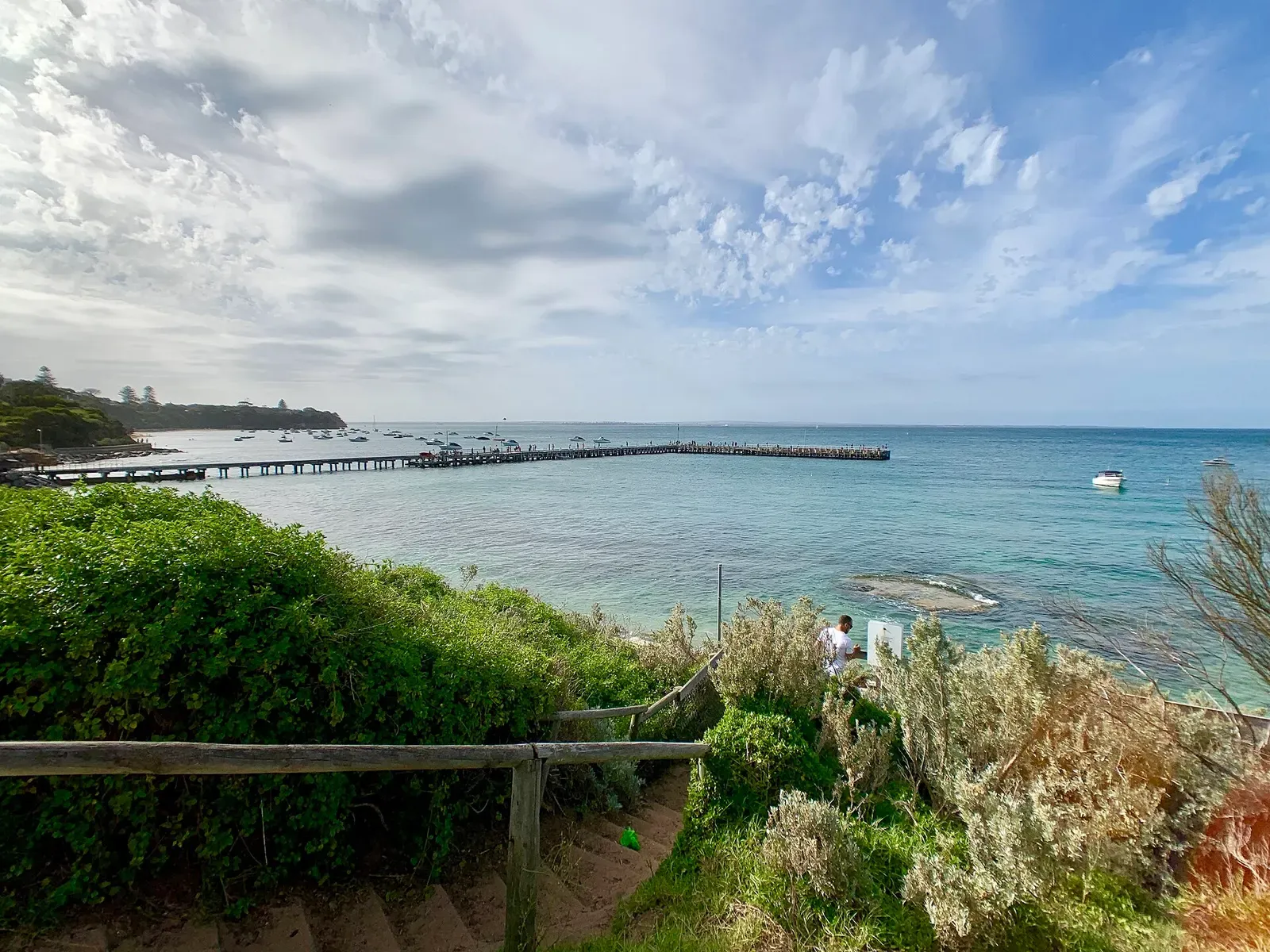
- Timber pier stretching into the calm turquoise waters of Port Phillip Bay near Portsea by Kgbo, CC BY-SA 4.0, via Wikimedia Commons
- Pink Verconia nudibranch camouflaged against a vivid red sponge on a Port Phillip reef by Christopher Mark, CC BY 4.0, via Wikimedia Commons
- Clear shallow water reveals kelp-covered rock and sand near Sorrento on the Mornington Peninsula by Jonathan Muhiudeen, CC BY-SA 3.0, via Wikimedia Commons
- Sandstone cliffs frame a still tidal pool at Sorrento on the Mornington Peninsula coastline by Kacey Chong, CC BY-SA 4.0, via Wikimedia Commons
- Sunset over tidal rock pools and coastal wildflowers near Sorrento, Victoria by Kacey Chong, CC BY-SA 4.0, via Wikimedia Commons
Similar destinations
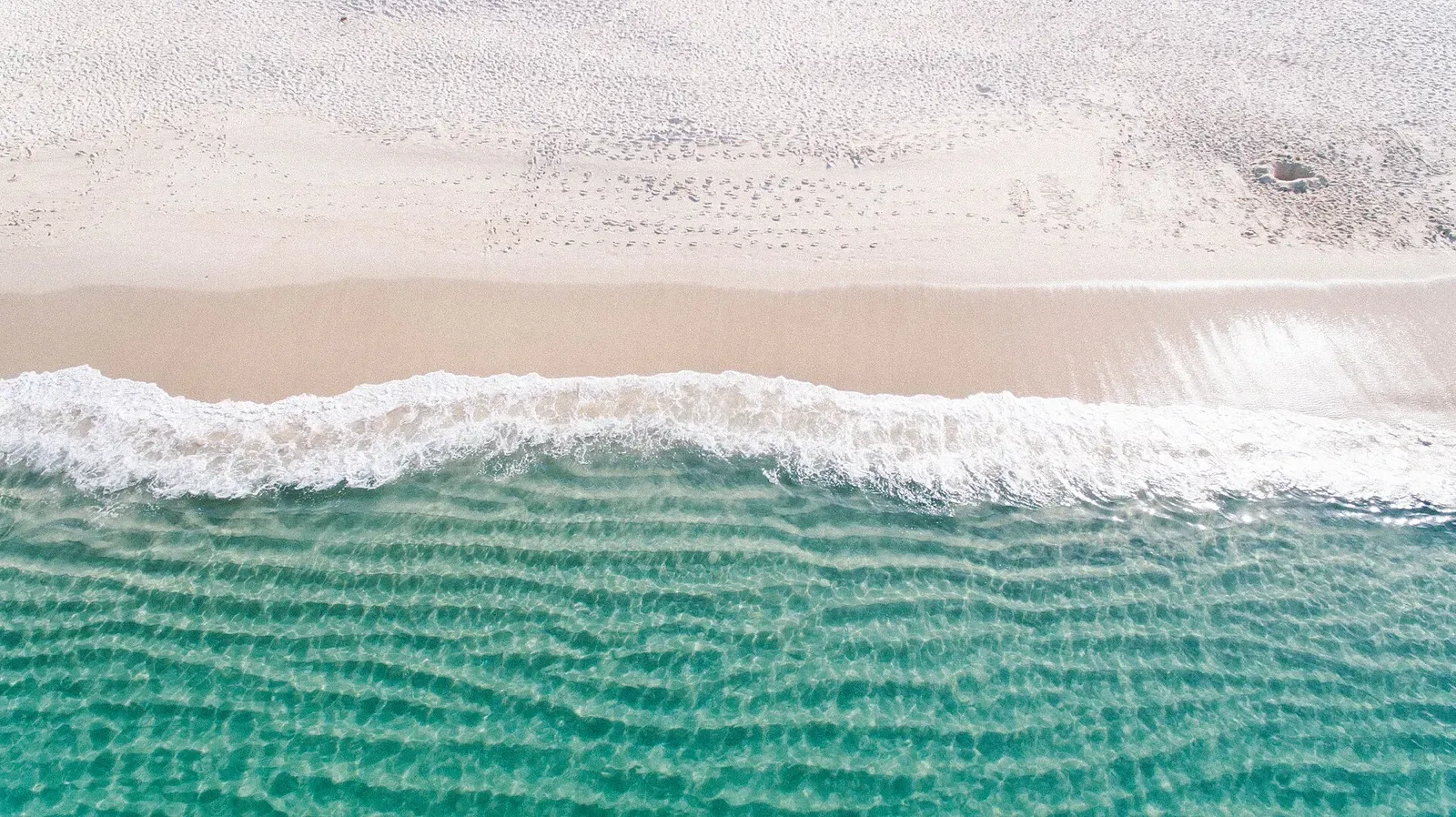
Weedy seadragons over temperate sponge gardens, entered from a car park
The scuttled Rainbow Warrior under a coat of jewel anemones at 26 m
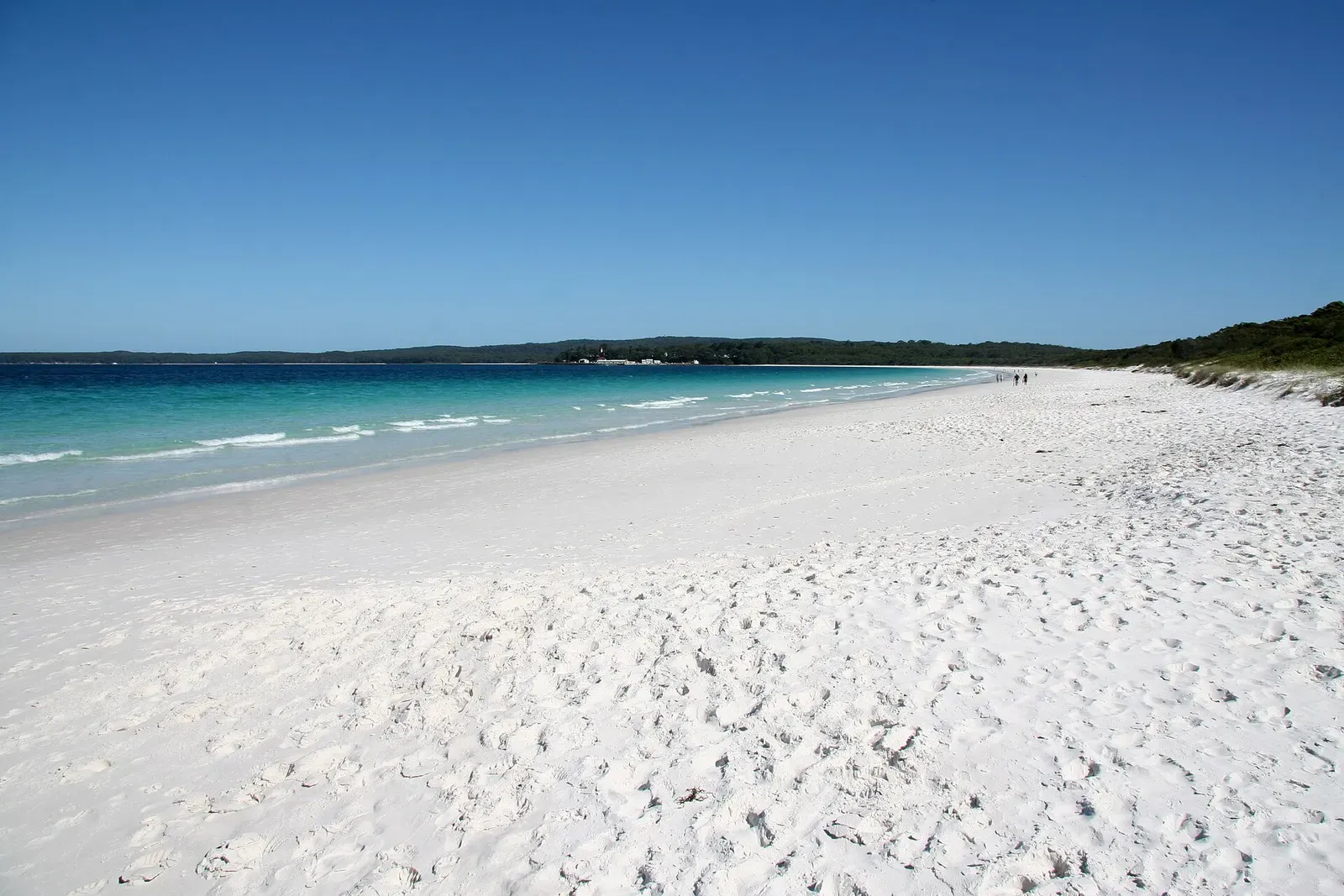
White quartz sand lifts the light over temperate sponge gardens


.jpg)


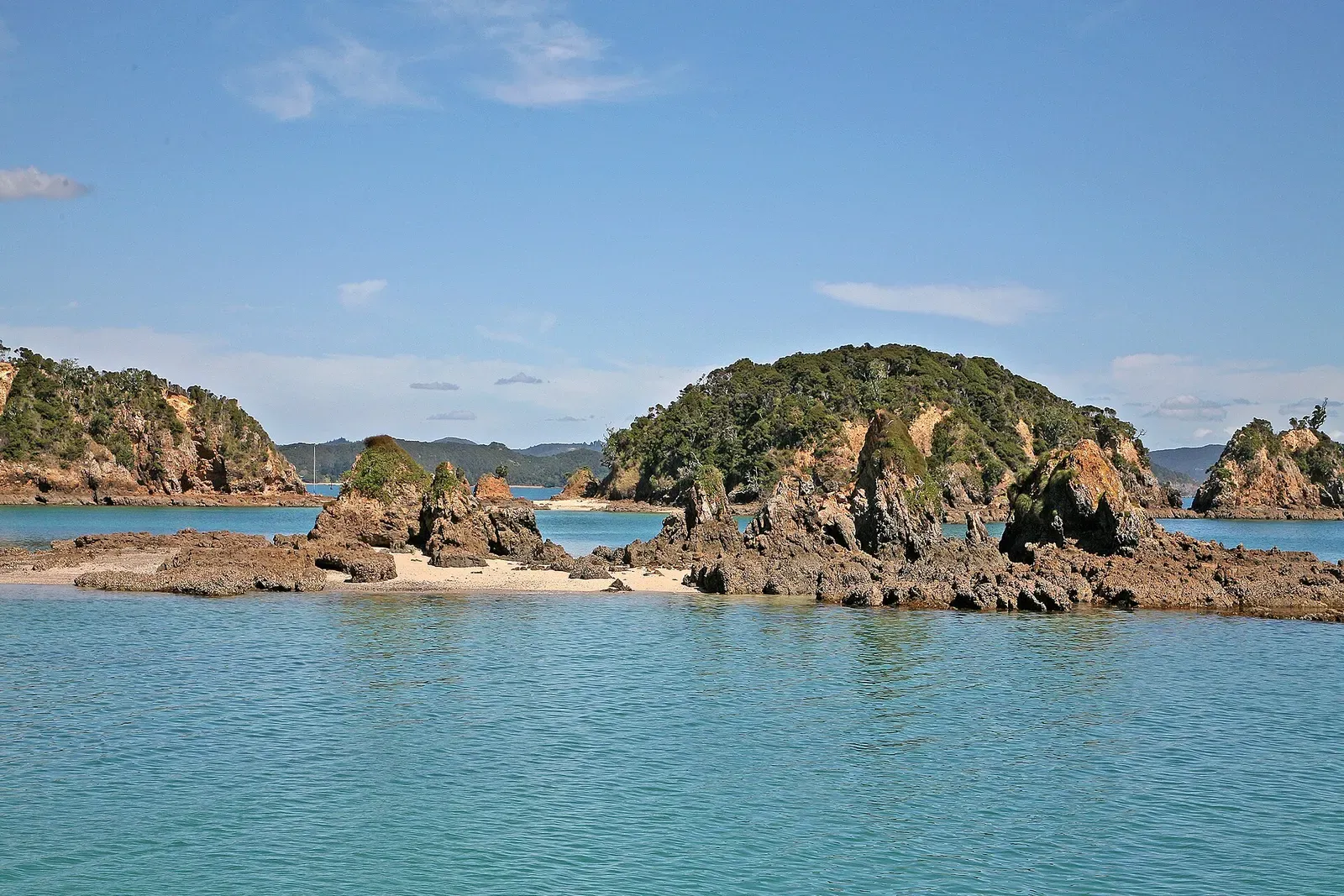
New Zealand's first marine reserve, and the snapper have stopped running