Australia & New Zealand · Australia
Jervis Bay
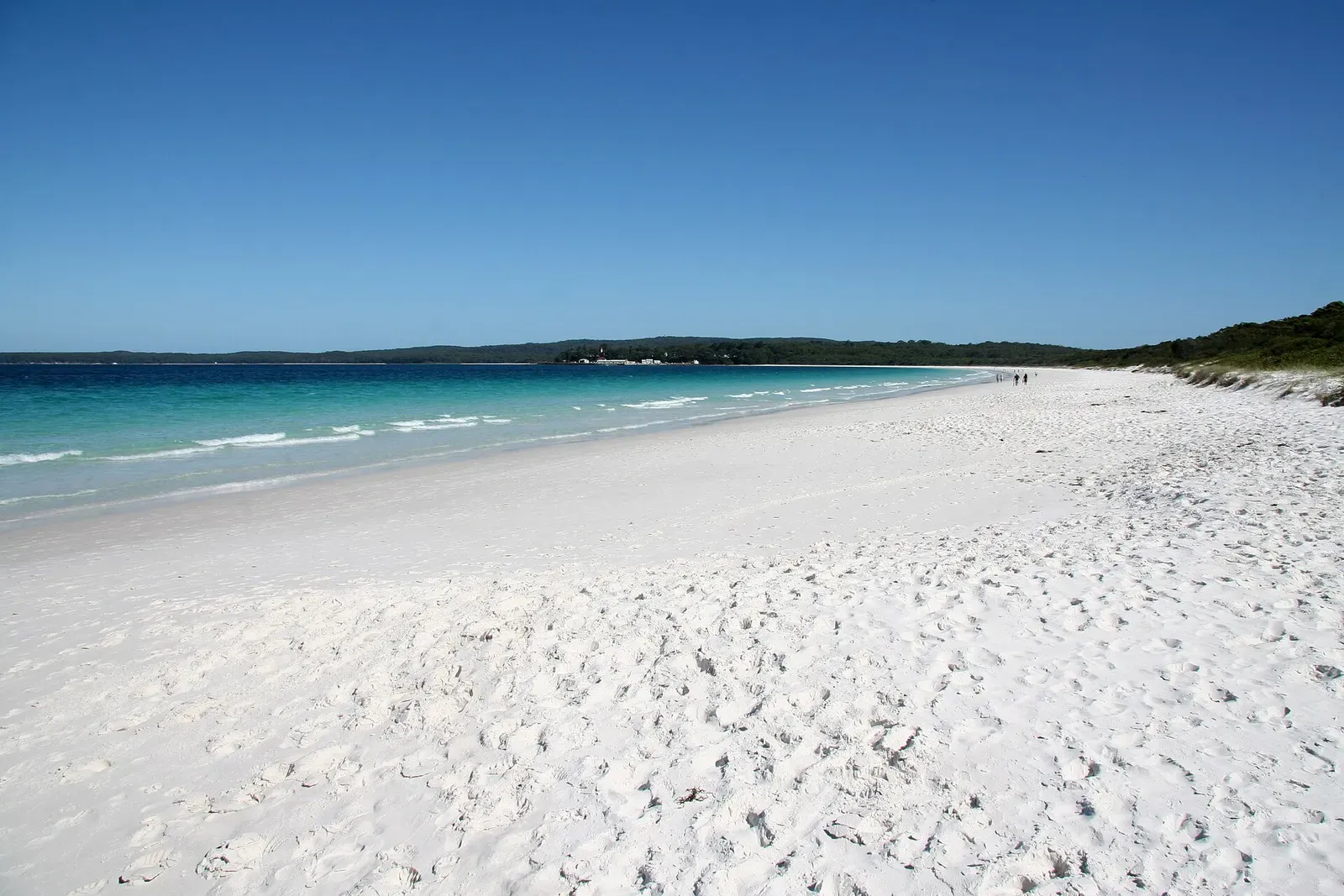
White quartz sand lifts the light over temperate sponge gardens
Photo: Dave Naithani · CC BY-SA 3.0
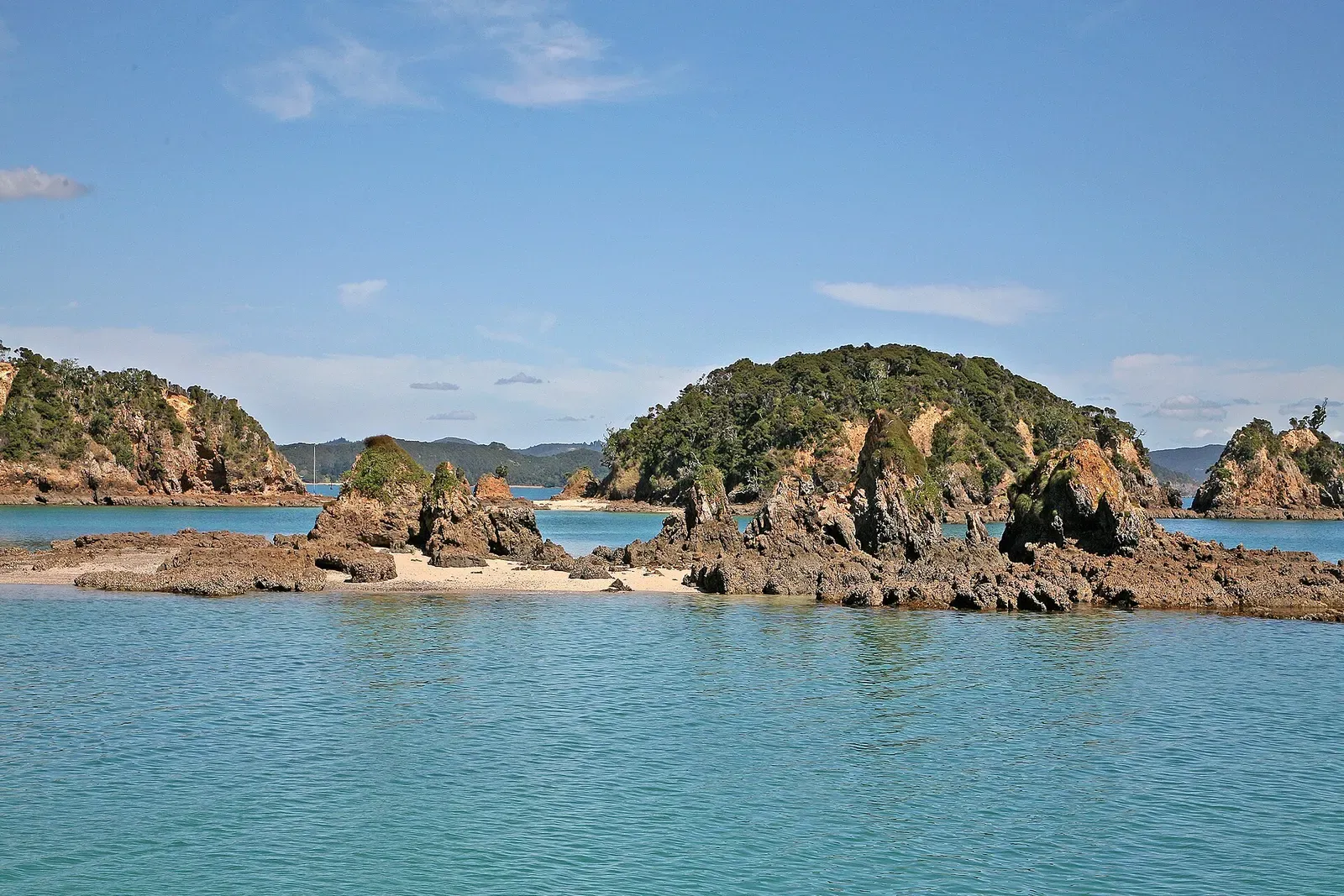
Jervis Bay is a wide, sheltered bay on the New South Wales south coast, ringed by sandstone cliffs and backed by Booderee National Park. The sand is bright white quartz, which lifts the light and makes the water look tropical even at 16°C, and the rock is cut into caves, gutters and overhangs. Weedy seadragons drift over the sponge gardens, grey nurse sharks aggregate off Bowen Island, and fur seals winter on the outer headlands.
About diving in Jervis Bay
A day here can be run from the beach or from a boat, and plenty of visitors do both. Charters leave from Huskisson and run two dives, with the skipper picking a side of the bay to suit the wind: the mouth faces the open ocean, so swell from the wrong direction shuts the outer headlands and everyone works the sheltered inner rock instead. Shore entries need only a car and a walk down a track, which makes an extra dive before or after the boat easy to fit in.
The sandstone weathers into shapes you swim through rather than just along: gutters running out from the cliff base, undercut ledges, low arches and cavern mouths. Depths sit between about 5 m and 30 m, so bottom times are long and repeat dives are easy on the plan. Vertical faces carry sponge, sea tulips and other ascidians that only show their colour under a torch, while the open flats between the reefs are where you cover ground looking for rays and cuttlefish.
Sites divide roughly into three kinds. The inner-bay reefs are shallow and forgiving, and they reward slowing right down, hovering over the weed fringe until the camouflaged animals separate themselves from the background. The offshore pinnacles start deeper, with tops nearer 18 m than 12 m, so bottom times shorten and the dive becomes a single circuit of the rock. The outer headland caverns are the most dramatic and the least dependable, dived on the days the swell allows rather than on demand, so treat them as a bonus rather than the reason you booked.
It suits divers who like looking closely: macro photographers, people who enjoy temperate life, and mixed groups where one diver wants a cavern and another is happy spending an hour over shallow sand. The trade-off is seasonal. April to July is when the summer runoff has cleared and the water is at its most transparent, and it is also when the cool-water animals are in. The summer months are warmer but greener, on a coast busy with holiday traffic. Water runs 14°C to 22°C, so bring proper exposure protection and the rest is straightforward.
When to dive Jervis Bay
| Jan | Feb | Mar | Apr | May | Jun | Jul | Aug | Sep | Oct | Nov | Dec |
|---|---|---|---|---|---|---|---|---|---|---|---|
| Good | Good | Good | Prime | Prime | Prime | Prime | Good | Good | Good | Good | Good |
Apr–Jul is clearest as summer runoff clears; seals are present through winter and grey nurse numbers peak in the cooler months.
Getting there
Most divers drive down from Sydney or across from Canberra and base in Huskisson, where the boats leave from, or in neighbouring Vincentia; Nowra is the nearest town of any size. Shore sites are spread around the bay's edge and reached by car, and the Booderee side charges a vehicle entry fee at the gate.
Wildlife calendar
Weedy seadragons, nudibranchs and cuttlefish hold on the sponge reefs year-round and are the reason to dive slowly. Wobbegongs sit under the ledges whatever the month, and rays work the open sand between reefs. Grey nurse sharks and fur seals are the cool-season draw, strongest across the April-to-July window and lingering into late winter.
Dive types & marine life
- Reef
- Wall
- Cave & cavern
- Kelp forest
- Night
- Muck & macro
- Weedy seadragons
- Sand tiger sharks
- Seals & sea lions
- Octopus & cuttlefish
- Nudibranchs
- Macro critters
- Stingrays
- Reef fish swarms
- Wobbegongs
Notable dive sites in Jervis Bay
The Docks
Sandstone gutters and overhangs at 12 m, the bay's signature site.
Smugglers Cave
Large cavern entered at 15 m, dived when swell allows.
Ten Fathom Bommie
Offshore pinnacle rising to 18 m with schooling fish and rays.
Stoney Creek
Shore-entry sponge garden, reliable for weedy seadragons.
Middle Ground
Rock reef in mid-bay, dived when the outer sites are blown out.
Photos from Jervis Bay
Gabecollett1 · CC BY-SA 4.0
Maksym Kozlenko · CC BY-SA 4.0
Maksym Kozlenko · CC BY-SA 4.0
Maxim75 · CC BY 4.0
Dive videos
Diving Jervis Bay off Bowen Island with Grey Nurse Sharks · Vero Joseph on YouTube
Photo credits
- Sweeping white sand and turquoise shallows at Hyams Beach on Jervis Bay by Dave Naithani, CC BY-SA 3.0, via Wikimedia Commons
- Turquoise water breaking over a rocky reef fringed with green algae in Jervis Bay by Gabecollett1, CC BY-SA 4.0, via Wikimedia Commons
- Layered sandstone cliffs rising above a sheltered beach on Jervis Bay by Maksym Kozlenko, CC BY-SA 4.0, via Wikimedia Commons
- Clear turquoise water meeting a bushy sandstone headland on Jervis Bay by Maksym Kozlenko, CC BY-SA 4.0, via Wikimedia Commons
- A curving white-sand beach and clear turquoise water seen from a bluff at Jervis Bay by Maxim75, CC BY 4.0, via Wikimedia Commons
Similar destinations
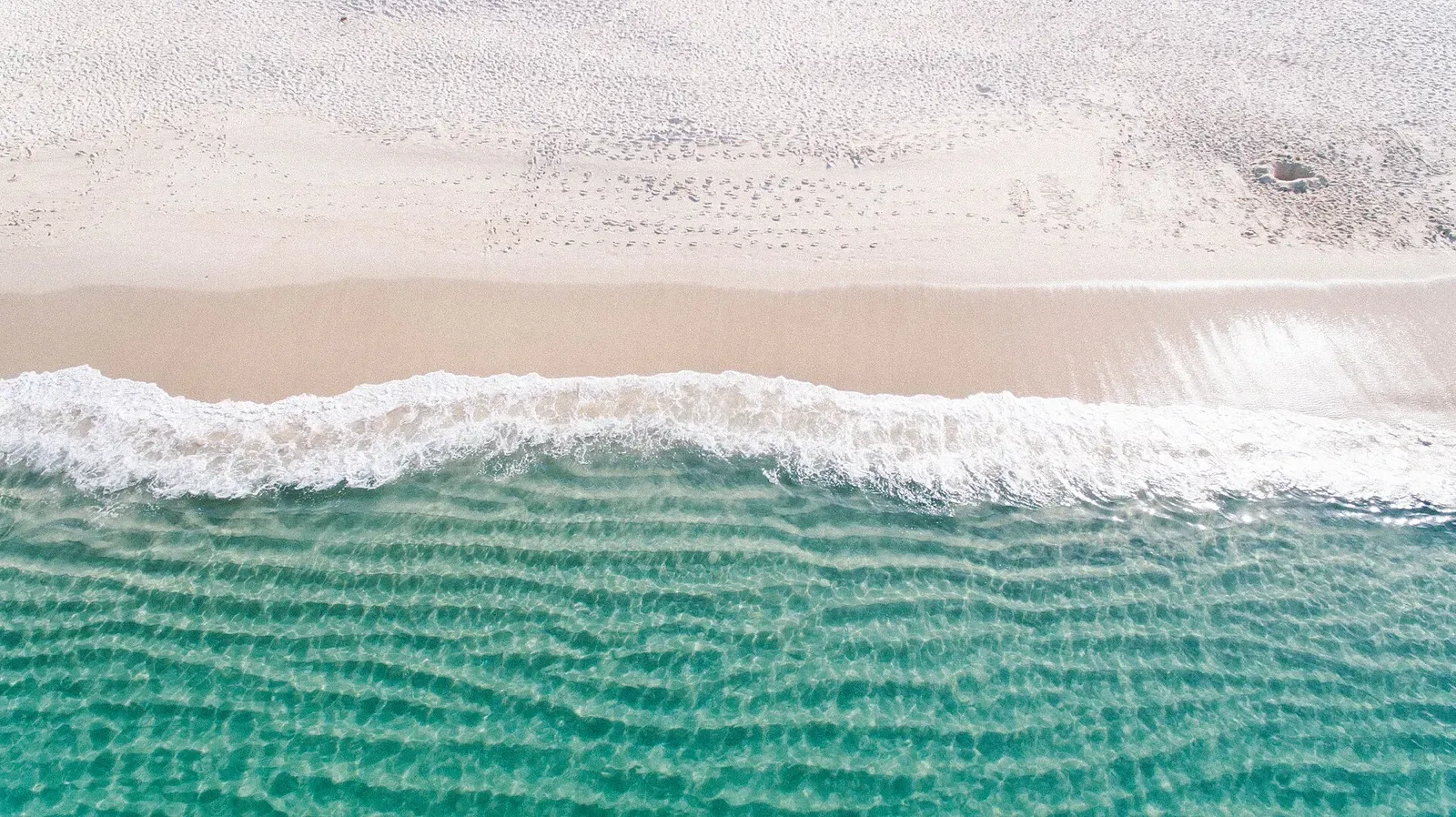
Weedy seadragons over temperate sponge gardens, entered from a car park
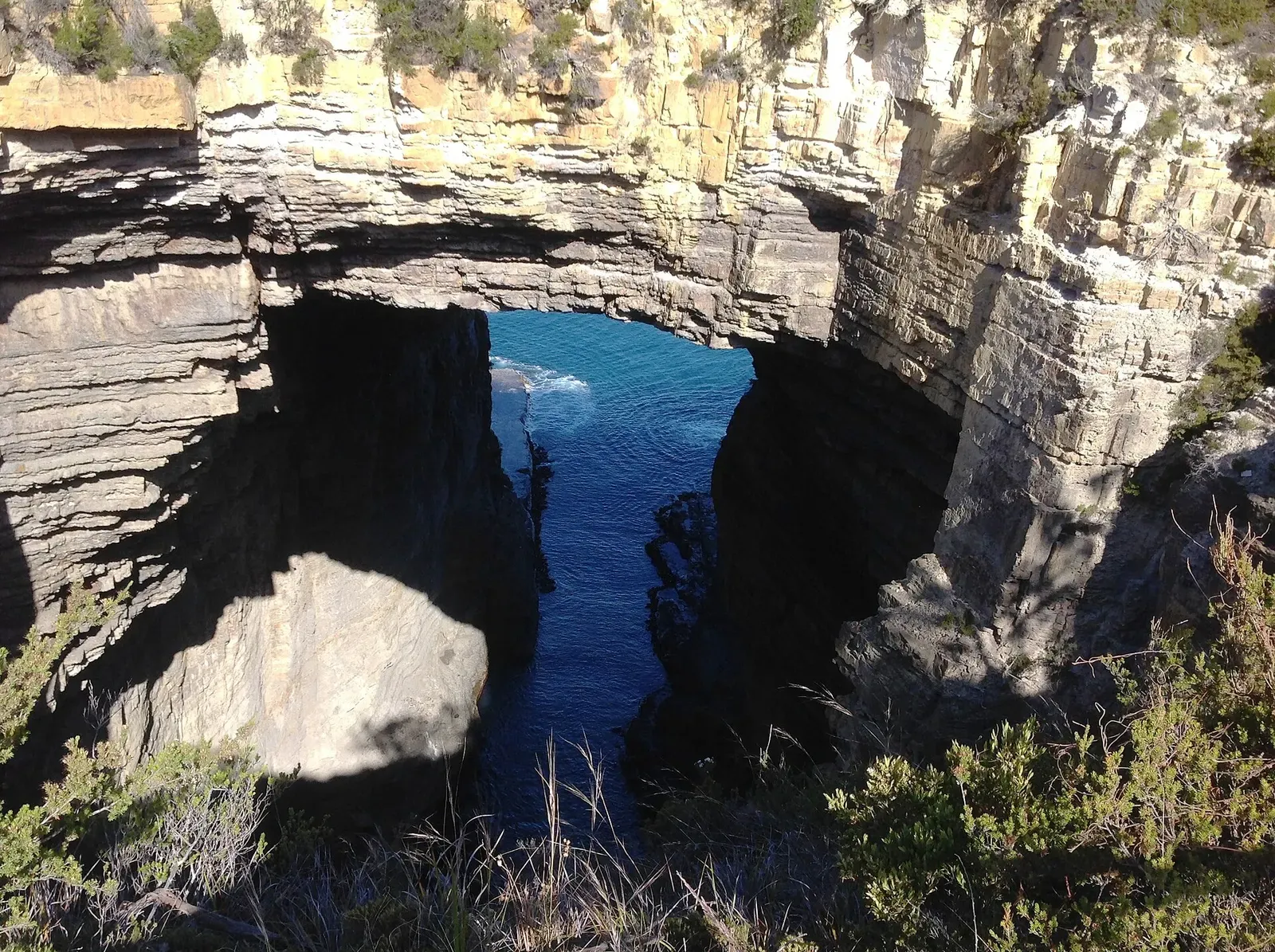
Weedy seadragons drift through cold-water kelp forests off the Tasman Peninsula.
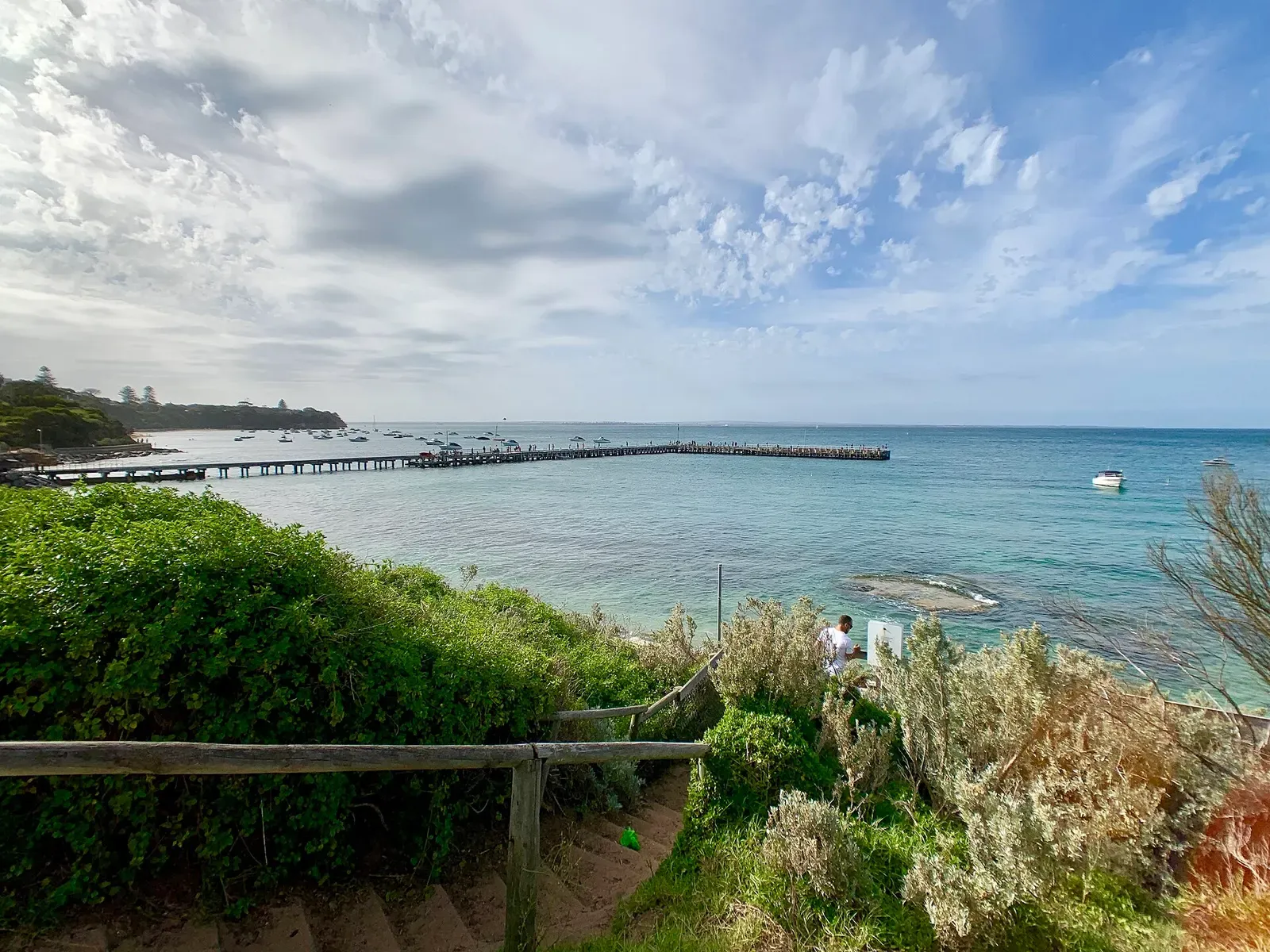
Thousands of spider crabs mass under a Melbourne pier each winter


The scuttled Rainbow Warrior under a coat of jewel anemones at 26 m