North America · Canada
Brockville — St. Lawrence
Nineteenth-century wrecks dived as drifts in a hard freshwater current
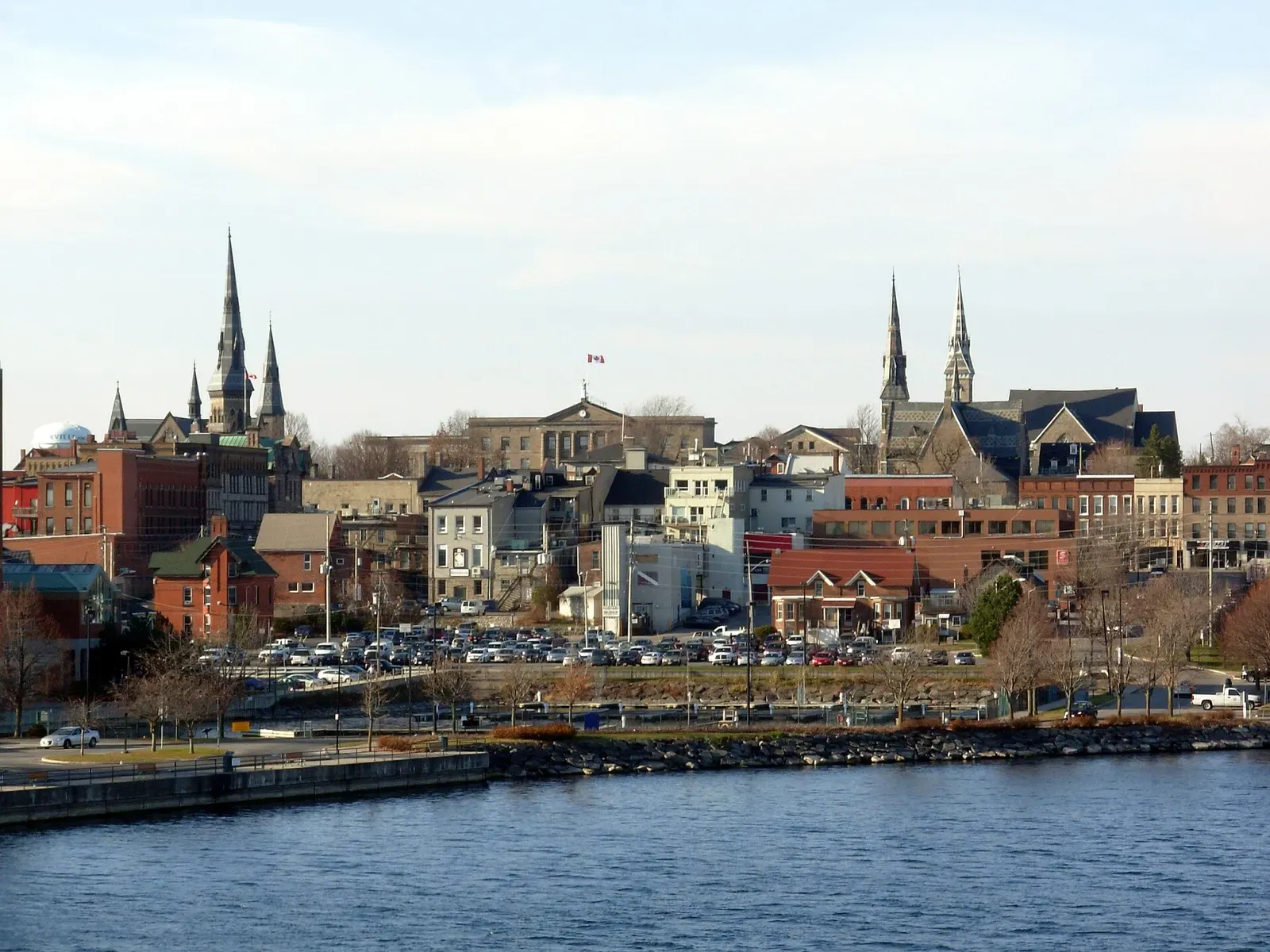
Photo: Tutku Çetinel · CC BY 3.0
The St. Lawrence narrows through the Thousand Islands and runs hard, and the wrecks there are dived as drifts — divers descend a shot line onto a hull, cross it once with the current, and let go. Cold fresh water and zebra mussels have kept the nineteenth-century schooners and steamers remarkably whole; the Lillie Parsons and the Daryaw both lie completely upside down, and the Keystorm slopes from 6 m down past 35. Visibility improves the colder it gets.
About diving in Brockville — St. Lawrence
Charters leave the Brockville waterfront in small, fast boats, and the run out is short enough that the briefing takes longer than the ride. Each dive is planned before anyone gets wet: which end of the hull you land on, which way the river will push you, where the pickup happens. Crews work around commercial traffic as well, since this is a working seaway channel and a laker will not be altering course for a dive flag. The boat's job is to be downstream when the marker comes up.
The bottom is ledge and gravel rather than sand, and the ships sit in whatever shelter it gives them. Some are tucked against a bank or behind an island where a back-eddy takes the sting out of the flow; others lie fully exposed. That, more than depth, is the real difference between sites: on the sheltered hulls you can stop, hold onto something and look into things, while the exposed ones are read at whatever speed the river has chosen. The inverted wrecks change the geometry again, with the hull overhead and the detail along its edges.
It is an unforgiving place to learn and a rewarding one if the skills are already there. Cold fresh water means a drysuit for most of the season, hood and gloves, and enough spare attention to deploy a marker while still moving. Photographers find it hard, since there is no station-keeping and no swimming back upstream for a second look. Divers who like planning, wreck history and the physical feel of moving water do very well, and most visitors dive two or three days from the same dock.
When to dive Brockville — St. Lawrence
| Jan | Feb | Mar | Apr | May | Jun | Jul | Aug | Sep | Oct | Nov | Dec |
|---|---|---|---|---|---|---|---|---|---|---|---|
| Off-season | Off-season | Off-season | Off-season | Fair | Good | Prime | Prime | Prime | Good | Off-season | Off-season |
May–Oct is the season, with the clearest water in late autumn; the river ices over and charters stop entirely in winter.
Getting there
Brockville sits on Highway 401 between Toronto and Montreal, and driving in is the norm; Ottawa and Montreal are the nearest major airports, with Syracuse an option from the US side. All diving is day-boat from the town waterfront, where the charter operators and fill stations are.
Wildlife calendar
Freshwater fish and little else. Smallmouth bass and pike hold in the current shadow behind the hulls, and schools of small fish are thickest in the warm July-to-September weeks. Round gobies and crayfish are all over the hulls themselves. By October the schools have thinned and it is the ships, not the fish, that hold the attention.
Dive types & marine life
- Wreck
- Freshwater
- Drift
- Freshwater fish
Notable dive sites in Brockville — St. Lawrence
Keystorm
Steamer sunk in 1912, sloping on her side from 6 m past 35 m.
Daryaw
Steel freighter lying completely inverted at 27 m, swum along the keel.
Lillie Parsons
Schooner upside down against the bank at 20 m, in heavy current.
America
Wooden tug in 25 m, compact enough to circle in a single drift.
Robert Gaskin
Barge sunk in 1889 at 20 m, with her salvage gear still in place.
Dive videos
Diving the Wreck of the Keystorm in the Upper St Lawrence River · Scuba Geek Canada on YouTube
Thousand Island Pleasure Diving: The Vickery and America, Rockport Ontario · Thousand Island Pleasure Diving on YouTube
Photo credits
- Brockville skyline and waterfront along the St. Lawrence River, Ontario, Canada by Tutku Çetinel, CC BY 3.0, via Wikimedia Commons
Similar destinations
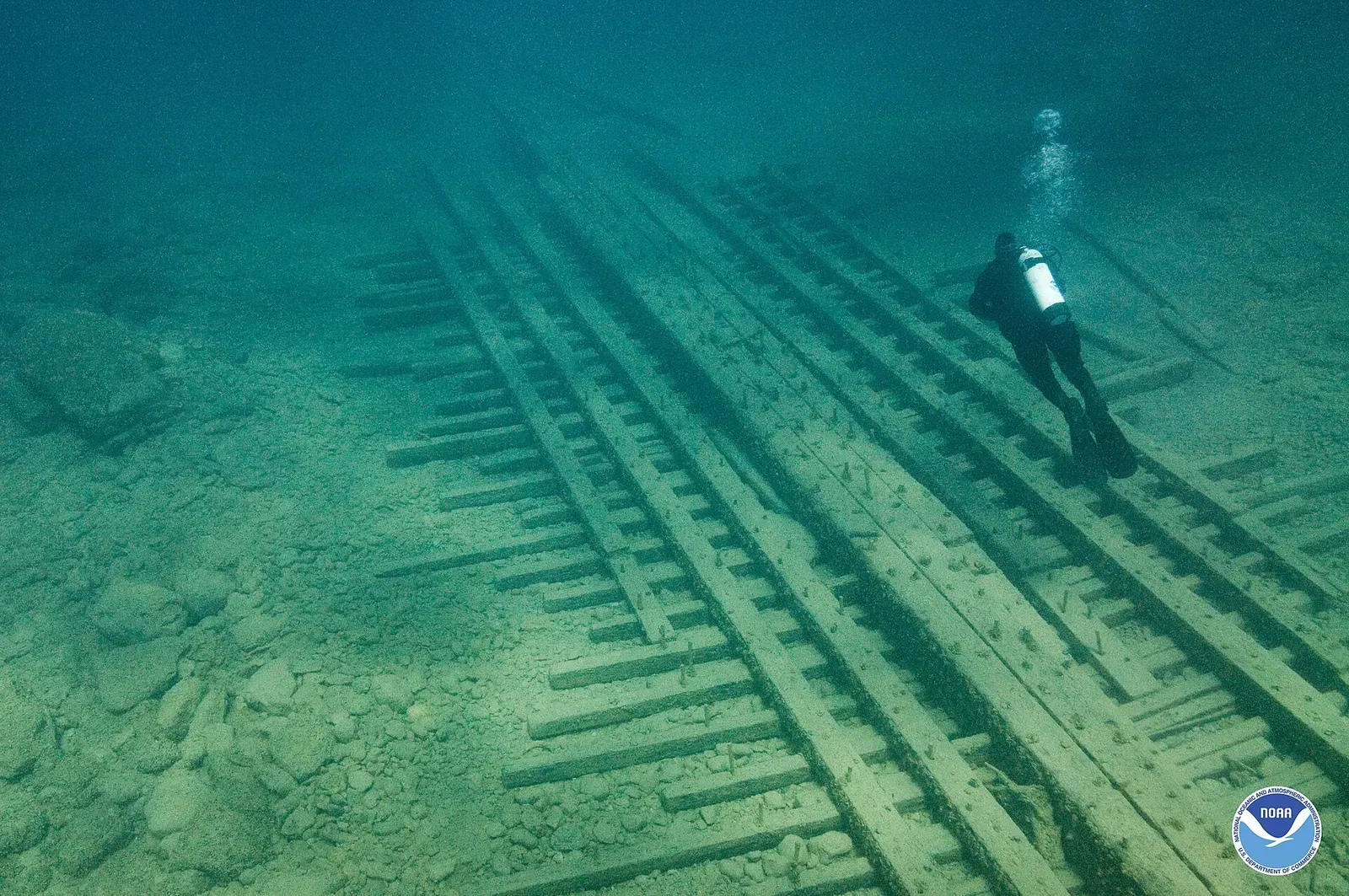
A hundred wrecks in Shipwreck Alley, some shallow enough to snorkel
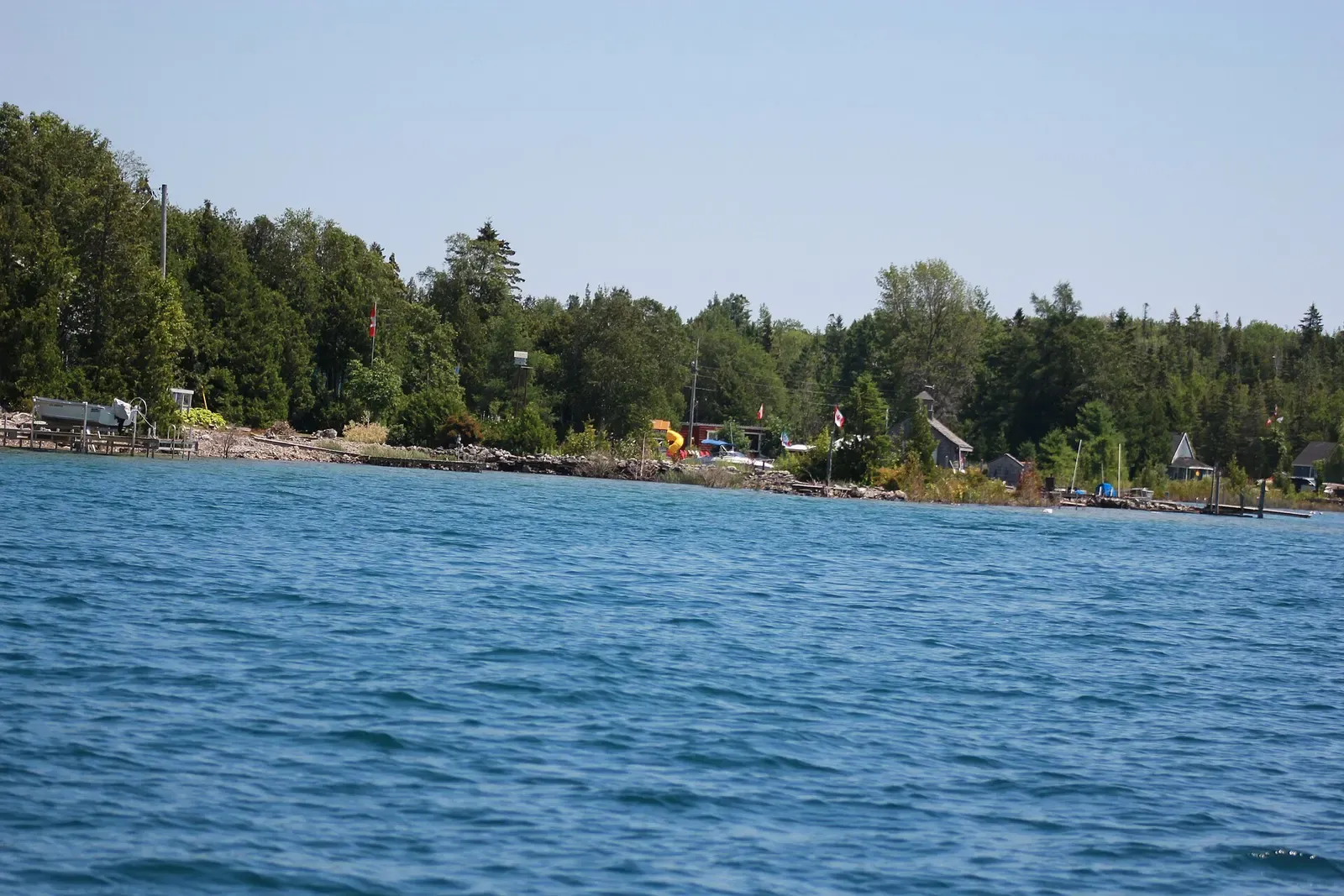
Nineteenth-century schooners preserved intact in cold fresh water
A recovered coral reef with dense jack schools and seasonal bull sharks.

Warm shallow reefs and famous wrecks stretching from Key Largo to Key West.