Mediterranean · Spain
Cabrera Archipelago
Nineteen uninhabited islands and light-filled caves off Mallorca
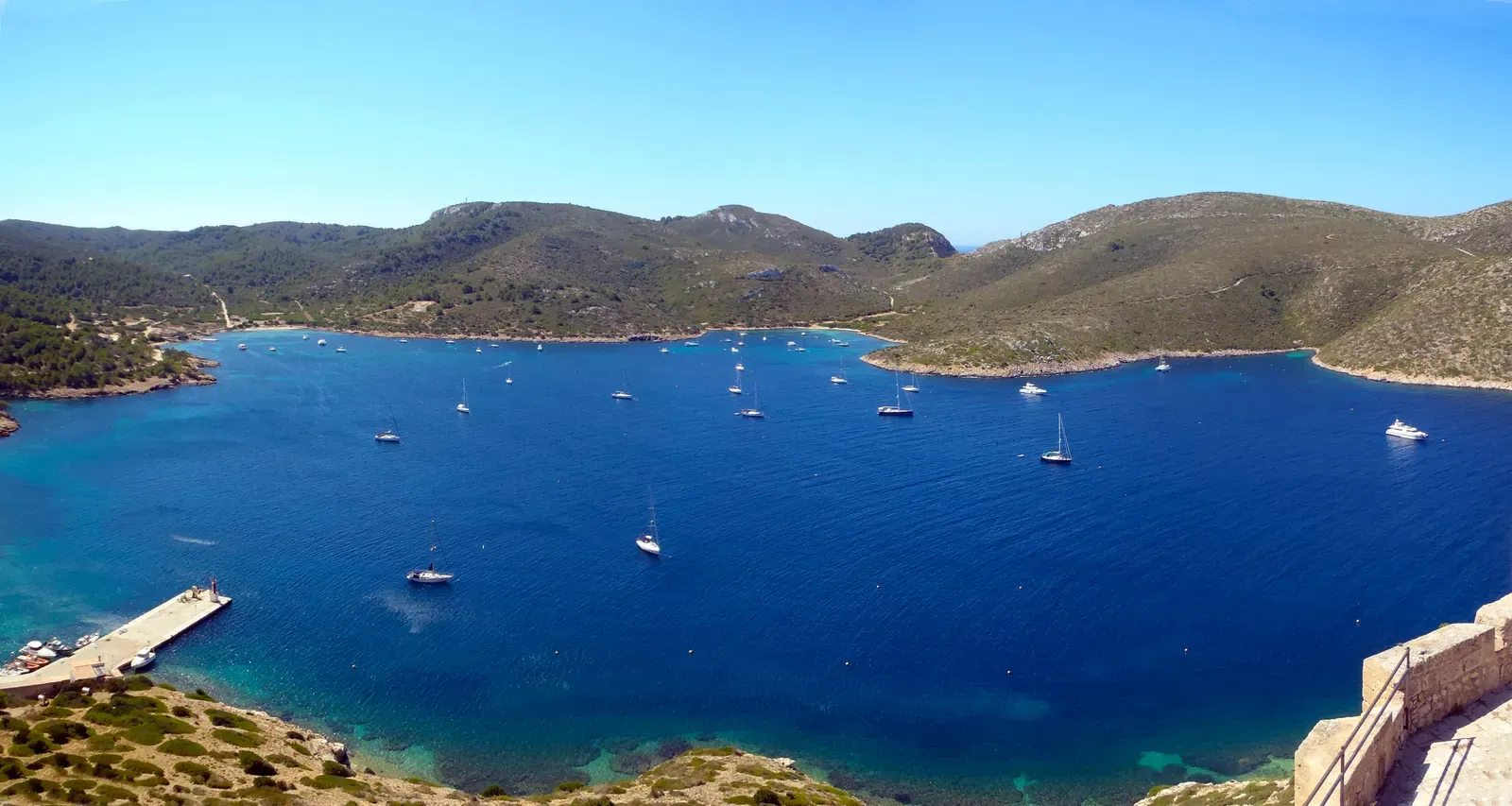
Photo: Antoni Pons Oliver · CC BY-SA 3.0
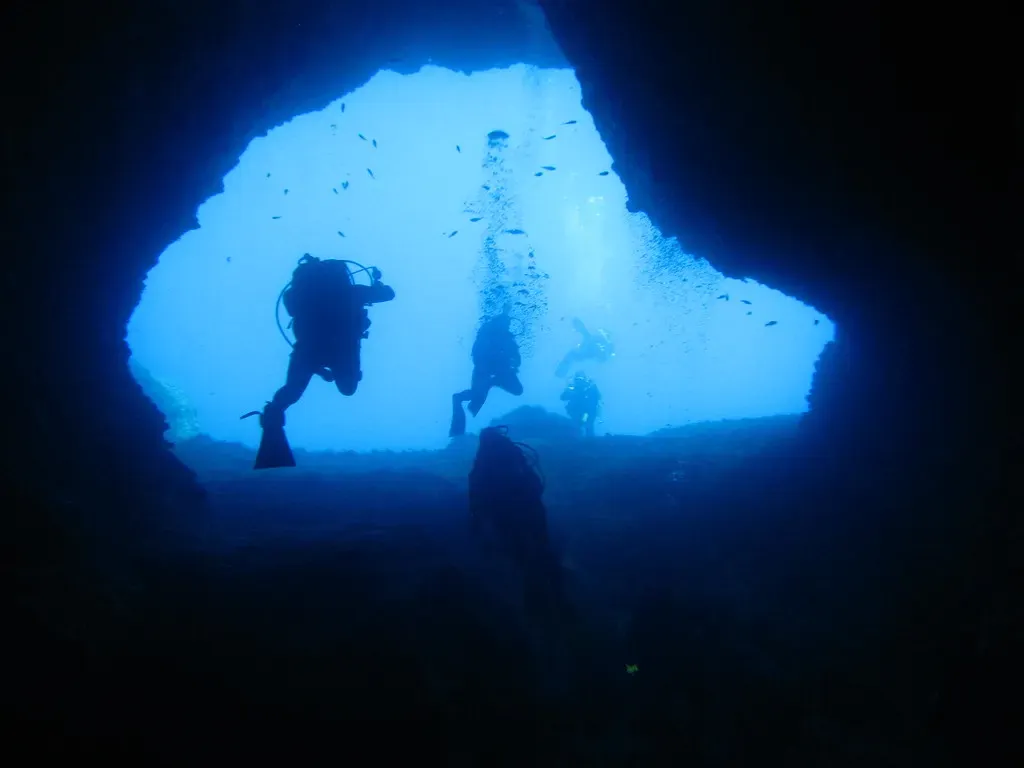
Cabrera is a national park of nineteen uninhabited islands off the south coast of Mallorca, where a military presence and then protected status kept development away entirely. Diving is permit-controlled and worth the paperwork: unbroken posidonia meadows, limestone walls dropping past 40 m, and sea caves including the Cova Blava, where light entering underwater turns the whole chamber blue. Groupers and amberjack behave as if divers are furniture.
About diving in Cabrera Archipelago
The day is built around the permit. Boats leave Mallorca's south-east coast in the morning, the park sets how many divers may be in the water and where, and the plan is therefore fixed before you step aboard: usually two dives, briefed together, with the surface interval spent on the moorings in the sheltered natural harbour. It removes any option to improvise, but it also means you rarely share a site, and the rock shows little of the wear busier Balearic sites carry.
Underwater the shape of the place is consistent — vertical faces at the capes, undercut ledges, and house-sized blocks fallen from the cliffs and stacked at their feet, with posidonia filling the sand flats between the islands. Most of the diving sits within sport-diving depths, so a dive is usually spent moving along a wall rather than dropping down it, and bottom times run long. L'Imperial in the south holds the clearest water in the group; Cap Llebeig, out on the exposed west, only goes ahead when the sea allows.
Cova Blava is the set piece, and it is a wide cavern swim rather than a squeeze: what it asks for is calm and controlled buoyancy, not overhead training. Na Foradada's arch is the other structure worth planning a dive around, wide enough to read as a corridor with fish stacked in the opening. The archipelago as a whole suits divers who care more about fish behaviour and landscape than adrenaline — mild current, depths you can choose, and groupers relaxed enough to let you work out a shot before they move.
When to dive Cabrera Archipelago
| Jan | Feb | Mar | Apr | May | Jun | Jul | Aug | Sep | Oct | Nov | Dec |
|---|---|---|---|---|---|---|---|---|---|---|---|
| Off-season | Off-season | Fair | Good | Good | Prime | Prime | Prime | Prime | Good | Fair | Off-season |
The park licenses dive boats May–Oct, with July and August warmest; winter access is effectively closed to visiting divers.
Getting there
Fly to Palma, then head south-east to Colònia de Sant Jordi, the usual departure point for permitted boats. It is all day-boat work: no shore diving, and no dive base on the islands, so secure a place on a licensed trip before booking anything else.
Wildlife calendar
Groupers are the constant and are boldest at L'Imperial. Barracuda and dense reef-fish shoals build through the prime months of June to September. Octopus, cuttlefish and nudibranchs work the seagrass edges across the licensed May-to-October window, with stingrays on the sand and the occasional turtle passing through.
Dive types & marine life
- Reef
- Wall
- Cave & cavern
- Coral garden
- Groupers
- Barracuda
- Octopus & cuttlefish
- Nudibranchs
- Reef fish swarms
- Stingrays
- Sea turtles
Notable dive sites in Cabrera Archipelago
Cova Blava
Sea cave whose chamber glows blue from light entering underwater.
Illa des Conills
Northern island with walls and posidonia meadows from 10 m.
Na Foradada
Pierced rock with a large swim-through arch and schooling fish.
Cap Llebeig
Exposed western cape, dived in calm weather for its deep wall.
L'Imperial
Southern islet with the archipelago's clearest water and big groupers.
Photos from Cabrera Archipelago
Николай Максимович · CC BY 3.0
Dive videos
Cabrera Sea Bottom . Balearic Islands - Full Documentary · Planet Doc Full Documentaries on YouTube
Photo credits
- Yachts moored in the sheltered natural harbour bay of Cabrera island by Antoni Pons Oliver, CC BY-SA 3.0, via Wikimedia Commons
- Limestone ridge dropping into clear blue water with sailboats anchored beyond by Николай Максимович, CC BY 3.0, via Wikimedia Commons
Similar destinations
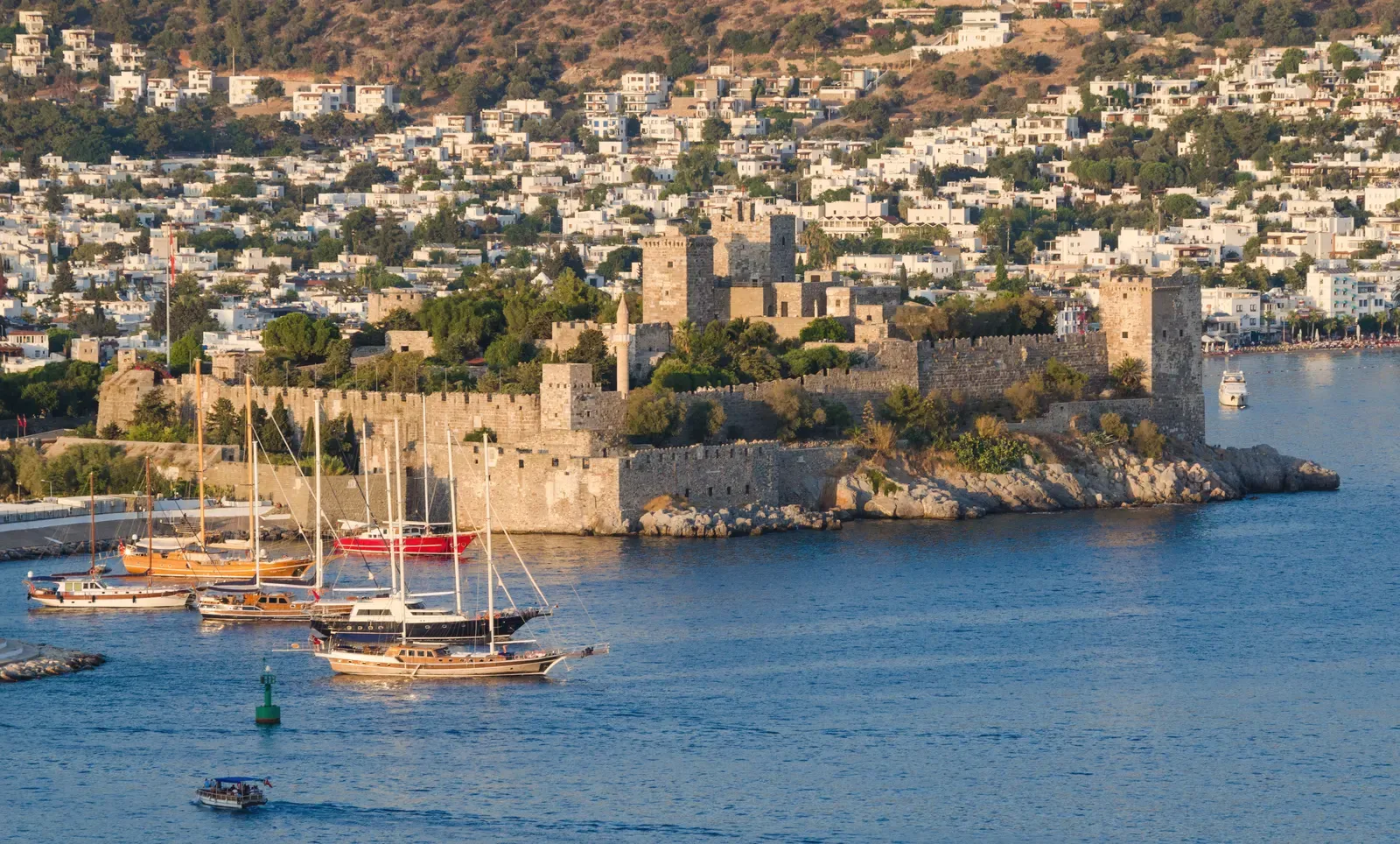
A hot spring vents into the sea off Karaada's caves
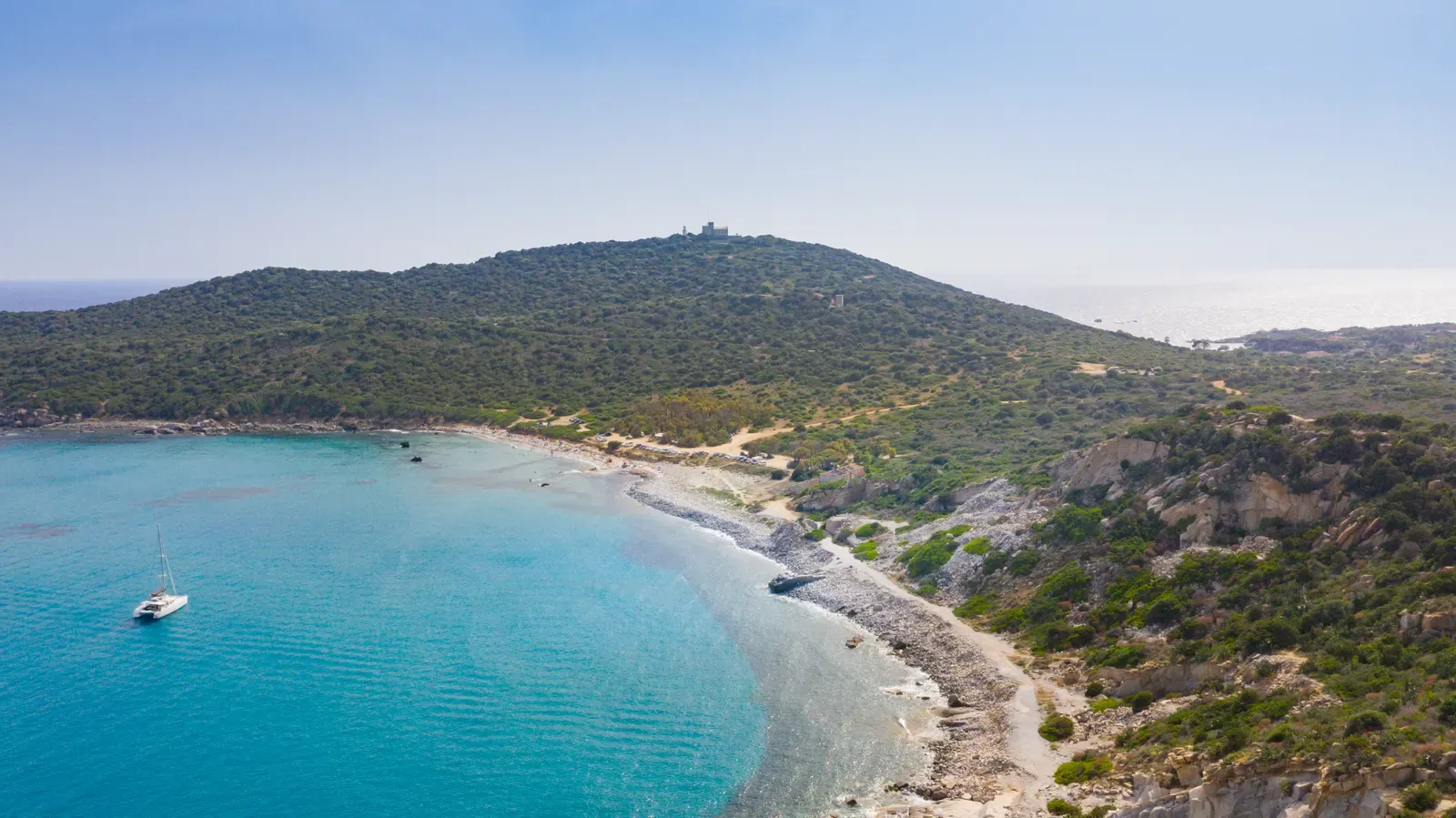
Granite seamounts rising to the surface off Sardinia's south-east corner
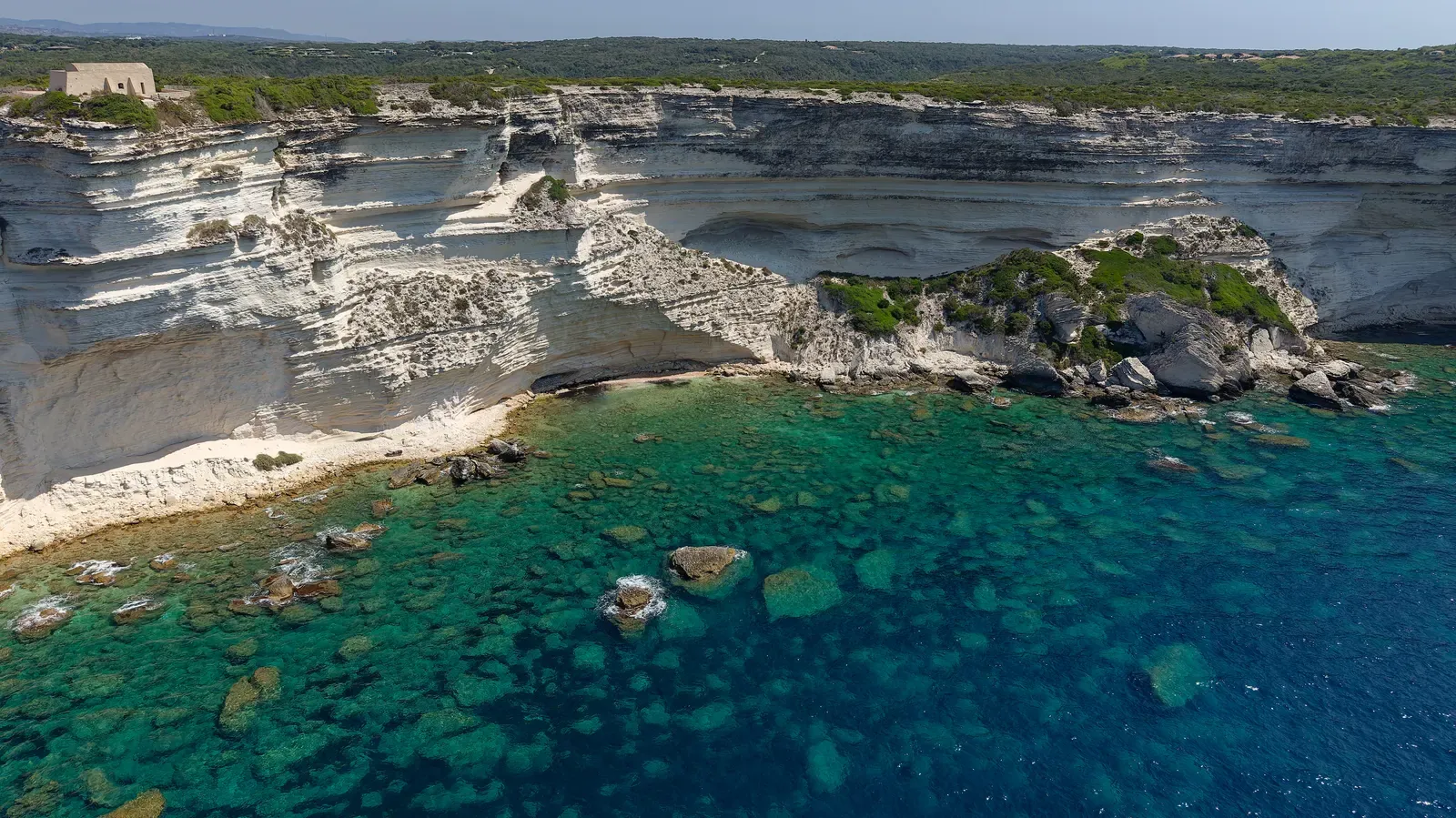
At Mérouville, habituated dusky groupers stay with divers all dive

.jpg)
Fossil elephant tusks inside a cave whose entrance is now at 10 m